
Levoit LVAC 200 Cordless Stick Vacuum Accessories Battery Guide
The LVAC 200 is most useful when you match the right accessories to the right cleaning task and keep the battery charged with the correct adapter. Verify model compatibility before buying replacements, because fit and seal quality matter as much as the part itself.
If you are shopping for Levoit LVAC 200 cordless stick vacuum accessories battery support, the main things to focus on are model compatibility, seal quality, and battery runtime that matches your cleaning routine. In practice, the right accessory set can make the vacuum easier to use, while the battery determines whether it feels convenient or constantly in need of a recharge.
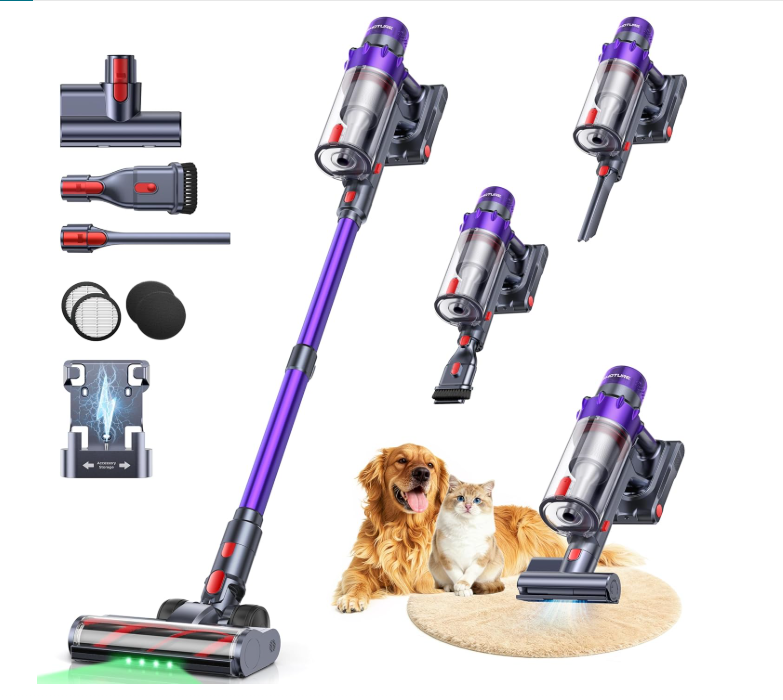
- Best accessories: Brush head, crevice tool, filters, dust cup, and extension tube matter most for everyday.
- Battery reality: Runtime changes with suction mode, floor type, debris load, and filter condition.
- Compatibility first: Match the exact model number and connector style before ordering replacements.
- Maintenance pays off: Clean filters, empty the bin, and clear the brush roll to protect suction and.
- Safety matters: Stop using swollen batteries, damaged cables, or overheating chargers right away.
Levoit LVAC 200 Accessories and Battery: What You Need to Know First

The LVAC 200 is best understood as a lightweight cordless cleaning system: the vacuum body, the battery, the charger, and the attachments all work together. If one part is mismatched, performance can drop fast, especially with suction at the head, airflow through the filter path, or charging consistency.
Quick answer: which accessories matter most and what the battery can realistically deliver
The most useful accessories are usually the brush head, crevice tool, filter set, dust cup, and extension tube, because they affect how well the vacuum handles floors, corners, and above-floor cleaning. Battery performance is typically best judged by your cleaning style, since runtime can vary with suction mode, floor type, debris load, and how often you switch attachments.
Who this guide is for: owners, replacement shoppers, and first-time buyers
This guide is for current LVAC 200 owners replacing worn parts, shoppers comparing accessory bundles, and first-time buyers who want to understand what matters before ordering extras. It is also useful if you are trying to avoid buying the wrong battery or a tool that looks similar but does not fit securely.
- Check the exact model number and accessory fit before ordering
- Confirm charger type, battery handling guidance, and return policy
- Inspect seals, clips, and plastic quality before first use
Levoit LVAC 200 Overview: How the Cordless System Works

A cordless stick vacuum depends on a simple chain: battery power drives the motor, the motor creates suction, and the airflow path pulls dirt into the dust bin through the filter system. That means accessories are not just add-ons; they directly affect how efficiently the vacuum can move air and collect debris.
Core design, suction path, and where the battery fits into daily use
In day-to-day use, the battery is the part that determines whether the vacuum feels ready for quick cleanup or limited by charging breaks. The cleaning head, wand, and bin all influence airflow, so a loose attachment or clogged filter can make the battery seem weaker than it really is.
On cordless vacuums, airflow restrictions often reduce real-world performance more than the motor label suggests.
Key specs to verify in 2026: runtime, charging time, weight, dust capacity, and noise
Before buying or replacing parts, confirm the current manufacturer specifications for runtime, recharge time, weight, dust-bin capacity, and noise level in the official manual or product listing. These details can vary by revision, bundle, region, or retailer, so it is better to verify them than assume a listing is current.
Compatible Accessories and Replacement Parts for the LVAC 200
Accessory compatibility is where many buyers run into trouble. A part can look close enough online but still fail to lock in properly, interrupt airflow, or leave a gap that reduces suction.
Brush heads, crevice tools, filters, dust cups, and extension tubes
The most common replacement or add-on items are the main brush head, crevice tool, filters, dust cup, and extension tube. Brush heads matter most for floor contact; crevice tools help with edges and car interiors; filters protect the motor path; dust cups affect capacity and emptying frequency; and extension tubes improve reach for ceilings, shelves, and under-furniture cleaning.
If you are comparing broader cordless vacuum battery guidance, our cordless vacuum cleaner battery guide explains the general battery and charging factors that matter across many stick-vacuum brands. For shoppers weighing replacement options, the cordless vacuum replaceable battery guide is also helpful for understanding what makes a battery easier or harder to service.
How to confirm fit, sizing, and model compatibility before buying
Start with the exact model name and any part number listed in the manual, then compare the connector shape, locking tabs, filter dimensions, and tube diameter against the seller’s description. If the listing does not clearly name the LVAC 200 or show the part dimensions, treat it as a compatibility risk.
What to avoid: off-brand parts, loose seals, and poor-quality plastics
Cheap off-brand accessories can save money upfront, but they may also introduce weak seals, brittle clips, and filters that do not sit correctly. A poor seal can reduce suction and increase strain on the motor, while low-grade plastic may crack sooner around the locking points.
Stop using any accessory that wobbles, leaks air, cracks, or overheats the vacuum body. A poor fit can hurt performance and may create avoidable wear on the machine.
Battery and Charging Guide: Performance, Safety, and Limits
The battery is the biggest factor in how “cordless” the LVAC 200 feels. Even a good vacuum can become frustrating if the battery is undersized for your home, takes too long to recharge, or is charged with the wrong adapter or cable.
Battery type, expected runtime, and what affects real-world battery life
Check the official battery type in the manual or product page, because battery chemistry, voltage, and pack design determine compatibility and serviceability. Real runtime depends on suction setting, floor type, pet hair load, brush resistance, filter cleanliness, and whether you are using the vacuum intermittently or in one long session.
Charger basics: rated wattage, cable quality, connector fit, and heat checks
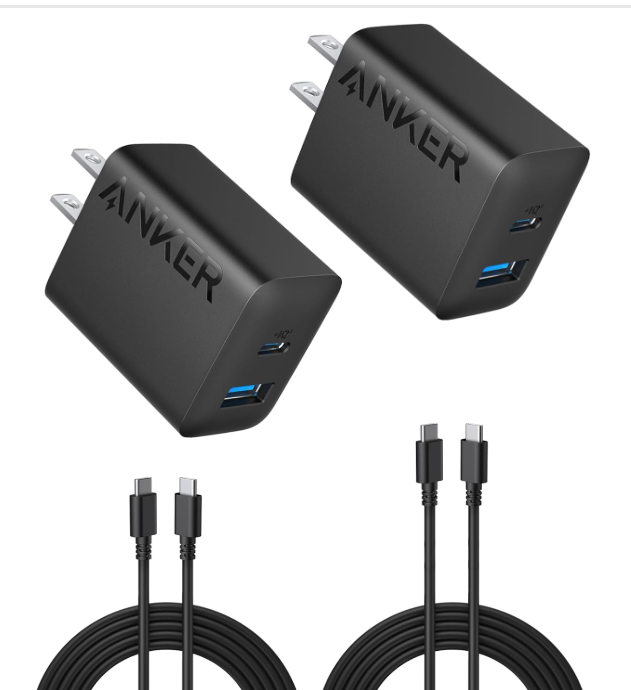
Use only the charger and cable that match the manufacturer’s requirements, and verify the rated output before replacing anything. If a charger becomes unusually hot, the connector feels loose, or the cable is frayed, stop using it and replace it with a properly rated part from a trusted source.
Safe charging and storage habits to extend battery health
Charge the battery in a dry, ventilated area away from direct sunlight, heaters, and moisture. For long-term storage, keep the battery and charger in a cool indoor space and avoid leaving the vacuum or battery in a hot car, damp basement, or unventilated closet.
If the vacuum is used for short daily cleanups, partial charging is often easier to manage than repeatedly draining the battery to empty. The key is to follow the manufacturer’s charging guidance and avoid heat buildup.
When a battery should be replaced and warning signs to watch for
Replacement becomes more likely when runtime drops sharply, charging becomes inconsistent, the pack refuses to hold a charge, or the battery area shows swelling, unusual heat, or odor. Any sign of swelling, leakage, or damage means the battery should be removed from service and handled according to the manufacturer’s safety instructions.
Stop using damaged electronics, swollen batteries, frayed cables, overheating chargers, or unstable appliances and follow the manufacturer’s guidance.
Real-Use Benefits and Trade-Offs for Everyday Cleaning
The LVAC 200 style of vacuum is appealing because it is easy to grab for quick messes, but that convenience comes with trade-offs. Buyers should think about room size, flooring mix, and how often they clean rather than focusing only on the vacuum’s headline features.
Best use cases: apartments, quick pickups, stairs, and mixed flooring
This type of cordless vacuum generally makes the most sense for apartments, smaller homes, stairs, and fast pickup jobs where dragging out a full-size vacuum would be inconvenient. It can also be practical for mixed flooring if the included brush head and accessories are suited to both hard floors and low-pile carpet.
Noise, maneuverability, portability, and storage convenience
The biggest everyday advantage is portability. A lightweight stick vacuum is easier to carry between rooms, store in a closet, and use for short cleaning sessions without much setup, which is especially helpful for busy households or shared living spaces.
Where the LVAC 200 may fall short: runtime limits, debris size, and pet hair demands
Battery-powered stick vacuums can struggle when the cleanup is long, the debris is heavy, or the area is covered in embedded pet hair. If you clean a large home in one pass or need strong deep-clean performance on thick carpet, you may want a model with a larger battery or a different brush system.
For readers specifically comparing pet-hair needs, our cordless vacuum for pet hair guide can help you judge whether a stick vacuum is enough or whether you should prioritize stronger agitation and longer runtime.
Setup, Maintenance, and Care for Accessories and Battery Longevity
Good maintenance keeps accessories fitting correctly and helps the battery age more gracefully. Most cordless vacuum problems start with dirty filters, packed brush rolls, or poor storage habits rather than a sudden hardware failure.
Initial setup steps: charging, attaching tools, and checking the seal
Follow the manual’s first-charge guidance and make sure the charger and battery connection are fully seated.
Push each accessory into place until it locks, then check for wobble or gaps.
Confirm the dust bin, filter, and brush head are installed correctly before cleaning.
Routine maintenance: filter cleaning, brush-roll care, dust-bin emptying, and inspection
Empty the dust bin before it gets overfilled, because packed debris can reduce suction and force the motor to work harder. Clean the filter on the schedule recommended by the manual, remove hair and string from the brush roll, and inspect the seals and clips for wear whenever performance changes.
- Empty the bin before debris reaches the max line.
- Let washed filters dry fully before reinstalling them.
- Remove wrapped hair from the brush roll regularly.
- Check for cracks around latches and intake points.
Storage tips for the battery, charger, and accessories in hot or humid spaces
Store the battery, charger, and extra attachments in a dry indoor location with stable temperature. Humid spaces can affect contacts and plastics over time, while high heat can shorten battery life and make charging less reliable.
Common Mistakes, Troubleshooting, and Safe Use
Most cordless vacuum issues are fixable with basic checks. Before assuming the battery is bad, it is worth looking at airflow blockages, dirty filters, and attachment fit.
Frequent user errors: blocked airflow, overfilling the bin, and using the wrong attachment
A blocked nozzle, clogged filter, or overfilled dust bin can make the vacuum seem weak even when the battery is fine. Using the wrong attachment can also create a poor seal or reduce pickup on certain surfaces, especially if the brush head is not suited to the floor type.
Troubleshooting weak suction, short runtime, charging issues, and overheating
If suction is weak, check the bin, filter, brush roll, and tube for clogs before replacing any parts. If runtime is short, compare your cleaning mode and debris load against the official runtime claims; if charging is inconsistent, inspect the cable, connector, and charging port for wear or debris.
If you are comparing battery behavior across brands, our cordless vacuum battery replacement and performance comparison offers a useful framework for evaluating when a battery issue is really a replacement issue versus a maintenance issue.
Safety reminders for battery handling, damaged cables, and heat-related risks
Do not use a damaged charger, bent connector, or battery that shows swelling or unusual heat. Keep batteries away from water, direct sun, and anything flammable, and always follow the manufacturer’s instructions for charging and disposal.
Value Check and Final Verdict: Is the LVAC 200 Accessory-Battery Setup Worth It?
The LVAC 200 accessory-and-battery package makes the most sense when you want a lightweight cordless vacuum for everyday cleanup and you are willing to keep up with maintenance. Its value depends less on the sticker idea of “cordless convenience” and more on whether the battery runtime, replacement parts, and accessory fit match your home.
Who gets the most value from official accessories and replacement batteries
Owners who clean smaller homes, apartments, stairs, or mixed flooring usually get the best value from official or verified-fit accessories, because those parts are more likely to seal properly and preserve performance. Replacement batteries also make the most sense for people who already like the vacuum’s handling but need more consistent runtime over time.
Alternatives to consider if you need longer runtime, broader compatibility, or lower cost
If you need longer cleaning sessions, a model with a larger battery or a swappable pack may be a better fit. If your priority is lower upfront cost, you may need to accept narrower compatibility, fewer accessories, or a shorter service life from non-official parts.
Transparent recommendation based on evidence, limitations, and long-term ownership value
For most buyers, the LVAC 200 is worth considering if you want a simple cordless cleaner and you plan to buy only parts that clearly match the model. The safest long-term value comes from verified compatibility, careful charging habits, and replacing worn accessories before they start hurting suction or battery performance.
The LVAC 200 accessory-battery setup is a practical choice for light to moderate everyday cleaning, especially when you rely on official or clearly verified replacement parts. If you need extended runtime, heavy-duty pet hair pickup, or broader part compatibility, a different cordless vacuum may be the better investment.
Frequently Asked Questions
The most useful accessories are usually the main brush head, crevice tool, filters, dust cup, and extension tube. These parts affect suction, reach, and how well the vacuum handles different surfaces.
Check the exact model number, connector shape, locking tabs, and any part numbers in the manual before buying. If a listing does not clearly name the LVAC 200, treat compatibility as unverified.
Runtime depends on suction mode, floor type, debris load, filter condition, and how often you switch attachments. A clogged airflow path can make the battery seem weaker than it really is.
Use the manufacturer-matched charger and keep the battery in a dry, ventilated indoor space away from heat and moisture. Avoid damaged cables, loose connectors, and hot storage areas.
Replace it if runtime drops sharply, charging becomes inconsistent, or the battery shows swelling, odor, or unusual heat. Any sign of damage means you should stop using it and follow the manufacturer’s safety guidance.
It can work well for quick cleanup, stairs, and smaller spaces, but larger homes and heavy pet hair may expose runtime limits. If you need longer sessions or stronger deep-cleaning performance, compare it with models built for bigger loads.