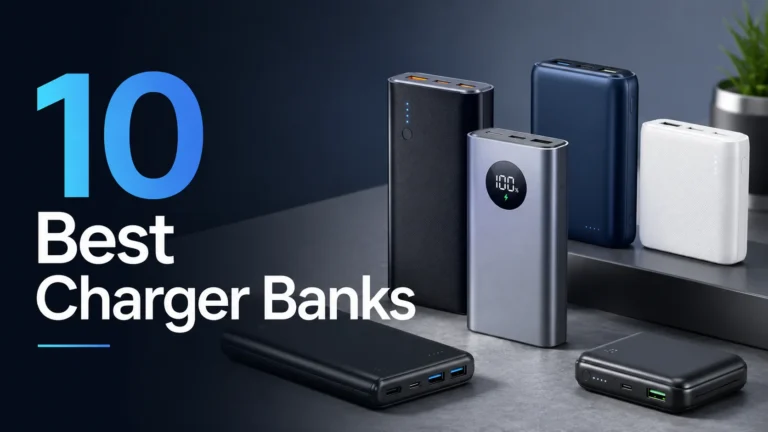
Is It Bad to Emergency Override iPhone Charging Guide
Emergency override iPhone charging can help in a pinch, but it is not something you should rely on often. If your iPhone keeps needing a forced charge, the real issue is usually the cable, charger, port, battery health, or power source.
This guide explains when it is safe, when it is risky, and how to charge your iPhone the smart way. You will also learn simple fixes, better charger choices, and battery care tips that can save you time and money.
Is It Bad to Emergency Override iPhone Charging Guide
We have all been there. Your iPhone is at 2%, you need to leave, and the charger seems to be doing almost nothing. Maybe the screen says it is charging, but the battery barely moves. Or maybe the phone refuses to charge at all unless you do something to “force” it. That is when people start asking the big question: is it bad to emergency override iPhone charging?
Short answer: it is not ideal, but it is not always dangerous either. The real issue is why you feel the need to override the normal charging process in the first place. If it happens once in a while, you are probably fine. If it happens often, your iPhone, cable, adapter, or battery may be trying to tell you something.
In this guide, we will break down what emergency override charging really means, what risks it can bring, and how to handle it the smart way. We will also look at safer charger choices, battery health, and the best habits to keep your iPhone powered up without stress.
- Point 1: Emergency override charging is fine once in a while, but repeated use can hide bigger charging problems.
- Point 2: If your iPhone is not charging normally, the issue is often a bad cable, weak adapter, dirty port, or worn battery.
- Point 3: A safe charger matters more than a cheap quick fix. Good power delivery protects both speed and battery health.
- Point 4: Heat is the main enemy. If your phone gets hot while charging, stop and check the setup.
- Point 5: Slow charging is often a sign to inspect your gear, not force the phone to charge harder.
- Point 6: Smart charging habits can extend iPhone battery life and reduce the need for emergency charging tricks.
- Point 7: If charging fails often, a replacement charger or battery service is usually the best long-term fix.
📑 Table of Contents
- What Emergency Override iPhone Charging Really Means
- Is It Bad to Emergency Override iPhone Charging?
- How iPhone Charging Safety Works
- Signs Your Charging Problem Is Bigger Than an Emergency
- Best Ways to Handle an iPhone Charging Emergency
- Emergency Override vs Normal Charging: What Changes?
- How to Choose a Safer Charger for iPhone
- Practical Use Cases: When Emergency Override Makes Sense
- Buying Tips and Final Advice
What Emergency Override iPhone Charging Really Means
It is not a special Apple feature
Apple does not offer a button called “emergency override charging.” Most people use the phrase to describe any action that forces the iPhone to charge when it seems stuck, slow, or unresponsive. That may mean unplugging and reconnecting the cable, using a stronger adapter, restarting the phone, or trying a different power source.
Common situations that trigger it
- The iPhone charges very slowly.
- The charging icon appears, but the battery percentage does not rise.
- The phone only charges when held at a certain angle.
- The device gets warm and seems to pause charging.
- A low-quality charger is not delivering stable power.
These are usually signs of a charging problem, not a battery emergency. If you want a deeper look at the causes, our guide on why your iPhone is charging slow is a helpful place to start.
Is It Bad to Emergency Override iPhone Charging?
The short answer
Yes, it can be bad if you do it often or use unsafe gear. No, it is not usually harmful if you only do it once in a while during a real emergency. The main risk is not the override itself. The risk is the stress it can put on the battery, charging circuit, and cable if the setup is poor.
Why repeated forcing is not a great idea
When you keep forcing a charge, you may ignore the real issue. A loose cable, dirty port, weak charger, or aging battery can all cause unstable charging. If you keep pushing power through a bad setup, you may create heat, slow charging, and more wear on the battery over time.
That is why the question is not just “is it bad to emergency override iPhone charging?” It is also “what is causing the charge problem?” Fixing the cause is always better than forcing the result.
When it is okay
If you are traveling, late for work, or need a quick top-up before leaving the house, using a better adapter or reconnecting the charger is fine. The iPhone has built-in protection that helps manage power safely. A one-time emergency charge is not likely to ruin your phone.
How iPhone Charging Safety Works
Built-in battery protection
Modern iPhones have charging controls that help protect the battery. They manage voltage, temperature, and charging speed so the battery does not get overloaded. This is why a good charger matters. The phone can only do so much if the power source is weak or unstable.
Heat is the biggest problem
Heat is the main thing to watch. If your iPhone is hot while charging, the battery may charge slower or stop charging for a while. This is normal protection behavior. But if you keep forcing the phone to charge while it is hot, you can speed up battery wear.
Battery health matters more than speed
A battery with poor health may charge oddly, drain fast, or stop at certain percentages. If your phone is older, emergency override charging may seem like a fix, but it is often just a temporary patch. In that case, a battery check or replacement may be the better answer.
Signs Your Charging Problem Is Bigger Than an Emergency
The charger works sometimes, but not always
This often means the cable is damaged or the port is dirty. Lightning and USB-C cables can wear out near the ends. If the connection is loose, the phone may charge only when the cable is bent a certain way.
The phone gets very hot
If your iPhone heats up fast during charging, stop using that setup. Heat can come from a bad charger, a poor-quality cable, or even a case that traps warmth. A safer charger is usually the first fix to try. If you are comparing options, our article on which iPhone charger is best can help narrow things down.
The battery percentage jumps around
If your battery goes from 18% to 4% or from 12% to 30% very fast, the battery itself may be aging. That is not something emergency override charging can solve. It is usually a sign that the battery needs attention.
The charging icon appears, but nothing happens
This can happen with weak USB ports, bad power strips, or cheap chargers that do not provide stable output. In these cases, forcing the charge is less effective than switching to a proper wall charger. If you want to compare safe options, see our guide on which wall charger is fast charging.
Best Ways to Handle an iPhone Charging Emergency
Try a simple reset first
If your iPhone is not charging, unplug it, wait a few seconds, and reconnect it. Then restart the phone if needed. This can clear minor software glitches that affect charging.
Use a better charger, not a stronger trick
Many people think the fix is to “override” charging with more power. In reality, the better move is to use a charger that matches your iPhone properly. A quality adapter and cable will usually charge faster and safer than a random high-watt charger.
If budget is a concern, you do not need the most expensive option. You just need one that is safe and compatible. Our guide to budget chargers that work with iPhone can help if you want a practical choice without overspending.
Check the port and cable
Look inside the charging port for lint, dust, or debris. Even a tiny amount can block a stable connection. Also inspect the cable ends for fraying, bent pins, or looseness. Small damage can cause big charging problems.
Let the phone cool down
If the phone is hot, remove the case and move it to a cool, dry place. Do not put it in a freezer or near ice. Just let it rest. Once the temperature drops, charging usually improves.
Emergency Override vs Normal Charging: What Changes?
Performance notes
Normal charging is stable and predictable. Emergency override charging is more like a short-term workaround. It may get power back into the phone faster, but it does not fix the underlying issue. If the charger is weak, the phone may still charge slowly even after the override.
Battery wear over time
One emergency charge will not destroy your battery. But repeated forced charging, especially with poor accessories, can add heat and stress. Over time, that can reduce battery life and make the phone less reliable.
Safety and convenience trade-off
Emergency override charging is about convenience. Normal charging is about long-term safety. If you need quick power, do it smartly. If you need it every day, the setup is wrong.
For people who travel or depend on backup power, a quality portable charger can be a better answer than forcing a weak wall setup. Our review of whether fast charging power banks are worth it is useful if you want a better emergency option.
How to Choose a Safer Charger for iPhone
Pick the right wattage
Choose a charger that supports your iPhone model properly. Too little power can cause slow charging. Too much power from a poor-quality charger can create heat or unstable output. A good charger balances speed and safety.
Look for trusted standards
Use reputable brands and certified cables. This matters more than flashy claims on the box. A charger that promises extreme speed but lacks quality control is not worth the risk.
Think about your daily use
If you charge at a desk, a wall charger may be best. If you travel, a compact power bank may be smarter. If you want a full breakdown of charger types, our article on which iPhone charger is the fastest is a good comparison point.
Do not ignore cable quality
The cable matters as much as the adapter. A weak cable can bottleneck charging, even if the adapter is strong. If your goal is fast and safe charging, always treat the cable and adapter as a pair.
Practical Use Cases: When Emergency Override Makes Sense
Travel days
When you are at an airport, hotel, or train station, you may not have your usual charger. In that case, using a spare adapter or a trusted power bank is fine. The key is to avoid random, unknown charging gear.
Busy work mornings
If you forgot to charge overnight and need a quick boost before leaving, a higher-quality fast charger can help. This is much better than trying to force a bad charger to work.
Outdoor or backup situations
During power cuts or long days away from home, a reliable backup battery is the best emergency plan. A good power bank is safer and more useful than trying to squeeze power out of a failing wall charger.
If you want a broader guide to portable charging, see our article on fast charging power banks that work with iPhone.
Buying Tips and Final Advice
What to buy if charging keeps failing
- A certified USB-C or Lightning cable, depending on your iPhone model.
- A reliable wall charger with proper output.
- A compact power bank for emergencies.
- A soft brush or safe cleaning tool for the charging port.
- A battery service appointment if the phone is older and charging is inconsistent.
What to avoid
- Very cheap no-name chargers with vague specs.
- Damaged cables with exposed wire or bent connectors.
- Charging in very hot places, like a car dashboard in the sun.
- Forcing the cable into the port if it does not fit cleanly.
My clear recommendation
So, is it bad to emergency override iPhone charging? My answer is this: it is okay as a short-term fix, but it should not become a habit. If you need to do it once, no big deal. If you need to do it often, stop and check your charger, cable, port, and battery health.
The smartest move is to use a safe, compatible charger and keep a backup plan ready. That way, you do not have to force anything. You just charge normally, quickly, and with less stress on your iPhone.
If you want to avoid future charging headaches, start with better gear and better habits. A solid charger setup is always cheaper than a battery repair later.
Frequently Asked Questions
No, one-time emergency charging is usually fine if you use safe accessories. The risk goes up when you keep forcing the phone to charge with a bad cable or weak adapter.
It can contribute to wear if it happens often, especially if it creates heat. A single emergency charge is unlikely to cause serious damage, but repeated use is not a good habit.
That usually means the cable or port has a loose connection or debris inside. Try a different cable first, then clean the port carefully if needed.
No. The charger has to match the phone properly, and the cable matters too. A high-watt charger from a poor brand can still charge slowly or run hot.
A certified wall charger or a trusted power bank is the safest choice. Avoid unknown chargers, damaged cables, and overheated charging setups.
If charging problems keep happening after you try a new cable and charger, the battery may be worn out. Battery health issues often show up as fast drain, slow charging, or sudden percentage drops.

Tech & Gadget Reviewer
Ethan Walker is a tech enthusiast and gadget reviewer with over 8 years of hands-on experience testing consumer electronics, smart home devices, and cutting-edge accessories. He helps readers make smarter buying decisions through honest, in-depth reviews.