Best iPhone 16 Pro Folio Cases for Style and Protection
The best iPhone 16 Pro folio case balances screen protection, MagSafe compatibility, and practical card storage. Choose a slim, well-built model that fits your daily carry instead of the flashiest option.
If you want the best iPhone 16 Pro folio case, look for a model that balances MagSafe compatibility, solid screen coverage, and enough storage for a few essentials without turning the phone into a brick. The right pick should feel secure in daily carry, work with your charging routine, and fit the way you actually use your phone.
- Fit first: Accurate button access, camera cutout alignment, and MagSafe behavior matter more than looks.
- Storage trade-off: More card slots usually mean more bulk and less pocket comfort.
- Protection varies: Some folio cases mainly prevent scratches, while others add stronger drop protection.
- Daily use matters: Wireless charging, one-handed use, and flap wear can affect long-term satisfaction.
Best iPhone 16 Pro Folio Cases: What to Buy in 2025
Quick answer: the best folio case balances MagSafe compatibility, screen protection, card storage, and everyday carry comfort
For most buyers, the best iPhone 16 Pro folio cases are the ones that protect the display, keep the phone easy to open and close, and still allow reliable charging and accessory use. If you want a broader wallet-style comparison for Apple’s larger model, our iPhone 16 Pro Max wallet case guide can help you compare layout and storage trade-offs.
How iPhone 16 Pro Folio Cases Work and Who They’re Best For

What a folio case covers: front flap protection, rear shell support, and optional stand features
A folio case typically wraps the back of the phone in a shell or frame and adds a front cover that folds over the screen. Some versions also include a magnetic clasp, a snap closure, or a fold-back stand for hands-free viewing. The front flap is the main reason people buy this style: it adds a layer of scratch protection when the phone is in a bag, desk drawer, or backpack pocket.
That said, folio design varies a lot. Some versions are slim and polished, while others are built more like a travel wallet with extra structure, card slots, and a heavier closure. If you are comparing folio and wallet-style options across iPhone generations, it can also help to review a compatibility resource like whether iPhone 16 cases fit iPhone 15 models before assuming older accessories will transfer cleanly.
Ideal users: commuters, travelers, professionals, and anyone who wants fewer items in their pocket or bag
Folio cases are especially useful for commuters who want screen protection in crowded spaces, travelers who prefer to keep a card or ID close at hand, and professionals who like a more polished look in meetings. They can also appeal to students, remote workers, and minimalists who want to carry fewer separate items.
If you carry only one or two cards, a folio case can replace a wallet for light daily use. If you carry several cards, receipts, or cash, check how much the case bulges when filled before you buy.
Key Buying Criteria for iPhone 16 Pro Folio Cases
Fit and compatibility: iPhone 16 Pro dimensions, camera cutout accuracy, button access, and MagSafe alignment
Fit is the first thing to verify. A folio case should match the iPhone 16 Pro’s camera layout, button placement, and port openings closely enough that you do not have to force anything into place. Because folio cases often add thickness, button feel and hinge clearance matter more than they do on a simple snap-on shell.
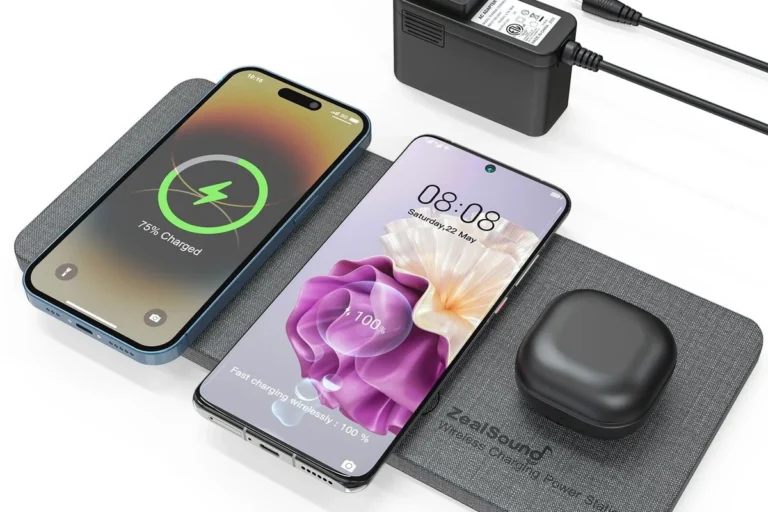
MagSafe compatibility is another point to check carefully. Some folio cases support magnetic accessories and wireless charging well, while others interfere because of their flap structure, internal card storage, or thicker materials. Manufacturer claims can vary by model, so confirm the exact compatibility notes on the product page and the official documentation before assuming a case will work with every charger or mount.
Materials and build quality: leather, vegan leather, TPU, polycarbonate, stitching, and edge reinforcement
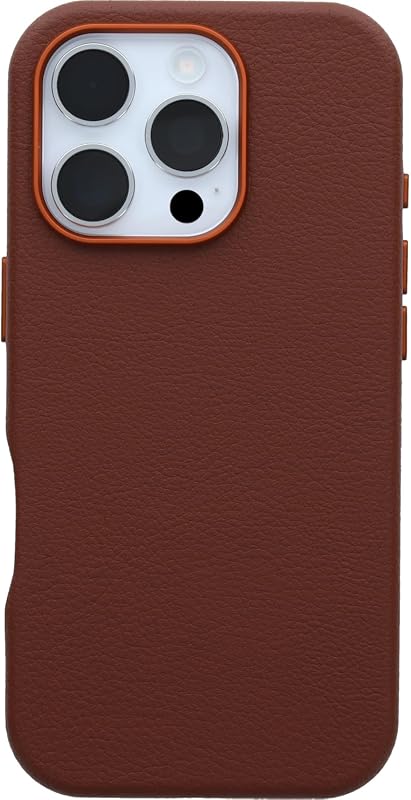
Material choice affects both style and durability. Genuine leather can age nicely if cared for, while vegan leather may be easier to wipe clean and more consistent in appearance. TPU and polycarbonate are often used in the inner shell for structure and shock absorption, but the quality of the stitching, hinge, and edge reinforcement usually tells you more about long-term durability than the material label alone.
Pay attention to how the front flap closes and how the shell is joined to the folio cover. Loose stitching, thin corner seams, or weak magnetic closures can become failure points after repeated opening and closing. If you like a more rigid, structured wallet case, the build should feel secure even when the card slots are not full.
Protection level: drop protection, raised bezels, flap closure strength, and screen coverage
Not every folio case is equally protective. Some are designed mainly for scratch resistance and style, while others add reinforced corners, raised edges around the screen and camera, and a more secure closure. The front cover helps protect the display from everyday contact, but it does not automatically make the phone drop-proof.
Do not rely on a folio flap as a substitute for real drop protection if you frequently work outdoors, travel through crowded areas, or keep your phone in a bag with hard objects. Check the manufacturer’s protection claims and read the warranty terms carefully, since coverage often has limits.
Storage and convenience: card slots, cash pockets, RFID claims, and how much bulk is acceptable
Card storage is the feature that pushes many buyers toward folio cases, but more storage usually means more thickness. A slim folio may hold one or two cards comfortably, while larger wallet-style cases can carry more but feel heavier in the hand and less pocket-friendly.
RFID-blocking claims are common, but they are not always clearly explained by sellers. If that feature matters to you, verify exactly what is blocked, how the claim is tested, and whether the case still closes securely when the slots are full. For buyers who want a charging-friendly setup, it may also help to review what charger the iPhone 16 uses so the case does not interfere with your preferred cable or power setup.
- Confirm iPhone 16 Pro model fit, camera cutout accuracy, and MagSafe support
- Check card-slot count, flap closure type, and whether the case remains slim enough for your pocket or bag
- Review care instructions, warranty terms, and return policy before buying
Style vs. Protection: Real-World Trade-Offs to Consider
When slim folio designs make sense and when they sacrifice too much protection
Slim folio cases make sense when you want a more refined look and just enough protection for daily carry. They are a good fit for offices, coffee shops, and low-impact routines where the phone is not constantly exposed to rough handling.
They become less appealing when you need stronger drop resistance, easy one-handed access, or a case that can take repeated abuse. If the folio is too thin, the front cover may not stay shut well, and the corners may not absorb impact as effectively as a more rugged case. In that situation, a simpler protective case may be the better long-term choice.
How weight, pocketability, and grip affect daily use
Weight and grip are easy to overlook until you carry the phone all day. A folio case can make the phone feel more secure in a bag, but it can also feel bulkier in jeans pockets, jacket pockets, or small purses. If you are often on the move, a thick folio may be more annoying than helpful.
Grip also changes depending on the outer finish. Smooth leather can look premium but may slide more easily, while textured vegan leather or TPU-backed designs can feel more secure in the hand. The best option is the one you can open, hold, and close without fighting the material.
Limitations to note: wireless charging friction, flap wear, and reduced one-handed use
Folio cases often create compromises. Wireless charging can be less reliable if the case is thick, if the card slots are filled, or if the magnetic alignment is not ideal. The flap can also wear out over time, especially at the fold line or near the clasp.
Another limitation is usability. It is harder to answer a call, take a quick photo, or unlock the phone with one hand when a front cover is involved. That is not a deal-breaker, but it is worth considering if speed and convenience matter more to you than screen coverage.
Best Use Cases for Different Types of Buyers
Business and office use: polished looks, card storage, and meeting-friendly functionality
For office settings, a folio case can serve as both a protective cover and a simple business accessory. It keeps a card or two close by, hides the screen when the phone is on a desk, and can look more polished than a basic shell case. That makes it a practical choice for professionals who want utility without carrying a separate wallet everywhere.
Still, buyers should make sure the case opens cleanly and does not interfere with desk charging or magnetic accessories. A case that looks elegant but feels awkward in daily workflow is rarely the best value.
Travel and commuting: passport-adjacent convenience, ticket storage, and added screen safety
Travelers and commuters often benefit most from folio cases because they combine screen coverage with a little extra storage. A card slot can hold a transit card, hotel key, ID, or backup payment card, which is helpful when you do not want to reach into a larger bag every few minutes.
For travel, check local security rules, airline rules, and your own comfort level before storing sensitive items in a phone case. A folio case is convenient, but it is not always the best place for every document or card.
Minimalists and students: carrying essentials without a separate wallet
Minimalists and students often like folio cases because they reduce what needs to be carried. If you usually leave the house with a phone, one payment card, and an ID, a folio can simplify daily routines and cut down on pocket clutter.
The trade-off is flexibility. Once you start adding more cards, receipts, or cash, the case can become bulky fast. Buyers in this group should favor a slim, well-built option rather than the largest wallet-style design available.
Common Mistakes When Choosing an iPhone 16 Pro Folio Case
Choosing by appearance alone instead of checking fit, hinge quality, and closure security
A folio case can look premium in photos and still disappoint in daily use. The most common mistake is buying based on color or finish first and only later realizing the hinge feels weak, the flap is awkward, or the closure does not stay shut.
Before buying, check how the case opens, how it folds, and whether the front cover aligns cleanly with the phone. Good fit and secure closure matter more than decorative stitching or a polished product image.
Ignoring MagSafe behavior, wireless charging compatibility, and accessory clearance
Another mistake is assuming every folio case works the same with chargers and accessories. Some will charge wirelessly without issue, while others may require you to remove cards or adjust placement. Magnetic mounts, car holders, and power banks can also behave differently depending on the case thickness and internal materials.
If you use accessories often, confirm compatibility before you buy. For readers who also use power accessories regularly, our MagSafe power bank compatibility guide can help you think through magnetic alignment and charging habits.
Overstuffing card slots, which can strain stitching and weaken the magnetic flap
Card slots are convenient, but too much stuffing creates problems. Overfilled pockets can stretch the material, stress the stitching, and make the flap harder to close. In some designs, the added thickness can also reduce magnetic hold or make the case sit unevenly.
If the case no longer closes flat, the stitching starts separating, or the phone retention feels loose, stop relying on it for daily carry and replace it. A worn folio case can fail gradually, which is why regular inspection matters.
Care, Safe Use, and Long-Term Maintenance
Cleaning by material type: leather care, faux-leather wiping, and avoiding harsh chemicals
Care depends on material. Leather usually needs gentle cleaning and condition-appropriate care products, while faux leather and TPU-backed designs can often be wiped with a soft, slightly damp cloth. Avoid harsh cleaners, bleach, or abrasive pads, since they can damage the finish and weaken stitching or coatings.
If the manufacturer provides a care guide, follow that first. Material treatments, dyes, and coatings vary by brand, so the safest approach is always the one listed in the product documentation.
Storage and wear prevention: keeping the flap flat, avoiding heat, and preventing card-slot stretching
Store the case in a cool, dry place when it is not in use. Heat can accelerate wear, soften adhesives, and deform some synthetic materials, while heavy pressure can bend the flap or stretch the card slots.
Rotate the cards you keep in the folio so the same pocket is not always under strain. If you notice the flap curling or the slots loosening, reduce the load before the damage gets worse.
Replacement signs: loose stitching, weakened magnets, peeling surfaces, or poor phone retention
Replace the case when the closure no longer feels secure, the surface peels, the magnets weaken, or the phone starts shifting inside the shell. Those are not just cosmetic issues; they can reduce protection and make everyday use frustrating.
It is also worth checking warranty terms if the case fails early. Coverage varies by brand, region, and seller, so confirm the return or replacement process before you need it.
Final Recommendation: Which iPhone 16 Pro Folio Case Type Offers the Best Value in 2025
Transparent verdict: prioritize fit, protection, and daily practicality over premium styling alone
The best-value iPhone 16 Pro folio case is usually the one that fits precisely, closes securely, supports your charging setup, and offers just enough card storage for your routine. Premium materials are nice, but they should not come at the expense of usability or reliable protection.
Buyers who want a polished everyday case with real screen coverage, dependable closure, and light wallet functionality should focus on a slim-to-midweight folio with verified MagSafe behavior and durable stitching.
Best overall buyer profile and the features most worth paying for
The best buyer for a folio case is someone who wants a cleaner carry system, does not mind a little extra thickness, and values convenience as much as style. The features most worth paying for are accurate fit, sturdy hinge construction, secure card storage, and a flap that stays closed without feeling stiff.
If you want a simpler charging and accessory setup, compare the case against your daily habits before deciding. A folio case should reduce friction in your day, not create new problems every time you charge, travel, or grab the phone with one hand.
Frequently Asked Questions
Folio cases suit commuters, travelers, professionals, and minimalists who want screen protection plus light wallet storage. They are less ideal for people who want the thinnest possible case or frequent one-handed phone use.
Check the exact model listing for camera cutout placement, button alignment, port access, and MagSafe support. If the seller does not clearly state iPhone 16 Pro compatibility, verify before buying.
The most important features are secure closure, durable stitching, usable card storage, and reliable fit. MagSafe behavior and wireless charging compatibility also matter if you use magnetic accessories.
Some do, but performance depends on the case thickness, materials, and whether cards are stored inside. Check the manufacturer’s compatibility notes and remove anything that may interfere if charging seems inconsistent.
Use a soft cloth and follow the manufacturer’s care instructions. Avoid harsh chemicals, heat, and abrasive cleaning tools because they can damage the finish and weaken the stitching.
Replace it if the stitching loosens, the flap no longer closes securely, the surface peels, or the phone retention feels weak. Those signs can reduce protection and daily reliability.