Best iPhone 16 Pro Max Metal Cases for Ultimate Protection
iphone 16 pro max metal cases are best for buyers who want a rigid, premium-feeling shell and are willing to verify fit, MagSafe support, and weight. Hybrid metal designs usually offer the best balance of protection, comfort, and everyday usability.
If you want a tougher, more premium-feeling option for your phone, iphone 16 pro max metal cases can make sense—but only if you’re comfortable with extra weight, a more rigid feel, and careful compatibility checks. The best choices are usually metal-frame or hybrid designs that protect the edges and camera area without interfering with MagSafe, buttons, or wireless charging.
- Protection depends on design: Metal alone is not enough; corner cushioning and raised edges matter.
- Check compatibility first: Confirm exact iPhone 16 Pro Max fit, MagSafe behavior, and port/button access.
- Expect trade-offs: Metal cases often add weight and can feel less grippy than softer materials.
- Best practical choice: Hybrid metal-and-soft-shell cases are often more usable than full metal enclosures.
Best iPhone 16 Pro Max Metal Cases: Quick Verdict and What to Expect
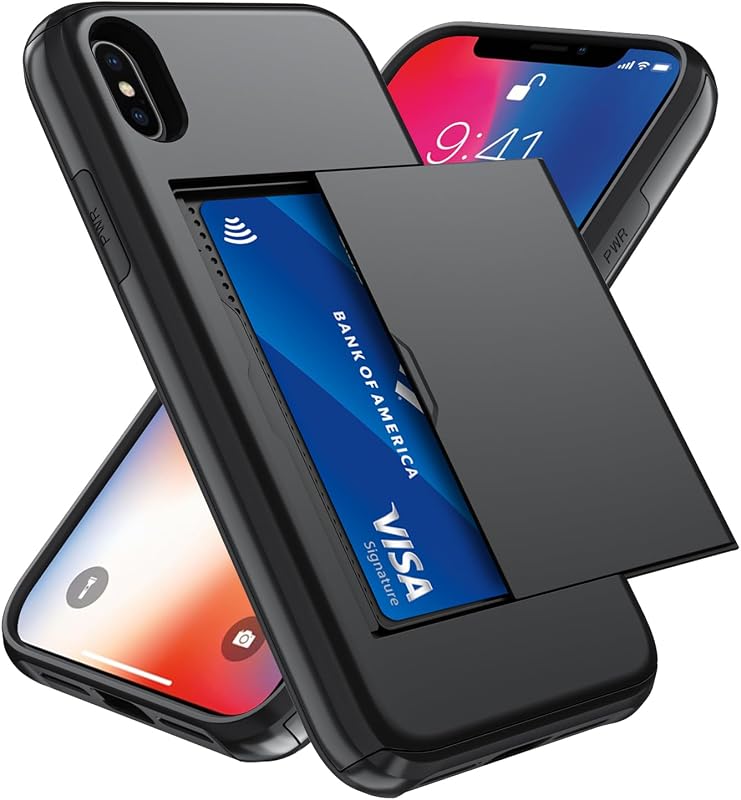
Metal cases are a niche category for a reason: they can offer a strong, structured shell and a distinctive look, but they are not automatically the best all-around choice for everyone. For most buyers, the smartest approach is to treat them as a protection-and-style upgrade with trade-offs, not as a universal solution.
Quick verdict: choose a metal case if you want a rigid, premium-feeling case and you are willing to verify the fit, MagSafe behavior, and weight before buying. Skip it if you prefer the lightest pocket carry, the softest grip, or the most forgiving drop protection from a flexible material.
- Metal cases can improve rigidity and edge protection, but they often add weight.
- Compatibility matters more than looks, especially for MagSafe, ports, and camera clearance.
- Hybrid metal-and-soft-shell designs are often more practical than full metal enclosures.
What Makes a Metal Case Different for iPhone 16 Pro Max?
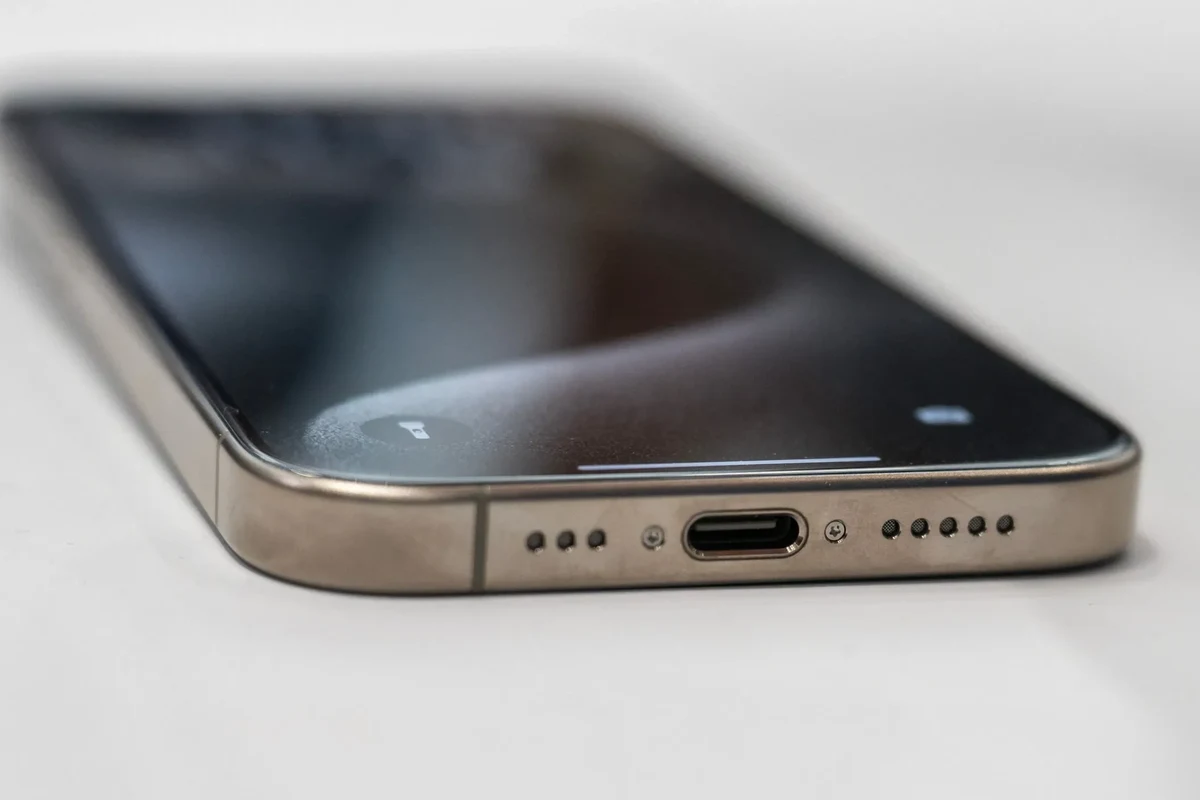
A metal case is different because the outer structure is usually made from aluminum, alloy, or a metal frame paired with another material. That changes how the case feels in the hand, how it handles impacts, and how much bulk it adds to the phone.
How metal cases work for drop protection, rigidity, and heat dissipation
Metal cases help most with rigidity. A stiffer frame can resist twisting, edge dents, and some side impacts better than a very soft case, especially around the corners and camera bump. That said, drop protection depends on the whole design, not just the material. A thin metal shell with little interior cushioning may look tough but still transfer impact force to the phone.
Heat dissipation is often mentioned in metal case marketing, but real-world results vary. Metal can conduct heat, which may help spread warmth across the case surface, yet that does not guarantee lower device temperatures during gaming, navigation, or charging. The actual outcome depends on thickness, internal lining, airflow, and how tightly the case fits.
Who metal cases fit best: heavy-duty users, commuters, and style-focused buyers
These cases tend to fit commuters, travelers, and people who want a more industrial or premium aesthetic. They can also appeal to users who keep their phone in a bag, use it often outdoors, or want a case that feels more rigid than a soft silicone option.
They are less ideal for buyers who prioritize one-handed comfort, featherweight carry, or a very grippy surface. If you frequently use a pop socket, car mount, or magnetic wallet, you should verify that the case’s shape and magnet layout work with your setup. For readers comparing case styles more broadly, our iPhone 16 Pro Max wallet case guide can help you compare protection and carrying preferences.
Key Buying Criteria for iPhone 16 Pro Max Metal Cases in 2025
Before buying, focus on fit, feature support, and finish quality. A flashy case that blocks buttons or weakens charging convenience is usually a poor long-term choice.
Compatibility, MagSafe support, button access, and camera protection
Start with exact model compatibility. Even small differences in camera size, button placement, or port cutouts can affect fit. Confirm that the case is made specifically for the iPhone 16 Pro Max, not just “iPhone 16 series” in general.
- Check the exact phone model and case listing carefully.
- Confirm MagSafe support if you use chargers, wallets, or mounts.
- Verify button responsiveness, camera lip height, and port clearance.
- Review return policy and warranty terms before ordering.
MagSafe support is especially important because many buyers rely on magnetic charging and accessories. Some metal cases include built-in magnets or a metal frame that still works well with MagSafe, while others may reduce attachment strength or disrupt alignment. If MagSafe matters to you, look for explicit compatibility claims from the manufacturer and verify them against current product details.
Camera protection is another key detail. A raised lip or reinforced camera ring can help protect lenses from table contact and minor drops. Just make sure the lip does not interfere with photo quality, flash behavior, or lens cleaning.
Weight, thickness, grip, and pocketability trade-offs
Metal cases usually feel more substantial than silicone, TPU, or aramid-fiber cases. That can be reassuring, but it may also make the phone harder to hold for long periods. If you use your phone for reading, gaming, editing, or video calls, the extra weight can become noticeable.
Thickness matters too. A thicker case may improve impact buffering, but it can also make the phone feel less pocket-friendly and more awkward with wireless chargers or car mounts. Grip is another concern: polished metal can feel slippery, so many better designs use textured sides, coated surfaces, or hybrid materials.
Material quality, finish durability, and scratch resistance
Not all metal cases age the same way. Some finishes resist scratches better than others, and some coatings may show wear around corners, edges, or high-contact areas. If you want a case to stay attractive over time, look for clear information on anodized finishes, coating type, or scratch-resistant surface treatment.
Manufacturer descriptions can be useful, but they are not a substitute for long-term wear data. If a listing does not explain the material, coating, or inner lining, assume durability may vary more than the marketing suggests.
Best Use Cases: Real-World Benefits and Limitations
Metal cases can be a smart fit in specific everyday situations, but they are not automatically the safest or most practical option in every environment. The best choice depends on how you carry and charge your phone.
Everyday protection for drops, bumps, and edge impacts
For daily use, the main benefit is edge protection. A rigid frame can help absorb or redirect impact from desk knocks, bag pressure, and corner bumps. That is useful for people who move between home, office, school, and transit and want a case that feels sturdier than a basic shell.
Still, drop performance depends on the full design. Corner cushioning, internal lining, and raised edges matter as much as the exterior material. A metal case with no soft impact layer may protect against scuffs but not necessarily against hard drops.
Wireless charging, signal considerations, and heat-related trade-offs
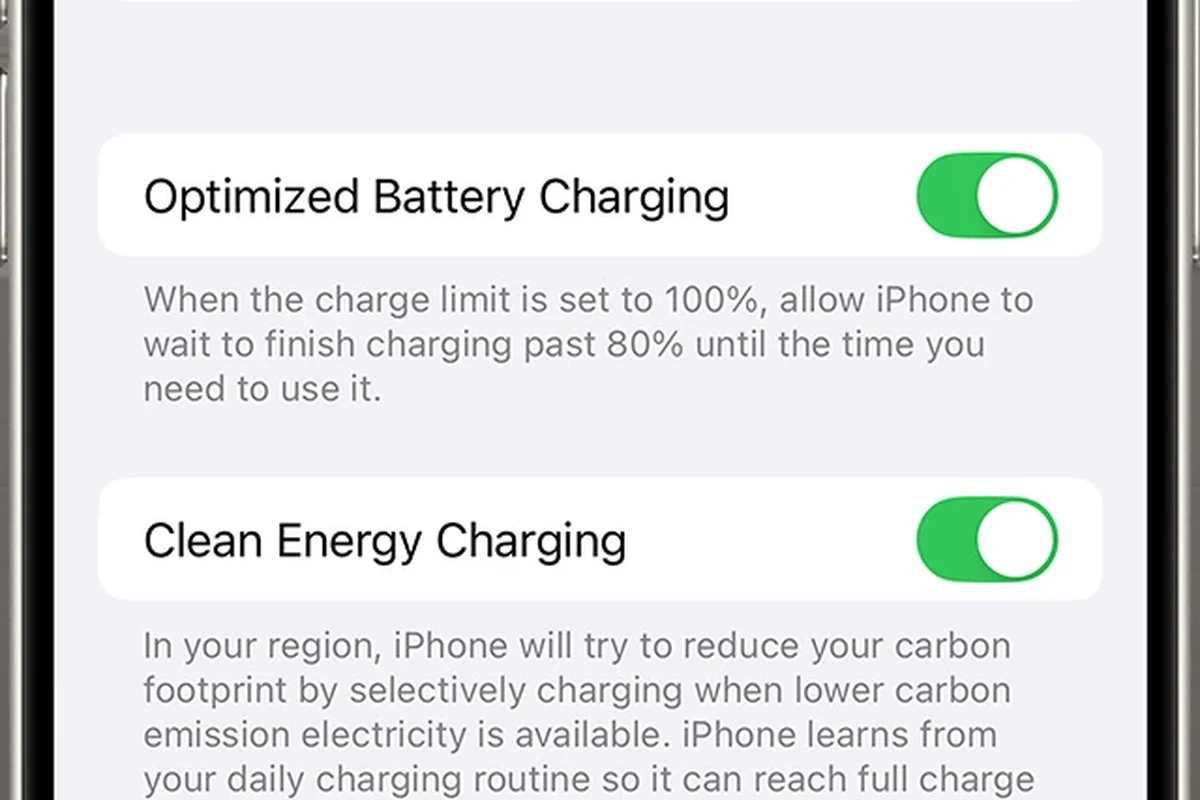
Wireless charging can be a mixed bag with metal cases. Some designs work well because they leave the charging area clear or use a non-metal back panel, while others reduce efficiency or prevent proper alignment. If wireless charging is important, verify compatibility before purchase and check whether the case is specifically designed for it.
Signal performance can also vary by design. A well-made case should not noticeably affect normal phone use, but heavy metal coverage or poor antenna planning can be a concern in some models. If you regularly rely on weak-signal areas, consider reading current product documentation and user feedback carefully.
If you want a broader view of charging behavior across Apple devices, our guide on what charger the iPhone 16 uses is useful for checking cable and adapter compatibility alongside your case choice.
When a metal case may be too heavy, slippery, or overbuilt
Some buyers will find metal cases excessive. If you already dislike bulky phones, a metal shell may add enough weight to become annoying in daily use. If you use your phone one-handed often, the extra mass can be a real comfort issue.
They may also be too slippery if the finish is smooth. In that case, a hybrid case with a metal frame and grippy side material may be a better compromise. Users who value simplicity and lightness may be happier with a non-metal rugged case.
If a case becomes unusually hot during charging, feels loose, blocks airflow near the phone, or shows warping or damage, stop using it and inspect the phone and charger per the manufacturer’s guidance.
How to Choose the Right Metal Case for Your Needs
The best case is the one that matches how you actually use your phone. Think about protection level, daily comfort, and accessory compatibility together instead of chasing the toughest-looking option.
Minimalist vs rugged designs
Minimalist metal cases usually focus on slimness, a clean frame, and scratch-resistant styling. They are better for users who want a premium feel without too much bulk. Rugged designs usually add corner reinforcement, stronger lips, and more internal padding, which helps if your phone lives a harder life in bags, cars, or outdoor settings.
Hybrid metal-and-soft-shell designs are often the best balance for most buyers because they preserve the rigid feel of metal while improving grip and shock absorption. Pure metal styles are best reserved for users who value structure and appearance more than lightness.
Built-in stand, bumper, frame, or full-enclosure styles
Some metal cases include a built-in stand for video calls, streaming, or desk use. That can be useful for remote workers and students, but it also adds moving parts that may wear over time. Bumper and frame styles protect the edges while leaving more of the back exposed, which can reduce bulk.
Full-enclosure styles usually offer the most coverage, but they can also be the heaviest and most restrictive. If you use MagSafe wallets, charging pads, or magnetic mounts, make sure the case design supports those accessories before buying.
Best options by user type: commuters, travelers, creators, and outdoor users
Commuters often benefit from a balanced hybrid case that protects corners and still slides into a pocket or bag easily. Travelers may want something sturdier with reliable camera protection and a secure grip. Creators who mount their phone frequently should pay close attention to MagSafe alignment and stand stability.
Outdoor users should prioritize edge reinforcement, corrosion-resistant finishes, and easy cleaning. If your phone is exposed to dust, sweat, or frequent handling, a case with a durable coating and a simple design is often easier to maintain than a decorative one.
- Choose grip first if you often use the phone one-handed.
- Choose MagSafe support first if you use magnetic chargers or wallets daily.
- Choose a hybrid design if you want a better balance of weight and impact absorption.
Fit, Installation, and Safe Use Guide
Even a good case can underperform if it is installed poorly or mismatched to the phone. A careful fit check helps prevent scratches, button issues, and charging problems.
How to install without scratching the phone or case
Before installation, clean both the phone and the inside of the case so trapped dust does not scratch the finish. Align the phone gently, starting with one side and then pressing the opposite edge into place. Avoid forcing a rigid case onto the device, especially if the fit feels too tight.
Remove dust from the phone and case interior with a soft, dry microfiber cloth.
Match the camera, buttons, and port openings before pressing the case fully into place.
Checking alignment for ports, lenses, speakers, and buttons
After installation, test the buttons for easy press response. Check that the charging port has enough clearance for your cable and that speaker openings are unobstructed. The camera area should have a protective lip without blocking lens access or flash performance.
If anything feels off, remove the case and re-seat it rather than forcing the fit. A misaligned case can create wear points over time and reduce the protection you expected.
Common setup mistakes that reduce protection or comfort
One common mistake is assuming every “metal” case supports MagSafe equally. Another is overlooking weight and grip until after the purchase. People also sometimes keep using a case with cracked edges, loose corners, or worn internal lining, which can make the case less protective and more abrasive.
Stop using damaged cases that no longer fit tightly, expose sharp edges, or interfere with charging and button access. If the case is deforming, cracking, or loosening, replace it rather than relying on it for protection.
Care, Maintenance, and Long-Term Value
A metal case can last a long time if you clean it properly and inspect it regularly. Good maintenance also helps preserve the finish and prevents small issues from becoming bigger problems.
Cleaning methods for metal finishes, coatings, and inner linings
Use a soft microfiber cloth for routine cleaning. If the manufacturer allows it, a lightly damp cloth can help remove fingerprints and grime, but avoid harsh chemicals that may damage coatings or printed details. For cases with inner linings, check that dust and debris do not build up where the phone contacts the case.
If your case has a coated finish, test any cleaning method on a small, hidden area first when possible. A gentle routine is usually safer than aggressive scrubbing.
Storage, corrosion prevention, and signs it is time to replace the case
Store the case in a dry place away from prolonged humidity, especially if it uses exposed metal parts or decorative hardware. Corrosion is less likely with well-finished products, but moisture, sweat, and salt exposure can still affect appearance over time.
Replace the case if you notice loose parts, thinning padding, sharp wear points, or a fit that no longer feels secure. A case should protect the phone, not become a source of scratches or instability.
Warranty clues and what to verify before buying
Before buying, review the manufacturer’s warranty terms, return window, and replacement policy. Some brands cover defects in materials or workmanship, but not cosmetic wear or damage from misuse. If the listing is vague, confirm the policy directly on the official product page or with the retailer.
It is also smart to check whether the manufacturer provides current compatibility notes, especially if you plan to use MagSafe accessories or a screen protector. That extra step can prevent mismatched expectations after delivery.
Final Recommendation: Which iPhone 16 Pro Max Metal Case Is Worth It?
The best iPhone 16 Pro Max metal case is the one that solves your actual problem without creating a new one. For most people, that means a hybrid metal case with reliable edge protection, decent grip, and verified MagSafe compatibility rather than a fully rigid all-metal shell.
Best overall value, best protection, and best premium pick criteria
Best overall value: choose a hybrid metal case with a strong fit, clear button access, and a finish that resists everyday wear. Best protection: choose a rugged design with reinforced corners, raised camera protection, and internal cushioning. Best premium pick: choose a case with excellent machining, durable coating, and a design that still works cleanly with your charging and accessories.
Transparent verdict on who should buy metal cases and who should skip them
Buy a metal case if you want a more rigid, premium-feeling option and you are willing to pay attention to weight, grip, and accessory compatibility. Skip it if you want the lightest possible carry, the softest hand feel, or the simplest wireless charging experience. If you are still comparing styles, our case compatibility guide can help you avoid fit mistakes, and our MagSafe power bank guide is useful if charging convenience matters as much as protection.
Frequently Asked Questions
They can be good for edge rigidity and scratch resistance, but protection depends on the full design. Look for corner cushioning, raised lips, and a secure fit instead of relying on the metal material alone.
Some do, but not all metal cases are equally compatible. Confirm the manufacturer’s MagSafe claim and check whether the case is designed to support wireless charging without alignment issues.
Many are heavier than silicone or TPU cases, and the extra weight may be noticeable in daily use. Hybrid designs are often a better balance if you want less bulk.
Check that the buttons press easily, the ports line up, and the camera lip does not block lenses or flash. If the case feels too tight or loose, do not force it.
Use a microfiber cloth for routine cleaning and only use a lightly damp cloth if the manufacturer allows it. Avoid harsh chemicals that can damage coatings or finishes.
Skip one if you want the lightest carry, maximum grip, or the simplest charging setup. A softer or hybrid case may be more comfortable for everyday use.