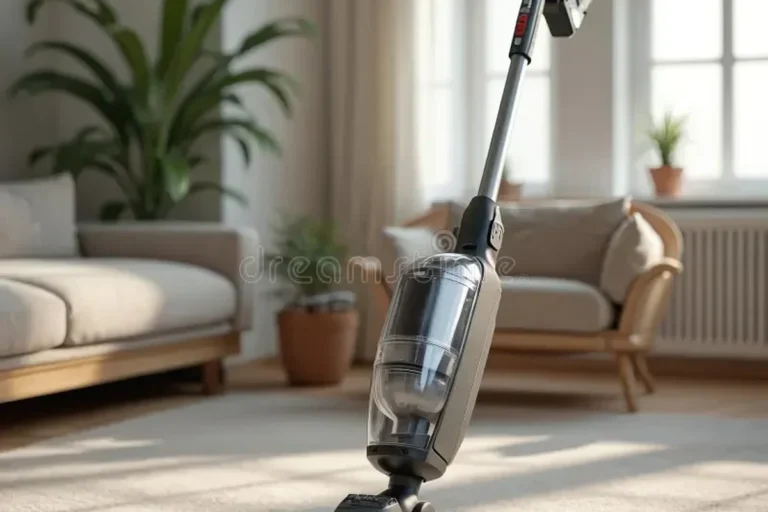
Best Craftsman Stick Vacuum Parts for Easy Repairs
The best Craftsman stick vacuum parts to replace first are the filter, battery, brush roll, and any worn seals or cracked connectors. Matching the exact model number matters more than choosing the cheapest part.
If your Craftsman stick vacuum has weak suction, shorter runtime, or a loose cleaning head, the best first repairs are usually the filter, battery, brush roll, seals, or a damaged wand. The right craftsman stick vacuum parts can restore everyday cleaning performance without replacing the whole vacuum.
- Start with airflow parts: Filters and seals often restore suction faster than major repairs.
- Check model fit carefully: Craftsman stick vacuum parts are not universally interchangeable.
- Replace power parts when runtime drops: Battery issues usually show up as shorter cleaning sessions.
- Inspect the floor head: Brush rolls and nozzle parts affect pickup on carpet and hard floors.
- Stop using damaged power gear: Swollen batteries, frayed cords, and overheating chargers need immediate replacement.
Best Craftsman Stick Vacuum Parts for Easy Repairs: What to Replace First
Quick answer: the most useful replacement parts for restoring suction, runtime, and maneuverability
Start with the parts that affect airflow and power delivery: filters, pre-filters, batteries, chargers, and any cracked seals or loose-fit connections. If pickup on carpet or along edges is the problem, the brush roll and nozzle assembly are usually the next places to check.
How this guide helps homeowners choose the right Craftsman stick vacuum parts in 2026
This guide focuses on practical repair decisions, not guesswork. It explains how the main components work together, what usually wears out first, and which compatibility details matter most before you buy replacement parts.
How Craftsman Stick Vacuum Parts Work Together in a Typical Repair
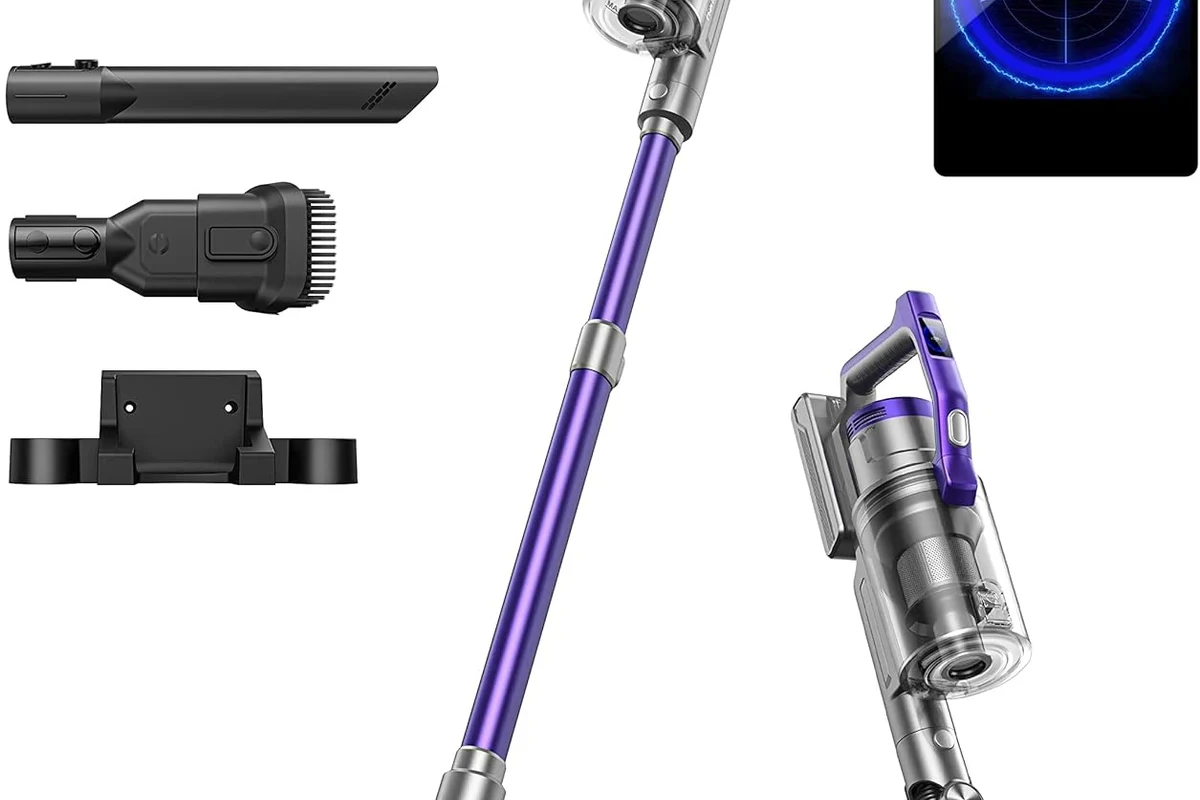
Core components: battery, charger, filter, brush roll, dustbin, wand, and seals
A stick vacuum depends on a chain of connected parts. The battery powers the motor, the charger restores the battery, the filter protects the motor while maintaining airflow, the brush roll lifts debris, and the dustbin, wand, and seals keep suction moving through the system.
A small air leak at a bin latch, gasket, or wand joint can reduce cleaning performance as noticeably as a clogged filter, especially on lightweight cordless vacuums.
How wear in one part can affect suction, runtime, airflow, and cleaning performance
These parts are interdependent. A dirty filter can make the motor work harder, a weak battery can reduce brush roll speed, and a cracked dustbin or loose seal can let air escape before it reaches the floor tool.
That is why a vacuum that seems “underpowered” may not have a single failure point. In many cases, the fix is a combination of cleaning, replacement, and rechecking the fit of each connection.
Which parts are most likely to fail first with regular home use
For most homes, the first parts to show wear are filters, pre-filters, batteries, and brush rolls. Homes with pets, carpet, fine dust, or frequent quick cleanups may also see faster wear in seals, dustbins, and nozzle joints.
If you want a broader sense of cordless vacuum part wear patterns, our guides on the cordless vacuum replaceable battery and which cordless vacuum is best for pet hair can help you compare common failure points across use cases.
Best Replacement Parts to Prioritize for Performance and Value
Filters and pre-filters: restoring airflow and reducing motor strain
Filters are often the best value replacement because they directly affect airflow. If suction is weak even after emptying the bin, a clogged or worn filter can be the reason the vacuum feels tired or overheats sooner than expected.
Check whether the filter is washable, replaceable, or both. A washable filter still needs full drying time before reinstalling, and a damp filter can hurt airflow and create odor.
Brush rolls and belts: improving pickup on carpet, rugs, and hard floors
A worn brush roll can leave debris behind, especially on rugs and carpet edges. If the vacuum still powers on but the pickup feels uneven, inspect the bristles, end caps, and any drive components that transfer motion to the brush.
Some stick vacuums use a direct-drive head rather than a separate belt, so the exact repair part depends on the model. Always verify the floor-head design in the manual or parts diagram before ordering.
Batteries and chargers: when runtime loss points to power replacement
If runtime has dropped sharply, the battery may be nearing end of life. A charger issue is also possible, but it is usually easier to rule out the battery first by checking for proper charging behavior, heat, and any indicator lights described in the manual.
Stop using any battery or charger that shows swelling, overheating, melted plastic, frayed wiring, or a burnt smell. Follow the manufacturer’s replacement and disposal guidance rather than trying to repair battery cells or modify the charger.
Dustbins, seals, and gaskets: fixing leaks that reduce suction
A cracked dustbin, worn latch, or flattened gasket can create a suction leak that is easy to miss. These are often small parts, but they matter because a vacuum only cleans well when the airflow path stays sealed from nozzle to motor.
If the bin no longer locks tightly or the gasket feels brittle, replacement can be more effective than repeated cleaning alone.
Wands, nozzles, and attachments: replacing cracked or loose fit components
Loose wands and cracked attachments can make the vacuum harder to steer and can also cause intermittent suction loss. This is especially common when a vacuum is stored in a crowded closet or bumped during charging and unloading.
For users comparing different cordless platforms, our related coverage of the Simplicity cordless vacuum and Britech cordless vacuum shows how attachment fit and replacement availability can vary across brands.
Fit, Compatibility, and Sizing Checks Before You Buy
Model number matching and why Craftsman stick vacuum parts are not always universal
Craftsman stick vacuum parts are not automatically interchangeable across every model. Even when two parts look similar, the latch shape, electrical contact layout, or head connector can differ enough to make the part unusable.
Find the exact model number on the vacuum body, battery, or manual, then compare it against the official parts list whenever possible.
Dimensions, connector shape, mounting style, and filter size to verify
Before buying, verify the part’s dimensions, connector shape, and mounting style. For filters, check height, diameter, rim shape, and whether the filter seats inside a cage, clips into a lid, or twists into place.
- Check the exact Craftsman model number and the part diagram
- Confirm filter dimensions, connector shape, and mounting style
- Verify whether the part includes seals, screws, or adapters
- Review return policy in case the fit is close but not exact
Battery and charger specifications to confirm: voltage, wattage, and connector type
Battery and charger compatibility should be checked carefully. Confirm the voltage, connector type, and any model-specific charging requirements listed by the manufacturer, since a charger with the wrong output or plug style can fail to charge correctly or create safety problems.
If the listing does not clearly state compatibility, treat it as unverified until you match it to the official manual or a trusted parts diagram.
What to inspect in listings: cable quality, material durability, and included hardware
Look for clear details about cable insulation, housing material, latch quality, and whether screws, gaskets, or adapters are included. Good listings usually explain what is in the package instead of relying on broad “fits most models” wording.
Retailer photos can be helpful, but they should not replace model matching. If a listing uses stock images only, confirm the exact part number and included accessories before ordering.
What to Look for in a Quality Replacement Part in 2026
Build materials, seal quality, and airflow design
A quality replacement part should feel solid, fit cleanly, and preserve airflow rather than obstruct it. For filters and seals, the most important signs are consistent material thickness, smooth edges, and a snug fit without forcing the part into place.
Noise, vibration, and cleaning efficiency trade-offs with aftermarket parts
Aftermarket parts can work well, but they may change noise levels, vibration, or brush feel compared with the original component. A slightly different brush roll height or seal stiffness can affect how the vacuum glides on floors or how tightly it locks into the wand.
That does not automatically make aftermarket parts poor choices. It just means the best option is the one that matches your model accurately and preserves the vacuum’s original airflow path.
Consumables versus long-life parts: which upgrades are worth paying for
Filters, pre-filters, and brush rolls are consumables, so value matters more than premium branding in many cases. Batteries, chargers, and major housing parts are longer-life components, so it is worth prioritizing fit, safety, and warranty support over the lowest price.
Warranty details to verify before purchase
Check whether the replacement part has its own warranty or whether it affects the vacuum’s original warranty terms. Warranty coverage can vary by retailer, region, and part type, so review the listing and the manufacturer’s policy before you install anything.
Real-World Benefits, Limitations, and Common Mistakes
Expected gains: stronger suction, longer runtime, better edge cleaning, and easier handling
The best-case benefit of replacing worn Craftsman stick vacuum parts is a noticeable return of everyday cleaning performance. Homeowners often notice better pickup, less strain on the motor, smoother steering, and fewer interruptions from dying batteries or loose attachments.
Budget repair: replace the filter first if suction has dropped but the battery still charges normally. It is usually the lowest-cost way to restore airflow, though it will not fix a damaged motor or cracked housing.
Common mistakes: buying by appearance only, ignoring voltage, and skipping filter maintenance
A common mistake is assuming a part fits because it looks similar in photos. Another is replacing the battery or charger without checking voltage and connector details, which can lead to wasted money or unsafe use.
Skipping filter maintenance is also a frequent problem. Even a new vacuum can perform poorly if the filter is clogged, installed incorrectly, or not fully dry after washing.
Limits of replacement parts: when a repair will not fix motor, board, or housing damage
Parts replacement cannot solve every issue. If the motor is failing, the control board is damaged, or the main housing is cracked in a structural way, a filter or battery swap may only improve the symptom briefly, not the root cause.
Stop using a vacuum if the battery compartment is damaged, the charger runs unusually hot, or the housing no longer holds parts securely. In those cases, follow the official manual or contact the manufacturer for service guidance.
Evidence limitations and why performance can vary by model and household conditions
Performance after a repair depends on the exact model, floor type, dust load, pet hair, and how well the replacement part matches the original. Because those variables differ from home to home, no single part choice guarantees the same result for every user.
Safe Use, Care, and Storage After the Repair
Battery safety: charging limits, heat checks, and signs a battery should be replaced
After installing a new battery, follow the manufacturer’s charging instructions closely. If the battery becomes hot, swells, or stops holding a charge normally, stop using it and replace it according to the official guidance.
Charger safety: inspecting the cord, plug, and rated wattage before use
Inspect the charger cord, plug, and housing before every charging session. If the cable is cracked, the plug is loose, or the charger is not rated for the vacuum’s battery system, do not use it until the issue is resolved.
Keep the charging area dry, open, and free of clutter. Heat buildup is more likely when a charger is covered, bent sharply, or plugged into an unstable power strip.
Routine maintenance: cleaning filters, emptying the bin, and checking seals
Even after a successful repair, routine maintenance matters. Empty the dustbin before it overfills, clean the filter on the schedule recommended in the manual, and inspect seals and latches whenever suction starts to feel weaker.
Storage tips to protect parts from dust, moisture, and bending damage
Store the vacuum and spare parts in a dry place away from direct heat, standing water, and heavy pressure. Avoid bending the wand or stacking objects on top of attachments, since small cracks can create bigger fit problems later.
Final Recommendation: Which Craftsman Stick Vacuum Parts Offer the Best Value
Best choice for budget repair, best choice for performance recovery, and best choice for long-term reliability
For budget repairs, filters and pre-filters usually offer the best value because they are inexpensive relative to the performance improvement they can bring. For stronger performance recovery, batteries and brush rolls are the most important when runtime or pickup has clearly declined. For long-term reliability, seals, dustbins, and properly matched chargers matter because they protect the entire cleaning system.
Who should replace parts now versus consider a full vacuum replacement
Replace parts now if the vacuum still powers on, the housing is intact, and the problem is limited to airflow, battery life, or fit. Consider replacing the whole vacuum if the motor, control board, or main body is damaged, or if multiple major parts are failing at the same time.
Transparent verdict on when Craftsman stick vacuum parts are worth the investment
Craftsman stick vacuum parts are worth the investment when the repair is targeted, the model match is confirmed, and the vacuum’s core structure is still sound. The smartest approach is to start with the part most likely to solve the problem, verify compatibility before buying, and stop once the repair cost no longer makes sense compared with a new vacuum.
Frequently Asked Questions
Start with the filter, pre-filter, battery, and any worn seals or loose connections. If pickup is still poor, check the brush roll and floor head next.
Match the exact model number and compare it with the official parts list or manual. Also verify dimensions, connector shape, mounting style, and any included hardware.
If runtime has dropped sharply but the charger appears normal, the battery is often the first part to suspect. Check the battery for heat, swelling, and charging behavior before replacing the charger.
Yes. A clogged or worn filter can reduce airflow, increase motor strain, and make the vacuum feel much less powerful even if the battery is fine.
They can be, as long as the fit, connector type, and model compatibility are clearly verified. Quality varies, so check material durability, seal quality, and warranty details before buying.
If the motor, control board, or main housing is damaged, a parts swap may not solve the problem. A full replacement is often more sensible when several major components are failing at once.