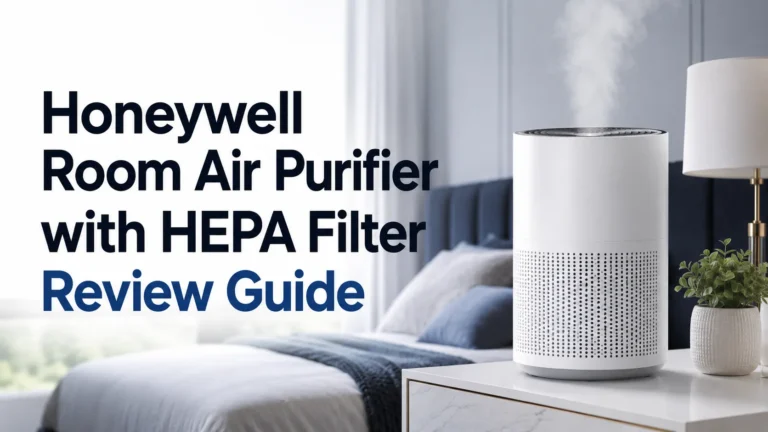
Best HEPA Air Purifier with Charcoal Filter for Clean Air
A HEPA air purifier with charcoal filter is the best choice when you want both particle removal and odor reduction in one device. It is most useful for allergy relief, pet odors, cooking smells, and small shared spaces.
If you want one purifier that can handle both airborne particles and stubborn smells, a HEPA air purifier with charcoal filter is usually the right place to start. It combines particle filtration with odor-focused carbon media, which makes it more versatile than a standard HEPA-only unit for many homes.
- HEPA handles particles: It targets dust, pollen, pet dander, and similar airborne debris.
- Charcoal handles odors: It helps with cooking smells, pet odors, smoke, and some gases.
- Carbon depth matters: Thin odor pads usually do less than deeper activated carbon filters.
- Room size is critical: A purifier that is too small will struggle to clean air effectively.
- Maintenance affects value: Replacement filters, noise, and placement all change real-world performance.
Best HEPA Air Purifier with Charcoal Filter: What It Does and Whether You Need One
The main appeal of this type of purifier is simple: HEPA helps with dust, pollen, pet dander, and similar particles, while charcoal helps reduce odors and some gases. That combination is especially useful in rooms where the air feels “stale” even after you clean.
Quick answer: the best choice for most homes
For most buyers, the best fit is a purifier with true HEPA filtration, a meaningful amount of activated charcoal, and a room rating that matches the space where it will run most often. If odor control is a priority, the carbon stage matters as much as the HEPA stage, so a thin “charcoal layer” is usually not enough for strong smells.
Why HEPA plus charcoal is different from HEPA alone
HEPA filters are designed to capture tiny airborne particles, but they do not do much for odor molecules or many volatile organic compounds, often called VOCs. Activated charcoal works differently: it adsorbs certain gases and smells onto its porous surface, which is why the combination can feel much more complete in real rooms.
That said, charcoal is not magic. If the carbon bed is too shallow, it may help with light odors but struggle with heavy cooking smells, pet odors, or smoke. For more context on home setup and compatibility, readers often find it useful to compare air-cleaning decisions with other household gadget choices like smart home compatibility basics or practical buying guidance such as device compatibility checks.
How a HEPA Air Purifier with Charcoal Filter Works
These purifiers usually move room air through multiple stages. A pre-filter catches larger lint and hair, the HEPA stage targets fine particles, and the charcoal stage addresses odors and some gaseous pollutants.
HEPA filtration for dust, pollen, and pet dander
HEPA is the part most people already know. It is the stage that helps with common triggers like dust, pollen, pet dander, and other small particles that circulate in bedrooms, living rooms, and shared spaces. For allergy-sensitive households, this is often the most noticeable benefit.
Activated charcoal for odors, smoke, and VOCs
Activated charcoal has a highly porous structure that gives it a large surface area relative to its size. That makes it useful for reducing cooking smells, litter box odors, light smoke, and some chemical odors from cleaning products or new furniture.
Carbon filters work best when air has enough contact time with the media, which is one reason deeper carbon beds usually outperform thin odor pads.
What this combo can and cannot remove
This combination can improve comfort, but it is not a cure-all. It can reduce many airborne particles and some odors, yet it cannot remove every gas, eliminate all smoke byproducts, or fix a source problem like poor ventilation, mold, or a leaky appliance.
Think of it as one layer in a cleaner-air plan. Opening windows when outdoor air is safe, using exhaust fans, cleaning filters on schedule, and controlling the source of odors all matter too.
Who This Type of Air Purifier Fits Best in 2025
This category makes the most sense when a room needs both particle control and odor control. If you only care about dust and pollen, HEPA alone may be enough. If smells are part of the problem, charcoal becomes much more valuable.
Best for allergy sufferers, pet owners, and apartment dwellers
People with seasonal allergies often benefit from a purifier that can reduce the particles that settle on bedding and furniture. Pet owners usually need help with dander and everyday odors, while apartment dwellers may appreciate a unit that can handle cooking smells, hallway odors, and limited ventilation.
- Match the purifier to the room where you spend the most time, not just the largest room in the home.
- Look for filter replacement reminders if you are likely to forget maintenance.
- If pet odor is a concern, prioritize carbon depth over decorative features.
Best for kitchens, bedrooms, and smoke-prone spaces
Kitchens benefit from odor reduction after cooking, especially in open-plan homes where smells spread quickly. Bedrooms are a strong fit because quiet operation and allergen reduction both matter there. Smoke-prone spaces also benefit, although heavy smoke usually requires stronger ventilation and source control in addition to filtration.
When a different purifier type may be a better fit
If your main issue is very fine particle capture with no odor problem, a simpler HEPA purifier may be more cost-effective. If the room is very large or the odor source is strong and constant, you may need a higher-capacity purifier, better ventilation, or a model with a much deeper carbon stage than typical compact units provide.
Key Specs to Compare Before Buying
Marketing language can be confusing, so focus on the specs that affect real-world performance. Room coverage, CADR, filter depth, replacement cost, and noise are usually more useful than glossy claims or app features.
Room size coverage and CADR ratings
Room coverage tells you the approximate space the purifier is designed to handle, while CADR, or clean air delivery rate, helps compare how quickly it can move filtered air. Both matter because a purifier that is too small for the room may run constantly without making a noticeable difference.
Filter quality, carbon depth, and replacement costs
Not all charcoal filters are equal. A shallow carbon sheet may help a little, but a deeper carbon bed is usually more effective for persistent odors. Before buying, check how often the filters need replacement and whether the cost stays reasonable over time.
Noise levels, fan speeds, and sleep mode performance
Noise matters more than many shoppers expect. A purifier that sounds fine in a daytime living room may be distracting at night, so look for multiple fan speeds and a sleep mode that actually lowers sound and light output. If a model only performs well at its loudest setting, it may not suit a bedroom.
Energy use, smart features, and warranty details to verify
Some purifiers include auto mode, air-quality sensors, app control, or voice assistant support, but these features vary by model and firmware. Verify whether the app is required for basic operation, how privacy permissions are handled, and whether the warranty covers the parts you care about, especially the motor and electronics.
Always follow the manufacturer’s manual for placement, filter installation, and cleaning. If a purifier is damaged, overheating, making unusual noises, or giving off a burning smell, stop using it and check the warranty or support guidance.
Top Benefits and Real-World Use Cases
The best reason to buy this type of purifier is that it solves two common indoor-air problems at once. That can make a noticeable difference in daily comfort, especially in homes where cooking, pets, and shared airflow all overlap.
Reducing odors from cooking, pets, and smoke
Odor control is the clearest advantage of adding charcoal. It can help reduce lingering food smells after frying, limit the “pet room” feeling in smaller homes, and soften light smoke odors that otherwise hang around for hours.
Improving comfort during allergy season
HEPA filtration can help reduce the buildup of airborne particles that aggravate allergies. That does not replace medical care, but it can support a more comfortable bedroom, home office, or living area when pollen counts rise.
Supporting cleaner air in shared living spaces
Shared spaces often collect a mix of particles and odors from cooking, shoes, pets, and everyday traffic. A purifier with both filter types can be a practical fit for roommates, families, and anyone who wants a more neutral-smelling room without relying on sprays or fragrance-heavy products.
Limitations, Trade-Offs, and Common Buying Mistakes
Many buyers focus on the word “HEPA” and overlook the charcoal portion, or they assume any carbon filter will handle strong odors. That is where disappointment usually starts.
Why thin carbon filters often underperform on strong odors
Many compact purifiers use a thin carbon layer that is better at light odor reduction than at serious smell control. If you cook often, have pets, or want smoke reduction, look for a purifier that clearly describes the amount and design of its carbon stage rather than one that only mentions it in passing.
Oversizing or undersizing the purifier for the room
Choosing the wrong size is one of the most common mistakes. A unit that is too small may never feel effective, while an oversized model may cost more and take up more space than needed. Room layout also matters, especially in open-plan homes where air moves differently than the square footage suggests.
Ignoring filter replacement schedules and ongoing costs
Replacement filters are part of the real ownership cost. A purifier with a lower upfront price can become expensive if the HEPA and charcoal filters need frequent replacement. Check the manufacturer’s recommended schedule and make sure spare filters are easy to find.
Overlooking noise, airflow direction, and placement
Even a good purifier can underperform if it is tucked into a corner, blocked by furniture, or placed where airflow cannot circulate. Fan direction, intake clearance, and room placement all affect how well the unit cleans the air you actually breathe.
Before using any purifier, confirm that the filters are seated correctly, the intake and outlet are unobstructed, and the power cord is in good condition. If a filter is damaged or the unit is unstable, follow the manufacturer’s replacement or support instructions.
Safe Setup, Maintenance, and Long-Term Care
Good maintenance keeps performance closer to what the manufacturer intended. It also helps the purifier stay quieter, smell fresher, and last longer.
Where to place the purifier for best airflow and safety
Place the unit where it can pull in and push out air without obstruction. In most rooms, that means some open space around the intake and outlet, not behind curtains, inside cabinets, or pressed directly against furniture. Keep it away from water sources and follow the manual for any minimum clearances.
How often to replace HEPA and charcoal filters
Replacement timing varies by model, air quality, and usage pattern. Homes with pets, smoke, or heavy cooking may need more frequent filter changes than a lightly used guest room. Use the manufacturer’s schedule as the baseline, then adjust based on odor return, airflow reduction, or indicator lights if the model includes them.
Cleaning the exterior, pre-filter, and sensors
Many units benefit from regular dusting of the exterior and gentle cleaning of the washable pre-filter, if included. Air-quality sensors can also collect dust over time, which may affect auto mode behavior, so check the manual before cleaning any sensor opening.
If your purifier has a washable pre-filter, cleaning that layer on schedule can help the main HEPA and charcoal filters last longer.
Storage tips for unused units and spare filters
If you store the purifier for a season, keep it in a dry place and protect the filters from moisture, dust, and strong odors. Spare filters should stay sealed until needed, because activated carbon can absorb ambient smells even before installation.
Final Verdict: How to Choose the Best HEPA Air Purifier with Charcoal Filter
The best HEPA air purifier with charcoal filter is the one that matches your room size, handles your actual odor problem, and keeps ownership costs reasonable. For many homes, that means a true HEPA unit with a deeper carbon stage, sensible noise levels, and easy-to-find replacement filters.
Best value, best for large rooms, and best for odor control
Best value usually means a well-sized purifier with straightforward controls and affordable filter replacements. Best for large rooms means stronger airflow and a room rating that fits the space without forcing the fan to stay on high all day. Best for odor control means prioritizing the charcoal stage over extras like flashy lighting or app features.
What to prioritize if you want cleaner air without wasted spend
Focus first on fit, then filtration, then maintenance cost. If the purifier is too small, has thin carbon media, or requires expensive filters that you will avoid replacing, it will not deliver much value over time.
Transparent recommendation based on room size, odor level, and budget
If you want a practical all-around pick, choose a HEPA purifier with a clearly described charcoal stage and a room rating that matches your largest everyday space. If odor control is your top concern, spend more on carbon depth; if allergies are the main issue, prioritize HEPA performance and quiet operation. Always confirm current specifications, replacement filter pricing, warranty terms, and app requirements before buying.
Most households that want a balanced mix of particle filtration and odor reduction, with the main limitation being that strong smoke or heavy odors may require a higher-capacity model or better ventilation.
Frequently Asked Questions
It is a strong fit for allergy sufferers, pet owners, apartment dwellers, and anyone who wants odor control in the same unit. It works especially well in bedrooms, kitchens, and shared living spaces.
Check the manufacturer’s room coverage and compare it with your actual room size and layout. If the room is open-plan or has strong odors, it is usually safer to size up.
Activated charcoal can reduce many odors and some gases, including some VOCs. It may help with light smoke odors, but heavy smoke usually needs stronger ventilation and source control too.
Replacement timing varies by model, air quality, and usage pattern. Follow the manufacturer’s schedule, then replace sooner if airflow drops, odors return, or the filter indicator turns on.
No, smart features are optional and vary by model. They can be convenient for scheduling, monitoring, or remote control, but basic cleaning performance matters more.
Verify room coverage, CADR, true HEPA filtration, carbon depth, filter replacement cost, noise levels, warranty terms, and whether any app or sensor features are required. Also confirm current specs in the manual or product listing before purchasing.