Do Wall Chargers Work With All Devices?
No, wall chargers do not work with all devices. While many modern chargers support a wide range of gadgets, compatibility depends on the charging port, power output, charging protocol, and cable being used.
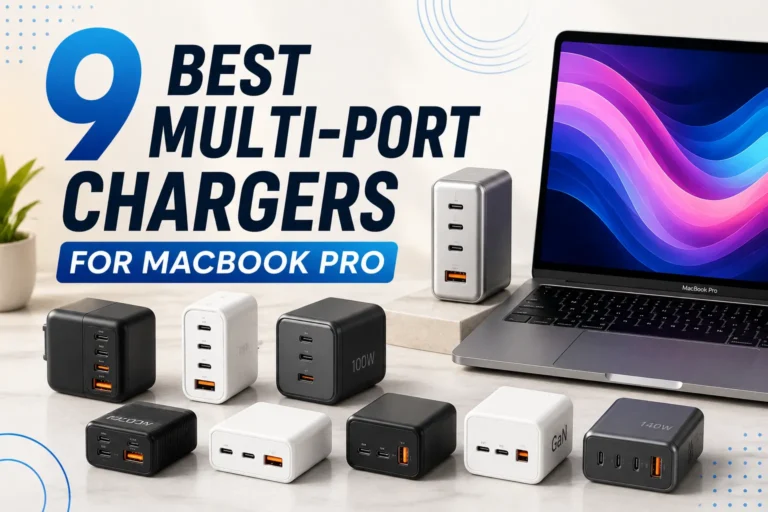
Most modern wall chargers work with many devices, including smartphones, tablets, earbuds, power banks, and some laptops. However, not every charger works with every device because charging requirements vary.
As Ethan Walker, I regularly test smartphones, USB-C cables, chargers, laptops, gaming accessories, and power banks. In my experience, many wall chargers are versatile, but true compatibility depends on matching the correct power and charging standards.
Introduction
Many people assume any wall charger can charge any device.
That is not always true.
Modern charging technology has improved compatibility, but devices still have different charging needs. Understanding those differences helps you charge safely and efficiently.
Why Some Chargers Work and Others Do Not
Several factors determine compatibility.
- Charging port type
- Power output
- Charging protocol
- Cable quality
- Device requirements
Most modern devices automatically negotiate power levels with compatible chargers.
Device Compatibility Overview
| Device | Typical Compatibility |
|---|---|
| Smartphones | High |
| Tablets | High |
| Wireless Earbuds | High |
| Power Banks | High |
| Laptops | Depends on Wattage |
| Gaming Devices | Depends on Protocol |
What Makes a Charger Compatible?
A compatible charger provides the correct amount of power and supports the device’s charging standard.
USB-C Power Delivery has improved compatibility between phones, tablets, and laptops.
A higher-watt charger can usually charge lower-power devices safely because the device only draws the power it needs.
Common Charging Standards
| Charging Standard | Common Uses |
|---|---|
| USB-C Power Delivery | Phones, tablets, laptops |
| USB-A Charging | Older devices |
| Fast Charging Protocols | Modern smartphones |
| Manufacturer-Specific Systems | Some proprietary devices |
More information about charging standards is available from USB-IF.
When Compatibility Problems Occur
Using an incompatible charger may result in slow charging, charging interruptions, or failure to charge.
Common causes include:
- Wrong connector type
- Insufficient wattage
- Unsupported charging protocol
- Damaged cable
- Faulty charger
Many charging issues are caused by low-quality cables rather than the charger itself.
Compatibility Checklist
- Verify connector compatibility
- Check charger wattage
- Use a quality charging cable
- Confirm charging protocol support
- Inspect accessories regularly
Devices That Commonly Share Chargers
When I test chargers, I always check both wattage and protocol support. Two chargers may look identical but deliver very different results.
Pros and Cons of Universal Charging
- Fewer chargers to carry
- Less cable clutter
- Convenient travel setup
- Works with many gadgets
- Simple charging experience
- Not all devices use the same standards
- Some laptops require higher power
- Older devices may need adapters
- Charging speeds can vary
How to Check if a Charger Will Work
Verify that the charger and device use compatible connectors.
Make sure the charger provides enough wattage.
Look for supported charging protocols.
A quality cable improves charging performance.
Troubleshooting Compatibility Issues
| Problem | Possible Solution |
|---|---|
| Slow charging | Use a higher-output charger |
| No charging | Check cable compatibility |
| Frequent disconnects | Inspect the cable |
| Laptop not charging | Verify wattage requirements |
| Overheating | Inspect charger and cable condition |
Safety Tips for Using Wall Chargers
| Safety Tip | Benefit |
|---|---|
| Use certified chargers | Improves reliability |
| Replace damaged cables | Supports safe charging |
| Keep chargers cool | Reduces overheating |
| Inspect accessories regularly | Prevents common issues |
| Follow device guidelines | Improves compatibility |
Helpful resources include Apple Support, USB-IF, Battery University, FTC, and ENERGY STAR.
Frequently Asked Questions
No. Compatibility depends on ports, power requirements, charging standards, and cables.
Yes. Many modern chargers can charge different devices if they support compatible standards.
No. Most modern devices only draw the power they need.
Different devices may require different connectors, power levels, or charging protocols.
USB-C chargers offer broad compatibility, but not every USB-C charger supports the same power levels.
Yes, although charging may be slower if the charger provides less power than the tablet requires.
Review the device specifications, charger output, cable type, and charging standard support.
Related Guides
- Are wall chargers compatible with all devices
- How USB-C charging works
- Can fast chargers damage batteries
- How many watts does a laptop charger need
- How to choose a charging cable
Conclusion
So, do wall chargers work with all devices? No. While many modern chargers support a wide range of electronics, compatibility depends on the connector, wattage, charging standard, and cable.
Before using any charger, check the device requirements and verify compatibility.
A few simple checks can help you charge safely, efficiently, and without frustration.
- Not all wall chargers work with every device
- Power output matters
- Charging standards affect compatibility
- USB-C improves device support
- Quality cables are important
Many wall chargers work with multiple devices, but true compatibility requires the correct connector, power output, charging protocol, and cable.