Best Air Purifier in Bedroom for Cleaner Sleep Tonight
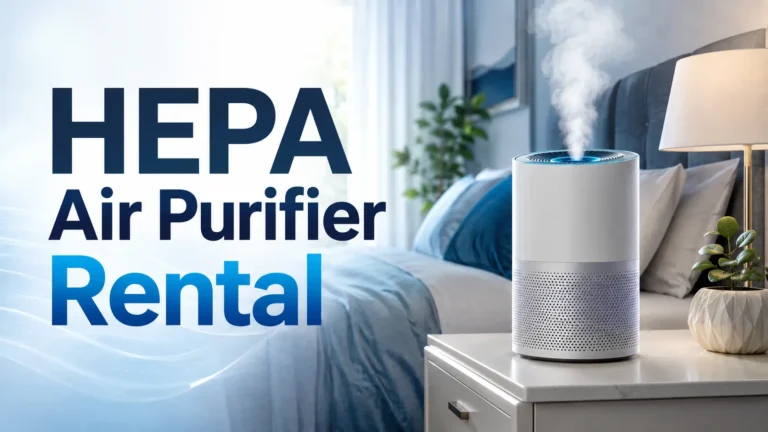
Choose a true-HEPA air purifier that is sized for your bedroom and quiet enough to run all night. The best pick is usually the one with low noise, simple maintenance, and filter costs you can live with.
If you want the best air purifier in bedroom spaces, choose a quiet true-HEPA model that matches your room size and can run overnight without becoming a distraction. The right unit should fit your bedroom layout, filter the particles that matter most, and keep maintenance simple enough that you actually keep using it.
- Room fit matters most: A purifier that is too small for the bedroom will usually disappoint.
- Quiet sleep mode is essential: Noise and bright displays can affect whether you keep using it.
- True HEPA is the baseline: It is the key filtration feature for dust, pollen, and dander.
- Maintenance affects value: Check replacement filter cost and availability before buying.
Best Air Purifier in Bedroom for Cleaner Sleep Tonight: What to Buy First

Quick answer: the best bedroom air purifier balances true HEPA filtration, quiet sleep mode, and a size rating that matches your room
For most people, that means a purifier with a sealed filtration system, a low-noise night setting, and airflow strong enough for your bedroom’s square footage. If you are choosing between similar models, room fit and sound levels usually matter more than extra smart features.
Who this guide is for: allergy sufferers, light sleepers, pet owners, and anyone improving indoor air quality in 2026
This guide is for anyone who wakes up congested, notices dust on surfaces quickly, shares a room with pets, or wants cleaner air while sleeping. It is also useful for students, remote workers, and apartment dwellers who want a practical, low-maintenance appliance rather than a complicated smart-home device.
How an Air Purifier Improves Bedroom Air Quality and Sleep
What it filters: dust, pollen, pet dander, smoke particles, and common airborne irritants
Bedroom air purifiers are designed to capture small particles that circulate while you sleep. A true HEPA filter is the main feature to look for because it is built to trap fine airborne particles such as dust, pollen, and pet dander; many models also include a pre-filter for larger debris and an activated carbon layer for some odors.
Why bedroom use is different: overnight runtime, low noise, and placement near the bed
Bedroom use puts more emphasis on quiet operation than many other rooms. Since the unit may run for eight hours or more, you want a model that stays unobtrusive in sleep mode, has dim or disable-able lights, and can move enough air without sounding like a constant background fan.
If your bedroom is small, a properly sized purifier on a low setting is usually more effective than an oversized model that you keep turned down too far.
What air purifiers do not remove: humidity problems, odors beyond carbon filters, and every gas or VOC source
An air purifier is not a fix for damp walls, poor ventilation, or high humidity. It can help reduce some odors if it has carbon media, but it will not remove every gas or VOC source, and it cannot replace source control, cleaning, or proper ventilation when those are needed.
Key Specs to Compare Before You Buy
Room size and CADR: how to match purifier output to bedroom dimensions
Start with the room size rating and, if available, CADR, which stands for Clean Air Delivery Rate. The basic idea is simple: the purifier should be sized for your actual bedroom, not just the square footage on the box; if the room is borderline large, choose a higher output rather than assuming a smaller unit will keep up.
Filter type: true HEPA, pre-filter, activated carbon, and optional smart sensors
True HEPA is the core filtration type most bedroom buyers should prioritize. A washable or replaceable pre-filter can help catch hair and larger dust, activated carbon may help with mild odors, and smart sensors can be useful if you want auto mode to adjust fan speed based on detected particles.
Noise levels, sleep mode, and display brightness for light sleepers
For bedrooms, noise is not a minor detail; it is part of the product’s value. Look for a sleep mode that lowers fan speed, dims indicators, and avoids sudden changes in sound that can wake sensitive sleepers, though the exact experience still depends on your room acoustics and how close the purifier sits to the bed.
Energy use, filter replacement cost, and warranty details to verify
Energy use matters because bedroom purifiers often run nightly. Before you buy, check the replacement filter schedule, whether filters are easy to find, and the warranty terms in the official manual or product listing; those details can change by model, region, or retailer, so do not rely on a generic spec sheet alone.
- Confirm the room size rating and whether the purifier is intended for bedrooms or small enclosed spaces
- Verify true HEPA filtration, replacement filter cost, and the availability of official filters
- Check sleep mode, display brightness, and noise claims in the manufacturer documentation
- Review warranty terms, return policy, and any app or smart-home requirements before purchase
Best Fit by Bedroom Type and User Needs
Small bedrooms and apartments: compact units with lower footprint and quiet operation
In a smaller room, a compact purifier with a modest footprint can be the best choice because it is easier to place near the bed without crowding the floor. The goal is not maximum size; it is a unit that can circulate air efficiently while staying quiet enough for sleep.
Master bedrooms: higher CADR and longer filter life for larger spaces
Larger bedrooms need more airflow, especially if doors stay open or the room connects to a bathroom or sitting area. In that case, prioritize a higher CADR, stronger circulation, and filter replacement intervals that make sense for overnight use over the long term.
Allergy and asthma households: stronger filtration, sealed design, and air-quality monitoring
For allergy or asthma concerns, sealed construction and consistent filtration matter more than decorative design. Air-quality indicators can help you understand when the unit is working harder, but they are only a guide; if symptoms are severe or persistent, the purifier should be part of a broader plan that includes medical advice and source control.
Pet-friendly rooms: emphasis on dander capture and easy-to-clean pre-filters
Pet owners should look closely at the pre-filter because it often handles the biggest mess first: hair, lint, and larger dust. A design that makes pre-filter cleaning easy is often more practical than a model with a flashy app but awkward maintenance access.
Many bedroom purifiers perform best when they can pull air from open space rather than being tucked tightly behind furniture or curtains.
Top Benefits and Real-World Trade-Offs of Using One in the Bedroom
Cleaner sleep environment: less dust buildup and fewer airborne irritants overnight
A good purifier can reduce the amount of airborne particulate matter circulating while you sleep, which may mean less dust settling on nearby surfaces and fewer irritants in the air. Results vary by room layout, outdoor air quality, and how often doors and windows are opened.
Comfort gains: reduced odors, fresher-feeling air, and more consistent airflow
Many people like the steadier feel of filtered air in a bedroom, especially in rooms that otherwise feel stale overnight. If the purifier includes carbon filtration, it may help with light odors, but it should not be expected to solve strong smells on its own.
- Can reduce airborne particles that settle in sleeping areas
- May improve comfort for allergy sufferers and pet owners
- Often simple to run every night with minimal effort
- Ongoing filter replacement costs add up over time
- Some models are still too noisy for very light sleepers
- Oversized rooms can limit performance if the unit is undersized
Limitations: fan noise, ongoing filter costs, and diminishing returns in oversized rooms
The biggest trade-off is that better performance often costs more, whether through a higher purchase price, more frequent filter changes, or a louder fan at higher speeds. If the bedroom is too large for the purifier’s rating, you may still get some benefit, but the improvement can be less noticeable than expected.
Evidence limits: what air-quality improvement claims can and cannot prove without lab data
Manufacturer claims about particle capture, odor reduction, and room coverage should be treated as guidance, not proof for every home. Without independent lab data and a controlled setup, it is hard to separate the purifier’s effect from room size, ventilation, weather, and normal daily activity.
Bedroom Placement, Setup, and Safe Use
Best placement: floor vs. nightstand, wall clearance, and airflow direction
Most bedroom purifiers work best on the floor or on a stable surface with enough clearance around the intake and outlet. Avoid pushing the unit tight against a wall or wedging it behind furniture, because blocked airflow can reduce effectiveness and make the fan work harder.
Setup checklist: unpacking filters, removing plastic wrap, and first-run calibration
Before the first use, check the box contents, install the filter correctly, and remove any plastic wrapping from replacement filters if the manual instructs you to do so. If the model has auto mode or an air-quality sensor, the first run may take some time to calibrate, so review the manual instead of assuming a sensor issue right away.
- Purifier body and installed or separate filters
- Power cord, adapter, and any removable pre-filter parts
- User manual, warranty card, and quick-start guide
Safe overnight use: cord management, stable surfaces, and avoiding blocked vents
Keep the cord out of walkways and away from bedding, and place the purifier on a stable surface that will not tip easily if bumped. For homes with children or pets, make sure vents are not blocked by blankets, toys, or curtains, and stop using the device if you notice overheating, unusual smells, or physical damage.
Follow the manufacturer’s placement and cleaning instructions, and stop using any purifier that has a damaged cord, loose parts, overheating, or a filter compartment that will not close properly.
Common mistakes: running it too low for the room, placing it behind furniture, or ignoring filter alerts
One of the most common mistakes is assuming any purifier will help equally in any room. Another is ignoring filter replacement reminders; once filters clog, airflow and performance can drop, so the device may still be running without doing much useful work.
Leave space around the intake and outlet so air can circulate freely.
Turn it on earlier in the evening if you want the room to feel fresher by sleep time.
Follow filter and sensor reminders from the official app or control panel if your model includes them.
Maintenance, Cleaning, and Replacement Schedule
Pre-filter care: how often to vacuum or rinse based on manufacturer guidance
The pre-filter usually catches the largest debris first, so it often needs the most frequent attention. Some models allow vacuuming, some allow rinsing, and some use a removable mesh that should be cleaned only as the manufacturer directs; always follow the manual rather than assuming every pre-filter is washable.
HEPA and carbon filter replacement: typical intervals and signs it is time to change them
Replacement timing varies by model, room conditions, and how often the purifier runs. If airflow drops, odors return sooner, or the filter indicator triggers, those are practical signs to check the filter even if the calendar interval has not been reached.
Storage and off-season care: keeping filters dry, sealed, and dust-free
If you are storing the purifier for a season, clean it first, dry any washable parts completely, and seal replacement filters in their packaging if the manufacturer says that is appropriate. Keep the unit in a dry, dust-free place so you do not start the next season with a clogged or damp filter.
Value check: how maintenance affects long-term cost and performance
The real cost of a bedroom purifier is not just the purchase price. Filter replacements, electricity use, and how often you need to clean the pre-filter all affect long-term value, so a cheaper model can become expensive if consumables are hard to find or need frequent replacement.
Do not keep using a purifier with frayed wiring, a cracked housing, a burnt smell, or a filter door that will not latch securely. Check the official manual, warranty terms, and current recall notices if you suspect a safety issue.
Final Recommendation: Which Bedroom Air Purifier Type Makes the Most Sense in 2026
Best overall choice: a quiet true-HEPA model sized for your room and budget
For most bedrooms, the best choice is a quiet true-HEPA purifier that is properly sized for the space and has straightforward maintenance. That combination usually gives the best balance of sleep comfort, filtration, and long-term usefulness without overpaying for features you may not need.
Best for sensitive sleepers: low-decibel purifier with dim controls and auto mode
If you are easily woken by fan noise or bright lights, prioritize a model with a strong sleep mode, dimmable controls, and an auto mode that does not make abrupt sound changes. For this type of buyer, comfort is part of performance because a purifier you notice too much may not be one you keep running all night.
Best budget pick: reliable filtration with manageable filter costs and simple controls
A budget-friendly model can still be a smart buy if it has true HEPA filtration, acceptable noise, and replacement filters you can afford over time. Simple controls are often a plus in bedrooms because they reduce setup friction and make the unit easier to use consistently.
Transparent verdict: prioritize room fit, noise, and filter cost over extra smart features
If you are deciding today, focus first on the bedroom size rating, then on sound, then on ongoing filter costs. Smart app features, air-quality graphs, and voice control can be nice extras, but they should not outweigh the basics that determine whether the purifier actually improves your sleep environment.
The best air purifier in bedroom use is the one that matches your room, stays quiet enough to disappear into the background, and keeps filter maintenance affordable. If you have a small room, a compact quiet model is often enough; if you have allergies, pets, or a larger master bedroom, step up to stronger airflow and verify the filter costs before buying.
- Choose true HEPA filtration first, then match the purifier to your bedroom size.
- Quiet sleep mode and dim controls matter more in bedrooms than flashy extras.
- Check filter replacement cost, warranty terms, and official manual guidance before you buy.
Frequently Asked Questions
Match the purifier to your bedroom’s square footage and room layout, not just the largest space on the box. If the room is borderline large, choose the higher-rated model for better overnight performance.
Yes, a true HEPA purifier is a strong choice for bedrooms because it can capture fine airborne particles like dust, pollen, and pet dander. Look for a quiet sleep mode and dim controls so it does not disturb rest.
Place it where air can move freely, usually on the floor or a stable surface with clearance around the intake and outlet. Avoid putting it behind furniture, against curtains, or where vents are blocked.
Replacement timing varies by model, usage, and room conditions, so follow the manufacturer’s guidance. Check the filter sooner if airflow drops, odors return, or the filter indicator turns on.
Some models with activated carbon can help with light odors, but they will not remove every smell or gas source. For strong odors, source control and ventilation still matter.
Check the room size rating, filtration type, noise level, filter replacement cost, warranty, and whether replacement filters are easy to find. Also review the official manual and any app requirements if the model is smart-enabled.