HEPA Air Purifier Rental for Cleaner Healthier Air
If you need cleaner indoor air for a short period, a hepa air purifier rental can be a practical alternative to buying. It often makes the most sense for temporary living situations, renovations, allergy flare-ups, office use, or any situation where you want better air without committing to a full-time appliance.
- Best use case: Temporary needs like renovations, seasonal allergies, and short-term workspaces.
- Most important spec: Match the purifier’s coverage and CADR to the actual room size.
- Watch for: Noise, filter replacement rules, delivery terms, and return policy details.
- Safety first: Keep cords clear, avoid blocked vents, and stop using damaged units.
- Buy instead if: You expect long-term daily use in the same room.
HEPA Air Purifier Rental: What It Is and When It Makes Sense
A HEPA air purifier rental is exactly what it sounds like: you pay to use a purifier for a set period instead of purchasing one outright. That can be useful when the need is temporary, the room size is changing, or you want a higher-capacity unit without tying up money in equipment you may not keep.
Quick answer: when renting is better than buying
Renting is usually the better choice when you need filtration for weeks or months, not years. It can also be the smarter move if you are dealing with a renovation, a move, a short-term worksite, or a seasonal allergy situation and do not want to store a large machine afterward.
Common situations where a rental is the smarter choice
People often rent HEPA purifiers for post-construction dust, smoke cleanup, mold remediation support, guest rooms, classrooms, clinics, and short-term rentals. It can also be a good option for students, remote workers, or families who need cleaner air in one room but do not want to research, maintain, and store a unit permanently.
- Match the rental period to the actual need, not just the lowest monthly rate.
- Confirm whether delivery, pickup, and filter replacement are included.
- Measure the room before renting so you can compare coverage honestly.
How HEPA Air Purifier Rentals Work in Real Homes and Workspaces
Rental programs vary by provider, but most follow the same basic pattern: choose a unit size, confirm the room or area it should cover, have it delivered or picked up, and follow the provider’s service terms for maintenance and return. The main value of a rental is convenience, but the actual air-cleaning result still depends on the model, room layout, and how the unit is placed.
What “HEPA” actually means for filtration
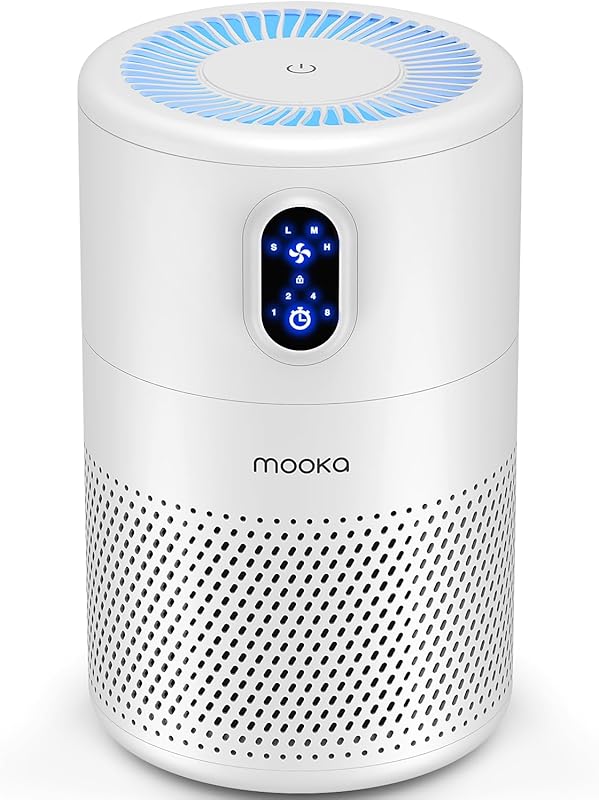
HEPA refers to a filtration standard commonly used for capturing fine particles from the air. In plain English, a true HEPA filter is designed to trap very small airborne particles such as dust, pollen, and pet dander more effectively than a basic pre-filter alone.
Rental models, service terms, and delivery/setup flow
Some rentals are simple drop-off units with a set return date, while others include maintenance visits, filter changes, or swap-out service. Before you agree to anything, verify who is responsible for consumables, what happens if the unit fails, and whether you can exchange it for a larger or quieter model if the first one is not a fit.
- Purifier unit
- Power cord and plug type
- Installed filter or sealed replacement filter
- Manual or quick-start sheet
- Return instructions and contact information
How air changes, room size, and CADR affect performance
Room coverage is not just about square footage. Air changes per hour, purifier placement, and CADR, or clean air delivery rate, all affect how quickly the machine can circulate and clean the air in a real room. A larger room, a cluttered layout, or a door that stays open can reduce the practical impact of even a strong purifier.
Who Should Consider a HEPA Air Purifier Rental in 2025
The best rental candidates are usually people who need air cleaning now, but not forever. If your situation is temporary, uncertain, or space-specific, renting can be more practical than buying a purifier that may later sit unused in a closet.
Allergy and asthma households
For households dealing with seasonal pollen, pet dander, dust, or indoor irritants, a rental can help during a flare-up or a particularly difficult season. That said, it is not a replacement for medical treatment or for reducing the source of the irritation, such as improving cleaning habits or addressing humidity and ventilation issues.
Temporary living situations, renovations, and post-construction cleanup
Rentals are especially useful during move-ins, remodels, drywall work, flooring replacement, or after a dusty cleanup. In those cases, you may need stronger filtration for a limited time and may not want the burden of long-term ownership once the project ends.
Offices, clinics, classrooms, and event spaces
Shared spaces often benefit from temporary purifiers when occupancy changes, a room is being refreshed, or there is a short-term air-quality concern. For these environments, it helps to confirm noise level, maintenance responsibility, and whether the unit can run all day without becoming a distraction.
Who may be better off buying instead
If you want continuous use in the same room for years, buying often makes more financial sense. It also gives you more control over features like smart controls, filter subscriptions, fan behavior, and long-term replacement parts.
Key Specifications and Decision Criteria to Compare Before Renting
Do not choose a rental based on the word “HEPA” alone. The details that matter most are room fit, noise, filter support, power needs, and what service is included if something goes wrong.
Room coverage, CADR, and recommended square footage
The provider may list recommended square footage, but that number should be treated as a starting point. Ceiling height, open doors, airflow from HVAC vents, and room layout all affect real-world performance, so it is wise to choose a unit sized a bit above the minimum if the room is crowded or irregularly shaped.
Noise levels, fan speeds, and sleep-friendly operation
Noise matters more than many renters expect. A purifier that is fine in a garage or office may be too loud for a bedroom, nursery, or recording space, so compare the lowest fan setting, sleep mode if available, and whether the unit gets noticeably louder as filters load with dust.
Filter type, replacement schedule, and included consumables
Some rentals include a fresh filter, while others expect you to pay for replacements or cleaning. Confirm the replacement schedule in writing, especially if the unit will run continuously or in a dusty environment, because a clogged filter can reduce performance and increase noise.
Power use, plug type, cord length, and placement safety
Check the plug type, cord length, and whether the unit needs a dedicated outlet or can share one safely with nearby devices. If the purifier must sit far from the wall or in a high-traffic area, cord management becomes a safety issue as well as a convenience issue.
Warranty, service support, and replacement policy details to verify
Rental agreements should make it clear who handles repairs, swap-outs, and damage reporting. Before signing, check whether accidental damage is covered, how fast a replacement can be delivered, and whether the provider offers support if the unit develops a motor or sensor issue during the rental period.
Benefits of Renting a HEPA Air Purifier vs Buying One
Renting is less about “better” and more about “better for this situation.” The right choice depends on how long you need filtration, how much flexibility you want, and whether you are willing to manage maintenance after the rental ends.
Lower upfront cost and short-term flexibility
A rental can reduce the initial cash outlay, which matters if you only need air cleaning for a few weeks or months. It also lets you end the arrangement when the project ends instead of keeping a machine you no longer need.
Access to higher-end units without long-term commitment
Some rental providers offer larger or more capable models than a buyer might choose for a one-room use case. That can be helpful if you need stronger filtration temporarily but do not want to pay full purchase price for a unit that will only be used occasionally.
Convenience for seasonal, temporary, or emergency use
Rentals can be especially convenient when you need fast deployment. If a room needs cleaner air now, having a provider deliver, set up, and later retrieve the unit can save time and reduce storage headaches.
Trade-offs: recurring fees, limited customization, and availability
The downside is that rental costs can add up, and you may not get the exact feature set you want. Availability can also be limited during wildfire season, renovation peaks, or other high-demand periods, so the best unit may not always be the one you can get quickly.
- Lower upfront cost than buying
- Good for temporary or seasonal needs
- May include delivery and service support
- Useful for short-term projects or events
- Recurring fees can exceed purchase cost over time
- Model choice may be limited
- Consumables and service terms vary
- Availability can be inconsistent
How to Set Up and Use a Rental HEPA Air Purifier Safely
Good setup matters almost as much as the purifier itself. A well-sized unit placed poorly can underperform, while a modest unit placed correctly may do a much better job in a real room.
Best placement for airflow and coverage
Place the purifier where it can draw in air without obstruction and where the output can circulate across the room. Avoid tucking it behind curtains, under desks, or right next to large furniture that blocks the intake or exhaust.
Setup checklist: unpacking, filter inspection, and first run
Safe operation around children, pets, and furniture
Keep the unit stable and out of reach of curious hands or paws, especially if the purifier has a removable front panel or accessible controls. If a child or pet could bump it, choose a stable floor location with enough clearance on all sides.
Power and cable safety, including inspection for damage or heat
Check the cord regularly and do not run it under rugs or pin it under furniture. If the plug feels hot, the cord is frayed, or the unit shuts off unexpectedly, stop using it and contact the rental provider or manufacturer support.
Maintenance, Care, and Storage During the Rental Period
Even a rental needs basic care. The cleaner you keep the unit, the more likely it is to perform consistently and return in acceptable condition.
Filter cleaning or replacement responsibilities
Some HEPA purifiers use washable pre-filters plus replaceable main filters, while others rely on sealed replacement cartridges. Follow the rental agreement and manufacturer manual closely, because using the wrong cleaning method can damage the filter or reduce its effectiveness.
Keeping vents, sensors, and exterior surfaces dust-free
Dust buildup can affect airflow and sometimes sensor accuracy. Wipe the exterior with a dry or slightly damp cloth if the manual allows it, and avoid harsh cleaners that could damage plastic surfaces or labels.
Noise changes, odor issues, and signs the unit needs service
New odors, louder-than-normal operation, rattling, or weak airflow can point to a clogged filter, loose panel, or mechanical issue. If the purifier starts smelling burnt or becomes unusually hot, stop using it and request service or a replacement.
Return prep: cleaning, packing, and documentation
Before returning the unit, clean the exterior, reassemble any removable parts, and pack the purifier exactly as instructed by the provider. Keep photos or written notes of its condition at return time in case there is a dispute about damage or missing accessories.
Common Mistakes, Limitations, and Final Recommendation
The biggest rental mistakes are usually simple: choosing the wrong size, placing the unit badly, ignoring filter responsibilities, or assuming that a rental agreement guarantees perfect air quality. A purifier helps reduce airborne particles, but it does not fix ventilation problems, moisture problems, or the source of the contamination.
Typical renter mistakes that reduce air-cleaning performance
Common errors include buying or renting a unit that is too small, blocking the intake with furniture, leaving the room open when it should be closed, and forgetting to replace or clean filters on schedule. Another frequent issue is choosing a quiet-looking model without checking whether it can actually move enough air for the space.
Evidence limits: what rental specs can and cannot prove
Rental specs can tell you the model, the claimed coverage, and the service terms, but they cannot guarantee the exact result in your room. Actual performance depends on layout, occupancy, dust load, ventilation, and how consistently the purifier is used, so treat specs as a guide rather than a promise.
Best-fit verdict: when a HEPA air purifier rental is worth it
A HEPA air purifier rental is worth it when the need is temporary, the room is clearly defined, and the provider can supply a properly sized unit with clear service terms. If you expect long-term daily use, want more feature control, or need the lowest cost over several years, buying is usually the better path.
Rent a HEPA purifier when you need flexible, short-term air cleaning for a room, project, or event and want to avoid ownership hassles. Choose carefully by room size, noise, filter support, and service policy, because those details matter more than the rental label itself.
Frequently Asked Questions
Renting usually makes more sense for temporary needs like renovations, short-term housing, seasonal allergies, or event spaces. Buying is often better if you expect daily use for years in the same room.
Start with the room’s square footage, then check the purifier’s recommended coverage and CADR. If the room is open, crowded, or has higher ceilings, consider sizing up.
Verify the filter type, cord condition, plug type, noise level, delivery terms, maintenance responsibilities, and return policy. Inspect the housing and filter compartment for damage before turning it on.
It can reduce airborne particles like dust, pollen, and pet dander in a room, which may help some people. It is not a substitute for medical care or for reducing the source of the irritant.
Put it where air can move freely in and out, away from curtains, furniture, and blocked vents. A central or open spot in the room often works better than hiding it in a corner.
Rental fees can add up over time, and model choices may be limited. You should also confirm who handles filter replacement, repairs, and replacement if the unit fails.