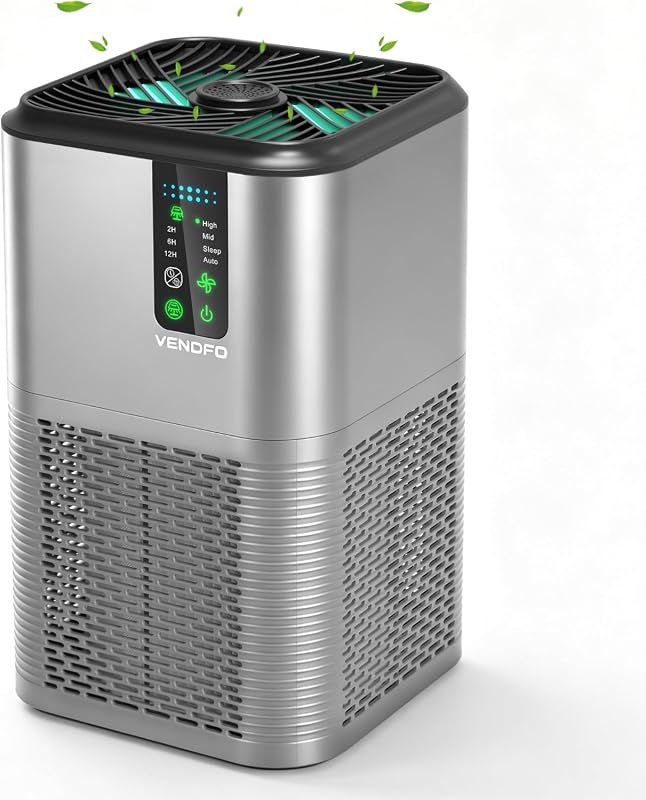
Best Air Purifying Plants for Bedroom Comfort and Sleep
The best air purifying plants for bedroom use are usually snake plant, spider plant, peace lily, and areca palm because they are attractive and relatively easy to live with. They can improve comfort and room feel, but they should complement—not replace—good ventilation and cleaning.
If you want a calmer bedroom with a little more greenery, the best air purifying plants for bedroom comfort are low-maintenance species like snake plants, spider plants, peace lilies, and a few leafy palms. They can improve the feel of the room, but they work best as part of a clean, well-ventilated sleep space rather than as a replacement for an air purifier.
- Best all-around pick: Snake plant is the easiest choice for low light and low maintenance.
- Best beginner option: Spider plant works well in small spaces and forgiving care routines.
- Best style choice: Peace lily and areca palm add a softer, more decorative bedroom look.
- Most important limit: Plants help with ambiance, but they are not a substitute for filtration or airflow.
Best Air Purifying Plants for Bedroom Comfort and Sleep: What Actually Helps?

Bedroom plants are most useful when your goal is a quieter, softer, more relaxing room—not a dramatic air-cleaning upgrade. The right plant can add visual calm, help the room feel less dry, and make your space feel more lived-in without demanding much care.
Quick answer: the best bedroom plants for air quality, sleep comfort, and low-maintenance care
For most people, the best all-around choice is a snake plant because it handles low light and irregular watering well. Spider plants are great for beginners, peace lilies offer a fuller look with a humidity-friendly feel, and areca palms suit sleepers who want a softer, lush style.
How Air Purifying Plants Work in a Bedroom

Plants interact with indoor air in a few different ways, but the effect depends heavily on room size, airflow, and how many plants you keep. In real bedrooms, the comfort benefits are usually more noticeable than any direct air-cleaning effect.
What plants can and cannot do for indoor air quality
Plants can absorb some carbon dioxide and release oxygen during the day, and they may help trap a small amount of dust on leaves. Some also contribute a little moisture to the air through transpiration, which can make a dry room feel more comfortable.
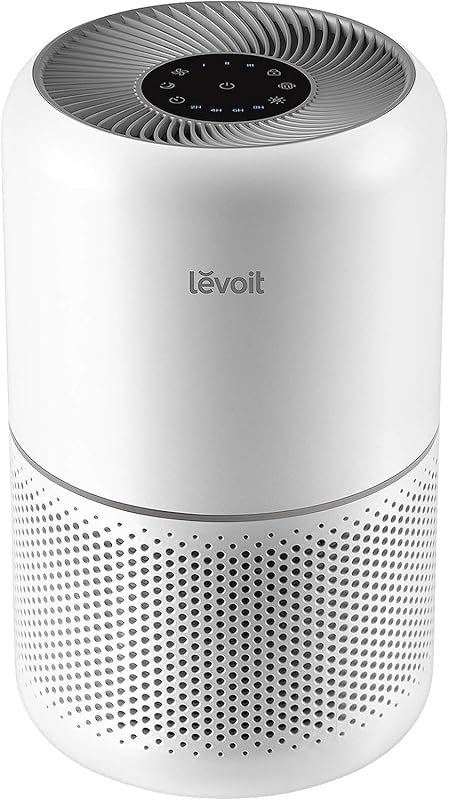
What they cannot do is replace ventilation, filtration, or routine cleaning. If your bedroom has pollen, smoke, pet dander, or strong odors, a properly sized air purifier and fresh air exchange will usually matter more than any single plant.
Most of a bedroom’s “air quality” experience comes from airflow, dust control, and humidity balance—not from one decorative plant on a nightstand.
How light, humidity, and airflow affect plant performance at night
At night, plants stop photosynthesizing and mostly switch to normal respiration, so they are not actively cleaning air in the way many people imagine. That makes placement and room conditions more important than the plant’s marketing label.
Bright indirect light during the day helps plants stay healthy, while steady airflow helps prevent moldy soil and stagnant moisture. If your bedroom is very dark, choose a plant that tolerates low light rather than trying to “force” a sun-loving species to survive.
If you want the room to feel fresher, focus on a plant that stays healthy in your actual light conditions. A thriving low-light plant is more useful than a stressed “air purifying” plant that keeps dropping leaves.
Top Bedroom-Friendly Plants to Consider in 2026
These are the most practical bedroom options because they balance appearance, ease of care, and broad suitability for everyday homes. Exact care needs can vary by cultivar and pot size, so always check the plant tag or nursery guidance before you buy.
Snake plant: best for low light and minimal care
Snake plant is one of the easiest bedroom plants to keep alive because it tolerates low light, infrequent watering, and a wide range of indoor conditions. Its upright shape also makes it a strong fit for corners, dressers, and narrow floor spaces.
This is a good pick if you travel often, forget to water, or do not want a plant that needs constant attention. The main drawback is that overwatering can quickly cause root problems, so it is better to keep the soil on the dry side than to water on a schedule without checking first.
Busy sleepers, low-light rooms, and anyone who wants a clean, architectural look with very little upkeep.
Peace lily: best for humidity and visual calm, with safety notes
Peace lily is popular in bedrooms because it has broad green leaves and soft white blooms that create a calm, hotel-like feel. It can also be a helpful choice in rooms that feel dry, though the actual humidity effect is modest and depends on plant size and room conditions.
Be aware that peace lily is not the best choice for homes with curious pets or small children, since it can be irritating if chewed. It also prefers more consistent moisture than snake plant, so it is better for people who are comfortable checking soil regularly.
Before bringing any plant into a bedroom, confirm pet safety and child safety with a trusted plant care source or nursery label. If a plant is toxic or irritating, place it out of reach or choose a safer alternative.
Spider plant: best for beginners and small spaces
Spider plant is a classic beginner choice because it adapts well to indoor life and usually recovers from minor care mistakes better than fussier plants. It works nicely on shelves, hanging planters, or small stands where the arching leaves can spill outward without taking over the room.
It is a practical option if you want something easy to maintain and visually light. Like most houseplants, it still needs the right amount of water and light, and it can develop brown tips if the air is very dry or if watering is inconsistent.
Areca palm and similar leafy options: best for a softer, fuller look
If you want your bedroom to feel more like a retreat, areca palm and similar feathery, leafy plants can soften sharp furniture lines and fill empty corners. They are especially appealing in rooms that need a taller, more decorative plant without a harsh silhouette.
The tradeoff is that these plants usually need more light and more consistent care than snake plants or spider plants. If your bedroom is dim or you prefer a low-maintenance setup, choose a hardier plant instead of a palm that may struggle over time.
“Air purifying” is a broad marketing term, not a guarantee of measurable room-wide air cleaning. When comparing plants, prioritize light tolerance, watering needs, and pet safety over the label itself.
How to Choose the Right Plant for Your Room
The best bedroom plant is the one that fits your room and your routine. A plant that matches your light, space, and lifestyle is far more likely to stay healthy and look good month after month.
Bedroom size, natural light, and placement near windows or bedside tables
In a small bedroom, compact plants or vertical growers are usually the easiest fit. Larger rooms can handle floor plants, but only if the plant has enough breathing room and does not block walkways or storage access.
If your room gets bright indirect light, you can choose from a wider range of plants. If it is mostly shaded, stick with low-light tolerant species and place them near the brightest practical window rather than deep in a dark corner.
Maintenance level, pet safety, and allergy sensitivity
Think honestly about how much care you will actually provide. If you dislike watering, pruning, or repotting, choose a forgiving plant that does not punish missed care.
Also check whether the plant is safe around pets, and consider allergy sensitivity if you are prone to reactions from pollen, mold, or strong fragrances. For some households, a simple, non-flowering plant is the most comfortable choice.
Visual style, pot size, and whether you want a statement plant or a compact one
A statement plant can anchor the room and make the bedroom feel more intentional, while a compact plant can add calm without adding clutter. The right pot matters too, because oversized containers can overwhelm small rooms and undersized pots can look lost.
- Match the pot size to the plant’s root ball and leave room for growth.
- Choose a planter with drainage unless the plant and container are designed for no-drain use.
- Use the plant to balance the room, not crowd the bedside table.
Setup Guide: Where to Place Bedroom Plants for Comfort and Safety
Placement affects both plant health and bedroom comfort. The goal is to keep the plant easy to care for while avoiding moisture problems, clutter, and blocked airflow around the bed.
Best spots for airflow, sleep comfort, and easy watering access
Good locations include a bright windowsill, a nearby plant stand, a dresser with space around it, or a floor corner that gets indirect light. These spots make watering easier and reduce the chance of soil spills near bedding.
Try to keep the plant where air can move naturally around it. That helps the soil dry properly and reduces the risk of stagnant moisture, especially in rooms with limited ventilation.
How many plants make sense in a typical bedroom without cluttering the space
For most bedrooms, one to three well-placed plants is enough to create a calming effect without making the room feel crowded. Smaller rooms usually look better with one medium plant or a few compact ones rather than many small pots scattered everywhere.
If you are unsure, start with one plant and live with it for a few weeks. That makes it easier to see whether the room feels calmer, busier, drier, or more humid before adding another.
What to avoid: damp corners, blocked vents, and overwatering near bedding
Avoid placing plants in damp corners where soil dries slowly, because that can encourage mold, fungus gnats, and unpleasant odors. Also avoid blocking HVAC vents or placing a pot where it can drip onto sheets, rugs, or electronics.
Overwatering is one of the most common bedroom-plant mistakes because it can lead to soggy soil and a musty room feel. If you want a plant near the bed, use a stable saucer or tray and make sure the container drains properly.
Stop using any planter setup that leaks, stays wet for too long, grows visible mold, or attracts pests. Reseating the plant in a better-draining pot is often safer than trying to “fix” the problem with more water.
Real-Use Benefits and Limitations You Should Know
Bedroom plants can absolutely improve how a room feels, but they are not a miracle fix. The best results come from treating them as part of a broader sleep environment that also includes cleanliness, airflow, and comfortable lighting.
Comfort benefits: mood, decor, humidity feel, and sleep environment
Many people like bedroom plants because they make the room feel softer and less sterile. Greenery can visually reduce stress, hide empty corners, and create a more restful atmosphere before sleep.
Plants may also slightly improve the feel of dry indoor air, especially when grouped thoughtfully and kept healthy. Even when the measurable air effect is small, the psychological comfort can be meaningful for people who want a more relaxing bedtime routine.
Evidence limits: why plants are not a substitute for ventilation or an air purifier
It is important to keep expectations realistic. A few houseplants will not replace a HEPA air purifier, a good HVAC filter, or opening a window when outdoor conditions allow.
If your main concern is dust, allergies, smoke, or pet dander, use the right appliance for the job and let plants handle the ambiance. For readers comparing bedroom comfort tools, our guide to smart lights for bedroom use can also help create a calmer nighttime routine alongside plants.
Common mistakes: choosing high-maintenance varieties, poor lighting, and too much watering
The biggest mistake is buying a plant because it looks good in a photo, then placing it in a room that does not suit it. A sun-loving plant in a dim bedroom will usually decline, no matter how carefully you water it.
Another common issue is watering too often. If you are unsure, let the top layer of soil dry according to the plant’s care guidance rather than adding water automatically.
Care, Maintenance, and Troubleshooting
Simple routines keep bedroom plants healthier and reduce the chance of mess. You do not need a complicated schedule, but you do need consistency.
Watering, dusting leaves, pruning, and repotting basics
Check the soil before watering instead of relying only on the calendar. Many indoor plants do better with less water than people expect, especially in cooler bedrooms with slower evaporation.
Dust leaves occasionally with a soft, slightly damp cloth so the plant can look fresher and function normally. Prune dead or damaged leaves as needed, and repot only when the plant is clearly root-bound or outgrowing its container.
Use your finger or a moisture meter if you prefer, and water only when the plant’s needs call for it.
Wipe leaves and remove debris so the plant stays tidy and easier to monitor.
If the plant leans, fades, or dries too fast, move it closer to suitable light or airflow.
Signs of stress: yellow leaves, moldy soil, drooping, and pests
Yellow leaves can point to too much water, poor drainage, or natural aging depending on the plant. Drooping may mean the plant is thirsty, stressed, or reacting to a change in light or temperature.
Moldy soil, fungus gnats, and sticky residue are signs to pause watering and inspect the pot, drainage, and nearby surfaces. If pests spread or the plant keeps declining, isolate it from other houseplants and follow the nursery’s or manufacturer’s care guidance for the species.
Storage and seasonal care: what to do during winter, travel, or low-light months
In winter or during darker months, many bedroom plants need less water because growth slows down. Move them closer to usable light if possible, but avoid placing them directly against a cold windowpane.
If you travel, group plants in a stable spot with appropriate light and ask someone to water only if the soil truly needs it. For longer trips or very low-light rooms, hardier plants are usually more forgiving than delicate ones.
Final Recommendation: Best Picks by Bedroom Type and User Need
If you want the simplest answer, choose the plant that best fits your room conditions rather than the one with the most dramatic “air purifying” reputation. That approach gives you a healthier plant, less maintenance, and a bedroom that feels more relaxing over time.
- Snake plant is the easiest all-around choice for low light and busy routines.
- Spider plant is a strong beginner option for small spaces and flexible placement.
- Peace lily and areca palm are better when style and softness matter more, but they usually need more attention.
Best overall choice for most bedrooms
Snake plant is the best overall pick for most bedrooms because it is forgiving, space-efficient, and easy to place in rooms with limited light. It is especially useful for renters, students, and remote workers who want a cleaner-looking room without adding a demanding care routine.
Best for low-light rooms, pet owners, and busy schedules
For low-light rooms and busy schedules, spider plant is a strong alternative, while pet owners should verify safety before choosing any species. If a plant is not safe for your household, choose a non-toxic option that still fits the room rather than compromising on safety for appearance.
Best for style-focused sleepers who want a calmer room aesthetic
If your priority is a softer, more polished bedroom look, peace lily or an areca palm can be appealing when the room has enough light and you are comfortable with more care. The best choice is the one that stays healthy in your space and supports the kind of sleep environment you actually want.
Frequently Asked Questions
Snake plant is the easiest all-around choice for most bedrooms because it handles low light and irregular watering well. Spider plant is another strong option for beginners and small spaces.
Bedroom plants can add comfort and a small amount of moisture, but they do not replace ventilation or an air purifier. For dust, smoke, or allergies, use the right appliance and cleaning routine too.
Yes, if your room has suitable light and you are comfortable checking soil regularly. Keep pet and child safety in mind, since peace lily can be irritating if chewed.
For most bedrooms, one to three well-placed plants is enough to add calm without clutter. Smaller rooms usually look better with one medium plant or a few compact ones.
Snake plant is usually the easiest because it tolerates low light and does not need frequent watering. It is a good fit for people who travel or forget plant care sometimes.
Check the plant’s light needs, watering needs, mature size, drainage requirements, and pet safety. Also confirm the exact species or cultivar with the nursery label before you bring it home.