Best Stick Vacuum Filters for Cleaner Air and Floors
The best stick vacuum filters match your exact vacuum model and combine strong filtration with a reliable seal. For most homes, OEM or well-reviewed compatible filters are the safest balance of cleaner air, steady suction, and value.
Stick vacuum filters do more than catch dust; they also help protect suction and keep fine particles from blowing back into the room. The best choice is usually a model-specific filter with strong filtration, a good seal, and maintenance that fits how often you clean.
- Fit first: The right model number and seal matter as much as the filter media itself.
- HEPA helps fine dust: True HEPA or high-efficiency multi-stage filtration is best for allergy-sensitive homes.
- Washable is not maintenance-free: Filters still need full drying and eventual replacement.
- OEM is the safer default: Aftermarket filters can save money, but quality and fit vary more.
- Maintenance protects performance: Clean filters help preserve suction, reduce odor, and limit dust leakage.
Best Stick Vacuum Filters for Cleaner Air and Floors: What to Buy in 2026
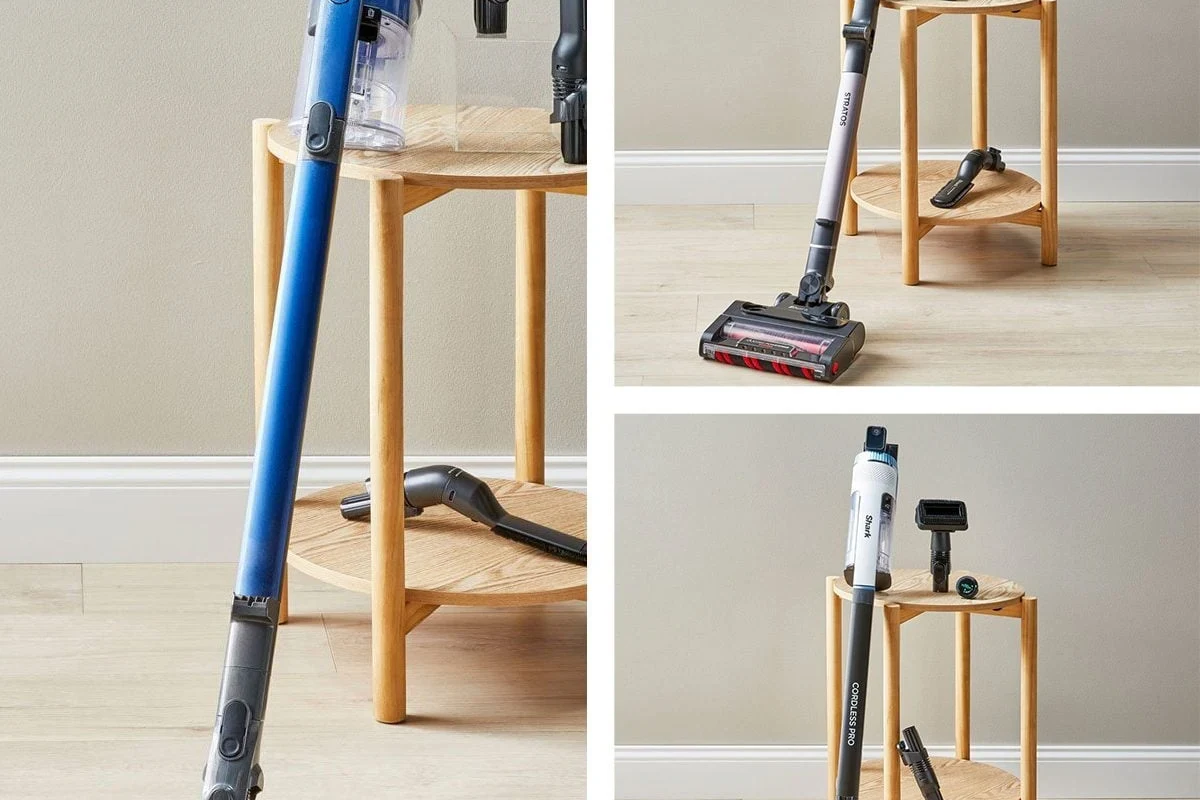
Quick answer: the best stick vacuum filters are the ones that match your vacuum model, use true HEPA or high-efficiency multi-stage filtration, and are easy to clean or replace on schedule
Fit matters first because even a high-quality filter can underperform if it leaks air around the edges. After that, look for filter media that balances fine-dust capture with airflow, especially if you want steady suction on carpets and cleaner exhaust air.
What this guide covers: fit, filtration performance, maintenance, value, and when a replacement filter is worth it
This article explains how stick vacuum filters work, what specs to check before buying, and how to choose between OEM and compatible replacements. It also covers care routines and common problems so you can avoid buying a filter that looks right but performs poorly in daily use.
How Stick Vacuum Filters Work and Why They Matter
The filtration path: dust pickup, pre-motor filtering, and final exhaust filtration
Most stick vacuums move debris through a dustbin first, then through one or more filters before air exits the machine. In many designs, a foam or mesh pre-filter catches larger debris, while a pleated or HEPA-style filter handles finer particles before the exhaust leaves the vacuum.
Why clogged or low-grade filters reduce suction, recirculate dust, and can affect indoor air quality
When a filter loads up with dust, airflow drops and the motor has to work harder to pull air through the system. That can make the vacuum feel weaker, and if the filter is damaged or poorly sealed, some dust may bypass the media and return to the room.
A vacuum’s “cleaning power” depends on airflow and sealing as much as raw motor claims, which is why a worn filter can change performance even when the machine still turns on normally.
Who benefits most: allergy-sensitive homes, pet owners, small apartments, and frequent vacuum users
People with allergies often care most about exhaust filtration, while pet owners usually need filters that handle hair, dander, and fine litter dust without clogging too fast. Small apartments and busy homes also benefit because stick vacuums are often used frequently, which means the filter gets dirty faster than many shoppers expect.
Key Specifications to Check Before You Buy
Compatibility and fit: model number, filter shape, seal type, and genuine vs. aftermarket options
Start with the exact vacuum model number, because even closely related stick vacuums may use different filter housings. Check the filter’s shape, locking tabs, gasket, and any seal ring so the replacement sits flush and does not leak air around the edges.
OEM filters usually give the safest fit path, while aftermarket options can be a good value if the seller clearly lists the exact compatible models and the dimensions match the original part. If the listing is vague, treat it as a risk rather than a bargain.
Filter type: foam, felt, pleated, HEPA, washable, and multi-stage combinations
Foam and felt pieces are often used as pre-filters to catch larger debris before it reaches the finer media. Pleated filters increase surface area, HEPA or HEPA-style filters target very small particles, and multi-stage systems combine several layers to spread out the workload.
Replacement intervals, airflow resistance, and what “washable” really means in real use
Replacement timing varies by model, home size, and how dusty your floors are. “Washable” usually means the filter can be rinsed and reused, but it does not mean it lasts forever; repeated washing can wear the media, distort the shape, or leave moisture trapped inside if drying is rushed.
Warranty and support details to verify before choosing a replacement filter
Before buying, check the vacuum’s manual and warranty terms to make sure a third-party filter will not create support problems. For newer models, it is also smart to review the manufacturer’s compatibility list and any current recall or safety notices before installing a replacement.
Top Filter Types Compared: Which One Fits Your Cleaning Needs?
HEPA-style and true HEPA filters: best for fine dust and allergy control, with trade-offs in cost and airflow
True HEPA filters are usually the strongest choice for households that want better capture of very fine particles, but they can be more restrictive to airflow if the vacuum is not designed for them. HEPA-style filters may be easier to find and cheaper, but the term is not always standardized, so the exact claim should be checked carefully.
Washable filters: lower ongoing cost, but drying time and long-term wear can be drawbacks
Washable filters can reduce recurring spending, which is helpful for frequent vacuum users. The trade-off is upkeep: they need full drying before reuse, and over time the media may lose shape or filtration efficiency if they are cleaned too aggressively.
Never reinstall a damp filter, and never run a vacuum with a damaged gasket or cracked frame. Moisture inside the airflow path can lead to odor, poor suction, and possible motor damage.
Foam and pre-filters: useful as a first line of defense, but not a complete solution alone
Foam and pre-filters are helpful because they catch larger dust and hair before it reaches the finer filter stages. On their own, though, they usually are not enough for fine particle control, so they work best as part of a multi-stage system.
Aftermarket vs. OEM filters: value, fit consistency, and evidence limitations when comparing performance claims
OEM filters are generally the safer option when you want predictable fit and fewer surprises. Aftermarket filters may cost less, but performance claims are hard to compare across brands because testing methods, materials, and seal quality are not always disclosed in a way buyers can verify.
- OEM filters usually offer the most reliable fit
- Aftermarket packs can lower replacement cost
- Multi-stage designs help balance airflow and fine-dust capture
- Premium filtration can raise resistance if the vacuum is not designed for it
- Washable filters still need careful drying and eventual replacement
- Aftermarket quality can vary widely by seller and batch
How to Choose the Right Stick Vacuum Filter for Your Home
Match the filter to your cleaning habits: pets, carpet-heavy homes, hard floors, and allergy concerns
If you vacuum pet hair often, prioritize easy-to-clean pre-filters and a main filter that does not clog quickly. Carpet-heavy homes usually need a balance of airflow and filtration, while hard-floor homes may benefit from stronger fine-dust capture because dust is more visible and easier to stir back into the air.
Noise, suction, and airflow: how filter design can influence perceived performance
A denser filter can make a vacuum sound different and may slightly change how strong it feels at the floor head. That does not automatically mean the filter is bad; it may simply be a better dust-capture design, though the vacuum’s motor and duct layout still decide how much airflow is available.
Consumables and total cost of ownership: replacement packs, wash cycles, and storage needs
Think beyond the sticker price of one filter. Replacement packs, how often you wash the filter, how long it takes to dry, and whether you need to store spares all affect the real cost over time.
Practical trade-offs: premium filtration versus easier maintenance and lower price
The best choice is often the one you will maintain consistently. A slightly less aggressive filter that stays clean and properly sealed may perform better in real life than a premium filter that is neglected, damp, or difficult to replace on time.
Setup, Installation, and Safe Use
How to install a replacement filter correctly without damaging seals or reducing suction
Always power off the vacuum before opening the dustbin or filter compartment, then remove the old filter carefully so you do not bend tabs or tear the gasket. Install the new part in the orientation shown in the manual, and make sure it seats fully before closing the housing.
Match the replacement filter to the exact vacuum model and housing style before opening the package.
Press or twist it into place only as directed by the manual so the seal stays intact.
Close the compartment fully and look for gaps, rattling, or poor suction that could point to a bad fit.
Safe use limits: never run a vacuum with a wet filter, damaged gasket, or incorrect part installed
If the filter is wet, warped, cracked, or obviously the wrong size, stop and replace it before using the vacuum again. Running with a poor seal can pull dust into the motor path and may shorten the life of the machine.
Stop using damaged electronics, swollen batteries, frayed cables, overheating chargers, or unstable appliances and follow the manufacturer’s guidance.
Inspection checklist: cracks, warping, odor, heavy discoloration, and signs the filter should be replaced
Replace a filter if you see cracks, bent frames, persistent odor after cleaning, heavy discoloration that does not rinse out, or a shape that no longer seals properly. If the vacuum suddenly feels weaker even after cleaning the dustbin, the filter is one of the first parts to inspect.
Common mistakes to avoid: over-washing, using heat to dry, and ignoring manufacturer fit guidance
Do not scrub filters so hard that you damage the media, and avoid dryers, heaters, or direct high heat unless the manual specifically allows them. It is also a mistake to assume “close enough” fit is good enough, because a small mismatch can create a leak path that hurts performance.
Maintenance and Storage Guide for Longer Filter Life
Cleaning schedule: when to tap out debris, rinse washable filters, and replace disposable ones
Tap out loose dust regularly if the manual allows it, and rinse washable filters only as often as the manufacturer recommends. Disposable filters should be replaced on schedule or sooner if suction drops, the vacuum smells musty, or the filter looks permanently loaded with dust.
- Keep a spare filter on hand so you can swap in a dry one after washing.
- Check the dustbin and pre-filter before assuming the main filter is the problem.
- Use the vacuum’s manual as the final word on cleaning method and replacement timing.
Drying and storage: full air-dry time, keeping spare filters sealed, and preventing mold or mildew
Let washable filters air-dry completely before reinstalling them, and store spare filters in a clean, dry place away from humidity. If a filter has a persistent mildew smell, it is usually safer to replace it than to keep trying to restore it.
How maintenance affects value: better suction, longer motor life, and fewer dust leaks over time
Good filter care is one of the cheapest ways to keep a stick vacuum feeling responsive. It helps preserve airflow, reduces strain on the motor, and lowers the chance that dust escapes back into the room during cleaning.
Common Problems, Troubleshooting, and Final Recommendation
When suction drops: filter clogging, poor seal, full dustbin, or blocked airflow
If suction falls, check the dustbin first, then the pre-filter, then the main filter, and finally the wand or brush path for blockages. A clogged filter is common, but a poor seal or hidden obstruction can create the same symptom.
When dust returns to the room: worn filter media, incorrect installation, or skipped maintenance
Dust that appears after vacuuming may point to a filter that is worn out, installed incorrectly, or not cleaned often enough. In some vacuums, the issue can also be a loose bin latch or seal, so it helps to inspect the whole airflow path rather than only the filter cartridge.
Limitations of the evidence: performance varies by vacuum design, and brand claims are not always directly comparable
It is hard to compare filter claims across brands because vacuums use different motor layouts, bin sizes, seals, and filtration stages. That means a filter that works well in one model may not deliver the same result in another, even if the marketing language sounds similar.
Transparent verdict: choose a model-specific, high-efficiency filter with easy maintenance, and prioritize OEM or well-reviewed compatible options for the best balance of air quality, floor performance, and value
For most homes, the smartest buy is a filter that fits exactly, captures fine dust well, and is simple enough to clean or replace on time. If you want a broader buying context for the vacuum itself, our guides to the Britech cordless vacuum, Simplicity cordless vacuum, and best cordless vacuum for pet hair can help you match the filter to the machine and the mess.
Frequently Asked Questions
Match the exact vacuum model number, filter shape, and seal style before buying. OEM filters are usually the safest fit, while compatible options should list the same models clearly.
It can be a strong choice for allergy-sensitive homes because it targets fine particles well. Just make sure the vacuum is designed for that filter type so airflow does not suffer too much.
Washable filters can lower ongoing cost, but they need full drying and careful cleaning to stay effective. Disposable filters are simpler if you want less maintenance and more predictable replacement timing.
Replacement timing varies by model, dust load, and how often you clean. If suction drops, odor lingers, or the filter is cracked, warped, or heavily discolored, replacement is usually the better choice.
A poor fit can reduce suction and let dust leak past the seal, which may stress the motor over time. Always follow the manufacturer’s compatibility guidance and avoid using damaged or wet filters.
Check the exact compatible models, dimensions, seal design, and return policy before ordering. It also helps to confirm warranty terms and any current manufacturer notices for your vacuum.