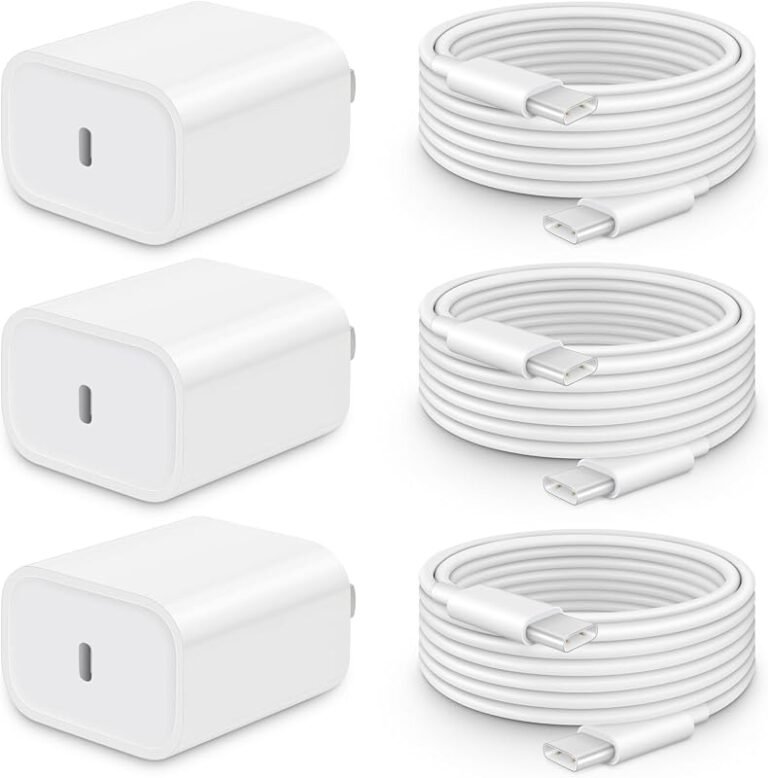
What Budget Chargers Do I Need for My Phone Guide
Choosing the right budget charger is mostly about matching your phone’s charging needs, not buying the cheapest plug on the shelf. In this guide, you’ll learn what wattage, cable type, and safety features matter most so you can save money and still charge your phone well. We’ll also cover common mistakes, useful buying tips, and how to avoid weak or risky chargers.
What Budget Chargers Do I Need for My Phone Guide
If you have ever stood in a store or scrolled online and wondered, what budget chargers do I need for my phone, you are not alone. There are so many options. Some are tiny. Some promise super-fast charging. Some are very cheap. Some look almost the same but work very differently.
The good news is that you do not need to spend a lot to get a good charger. You just need to know what to look for. Once you understand your phone’s charging needs, it becomes much easier to choose a charger that is safe, fast enough, and still budget-friendly.
This guide keeps things simple. We will cover charger types, wattage, cable choices, safety, and smart buying tips. By the end, you will know exactly what budget chargers do i need for my phone and how to avoid wasting money on the wrong one.
Key Takeaways
- Point 1: The best budget chargers for your phone are the ones that match your phone’s charging standard and wattage needs.
- Point 2: A cheap charger is not always a bad charger, but safety features and brand trust matter a lot.
- Point 3: USB-C is now the most common choice for modern phones, while older phones may still use USB-A or Micro-USB.
- Point 4: Fast charging only works well when the charger, cable, and phone all support the same standard.
- Point 5: You do not need the highest wattage charger your phone can accept. A good mid-range charger is often enough.
- Point 6: Multi-port chargers can be a smart budget pick if you charge more than one device at home or while traveling.
- Point 7: Avoid unknown chargers with no safety marks, no clear specs, or no real customer support.
📑 Table of Contents
Start With Your Phone’s Charging Needs
Check your phone model first
The first step is simple: find out what phone you have and what charger it uses. Different phones need different charging speeds and different cable types. An iPhone may use a different cable than a Samsung phone, and an older Android phone may charge differently from a newer one.
Look at your phone box, your settings, or the maker’s website. That will tell you the best charger type. If you want a deeper look at iPhone-specific choices, this guide to what iPhone charger you need can help you narrow things down.
Know your charging port
Most modern phones use USB-C. Many older phones use Micro-USB. Some iPhones still use Lightning cables, depending on the model. The charger block and the cable must work together. A good budget charger is only useful if it fits your phone.
If you buy the wrong cable, the charger may still power your phone, but not at the speed you expect. So before you shop, check the port on your phone and the cable type you already use.
How Much Wattage Do You Really Need?
Wattage explained in simple terms
Wattage tells you how much power a charger can send to your phone. More watts usually means faster charging, but only if your phone can use that extra power. This is why the answer to what budget chargers do i need for my phone is not always “the biggest one.”
For many phones, a charger in the 10W to 20W range is enough for normal daily use. Some newer phones can take 25W, 30W, 45W, or even more. But your phone will only draw the power it needs. A 45W charger will not force 45W into a phone that only accepts 20W.
Pick a safe middle ground
If you want a budget option, a 20W USB-C charger is often a smart choice for many modern phones. It is fast enough for most people and common enough to find at a low price. If your phone supports faster charging, a 25W or 30W charger may be worth it.
Do not worry about buying the highest wattage available. Focus on what your phone supports. That keeps the price down and helps you avoid overbuying.
Example: choosing for daily use
Let’s say you have a mid-range Android phone that supports 18W charging. A 20W charger is a great budget pick. It gives you a little room without costing much more. If you have a newer iPhone, a 20W USB-C charger is also a very common and practical choice.
Choose the Right Charger Type
Wall chargers are the best budget choice
For most people, a simple wall charger is the best place to start. It plugs into the wall and gives your phone steady power. It is cheap, easy to carry, and usually the best value for money.
If you are asking what budget chargers do i need for my phone, a wall charger is usually the first answer. It is the most common and the most useful. You can keep one at home, one at work, and one in your bag.
Multi-port chargers can save money
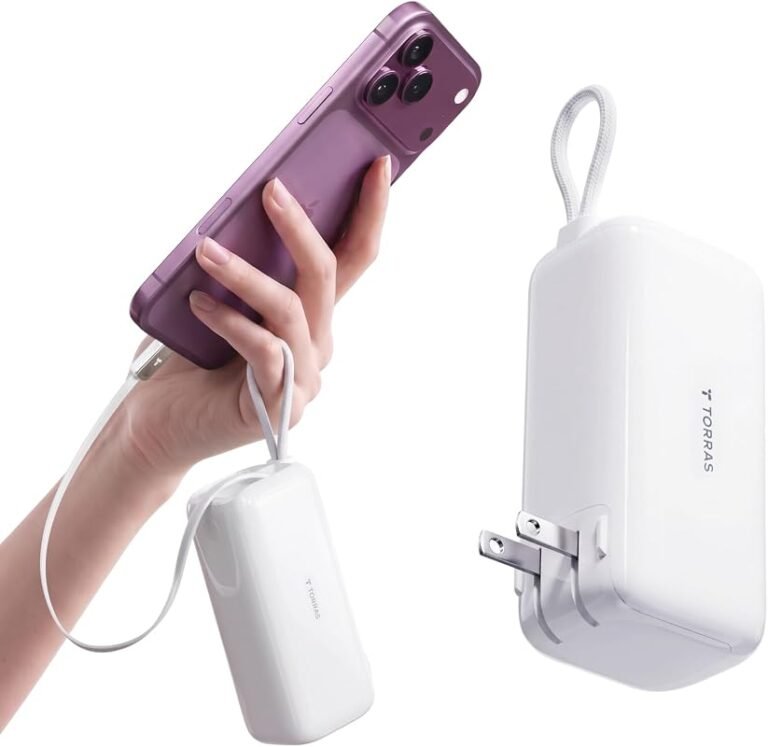
If you charge more than one device, a multi-port charger can be a great budget buy. One charger can power your phone, earbuds, and maybe a tablet. That means fewer bricks, fewer cables, and less clutter.
For example, if you travel often or charge two phones at home, a multi-port charger may cost more upfront but save money over time. You can learn more in this guide about whether multi-port chargers work with all phones and this article on fast charging support in multi-port chargers.
Wireless chargers are convenient, but not always the best budget pick
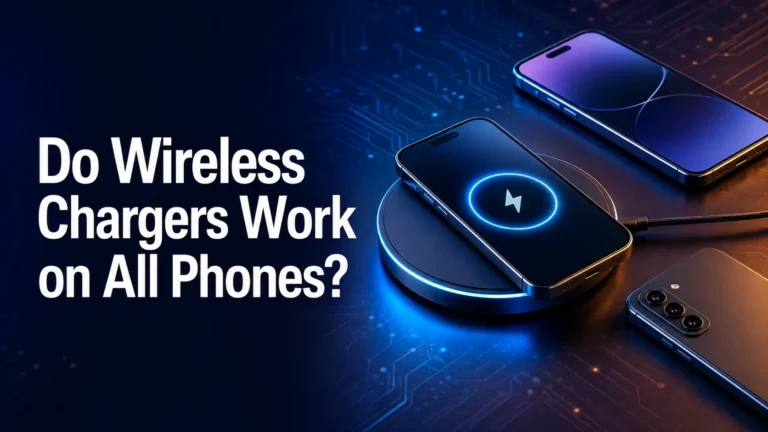
Wireless charging is nice, but it is often slower and less efficient than wired charging. If you want the cheapest useful option, a wired charger is usually better. Wireless chargers can be a good extra later, but they are not the best first choice if you are trying to save money.
What Safety Features Should a Budget Charger Have?
Do not skip safety for price
A charger should not just be cheap. It should also be safe. A low-cost charger with poor parts can overheat, charge badly, or fail early. That can damage your phone or create a fire risk.
If you want more detail on this topic, this guide on whether budget chargers are safe to use is a helpful next read. It explains why some cheap chargers are fine and others are not.
Look for these basic safety signs
- Clear wattage and voltage labels: Good chargers list their power specs clearly.
- Safety certifications: Look for marks like UL, CE, or other trusted safety labels.
- Heat protection: A charger should stay cool enough during normal use.
- Overcharge protection: This helps protect your phone battery.
- Good reviews: Real user feedback can reveal problems fast.
Avoid mystery chargers
If a charger has no brand, no specs, and no reviews, skip it. If the price looks too good to be true, it probably is. A good budget charger should still tell you what it does and who made it.
Also, be careful with chargers that claim huge speed but do not explain how they work. Honest products are easier to trust.
How to Match Your Charger and Cable
The cable matters as much as the charger
Many people focus on the charger block and forget the cable. That is a mistake. A weak cable can slow charging, even if the charger itself is good. In some cases, the cable may not support fast charging at all.
This is especially true for USB-C fast charging. If your phone and charger support higher speeds, your cable must also support them. Otherwise, you may only get basic charging speed.
Use the right cable for your phone
If your phone uses USB-C, buy a USB-C to USB-C cable or a USB-A to USB-C cable, depending on your charger. If you use an iPhone, make sure the cable matches your phone model and charger type. For more iPhone-specific help, see what iPhone charger do I need.
If you are using an older phone, you may still need Micro-USB. In that case, a cheap charger is fine only if the cable is also decent. A bad cable can make the whole setup feel slow and unreliable.
Practical tip for budget buyers
When possible, buy a charger and cable together from the same trusted brand. That often reduces guesswork. If you already have a good cable, check its rating before buying a new charger. That can save you money right away.
Best Budget Charger Setup for Different Users
For most people
If you just want a simple answer to what budget chargers do i need for my phone, start with a 20W USB-C wall charger and a matching cable. That setup works for many modern phones and gives you a good mix of speed and price.
This is the most common “safe bet” setup. It is small, affordable, and easy to replace if needed.
For travelers
Travelers should think about size and plug type. A small charger is easier to pack, and a multi-port model can charge more than one device at a time. If you travel a lot, you may want to read about USB-C wall chargers for multiple devices for useful ideas.
Also, if you visit other countries, make sure the charger supports the local voltage. Many modern chargers do, but it is still worth checking before you go.
For families or shared spaces
If several people charge devices in one room, a multi-port charger is often the best budget move. One good charger can replace three or four weak ones. That saves outlets and keeps things neat.
It also helps reduce the chance of buying too many cheap chargers that all break at once.
For older phones
If your phone is older, you may not need fast charging at all. A basic 10W or 12W charger may be enough. In that case, there is no need to pay extra for a high-wattage model. Just make sure the charger is safe and the cable fits.
How to Spot Real Value in a Cheap Charger
Cheap does not have to mean bad
A budget charger can be a good buy if it is built well. The trick is to compare value, not just price. A charger that costs a little more but lasts longer is often the better deal.
Think about the total cost. A very cheap charger that fails in two months is not really cheap. A solid charger that lasts two years is much better value.
Read the product details carefully
Before you buy, read the listing. Check the wattage, port type, cable included or not, and safety claims. If the product page is vague, that is a warning sign. Good sellers give clear details.
Also check whether the charger supports the fast-charging standard your phone uses. This is one of the easiest ways to avoid disappointment.
Use reviews wisely
Reviews can help, but read them with care. Look for comments about heat, charging speed, and long-term use. If many people say the charger gets hot or stops working fast, move on.
When in doubt, choose a known brand with a simple product line. That is often the easiest way to get a decent budget charger without much stress.
Conclusion
So, what budget chargers do i need for my phone? In most cases, you need a charger that matches your phone’s port, supports the right wattage, and comes from a brand you can trust. For many people, that means a 20W USB-C wall charger with a good cable.
The key is not to chase the cheapest option. It is to find the best balance of price, speed, and safety. Once you know your phone’s charging needs, shopping becomes much easier. You can spend less, avoid bad chargers, and still get a setup that works well every day.
If you want the short version, here it is: check your phone, match the wattage, use the right cable, and do not ignore safety. That simple formula will help you choose a budget charger you can feel good about.
Frequently Asked Questions
What budget charger is best for most phones?
A 20W USB-C wall charger is a great budget choice for many modern phones. It is fast enough for daily use and usually easy to find at a fair price.
Do I need the highest wattage charger my phone supports?
No, you do not. Your phone will only draw the power it needs, so a mid-range charger is often enough. Buying more watts than you need usually just costs more.
Are cheap phone chargers safe?
Some are, but not all. A cheap charger is only worth buying if it has clear specs, safety certifications, and good reviews. If the brand is unknown and the listing is vague, skip it.
Does the cable matter for fast charging?
Yes, it matters a lot. A weak or low-quality cable can slow charging even if the wall charger is good. Always use a cable that matches your phone and supports the speed you want.
Should I buy a wireless charger instead of a wired one?
Not if you want the best budget value. Wired chargers are usually cheaper, faster, and more efficient. Wireless charging is nice, but it is better as an extra than as your main budget choice.
Can one charger work for more than one device?
Yes, if it has the right ports and enough power. Multi-port chargers are great for phones, earbuds, and tablets. Just make sure the charger supports the devices you plan to use.