What Solar Power Banks Are Available in the Market Today
Solar power banks come in many styles, from small travel models to rugged outdoor units with large batteries and built-in lights. This guide explains what solar power banks are available in the market, what features matter most, and how to choose one that fits your daily use, travel, or emergency needs.
What Solar Power Banks Are Available in the Market Today
Solar power banks have become a popular choice for people who want backup power on the go. They look like regular power banks at first glance, but they add one useful feature: a solar panel that can collect sunlight and turn it into stored energy. That makes them handy for travel, camping, emergencies, and long days away from a wall socket.
If you have ever wondered what solar power banks are available in the market, the answer is simple and a little broad. There are many kinds. Some are small and light. Some are built for harsh outdoor use. Some focus on big battery capacity. Others add flashlights, wireless charging, or fast USB-C output. The market is full of choices, and the right one depends on how you plan to use it.
In this guide, we will walk through the main types of solar power banks, the features you should look for, and the situations where each one makes sense. If you are also comparing other portable charging options, you may find our guide on what budget chargers you need for your phone useful too.
Key Takeaways
- Point 1: Solar power banks are available in several types, including compact, rugged, high-capacity, and multi-function models.
- Point 2: Most solar power banks charge best through a wall outlet, while the solar panel is usually a backup or emergency charging option.
- Point 3: Battery size, charging speed, and durability are the biggest features to compare before buying.
- Point 4: Outdoor users often prefer waterproof, shockproof, and flashlight-equipped solar power banks.
- Point 5: Travelers and daily commuters may want lighter models that fit easily in a bag or pocket.
- Point 6: A good solar power bank should match your phone, tablet, or small device needs without being too bulky.
- Point 7: Reading real reviews and checking port types can help you avoid weak solar charging claims.
📑 Table of Contents
What Solar Power Banks Are and How They Work
The basic idea
A solar power bank is a portable battery with a built-in solar panel. You can charge it from a wall outlet like a normal power bank. Then you can use it later to charge your phone, earbuds, tablet, or other small device. The solar panel adds another way to refill the battery when you do not have access to electricity.
In most cases, the solar panel is not meant to be the main charging source every day. It is usually slow. That is why many people use solar power banks as backup gear, not as their only charging plan. Still, for emergencies and outdoor use, that extra solar feature can be very helpful.
Why people buy them
People choose solar power banks for many reasons. Campers like the freedom. Travelers like the backup power. Hikers like the self-charging idea. Families like having a spare source of power during outages. In short, solar power banks are useful when you need power and cannot count on a plug.
What Solar Power Banks Are Available in the Market by Type
Compact solar power banks
Compact models are the easiest to carry. They are usually lighter, smaller, and better for daily use. These are good for commuters, students, and anyone who wants a backup charger in a backpack or purse. They often have modest battery sizes, which makes them less bulky and easier to store.
These models are a good fit if you want something simple. They are not the strongest choice for long trips, but they work well for topping up a phone during the day. If you want a portable option that is easy to carry, this is one of the most common answers to what solar power banks are available in the market.
Rugged outdoor solar power banks
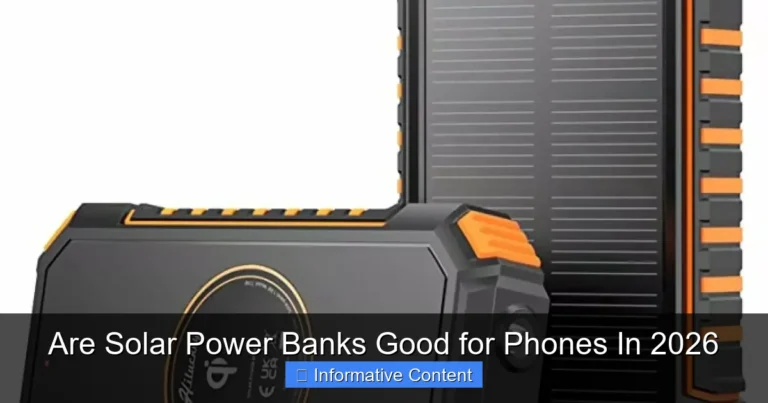
Rugged models are made for rough use. They often come with rubber edges, water resistance, dust protection, and shock resistance. Many also include a bright LED flashlight or even a compass. These features make them popular with campers, hikers, and people preparing for emergencies.
These solar power banks are usually thicker and heavier than compact ones. That is the trade-off. You get more protection and often a larger battery, but you carry more weight. If you spend time outdoors, this type is one of the most practical choices on the market.
High-capacity solar power banks
High-capacity solar power banks are built to store more energy. They may charge a phone several times before needing a refill. Some can also handle tablets or other USB-powered devices. These are useful for long trips, shared family use, or emergency kits.
The downside is size. Bigger battery packs take longer to charge and are heavier to carry. Still, if you want a solar power bank that can keep going for days, this category is worth a close look.
Solar power banks with wireless charging
Some newer solar power banks include wireless charging pads. These let you place a supported phone on the bank without plugging in a cable. That can be convenient, especially if you already use wireless charging at home.
These are nice for convenience, but they are not always the best choice for speed or energy efficiency. Wireless charging can waste a bit more power than wired charging. If you want simple use and fewer cables, though, this feature can be appealing.
Multi-function solar power banks
Many solar power banks now do more than just charge devices. You will find models with built-in flashlights, SOS modes, multiple output ports, fold-out solar panels, and even small displays showing battery level. Some are made for emergency kits, while others are built for travel and outdoor fun.
This category is growing fast because buyers want one tool that can do several jobs. If you are comparing options, think about whether you really need all those extras or just a reliable battery pack.
Key Features to Compare Before You Buy
Battery capacity
Battery capacity is one of the biggest things to check. It is usually listed in mAh, which stands for milliamp hours. A higher number means the bank can store more power. For example, a smaller unit may be enough to charge a phone once, while a larger one may charge it several times.
Do not choose only based on the biggest number. Bigger is not always better if the bank becomes too heavy for your needs. Match the capacity to your lifestyle. A commuter may want something light. A camper may want more power.
Charging speed
Charging speed matters a lot. Look for fast USB-C input and output if you want quicker charging. Some solar power banks also support fast charging standards for phones and tablets. That can save time when you are in a hurry.
Keep in mind that the solar panel itself often charges slowly. The wall input is usually much faster. So if speed matters, choose a model that supports quick recharging through a cable.
Solar panel quality
Not all solar panels are equal. Some are tiny and only meant for emergency top-ups. Others are larger and can collect more sunlight. A bigger panel usually helps, but it also adds size and cost.
If the product claims strong solar charging, read the details closely. Some brands make the solar feature sound more powerful than it really is. The best solar power banks are honest about what the panel can and cannot do.
Durability and safety
If you plan to use your solar power bank outdoors, look for water resistance, dust protection, and shock resistance. These features help the bank survive bad weather and rough handling. Safety features like overcharge protection and short-circuit protection also matter.
For more on safe charging habits, you might also like our article on whether budget chargers are safe to use. The same idea applies here: good protection features are worth paying for.
What Solar Power Banks Are Available in the Market for Different Users
For everyday phone users
If you mostly need a backup for your phone, a small or medium solar power bank is usually enough. These are easier to carry and simple to use. They are great for short trips, long commutes, and daily backup charging.
A practical example: if you leave home in the morning and often end up with a low battery by evening, a compact solar power bank can give you peace of mind. You may never even need the solar panel often, but it is there if you get stuck.
For campers and hikers
Outdoor users need more than a basic battery. They often want rugged housing, a strong flashlight, and a larger battery. Some even prefer foldable solar panels for better sun exposure. These models are made for use away from the grid.
If you camp often, think about weather, weight, and storage. A bank that is too heavy can become annoying on a trail. A bank that is too weak may not last the weekend. Balance is key.
For emergency kits
In an emergency kit, reliability matters most. A solar power bank with a big battery, simple controls, and a built-in flashlight can be a smart pick. It should hold a charge well and be easy to use in the dark.
Many people keep one in a home safety box or car kit. That way, if the power goes out, they still have a way to charge a phone and stay in touch.
For travelers
Travelers often want a model that is light, airline-friendly, and easy to pack. A slim solar power bank can be useful for long layovers, train rides, or days packed with sightseeing. It should also have enough output to charge a phone without taking all day.
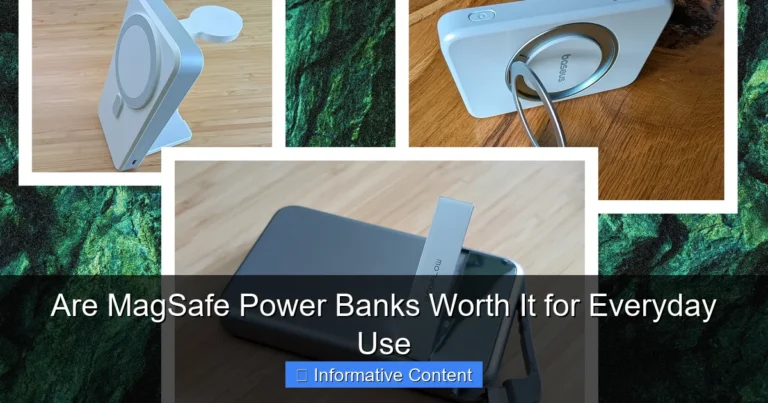
If you travel often, you may also want to compare other portable charging ideas. Our guide on whether MagSafe power banks are good for travel can help you compare styles and decide what fits your routine best.
How to Choose the Right Solar Power Bank
Match the bank to your use case
Start with your main need. Do you want a daily backup? A camping tool? An emergency device? A travel charger? Once you know that, the right type becomes much easier to spot. This is the best way to narrow down what solar power banks are available in the market for you.
Check the real charging method
Many shoppers expect the solar panel to fully recharge the bank quickly. That is rarely the case. In real life, most users charge the bank from a wall outlet and use the solar panel as a backup. If you understand that early, you will avoid disappointment.
Look at port options
Make sure the power bank has the ports you need. USB-A is still common. USB-C is now very useful. Some models offer more than one output, which is handy if you want to charge two devices at once. If you use newer devices, USB-C support is often the smarter choice.
Read reviews carefully
Reviews can tell you a lot about real-world use. Look for comments about solar performance, charging speed, battery life, and build quality. If many buyers say the solar panel is slow, believe them. Honest user feedback is one of the best tools you have.
Common Mistakes to Avoid
Choosing only by capacity
A huge battery number looks impressive, but it does not tell the full story. A large bank may be too heavy or too slow to recharge. Pick the size that fits your routine.
Expecting fast solar charging
This is the most common mistake. Solar charging is usually slow. Treat it as a backup feature, not the main plan, unless the product clearly says otherwise and has a large panel setup.
Ignoring weight and size
A solar power bank that is too bulky may stay in a drawer instead of going with you. Carry comfort matters. If you will not bring it along, it will not help you.
Conclusion
So, what solar power banks are available in the market today? Quite a lot. You can find compact everyday models, rugged outdoor units, high-capacity packs, wireless charging versions, and multi-function emergency tools. Each type has its place, and the best one depends on how you live and where you plan to use it.
The smart approach is simple. Think about your device needs, how much weight you are willing to carry, and whether you want the solar feature mostly for backup or for regular use. If you choose carefully, a solar power bank can be a very useful part of your gear. It may not replace wall charging, but it can give you peace of mind when power is hard to find.
In the end, the best solar power bank is the one that fits your life, charges your devices well, and feels easy to carry every day. That is what makes it worth buying.
Frequently Asked Questions
Are solar power banks good for daily use?
Yes, they can be good for daily use if you want a backup charger for your phone or small devices. Most people still recharge them from a wall outlet, then use the solar feature as an extra safety net.
Do solar power banks charge well in sunlight?
They can charge in sunlight, but usually not very fast. The built-in panel is often best for slow top-ups or emergency use rather than full daily charging.
What size solar power bank should I buy?
It depends on your needs. A smaller model is fine for light use, while a larger one is better for travel, camping, or emergency kits.
Are rugged solar power banks worth it?
Yes, if you spend time outdoors or want a stronger build. They usually offer better protection from water, dust, and drops, which makes them useful in rough conditions.
Can solar power banks charge tablets?
Some can, especially high-capacity models with strong output ports. Still, tablets use more power, so check the output rating before buying.
What should I look for before buying a solar power bank?
Focus on battery capacity, charging speed, port types, durability, and real user reviews. Also remember that the solar panel is usually a backup feature, not the main charging source.