Best Industrial Vacuum for Pet Hair That Works
The best industrial vacuum for pet hair is usually a commercial upright, shop vac, or canister with strong airflow, sealed filtration, and hair-friendly attachments. Choose the type based on your floors, room size, and whether you clean upholstery, stairs, or mixed garage debris too.
If your home deals with constant shedding, tracked-in debris, and fur packed into rugs, furniture, and corners, the best industrial vacuum for pet hair is usually one with strong airflow, sealed filtration, a wide hose, and attachments designed for hair removal rather than fine dust alone. The right choice depends less on raw power claims and more on whether you need a wet/dry shop vac, a commercial upright, or a canister-style machine that fits your floors, room size, and maintenance tolerance.
- Best overall fit: Commercial uprights are often the most practical choice for carpeted homes with heavy shedding.
- Mixed-mess cleanup: Wet/dry shop vacs work well when pet hair combines with litter, dirt, or garage.
- Key buying factors: Check airflow, hose width, filtration, brush design, capacity, and attachment quality.
- Not for everyone: Industrial vacuums can be too loud, heavy, and bulky for small apartments or light.
- Verify before buying: Confirm warranty terms, replacement parts, electrical requirements, and maintenance steps in the official manual.
Best Industrial Vacuum for Pet Hair That Works: Quick Answer and Top Pick Criteria

An industrial vacuum can work extremely well for pet hair, but only when the machine matches the job. For most households that want heavy-duty hair pickup, the sweet spot is a commercial-grade or industrial-style vacuum with high airflow, a sealed filter system, a large debris path, and tools that can clean upholstery, edges, and stairs without clogging every few minutes.
A commercial upright is usually the best all-around pick for pet-heavy carpeted homes, while a wet/dry shop vac makes more sense for mixed garage-to-home messes and a canister or backpack model is often the better fit for stairs, upholstery, and tight spaces.
What makes an industrial vacuum effective on pet hair in 2026
In 2026, the most useful buying signals are still practical ones: airflow, brush design, hose diameter, filtration quality, and how easily the vacuum can keep working as hair builds up. Pet fur is light but stubborn. It tangles around brush rolls, sticks to upholstery through static, and mixes with dander and grit that can quickly choke weak filters.
That means the most effective industrial vacuum for pet hair is not simply the model with the biggest motor number on the box. Strong suction helps, but hair pickup also depends on whether the nozzle seals well to the floor, whether the brush roll keeps agitating carpet without wrapping instantly, and whether the vacuum maintains airflow as the tank or bag fills.
Sealed filtration matters too. If a machine picks up fur but leaks fine dander back into the room, it may still leave the space feeling dusty. For allergy-sensitive households, checking the official manual and manufacturer specs for sealed filtration or HEPA-compatible systems is more useful than relying on vague “advanced filter” marketing language.
When an industrial model is better than a standard household vacuum
An industrial or commercial-grade vacuum becomes the better choice when a normal household model struggles with volume, duration, or surface variety. That often includes multi-pet homes, large carpeted rooms, mudrooms, finished basements, workshops, and homes where pet hair gets mixed with litter, tracked dirt, wood dust, or garage debris.
These machines are typically built for longer cleaning sessions, larger debris loads, and tougher wear. They may offer bigger tanks or bags, longer cords, sturdier hoses, and easier access to service parts. If your current vacuum needs frequent unclogging or overheats halfway through a full-house clean, stepping up to a more industrial design can solve a real problem rather than just add bulk.
Who Should Buy an Industrial Vacuum for Pet Hair

Best fit for multi-pet homes, large floorplans, workshops, and mixed surfaces
This category makes the most sense for homes with two or more shedding pets, large square footage, or cleaning routines that stretch beyond carpet alone. If hair collects on rugs, hardwood edges, stairs, sofa cushions, pet beds, and vehicle interiors, a more robust vacuum platform is easier to live with than a light-duty unit designed for quick touch-ups.
It is also a smart fit for people who clean utility areas where pet hair mixes with sawdust, sand, litter, or dry outdoor debris. In that case, a standard cordless stick may be convenient, but it may not have the capacity or airflow stability needed for repeated heavy cleanups. If you are comparing lighter options first, GadgetMakersBlog also has a guide on which cordless vacuum is best for pet hair for homes that do not need full industrial capacity.
When a commercial-grade vacuum is too much for small apartments or light shedding
Bigger is not always better. In a small apartment with one low-shedding pet and mostly hard floors, an industrial vacuum can be overkill. You may end up with a machine that is louder, heavier, harder to store, and less convenient for quick daily use.
If your main mess is surface fur on a sofa, a few tumbleweeds under the bed, and occasional cleanup around a litter area, a compact upright or cordless model may be easier to manage. Industrial vacuums shine when their durability and capacity are actually needed. Without that need, the tradeoffs can outweigh the benefits.
How Industrial Vacuums Handle Pet Hair Better Than Standard Vacuums
Suction power, airflow, sealed filtration, and motor design explained
Pet hair pickup is really about airflow management. Suction is the force that lifts debris, but airflow is what carries it through the nozzle, hose, and filter path without stalling. Many industrial vacuums are designed to maintain stronger airflow over longer sessions than typical household models, especially when cleaning large rooms or mixed debris.
Motor design matters because pet hair jobs are repetitive and often long. A vacuum that runs hot, loses airflow as the bin fills, or relies on a narrow internal pathway can become frustrating fast. Commercial-style systems often use more durable housings, better cooling, and serviceable filters or bags that help maintain performance over time.
Filtration is another key difference. Fur itself is visible, but dander is not. A vacuum with poor sealing may collect the hair while pushing fine particles back into the room. For homes with allergies, asthma concerns, or heavy indoor shedding, sealed systems with manufacturer-documented filtration standards are worth prioritizing.
Why hose diameter, brush roll design, and debris capacity matter for fur pickup
Hair clogs happen when the air path is too narrow, the brush roll wraps too easily, or the dust bin fills before the job is done. A wider hose is especially useful when fur mixes with kibble crumbs, litter scatter, leaves, or workshop dust. It reduces the chance that a dense wad of hair will jam the intake.
Brush roll design matters most on carpet and rugs. Some models use anti-wrap fins, removable brush rolls, or tool-free access panels that make cleanup less annoying. If the vacuum is intended for upholstery or stairs, a powered hand tool or turbine tool can be more useful than a plain crevice nozzle.
Capacity matters because pet hair is bulky. A vacuum may not look full in terms of weight, but fur can occupy a surprising amount of space. Larger bags or tanks reduce interruptions and may help preserve airflow during longer cleaning sessions.
When comparing models, look beyond “peak power” claims and check the full cleaning path: floor head, hose width, filter type, and whether hair removal from the brush roll is tool-free or at least easy to access.
Key Specifications to Compare Before You Buy
Tank capacity, dimensions, weight, cord length, hose reach, and storage footprint
Start with the basics you will notice every week. Capacity affects how often you stop. Weight affects how often you avoid using the machine. Cord length and hose reach determine whether you can clean stairs, corners, and under furniture without constantly moving outlets.
Storage footprint matters more than many buyers expect. Some industrial vacuums are excellent cleaners but awkward to park in a closet, mudroom, or laundry area. Before buying, compare the machine’s dimensions with the space where it will actually live.
Noise level, filtration type, consumables, and maintenance access
Industrial vacuums are often louder than standard home models, and that can matter in homes with nervous pets, sleeping children, or shared walls. If manufacturer noise data is available, compare it. If not, read the manual and product documentation for design clues such as insulated motor housings or quiet-operation claims that are clearly explained rather than just advertised.
Also check whether the vacuum uses bags, washable filters, disposable filters, or multi-stage systems. Consumables affect long-term cost and convenience. A cheaper machine can become less appealing if replacement filters are hard to find or if maintenance requires partial disassembly every few weeks.
Rated wattage, power draw, plug and cable quality, heat management, and safe-use limits
Electrical details deserve attention, especially for industrial-style machines. Confirm the rated wattage, voltage requirements, and whether the vacuum is intended for standard residential outlets in your region. A heavy-duty motor can draw more power and generate more heat during long sessions.
Check the quality of the plug, cord strain relief, and cable thickness in official product materials when possible. These details matter for durability and safety. The manual should also explain run-time limits, wet-pickup restrictions if applicable, and any warnings about extension cords or overheating.
Warranty details, replacement part availability, and service support to verify
Warranty length alone does not tell the full story. Check what is covered, what counts as normal wear, and whether common parts such as filters, belts, brush rolls, hoses, and wheels are easy to order. Service support matters more on commercial-style machines because buyers often keep them longer and expect repairable parts.
It is also wise to review the official warranty terms, replacement parts catalog, and current support channels before purchase. If a model looks attractive but parts are unclear or the manual is difficult to find, that is a useful warning sign.
Best Industrial Vacuum Types for Pet Hair and Where Each One Works Best
Wet/dry shop vacs for heavy shedding and garage-to-home cleanup
Wet/dry shop vacs are excellent when pet hair is only part of the mess. They are strong candidates for mudrooms, garages, utility rooms, car interiors, and homes where fur gets mixed with leaves, gravel, litter, or workshop debris. Their larger hoses and tanks help reduce clogs from bulky material.
The tradeoff is finesse. A shop vac may need specialized attachments to work well on carpet, rugs, and upholstered furniture. Without the right floor head or hair tool, it can feel powerful but awkward indoors.
Commercial uprights for carpets, rugs, and daily fur removal
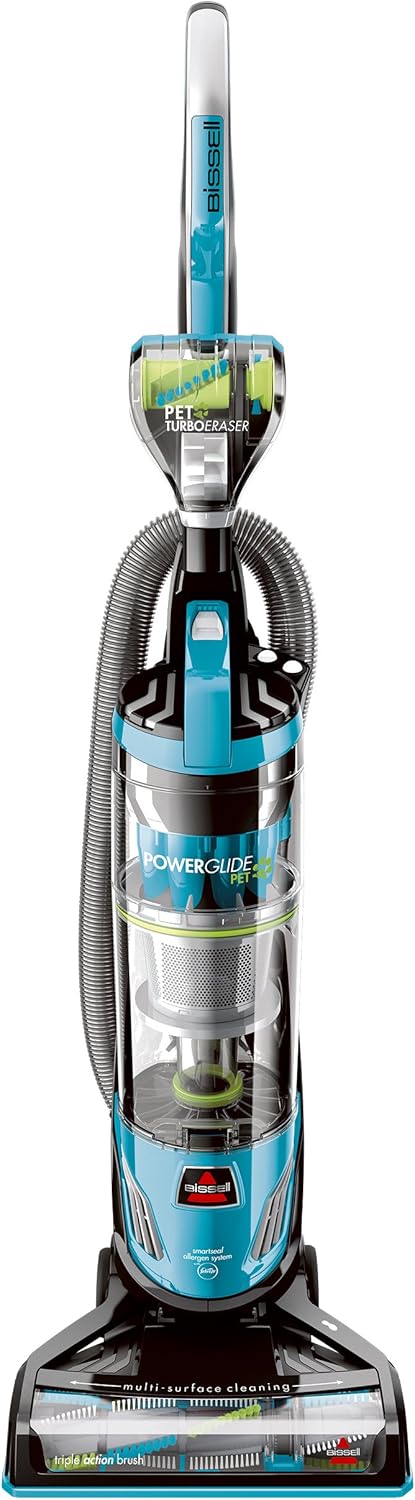
For wall-to-wall carpet, area rugs, and frequent hair cleanup in living spaces, commercial uprights are often the most balanced option. They combine agitation, direct floor contact, and a familiar push format that works well for regular maintenance.
They are especially appealing if your main problem is embedded fur on carpet rather than mixed workshop debris. Some buyers also prefer them over battery models because they avoid charging downtime. If cordless runtime and mobility are priorities, you may also want to compare a commercial vacuum cordless option before deciding.
Canister and backpack models for stairs, upholstery, and under-furniture reach
Canister and backpack designs are strong choices for homes with lots of stairs, furniture, drapes, vents, and upholstered surfaces. The flexible hose and wand setup can make it easier to clean pet beds, couch seams, baseboards, and under low furniture where upright heads struggle.
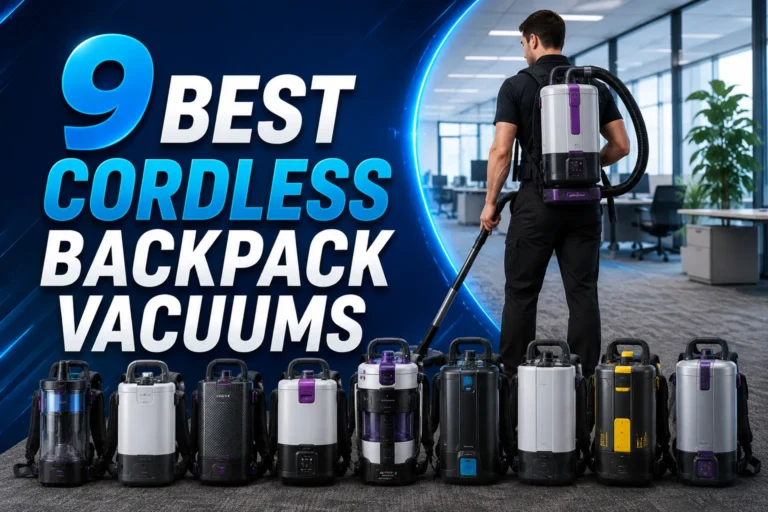
Backpack units can improve mobility in large homes, but they are not ideal for everyone. Fit, weight distribution, and noise placement near the body matter. If that style interests you, a related guide on backpack vacuum cleaners cordless can help narrow the pros and cons of that format.
| Vacuum Type | Best For | Key Consideration |
|---|---|---|
| Wet/dry shop vac | Heavy shedding plus garage or utility debris | Needs the right indoor attachments for carpet and upholstery |
| Commercial upright | Carpets, rugs, and routine fur removal | Can be bulky on stairs or under furniture |
| Canister or backpack | Stairs, upholstery, vents, and reach | Check hose tools, storage, and comfort |
Setup, Accessories, and Real-World Use Tips
Assembly, attachment selection, and floor-specific setup
Before the first full cleaning session, confirm that the filter, bag, brush roll, and hose are installed exactly as the manual shows. A vacuum can lose performance quickly if a seal is slightly off or the wrong floor setting is selected.
Attachments matter more for pet hair than many buyers expect. A motorized hand tool, upholstery nozzle, flexible crevice tool, and hard-floor brush can make a bigger difference than a slight increase in motor size. For mixed flooring, choose a setup that lets you reduce brush aggression on delicate hard floors while keeping enough agitation for rugs.
Use the correct floor height, brush mode, or attachment before starting so hair is lifted instead of pushed around.
Remove hair from pet beds, sofa seams, and baseboards first so the main floor pass picks up the leftovers more efficiently.
Check the brush roll, hose, and filter after large cleanups to prevent the next session from starting with reduced airflow.
Connectivity or app features if included, and when they actually matter
Most industrial vacuums do not need app features, and many buyers will never miss them. If a model includes smart monitoring, it is usually most useful for maintenance reminders, filter tracking, or fleet-style management in commercial settings rather than ordinary pet cleanup at home.
Do not pay extra for connectivity unless the feature solves a real problem for you. App support, firmware updates, and account requirements can vary by region and may change over time, so confirm them on the official app store listing and manufacturer support page.
How to vacuum pet beds, upholstery, baseboards, vents, and car interiors effectively
Pet beds and upholstery often trap hair more tightly than floors. Use a dedicated upholstery or powered hand tool and vacuum in short overlapping strokes from multiple directions. For vents and baseboards, a soft brush attachment usually works better than a bare crevice tool because it loosens static-clung fur without scratching surfaces.
For car interiors, a canister or shop-vac-style hose setup is usually easier than a large upright. Work seats, floor mats, hatch areas, and seat rails separately. If the vacuum supports blower mode, only use it where the manual allows and only when it helps move loose debris into a manageable area.
Common Limitations, Mistakes, and Troubleshooting Issues
Why hair wrap, filter clogging, overheating, and loud operation happen
Hair wrap happens because long fibers twist around moving parts faster than the vacuum can move them into the bin. Filter clogging happens when fine dust, dander, and fur compress into the filter media and restrict airflow. Overheating can follow if the machine keeps running under reduced airflow or if the motor is pushed beyond its intended duty cycle.
Loud operation is common in industrial designs because they prioritize power and durability over quietness. That does not always mean something is wrong, but a sudden change in sound can signal a clog, loose seal, damaged bearing, or blocked intake.
Common buying mistakes, including choosing too much power or the wrong nozzle set
One of the biggest mistakes is buying based on power claims alone. Too much machine for the space can mean unnecessary weight, noise, and storage frustration. Another common mistake is choosing a vacuum with no useful upholstery tool, no anti-wrap brush design, or poor replacement-part support.
Buyers also sometimes overlook cord length, stair handling, or the cost of ongoing bags and filters. A vacuum that seems like a bargain can become inconvenient if it needs constant maintenance or if its attachments do not match the actual places where pet hair collects.
What evidence can and cannot prove in product reviews and comparison claims
Product reviews can help identify patterns such as common clog points, noise complaints, or maintenance frustrations, but they cannot prove that a vacuum will perform identically in every home. Pet breed, hair length, flooring type, room layout, attachment choice, and maintenance habits all change results.
Manufacturer specifications can verify features such as capacity, included tools, warranty terms, and electrical ratings. They usually cannot guarantee how well a vacuum will remove husky fur from a dense rug versus short cat hair from a low-pile carpet. That is why the best buying approach combines official specifications, manual details, support documentation, and broad review patterns instead of one dramatic claim.
Claims about “best suction” or “zero hair wrap” are often model-specific and condition-specific. Confirm the included floor head, filter type, and maintenance instructions before assuming two similar-looking vacuums will behave the same way.
Safe Use, Maintenance, Storage, and Final Recommendation
Safe operation around pets, cords, heat, wet pickup, and electrical inspection
Industrial vacuums are powerful appliances, so safe use matters. Keep pets away from moving brush rolls, avoid running over cords, and stop immediately if the machine smells hot, sparks, or shows cable damage. For wet/dry models, only use wet pickup exactly as the manufacturer allows and never mix dry-use filters with wet cleanup unless the manual says it is safe.
Do not use a vacuum with a frayed cord, loose plug, cracked housing, overheating motor, or wet electrical components. Review the official manual for outlet requirements, extension cord limits, and wet-pickup instructions before use.
Filter cleaning, bag or bin care, odor control, and replacement guidance
Pet hair jobs demand regular maintenance. Empty bins before they are tightly packed, replace or clean filters on the schedule recommended by the manufacturer, and remove wrapped hair from brush rolls before it hardens into a dense layer. Odor control also improves when pet beds, filters, and bins are cleaned before trapped dander and oils build up.
Replacement timing varies by model, filter type, and cleaning frequency, so the safest approach is to follow the manual rather than generic timelines. If suction drops suddenly, inspect the hose, wand, floor head, and filter path before assuming the motor is failing.
Storage tips, long-term value, best alternatives, and a transparent final verdict
Store the vacuum somewhere dry, upright if the manual requires it, with the cord wrapped loosely and attachments kept together so they are actually used. Long-term value comes from a machine that fits your space, has easy-to-find parts, and does not make routine pet cleanup feel like a chore.
If you mostly need fast daily touch-ups, a lighter cordless or compact upright may be the better alternative. But for large homes, multiple pets, heavy shedding, and mixed debris, an industrial vacuum for pet hair can absolutely be the right solution.
The best industrial vacuum for pet hair is usually the one that balances airflow, filtration, hose design, and usable attachments rather than chasing the biggest power claim. Choose a commercial upright for carpet-focused homes, a wet/dry shop vac for heavy mixed messes, and a canister or backpack model when reach, stairs, and upholstery matter more than raw floor coverage.
Frequently Asked Questions
It is best for multi-pet homes, large floorplans, carpet-heavy spaces, and areas where fur mixes with dirt or workshop debris. For small apartments or light shedding, a standard vacuum is often easier to live with.
Look closely at airflow, filtration, hose diameter, brush roll design, capacity, and cord or hose reach. Weight, storage size, and replacement filter availability also matter more than many buyers expect.
They can be very effective, especially for garages, mudrooms, car interiors, and mixed debris cleanup. Their main weakness is that they may need better indoor attachments for carpets, rugs, and upholstery.
Expect regular filter care, bag or bin emptying, and brush roll checks because fur builds up quickly. The exact schedule varies by model, so the manufacturer manual is the safest guide.
Usually no. If a model includes smart features, they are more useful for maintenance reminders or commercial management than for ordinary home cleaning.
Confirm dimensions, power requirements, included tools, filter type, wet-pickup limits, and warranty details. It is also smart to check replacement parts, support access, and any current safety notices.