Pet Hair Vacuum Grooming Guide for Cleaner Homes
Pet hair vacuum grooming tools combine brushing or clipping with suction, so loose fur goes into a bin instead of drifting onto floors, furniture, and clothing. For many shedding pets and busy households, that can make coat maintenance cleaner and faster than using a regular brush alone, but the best fit depends on coat type, noise tolerance, attachment quality, and how much upkeep you are willing to handle.
- Main benefit: It removes loose fur at the source and can cut down on cleanup after.
- Best fit: It works best for medium- to long-coated pets with regular shedding.
- Key specs: Compare suction control, hose reach, attachments, filter upkeep, and storage size.
- Biggest drawback: Sensitive pets may dislike the sound or feel of the machine.
- Before buying: Verify coat compatibility, replacement parts, warranty terms, and return policy.
What Is Pet Hair Vacuum Grooming and Is It Worth It for Cleaner Homes?
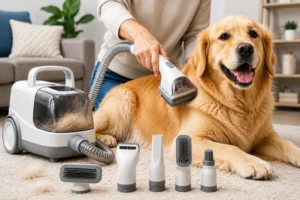
Pet hair vacuum grooming usually refers to a grooming system with a hose-connected suction unit and interchangeable heads such as deshedding combs, slicker-style brushes, trimming tools, or cleaning nozzles. The basic idea is simple: remove loose fur at the source while capturing it before it spreads around the room.
For homes that constantly battle tumbleweeds of fur, this format can be worth considering because it shifts part of the cleanup process from floors and upholstery to grooming time. Instead of brushing a pet and then vacuuming the couch, rug, and nearby air vents afterward, you may reduce the mess during the grooming session itself.
How vacuum-assisted grooming removes loose fur before it spreads
A standard brush pulls out loose undercoat and surface hair, but that fur often falls onto nearby surfaces or floats in the air. A vacuum-assisted grooming head adds airflow that pulls much of that loosened hair through the comb or around the brush head and into a dust bin. That can be especially useful during seasonal shedding when even a short grooming session creates a surprising amount of fluff.
This approach may also help with dander-heavy cleanup, although results vary by pet, coat condition, and filter quality. A sealed bin and decent filtration can keep collected fur contained better than brushing over a trash can or outdoors on a windy day.
When this type of tool works better than a standard brush or vacuum
Pet hair vacuum grooming tends to work best when the pet has a medium or long coat, sheds heavily, or drops fur continuously around the home. It is also appealing in apartments where fur drifts quickly into tight spaces and soft furnishings.
It usually works better than a standard brush when your main problem is loose fur spreading everywhere during grooming. It works better than a standard vacuum when you need controlled grooming rather than broad floor cleaning. If your bigger challenge is already-shed hair embedded in rugs, you may still need a dedicated floor vacuum. If that is your main concern, GadgetMakersBlog’s guide to which cordless vacuum is best for pet hair can help with the cleanup side of the equation.
How Pet Hair Vacuum Grooming Systems Work

Most systems follow the same workflow: a motor creates suction, a hose carries airflow to the grooming head, and loosened fur travels back into a dust container. The details matter, though, because comfort, cleaning performance, and maintenance vary a lot by design.
Core parts: grooming heads, suction unit, hose length, dust bin, and filters
The grooming heads determine what the system can actually do. Deshedding combs are meant to pull out loose undercoat. Brush heads help lift surface fur and smooth the coat. Trimming heads on some models are intended for clipping, but safe use depends heavily on blade design, guard sizes, and pet temperament.
The suction unit is the base that holds the motor, dust bin, and filter system. Hose length affects comfort because a short hose can make the machine feel too close to the pet, while a longer hose can give you more room to work. Dust bin size matters in heavy-shedding homes because small bins fill quickly. Filters help trap fine debris, but replacement schedules and washability vary by model.
Noise levels, airflow strength, corded vs rechargeable designs, and power ratings to compare
Noise is one of the most important buying factors because even a well-designed tool can fail if the pet refuses to stay near it. Manufacturers may list low-noise or quiet operation claims, but real-world tolerance still depends on motor pitch, hose resonance, room acoustics, and how sensitive your pet is.
Airflow strength affects how effectively hair is captured. Too little suction can leave fur on the coat or clog the head. Too much suction can feel uncomfortable, especially on smaller pets or thin-coated areas. Adjustable suction is often more useful than chasing the highest power figure.
Corded systems usually offer more consistent runtime and no battery management, but they need outlet access and can be less flexible in smaller rooms. Rechargeable designs are easier to move around, though runtime, charging time, and battery lifespan should be checked carefully before buying. If you are already comparing battery-powered cleaning tools, it may also help to review GadgetMakersBlog’s overview of a cordless vacuum with replaceable battery to understand long-term battery considerations.
Power ratings can be useful, but they do not tell the whole story. Motor wattage alone does not guarantee better grooming performance. Head design, airflow path, seal quality, and filter condition all affect results.
App features, smart controls, and connectivity limits if a model includes them
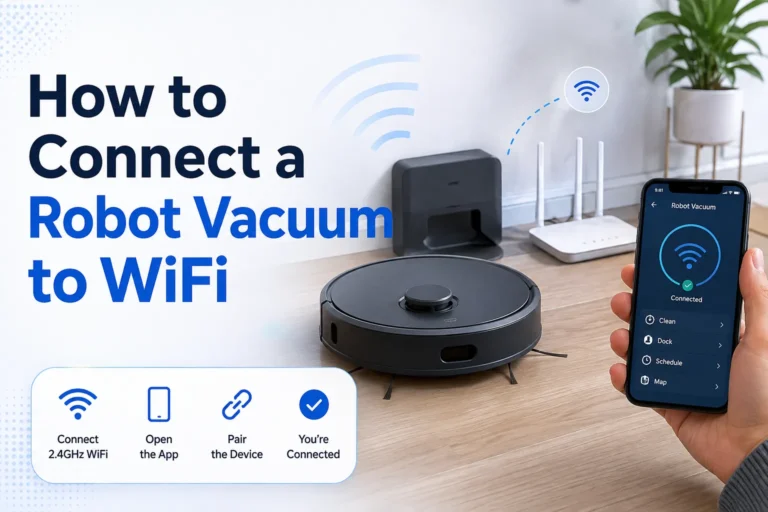
Some newer grooming systems may include app pairing, maintenance reminders, suction presets, or usage tracking, though many do not. If a model advertises smart features, verify whether the app is required for basic operation or only optional for extras.
Connectivity can add convenience, but it also introduces limits. App availability can vary by region, phone OS version, and future software support. Firmware updates may change interface options over time. If privacy matters to you, review app permissions and the manufacturer’s support page before connecting anything.
Who Pet Hair Vacuum Grooming Fits Best
These tools are not equally useful for every pet or every home. The right match comes down to coat behavior, grooming needs, and whether your pet can stay calm around a machine.
Best matches by coat type, shedding level, pet size, and grooming tolerance
Vacuum-assisted grooming is usually most helpful for double-coated dogs, long-haired cats that tolerate brushing, and medium-to-large pets that produce a lot of loose fur. It can also make sense for breeds that need frequent deshedding sessions or households where brushing currently creates a mess on every surface nearby.
Pets that already accept normal brushing often adjust more easily than pets that dislike handling in general. Larger pets may also benefit from a hose-based setup because you can work through more coat in one session without constantly stopping to clean up.
Homes, apartments, and multi-pet setups where the format makes the most sense
Apartment dwellers often appreciate these systems because they reduce airborne fur in smaller living areas. Homes with fabric-heavy rooms, rugs, and upholstered seating may also benefit because less loose fur escapes into the environment during grooming.
Multi-pet households can get strong value from a larger-capacity system with easy-to-clean attachments. If you groom several shedding pets in one week, convenience matters more than novelty. In those cases, bin size, filter maintenance, and hose durability become more important than extras.
When anxious pets, very short coats, or heavy matting may require another approach
Very anxious pets may find the motor noise, hose movement, or suction sensation stressful. Very short-coated pets may not gain much because there is less loose fur to capture and less need for deshedding tools. Heavy matting is another case where caution matters. Severely tangled coats may require a professional groomer or veterinary guidance rather than a home gadget.
Vacuum grooming is also not a substitute for diagnosing skin issues, coat thinning, or irritation. If the pet has sore spots, inflamed skin, or unexplained hair loss, stop and get expert advice before grooming further.
- Captures loose fur during grooming instead of after
- Can shorten cleanup time in shedding season
- Useful for apartments and multi-pet homes
- Noise can be a deal-breaker for sensitive pets
- Not ideal for severe matting or skin problems
- Requires filter, bin, and attachment maintenance
Key Buying Criteria Before You Choose a Pet Hair Vacuum Grooming Tool
Before choosing a model, focus on practical fit rather than marketing language. The best system is the one your pet tolerates, your space can support, and your routine can maintain.
Dimensions, portability, storage footprint, and hose reach
Check the size of the base unit, especially if you live in a smaller apartment or need to store it in a closet. A compact machine is easier to put away, but it may have a smaller dust bin or shorter hose. Portability matters if you plan to groom in different rooms or move the unit between floors.
Hose reach affects posture and control. If the hose is too short, you may have to place the machine uncomfortably close to the pet, which can increase stress.
Attachment types, comb sizes, and fit by breed or coat length
Not every attachment works for every coat. Long coats may need wider comb spacing or detangling-friendly heads, while thick undercoats may benefit from a dedicated deshedding comb. Small pets need attachments sized for narrow body areas and gentler handling.
Look for clear manufacturer guidance on intended coat types and included guard sizes if trimming is part of the system. If that information is vague, treat the tool more as a grooming aid than a one-size-fits-all solution.
Consumables and upkeep: filters, dust cups, replacement blades, and cleaning tools
Some systems are inexpensive up front but rely on proprietary filters or replacement blades. Before buying, verify whether wear parts are easy to find and whether the manual explains cleaning intervals. A washable filter may reduce ongoing cost, but only if the manufacturer allows repeated washing and drying.
Setup requirements, outlet access, battery runtime, cable quality, heat management, and safe-use limits
For corded units, make sure you have safe outlet access where grooming will happen. For rechargeable models, confirm whether the stated runtime applies to low-power or mixed use, since high suction can shorten sessions.
Cable quality matters because grooming often involves movement around pets, furniture, and tight corners. Heat management matters too. A unit that becomes unusually hot, smells burnt, or loses suction quickly needs attention before further use.
Warranty coverage, return policy, and support details to verify in 2026
In 2026, it is worth checking more than the headline warranty length. Verify what parts are covered, whether batteries or consumables are excluded, how support is handled in your region, and whether the return window allows enough time for careful pet introduction.
Also check for current manuals, support pages, replacement-part listings, software update notes if applicable, and any posted safety notices or recalls. Those details often reveal more about long-term ownership than product photos do.
Real-Use Benefits, Trade-Offs, and Value for Different Households
The value of pet hair vacuum grooming is less about luxury and more about workflow. It changes where the fur goes and how many separate cleanup steps you need afterward.
Cleaner floors, less airborne fur, and faster cleanup between deep cleans
If you groom regularly, collecting fur directly into a bin can reduce how much ends up on hard floors, rugs, pet beds, and clothing. That does not eliminate house cleaning, but it can make daily maintenance easier between deeper vacuum sessions. For broader room cleanup after grooming, a standard stick or handheld unit may still be useful, and GadgetMakersBlog’s Vaclife cordless vacuum cleaner guide covers what to look for in a more general-purpose option.
Comfort, convenience, and grooming efficiency compared with separate tools
One device that brushes and captures fur can be more convenient than juggling a brush, lint roller, and floor vacuum. It may also help keep grooming contained to one area, which is useful in homes without a mudroom, laundry room, or outdoor grooming space.
Efficiency improves most when the pet accepts the process and the attachment matches the coat. If either of those is off, a simpler brush may still be faster.
Limitations: noise sensitivity, learning curve, maintenance, and upfront cost
The main trade-off is tolerance. Some pets need several short sessions before they accept the machine. Owners also need to learn which suction setting and attachment work best for different body areas.
Maintenance is another factor. Filters clog, bins fill, hoses collect debris, and blades wear out. Upfront cost can also be higher than buying a basic brush, so the value is strongest for homes that will use the system often.
How to Set Up and Use a Pet Hair Vacuum Grooming System Safely
Safe setup matters as much as suction power. A calm first experience can determine whether the tool becomes useful or ends up stored away.
Unboxing, assembly, filter check, and first-use inspection
Start by checking that all required parts are present and undamaged. Read the official manual before attaching grooming heads, charging the unit, or plugging it in.
- Base unit, hose, and intended grooming attachments
- Filter or preinstalled filter housing
- Charging cable or power cord, if applicable
- Cleaning brush, guards, and user manual
Inspect the filter fit, dust bin seal, hose connection, and cable condition. If a battery model arrives partially charged, do not assume that charge level reflects full runtime or battery health.
Introducing the tool gradually to reduce stress and avoid common mistakes
Let the pet see and sniff the tool while it is off. Then run it at a distance before bringing it closer. Short, low-pressure sessions usually work better than trying to finish a full groom on day one.
A common mistake is starting with the loudest setting or the most sensitive body area. Another is forcing the pet to stay still while the machine is unfamiliar. Calm introduction matters more than speed.
Safe grooming technique by body area, session length, and suction setting
Use lower suction on sensitive zones and avoid pressing the head hard into the coat. Move in controlled strokes and watch for signs of discomfort such as flinching, pulling away, panting, or sudden agitation.
Back, sides, and upper chest are often easier starting points than legs, belly, ears, face, or tail. Session length depends on coat density and pet tolerance, but shorter sessions are generally safer while learning. If trimming is involved, use only the guards and coat types specified by the manufacturer.
Heat, motor strain, damaged cords, worn batteries, and signs a unit should be repaired or replaced
Stop using the unit if the motor becomes unusually hot, airflow drops sharply, the hose repeatedly clogs, the battery swells, or the cord shows cuts or exposed wiring. Unusual smells, sparking, or rattling are also signs to disconnect power and follow manufacturer support guidance.
Do not attempt unsafe battery, motor, or power-supply modifications. If a part is damaged, replace it only with approved components listed by the manufacturer.
Maintenance, Cleaning, and Storage for Long-Term Performance
Regular maintenance keeps suction more consistent and helps the tool stay hygienic. Hair, dander, skin oil, and fine dust build up faster than many buyers expect.
How often to empty the bin, wash filters, and remove hair from attachments
Empty the bin whenever it approaches the manufacturer’s fill line or sooner during heavy shedding sessions. Clean attachments after each use if hair wraps around combs or brush edges. Filter care varies, so follow the manual for washing, drying time, and replacement intervals.
Using a damp or not-fully-dried filter when the manufacturer requires dry installation can reduce airflow or damage the unit.
Blade and comb care, odor control, and replacement timing for wear parts
If the system includes trimming blades, keep them free of packed hair and check whether lubrication is recommended. Dull blades can tug instead of cutting cleanly. Comb teeth should also stay free of residue that can reduce smooth movement through the coat.
For odor control, empty debris promptly and store the unit clean and dry. Replacement timing for blades, filters, and other wear parts depends on use frequency, coat type, and the manufacturer’s maintenance schedule.
Storage tips for hoses, cables, batteries, and compact spaces
Store hoses without sharp bends, wrap cables loosely, and keep rechargeable units away from excessive heat or damp areas. If the battery is removable, follow the manufacturer’s storage guidance for long periods of non-use.
Compact storage is easier when accessories have a dock, bag, or onboard holder. If they do not, use a labeled bin so grooming heads do not get mixed with general vacuum tools.
Common Problems, Comparison Factors, and Final Recommendation
Most complaints about pet hair vacuum grooming come down to four issues: weak suction, clogging, loud operation, or pet resistance. Each one is manageable to a point, but they should influence your buying decision.
Troubleshooting weak suction, clogging, loud operation, and pets that resist grooming
Weak suction often points to a full bin, dirty filter, blocked hose, or poor seal around the dust cup. Clogging usually happens when thick fur, damp debris, or packed undercoat collects at narrow points in the airflow path. Loud operation can come from normal motor design, but sudden changes in sound may signal blockage or wear.
If the pet resists grooming, step back to shorter sessions, lower suction, and gentler attachments. If resistance remains strong, the format may simply not be a good match.
How to compare models fairly: noise, power, attachments, maintenance cost, and evidence limits
Compare models by the things that affect ownership: included attachments, suction adjustability, hose reach, bin size, filter upkeep, replacement-part availability, and whether the manufacturer clearly explains coat compatibility. Noise claims should be treated cautiously unless they are backed by clear testing conditions.
Be careful with broad marketing promises. Results are user-dependent and pet-dependent, and some features may vary by firmware or region. Always verify current specifications, support details, and recall notices on the official product page before buying.
Best choice for most homes, who should skip it, and when a traditional grooming setup is better
For most homes, the best pet hair vacuum grooming tool is a simple model with adjustable suction, a deshedding attachment that matches your pet’s coat, easy-to-clean filters, and a hose long enough to keep the base unit at a comfortable distance. That combination matters more than flashy extras.
Skip this category if your pet is highly noise-sensitive, barely sheds, or has severe matting or skin issues that need professional attention. A traditional grooming setup is often better when you only need occasional brushing and already own a strong floor vacuum for cleanup.
Pet hair vacuum grooming is a smart fit for shedding pets and homes that want less fur floating around during brushing, not a universal replacement for every grooming tool. Choose it for cleaner grooming sessions and easier upkeep, but prioritize pet tolerance, safe use, and replacement-part support over raw power claims.
Frequently Asked Questions
No. It usually fits shedding pets that already tolerate brushing, but very anxious pets, very short-coated pets, or pets with skin issues may do better with another grooming approach.
Check coat compatibility, included attachments, suction adjustment, hose length, bin size, filter type, power source, and storage footprint. It is also smart to verify replacement-part availability, warranty terms, and the return policy.
Usually no. Most models work without smart features, and if an app is included, it is often optional for settings or reminders rather than basic grooming.
Empty the bin whenever it gets near full and remove hair from attachments after each session. Filter cleaning and replacement depend on the model, so follow the official manual.
Cordless models are easier to move and store, while corded models often offer longer, more consistent runtime. The better choice depends on your grooming space, outlet access, and how long sessions usually last.
Stop using it if the unit overheats, smells burnt, loses suction suddenly, has a damaged cord, or shows battery swelling. Also stop if your pet shows strong distress or if the coat has severe matting or irritated skin.