Heelkl Rechargeable Portable Fan Review for Cool Comfort
The Heelkl rechargeable portable fan is a sensible choice for personal cooling if you want cordless convenience and simple placement. Verify the battery, charging method, and airflow claims before buying, because performance will matter more than the price tag.
The Heelkl rechargeable portable fan is a practical pick if you want cordless cooling for a desk, bedside table, dorm room, or short trip. It is best viewed as a convenience fan rather than a room-cooling replacement, so the real question is whether its size, battery claims, and airflow match your everyday needs.
- Best use: Personal cooling on a desk, bedside table, or during travel.
- Main check: Confirm battery capacity, runtime, and charger type before purchase.
- Big trade-off: Portability usually means less airflow than a larger plug-in fan.
- Safety first: Stop using damaged cables, swollen batteries, or overheating units.
- Value test: A budget fan is worthwhile only if the specs are clearly listed.
Heelkl Rechargeable Portable Fan Review: Is It Worth Buying in 2025?
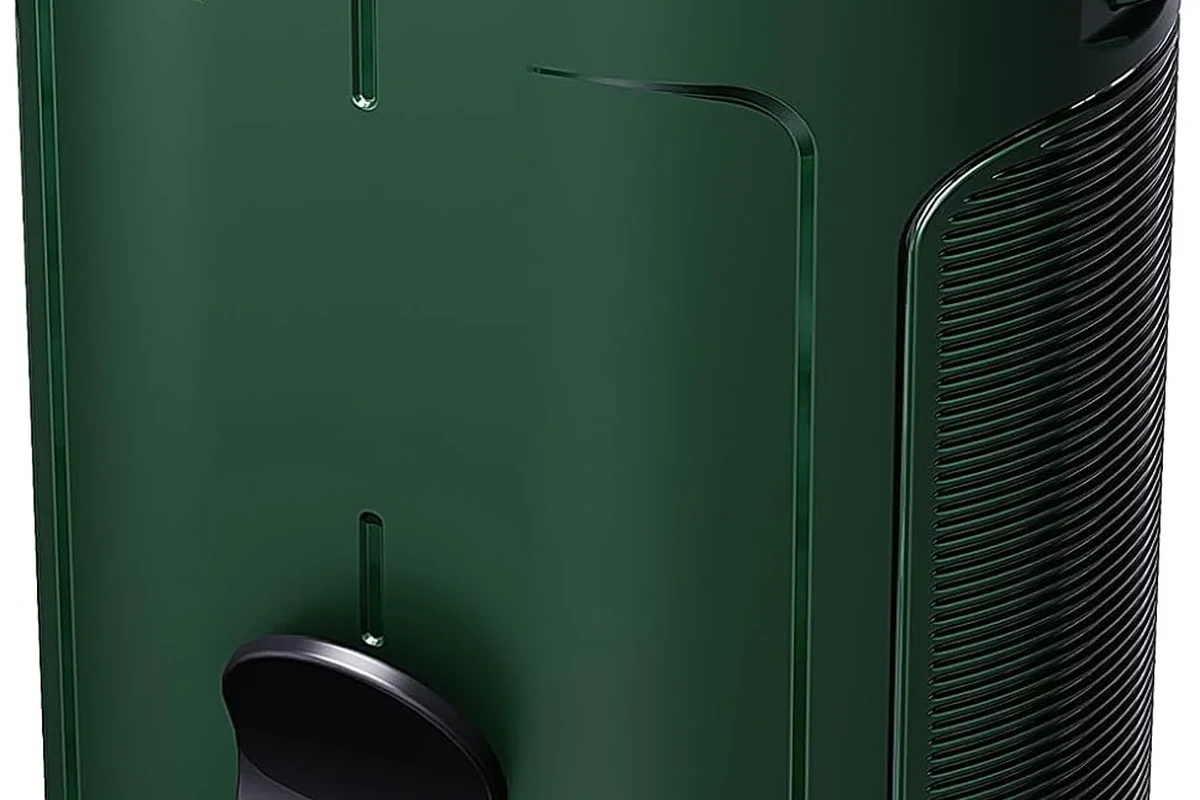
Quick verdict up front: what this fan does well, who it suits, and where it falls short
If you need a lightweight fan for personal cooling, the Heelkl rechargeable portable fan can make sense as a budget-friendly convenience device. It is most appealing for students, office workers, and travelers who want flexible placement and cordless use, but buyers who expect strong whole-room airflow or near-silent sleep performance should compare other options first.
How this review is evaluated without first-hand testing: specs, user feedback, and buyer priorities
This review is based on the product information that is publicly available, common buyer concerns, and the practical questions that matter most before purchase. Because no verified first-hand testing is available here, the best approach is to confirm the exact model details, read the manual, and compare the listed battery, charging, and noise claims against your own use case.
What the Heelkl Rechargeable Portable Fan Is and How It Works
Rechargeable battery design, airflow basics, and typical operating modes
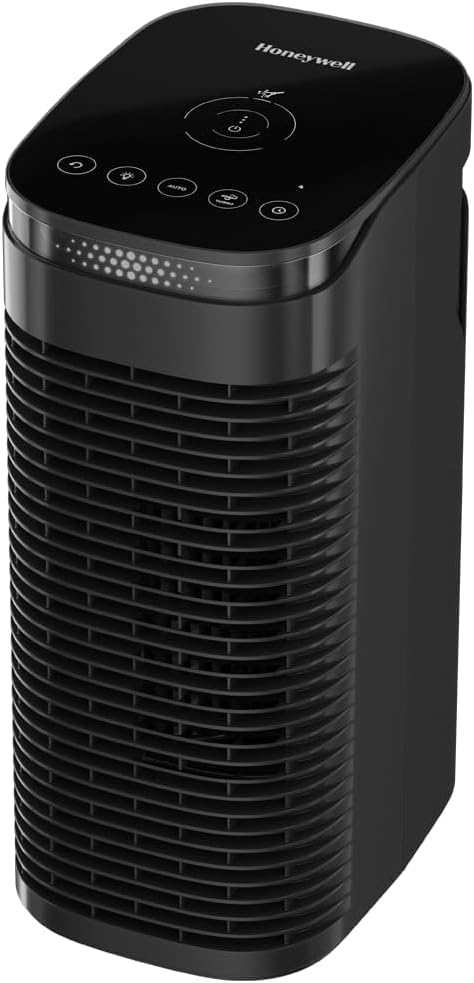
A rechargeable portable fan uses an internal battery so it can run without staying plugged into the wall. In practical terms, that means you can move it from one room to another, use it during a power outage, or keep it on a desk without cable clutter, as long as the battery is charged and the fan is designed for safe portable use.
Most fans in this category offer a small motor, a front grille, and a few speed settings. Some models may include oscillation, a tilt stand, a foldable body, or a timer, but those features vary by version, so it is smart to verify the exact listing rather than assume every Heelkl fan includes the same controls.
For portable fans, battery life often drops at higher speed settings because the motor has to work harder to move more air.
What “portable” means in real use: desk, bedroom, travel, and outdoor scenarios
Portable does not always mean pocket-sized. In fan shopping, it usually means easy to carry, simple to reposition, and usable in spaces where a full-size fan would be awkward, such as a dorm desk, nursery side table, RV countertop, or hotel nightstand.
That portability can be especially useful for people who already rely on other compact gear, like a budget portable charger for daily carry or one of the portable MagSafe power banks for phone backup. The same logic applies here: compact convenience matters most when the device is easy to place, charge, and store.
Key Specifications to Verify Before You Buy
Battery capacity, runtime claims, charging method, and rated wattage limits
The most important details to verify are the battery capacity, the runtime claim at each speed, and the charging method. If the listing does not clearly state these, or if the details differ between retailer pages, treat the runtime as an estimate rather than a promise.
For charging gear in general, it is also worth confirming whether the fan expects USB-A, USB-C, or a barrel-style connector, and whether the charger you already own is compatible. If you are also comparing charging accessories for other devices, our guides to Samsung portable chargers and other portable chargers can help you think through cable and power compatibility.
Fan size, weight, foldability, oscillation, speed settings, and noise level
These are the features that most strongly affect daily satisfaction. A smaller fan may be easier to move but less effective in open spaces, while a larger one may deliver better airflow but be less convenient on a crowded desk or shelf.
- Check whether the fan folds, tilts, or oscillates before buying if you need flexible placement.
- Look for the speed settings that matter to you, not just the total number listed.
- Pay attention to noise descriptions from users who mention bedroom or office use.
Noise is subjective, and manufacturer decibel claims are not always easy to compare across brands. If quiet operation matters to you, look for real-world comments about sleep use, low-speed hum, or motor vibration rather than relying on a single number alone.
Cable quality, charger compatibility, and safe charging expectations
With portable fans, the cable matters more than many buyers expect. A loose connector, a thin cable, or a mismatched adapter can lead to slow charging or unreliable power delivery, so the safest approach is to use the charger type recommended in the manual whenever possible.
Do not use a fan with a damaged cable, swollen battery, unusual heat, or a charging port that feels loose or intermittently disconnects. Stop using it and follow the manufacturer’s guidance if anything looks unsafe.
Who the Heelkl Portable Fan Fits Best
Ideal users: students, office workers, travelers, and light-duty home cooling needs
This type of fan is usually a strong fit for people who want personal cooling at close range. Students can use it on a dorm desk, office workers can keep it near a workstation, and travelers may appreciate a compact fan for hotel rooms, temporary rentals, or packed carry-on setups.
It also suits homeowners who want a secondary fan for small spaces rather than a primary cooling solution. If your goal is to move air around a reading nook, craft table, or bedside area, a rechargeable portable fan can be more convenient than a larger plug-in model.
Who should consider a different fan: people needing strong room cooling or ultra-quiet sleep use
If you want to cool an entire bedroom, family room, or shared workspace, a portable rechargeable fan may feel underpowered. Likewise, if you are extremely sensitive to noise, you may want to compare models that are specifically marketed for sleep or ultra-quiet operation.
Buyers who want cordless, personal cooling in a compact form and are willing to accept modest airflow in exchange for portability.
Real-World Benefits and Practical Trade-Offs
Convenience, cordless freedom, and energy use compared with plug-in fans
The biggest advantage of a rechargeable fan is freedom from outlet placement. You can move it where you need it, use it during brief outages, and avoid running a cord across a walkway or work surface.
Compared with a plug-in fan, it may also feel simpler in temporary setups because you do not have to rearrange furniture around an outlet. The trade-off is that battery-powered convenience usually comes with lower sustained output than a larger mains-powered fan.
Portability versus airflow strength, battery life, and durability compromises
Every portable fan sits somewhere between convenience and performance. Smaller blades, lighter housings, and compact batteries help with portability, but they can also limit airflow, shorten high-speed runtime, and make the unit more vulnerable to wear if it is tossed into a bag without protection.
- Cordless use is convenient in bedrooms, desks, and travel setups
- Usually easy to move, store, and reposition
- Can help during short outages or hot spots
- May not move enough air for larger rooms
- Battery runtime depends heavily on speed setting
- Durability and noise can vary by build quality
If you are choosing between a fan and a power bank for travel comfort, remember that the best portable accessory is the one that solves your biggest problem first. For some people that is phone backup; for others it is cooling at a desk or bedside.
Value for money: when a budget rechargeable fan makes sense in 2025
A budget rechargeable fan makes sense when you need occasional, personal cooling and do not want to spend on a larger appliance. It is especially sensible if the product page clearly lists the battery, charging method, and speed settings, because those details help you judge whether the low price is actually a good value.
It is less compelling if the listing is vague, the warranty is unclear, or the fan seems to rely on marketing language instead of specific performance information. In that case, a slightly more expensive model with clearer specs may be the better long-term buy.
How to Set Up, Charge, and Use It Safely
First-charge steps, recommended charging habits, and indicator-light checks
Before the first use, read the manual and confirm the charging instructions for your exact model. Some rechargeable fans arrive partially charged, but it is still wise to fully charge them before relying on them for a long session.
Check the fan body, cable, and any included adapter for visible damage before plugging anything in.
Use the cable and adapter type listed by the manufacturer whenever possible, especially on the first charge.
Confirm that the charging light behaves as described in the manual so you know when the battery is full.
Safe-use limits: avoiding overheating, overcharging, wet environments, and blocked vents
Portable fans should be kept away from sinks, wet counters, and other splash-prone areas unless the manual specifically says otherwise. Also avoid covering the vents or setting the fan against soft materials that can restrict airflow and trap heat.
Stop using damaged electronics, swollen batteries, frayed cables, overheating chargers, or unstable appliances and follow the manufacturer’s guidance.
Inspection checklist for the battery, plug, cable, and housing before regular use
- Check compatibility, model number, app requirements, dimensions, ports, wattage, and intended use
- Confirm safety guidance, warranty, return policy, privacy settings, and update support
- Inspect the housing for cracks, loose joints, or bent grille sections
- Look for cable wear, bent connectors, or charging port looseness
Maintenance, Storage, and Troubleshooting Guide
Cleaning blades, grills, and vents without damaging the motor or battery compartment
Unplug the fan before cleaning and use a dry or slightly damp cloth, depending on the manual’s instructions. If the grille opens for cleaning, handle it gently and avoid spraying liquid directly into the motor area or battery compartment.
Dust buildup can reduce airflow and make the fan sound louder over time, especially on compact models. A simple cleaning routine can help the fan feel stronger and may also reduce strain on the motor.
Storage tips for longer battery health during off-season or travel
If you will not use the fan for a while, store it in a cool, dry place and avoid leaving it fully depleted for long periods. Battery health generally benefits from moderate storage conditions, but the exact recommendation depends on the battery type and the manufacturer’s guidance.
Common issues: weak airflow, charging failure, unusual noise, and short runtime
Weak airflow is often caused by dust, a low battery, or a speed setting that is lower than expected. Charging problems can come from a loose cable, the wrong adapter, or a dirty charging port, so checking those basics is a good first step before assuming the unit is defective.
Unusual noise may point to debris in the grille, a loose part, or wear in the motor assembly. If the fan gets hot, smells unusual, or behaves inconsistently, stop using it and consult the manual or customer support.
When to replace the battery, cable, or fan unit instead of repairing
For many budget portable fans, replacement is more practical than repair if the battery no longer holds a useful charge or the cable/charging port is unreliable. If the unit is inexpensive and the manufacturer does not offer supported parts, replacing the whole fan may be the safer and more economical option.
Final Recommendation: Should You Buy the Heelkl Rechargeable Portable Fan?
Best-fit buying advice, main drawbacks to accept, and alternatives to compare before deciding
Buy the Heelkl rechargeable portable fan if you want a compact, cordless fan for personal cooling and you are comfortable verifying the exact specs before purchase. It is a reasonable choice for desks, bedside tables, and travel bags, but you should compare it with other portable fans if you need stronger airflow, longer runtime, or quieter overnight use.
Transparent verdict on overall value, comfort, and usefulness for 2025 shoppers
Overall, the Heelkl rechargeable portable fan appears most useful as a convenience-first gadget rather than a heavy-duty cooling solution. If the battery, charging setup, and speed options match your routine, it can be a practical buy; if not, a more clearly specified alternative will likely serve you better.
Frequently Asked Questions
It suits shoppers who want personal cooling for a desk, bedside table, dorm room, or travel setup. If you need strong room-wide airflow, a larger plug-in fan is usually the better choice.
Focus on battery capacity, runtime at each speed, charging method, and noise information if it is available. If the seller does not list those clearly, confirm the exact model details before ordering.
It can be, but only if the low-speed noise and airflow feel comfortable to you. If you are sensitive to sound, look for user feedback that specifically mentions bedroom use.
Use the cable and adapter recommended by the manufacturer whenever possible. Avoid damaged cords, loose ports, and charging in wet or overly hot areas.
The main trade-offs are limited battery runtime, smaller airflow output, and build quality that can vary by model. Those compromises are normal for compact cordless fans.
If the battery no longer holds a useful charge, the cable or port is unreliable, or the unit shows heat or damage, replacement is often the safer choice. For low-cost fans, repair may not be practical or supported.