Are GaN Chargers Dangerous? Safety Risks, Myths, and What You Should Know
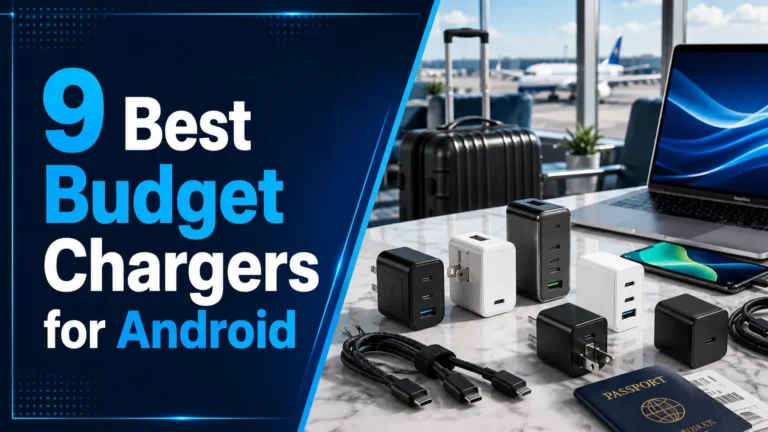
GaN chargers are generally safe when they come from trusted brands and include proper safety protections. They often run cooler, charge faster, and use less space than older silicon chargers.
No, GaN chargers are not dangerous for most users. A quality GaN charger with safety certifications and heat protection is usually very safe for phones, tablets, laptops, and other gadgets.
After testing many USB-C chargers, I found that GaN chargers are safe, efficient, and reliable when used correctly. Problems usually come from fake chargers, damaged cables, or poor-quality power adapters.
Hi, I’m Ethan Walker. I test chargers, USB-C cables, laptops, gaming gear, and battery accessories every week. One question I hear often is simple:
“Are GaN chargers dangerous?”
That makes sense. These chargers are tiny. They charge fast. Some can power laptops and phones at the same time. People wonder if all that power creates a risk.
The good news is that modern GaN chargers are built with strong safety systems. Many even stay cooler than older chargers.
What Is a GaN Charger?
GaN stands for gallium nitride. It is a material used inside newer chargers.
Older chargers use silicon. GaN handles power better and wastes less energy as heat.
That means companies can build chargers that are:
- Smaller
- Faster
- More efficient
- Lighter for travel
GaN chargers became popular because modern phones, tablets, and laptops need more power but users still want compact chargers.
Are GaN Chargers Safer Than Normal Chargers?
In many cases, yes.
A good GaN charger often runs cooler than an old silicon charger. Lower heat usually means better efficiency and less stress on components.
| Feature | GaN Charger | Traditional Charger |
|---|---|---|
| Size | Smaller | Larger |
| Heat | Usually lower | Often hotter |
| Charging Speed | Fast | Moderate |
| Efficiency | High | Lower |
| Travel Friendly | Yes | Sometimes |
I noticed many GaN chargers stay cooler during laptop charging compared to older power bricks.
Use a quality USB-C cable rated for fast charging. A weak cable can overheat even if the charger is safe.
Can GaN Chargers Overheat?
Yes. Any charger can overheat.
But overheating usually happens because of:
- Cheap fake chargers
- Poor ventilation
- Damaged cables
- Overloaded power strips
- Dust buildup
A trusted GaN charger normally includes:
- Temperature protection
- Short-circuit protection
- Overcurrent protection
- Overvoltage protection
Never cover a charger with blankets, pillows, or clothing while charging. Heat needs space to escape.
Are Cheap GaN Chargers Dangerous?
They can be.
I avoid no-name chargers with no certifications. Some cheap chargers skip important safety parts.
That can increase the risk of:
- Overheating
- Power surges
- Charging failure
- Battery damage
- Look for UL or CE certifications
- Buy from trusted retailers
- Use certified USB-C cables
- Check for overheating signs
- Replace damaged chargers fast
Signs a Charger May Be Unsafe
| Warning Sign | What It Means |
|---|---|
| Burning smell | Possible electrical problem |
| Very high heat | Poor heat control |
| Sparking | Dangerous power issue |
| Loose ports | Internal damage possible |
| Buzzing noise | Electrical instability |
Stop using a charger immediately if it smells burned, sparks, or becomes extremely hot.
Do GaN Chargers Damage Batteries?
No. A quality GaN charger should not damage your battery.
Modern phones and laptops manage charging internally. The device only takes the power it needs.
For example:
- A 100W charger will not force 100W into a phone
- The phone controls the charging rate
- The charger simply provides available power
You can learn more about battery charging from Battery University.
In my testing, battery heat matters more than charger type. Keeping devices cool helps long-term battery health.
Are GaN Chargers Safe for Laptops?
Yes. Many modern laptops support USB-C Power Delivery.
GaN chargers are now common for:
- MacBooks
- Windows laptops
- Gaming handhelds
- Tablets
Check your laptop’s wattage needs before buying a charger.
A laptop that needs 65W should use a charger rated at 65W or higher for stable charging.
How to Use a GaN Charger Safely
Use chargers with safety certifications and real customer support.
Cheap cables can fail under high power loads.
Do not block heat vents or cover the charger.
Check for cracks, heat damage, or bent ports.
Pros and Cons of GaN Chargers
- Smaller size
- Fast charging support
- High efficiency
- Lower heat in many cases
- Great for travel
- Cheap fake models exist
- Some cost more
- High-power models may still get warm
- Bad cables can cause issues
Troubleshooting Common Charging Problems
| Problem | Possible Fix |
|---|---|
| Charger feels hot | Improve airflow and unplug unused devices |
| Slow charging | Use a higher-rated cable |
| Laptop not charging | Check wattage compatibility |
| Loose connection | Replace damaged cable |
| Charging stops randomly | Test another wall outlet |
Important Safety Certifications
Good chargers often include certifications from groups like:
- UL
- CE
- FCC
- USB-IF
You can learn more at USB-IF and ENERGY STAR.
Did You Know? Many modern GaN chargers can safely charge a phone, tablet, and laptop from one compact power adapter.
Should You Buy a GaN Charger?
If you want fast charging, portability, and modern USB-C support, the answer is usually yes.
I use GaN chargers daily for:
- Phones
- Tablets
- Laptops
- Gaming handhelds
- Wireless earbuds
They save space and reduce cable clutter.
- GaN chargers are generally safe
- Quality brands include heat protection
- Cheap fake chargers are risky
- Use certified cables for best results
- Keep chargers cool and ventilated
FAQs
No. Quality GaN chargers are usually very safe for phones when used with proper cables and certified hardware.
They can get warm during heavy charging, but many GaN chargers run cooler than older silicon chargers.
No. Modern devices control charging speed internally and only draw the power they need.
Some are not. Cheap chargers without safety certifications may overheat or fail.
Yes. Many USB-C laptops work well with GaN chargers that provide enough wattage.
GaN technology handles power more efficiently, so companies can build smaller chargers.
It is a good habit because it reduces power use and heat buildup over time.
Related Guides
- How USB-C Power Delivery Works
- Why Chargers Get Hot While Charging
- Best Charging Habits for Battery Health
- USB-C Cable Safety Tips
Conclusion
So, are GaN chargers dangerous?
For most people, the answer is no.
A quality GaN charger is usually safe, fast, efficient, and reliable. The biggest risks come from fake chargers, poor cables, and bad charging habits.
Stick with trusted brands. Use certified cables. Keep airflow around the charger. Replace damaged accessories quickly.
That simple approach keeps your gadgets safer and your charging setup more reliable.
GaN chargers are generally safe and efficient when bought from trusted brands and used with certified cables and proper ventilation.