Top Benefits of Steam Cleaners for a Cleaner Home
Steam cleaners are most useful for sealed surfaces, stubborn grime, and homes that want less chemical residue. They are not ideal for every material, so compatibility and safe use matter as much as cleaning power.
Steam cleaners can make routine home cleaning easier by loosening grime with heat and moisture instead of relying on heavy chemicals. The biggest benefits of steam cleaners are their ability to help lift stuck-on dirt, reduce residue on many sealed surfaces, and simplify cleaning in homes that need a faster, more versatile approach.
- Deep cleaning: Steam helps loosen grime, grease, and residue on compatible surfaces.
- Lower chemical use: Many households use steam to reduce reliance on sprays and detergents.
- Best fit: Tile, grout, bathrooms, kitchens, and pet-prone areas are common use cases.
- Safety first: Always verify surface compatibility before using steam on floors or fabrics.
- Long-term value: Maintenance, descaling, and storage affect performance and durability.
What Are the Benefits of Steam Cleaners for a Cleaner Home?
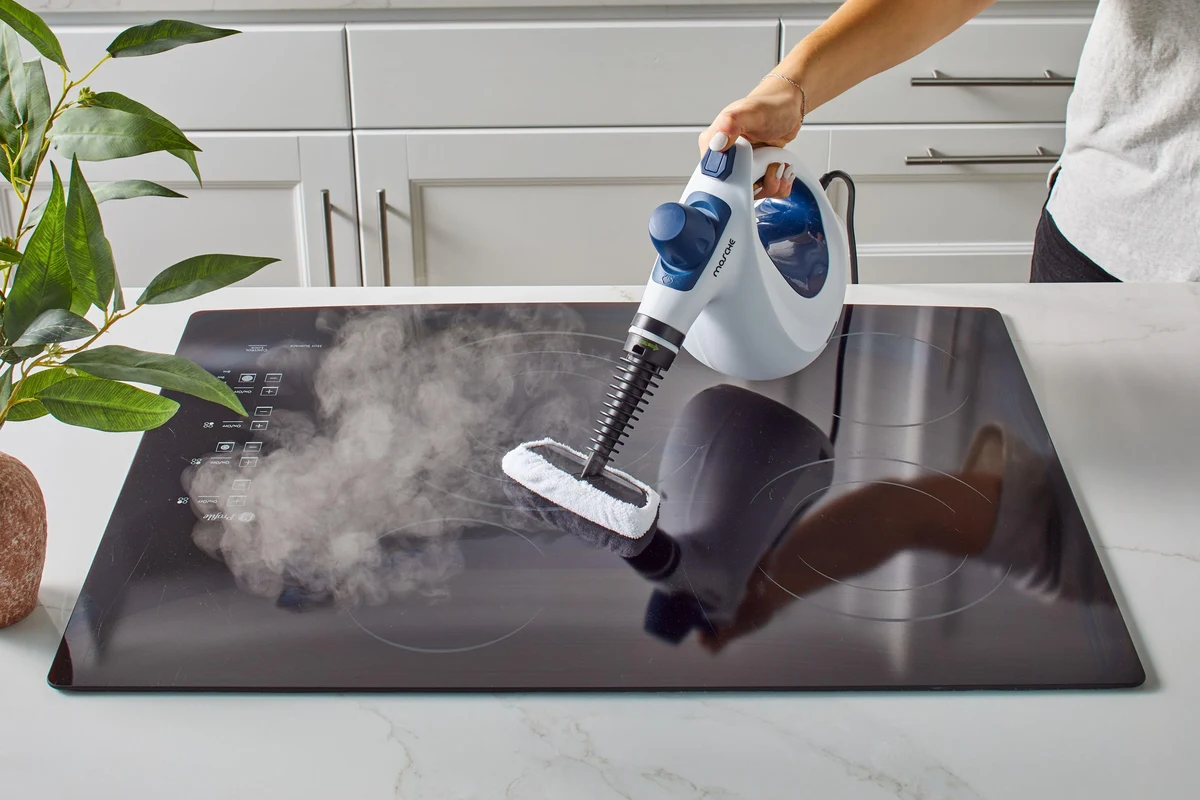
Steam cleaners are useful because they tackle messes in a different way than sprays, wipes, or traditional mops. Rather than adding more cleaner to a surface, they use heated vapor to soften buildup so it can be wiped away more easily.
That approach can be especially helpful for kitchens, bathrooms, tile floors, grout lines, and other areas where dirt tends to collect in seams or textured surfaces. For many households, the main value is not “magic cleaning,” but a more efficient way to handle stubborn grime with less scrubbing.
How Steam Cleaners Work and Why They Clean Differently
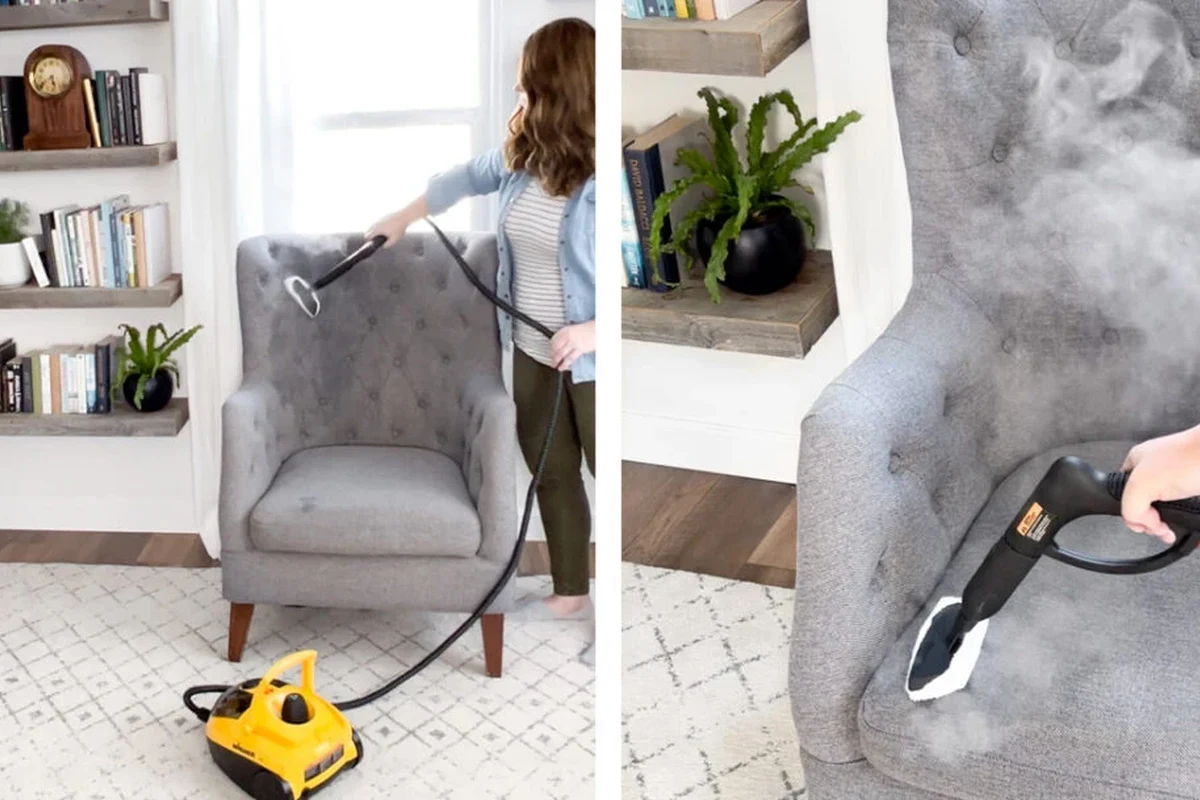
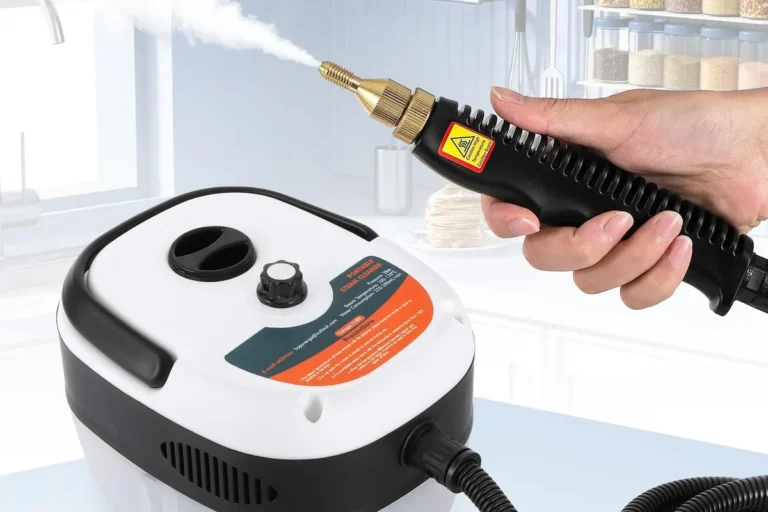
Most steam cleaners heat water until it becomes pressurized steam, then release that steam through a nozzle, pad, brush, or attachment. The heat helps break down grease and loosen dirt, while the moisture helps carry debris away from the surface.
Because steam cleaning is more about softening and dislodging buildup than soaking it, results depend heavily on the surface type, the attachment you use, and how long you hold the steam in one place.
The role of heat, pressure, and moisture
Heat is the main cleaning driver. It helps weaken sticky residue, soap scum, and some greasy buildup. Pressure affects how forcefully steam reaches the surface, while moisture helps lift loosened debris into a wipeable state.
That combination can make steam cleaners feel more effective than a standard cloth on textured or dirty surfaces. Still, steam is not a substitute for mechanical scrubbing in every situation, especially when buildup is thick or has been left untreated for a long time.
What surfaces steam can and cannot handle safely
Steam is usually best on sealed, heat-tolerant surfaces such as tile, sealed grout, some sealed stone, and certain hard flooring finishes. It may also be used on some fabrics and upholstery if the manufacturer says the material is safe for steam.
Avoid assuming every surface is compatible. Unsealed wood, delicate fabrics, wallpaper, some painted finishes, and electronics are common problem areas. Always check the product manual and the surface manufacturer’s care instructions before using steam.
Do not use steam on surfaces that can warp, discolor, absorb moisture, or trap heat. When in doubt, test a hidden area first and stop if you see swelling, spotting, or finish damage.
Top Real-World Benefits of Steam Cleaners in 2026
In everyday home use, the value of a steam cleaner usually comes down to three things: cleaning power, convenience, and reduced chemical use. Those benefits matter most when a home has frequent messes, hard-to-reach grime, or people and pets that make residue a concern.
Deep cleaning without harsh chemicals
One of the most cited benefits of steam cleaners is that they can reduce the need for heavy chemical cleaners on many jobs. That can be appealing for households that want fewer products under the sink or prefer a simpler cleaning routine.
Steam can also help when you want to avoid strong odors from some cleaners. That said, “chemical-free” is not the same as “safe for every surface,” so compatibility still matters more than the cleaning method alone.
Faster sanitizing for high-touch areas
Steam is often used on high-touch spots such as sink edges, grout, appliance exteriors, and bathroom fixtures because it can speed up the process of loosening grime before wiping. In practical terms, that can shorten the time spent scrubbing repetitive areas.
For homes with busy routines, the real advantage is consistency. A tool that is quick to set up and easy to move from room to room is more likely to get used often, which usually matters more than any single cleaning cycle.
For best results, let the steam loosen dirt first, then wipe immediately with a clean microfiber cloth. Waiting too long can let loosened residue settle back onto the surface.
Reducing residue, odors, and allergen buildup
Steam cleaning can help reduce the film left behind by some sprays and soaps, which is useful on floors and counters that tend to attract dust. It may also help with odors trapped in grout, fabric, or pet-prone areas by removing the buildup that holds smells.
For allergy-sensitive homes, steam can be part of a broader cleaning plan because it avoids adding more scented residue. It is not a medical solution, though, and it will not replace proper ventilation, filtration, or routine dust removal.
Who Steam Cleaners Fit Best: Home Types, Lifestyles, and Cleaning Needs
Steam cleaners are not ideal for every home, but they fit especially well when cleaning demands are frequent, varied, and a little messy. The best match is usually a household that needs a versatile tool for sealed surfaces, spot cleaning, and quick refreshes.
Best for pet owners, allergy-sensitive homes, and busy households
Pet owners often like steam cleaners because they can help with tracked-in dirt, paw prints, and odor-prone areas. Allergy-sensitive households may also appreciate the reduced reliance on fragranced sprays and residue-heavy cleaners.
Busy households benefit when a steam cleaner replaces several separate tools. If your routine includes floors, bathroom tile, kitchen messes, and occasional upholstery touch-ups, one capable unit may be more convenient than buying multiple specialty cleaners.
- Can simplify cleaning across multiple rooms
- Often reduces the need for chemical cleaners
- Useful for grout, tile, and other stubborn surfaces
- Not safe for every material
- Requires careful setup and drying time
- May be overkill for light, infrequent cleaning
When a steam cleaner may not be the right choice
Steam cleaners are less attractive if your home has mostly delicate materials, lots of unsealed wood, or surfaces that cannot tolerate heat and moisture. They may also be unnecessary if you only need occasional light cleaning and already have a routine that works.
If you are comparing cleaning tools, think about where steam will actually be used. For some people, a lightweight vacuum or a compact mop is a better fit. If your home is more gear-heavy and you need broader cleaning coverage, a steam cleaner may still be worth considering alongside other tools such as cordless backpack vacuum cleaners.
Key Specifications to Compare Before Buying a Steam Cleaner
Because steam cleaners vary widely by design, the best model is the one that fits your surfaces, room size, and cleaning frequency. Manufacturer specs matter here, but so does how those specs translate into real use.
Tank capacity, heat-up time, steam pressure, and runtime
Tank capacity affects how often you need to refill. Larger tanks can support longer sessions, while smaller tanks may be lighter and easier to store. Heat-up time matters if you want a tool that is ready quickly for short cleanups.
Steam pressure and runtime vary by model and can affect cleaning speed, but they are not equally important for every buyer. A small apartment user may care more about quick readiness, while someone cleaning tile-heavy areas may want longer runtime and steadier output.
Attachments, cord length, maneuverability, and weight
Attachments often determine how useful a steam cleaner really is. Floor heads, grout tools, brushes, and upholstery accessories each expand what the machine can do. If the included kit does not match your cleaning goals, the cleaner may feel limited even if the base unit is strong.
Cord length, hose flexibility, weight, and handle design also matter. A model that is easy to carry and steer is more practical for stairs, tight bathrooms, and multi-room cleaning. If the machine is awkward, people tend to use it less often.
Maintenance needs, consumables, and warranty details to verify
Before buying, check whether the unit needs descaling, replacement pads, filters, or other consumables. Ongoing maintenance can affect long-term value more than the initial purchase does.
Also review the warranty terms, return policy, and availability of replacement parts. If a model has a short warranty or limited support, that may matter more than a small spec advantage.
- Check compatibility, model number, and intended surface types
- Confirm safety guidance, warranty terms, and replacement-part availability
- Review maintenance needs such as descaling or pad replacement
How to Use a Steam Cleaner Safely and Effectively
Good results usually come from preparation, slow movement, and careful surface selection. Steam cleaners work best when you treat them as precision cleaning tools rather than all-purpose spray-and-go devices.
Preparation steps before steaming floors, grout, and upholstery
Start by removing loose dust, crumbs, pet hair, or debris so the steam can focus on stuck-on grime. On floors, vacuum or sweep first. On upholstery, check the care label and test a hidden area before cleaning more visible sections.
Remove loose dirt and move fragile items out of the way before steaming.
Check for discoloration, warping, or finish changes before cleaning the full surface.
Move steadily and wipe immediately so loosened residue does not settle again.
Safe-use limits for sealed surfaces, fabrics, and electronics
Only use steam on surfaces the manufacturer says are sealed or steam-safe. That includes many tile and hard-surface jobs, but it does not automatically include every floor finish, cushion fabric, or appliance surface.
Keep steam away from electronics, vents, open ports, and moisture-sensitive components. If you need guidance on moisture around device openings, a related safety article such as how to get water out of an iPhone charging port can help explain why careful drying matters for sensitive gear.
Never direct steam at live electronics, outlets, or damaged materials. If a surface starts to bubble, swell, streak, or smell hot, stop immediately and let it cool.
Common mistakes that reduce cleaning performance
One common mistake is moving too fast. Steam needs contact time to loosen grime. Another is using too much water on a surface that should only be lightly treated.
Skipping pre-cleaning is also a problem because steam is not great at removing loose debris by itself. Finally, using the wrong attachment can make a strong machine feel weak, so match the tool to the job.
Care, Storage, and Troubleshooting for Long-Term Value
Steam cleaners can last longer and perform better when they are emptied, dried, and stored correctly. Ongoing care is especially important if your water supply is hard or if you use the machine frequently.
Descaling, emptying the tank, and drying attachments
Follow the manual for descaling if your model requires it. Mineral buildup can affect steam output over time, especially in areas with hard water. Empty the tank after use when the manufacturer recommends it, and allow attachments to dry fully before putting them away.
Dry pads, brushes, and nozzles help reduce odors and prevent mildew. This is one of the simplest ways to protect performance and reduce unpleasant surprises the next time you clean.
If your model uses washable pads or removable brushes, keep a spare set on hand so one can dry while the other is in use.
Storage tips to protect hoses, nozzles, and seals
Store the cleaner in a dry place away from extreme heat and direct sunlight. Avoid bending hoses tightly or pinching seals under heavy items, since that can shorten the life of flexible parts.
If the unit has a cord wrap or accessory holder, use it. Organized storage makes the machine easier to grab for quick jobs and helps prevent damage to smaller parts.
Fixing weak steam output, leaks, and clogging issues
If steam output seems weak, first confirm that the tank has enough water and that the unit has fully heated. Then check for mineral buildup, blocked nozzles, or a clogged attachment.
Leaks can come from loose caps, worn seals, or overfilling, depending on the model. Stop using the machine if you see damaged parts or persistent leaks, and follow the manufacturer’s troubleshooting steps rather than forcing a repair.
Stop using damaged appliances, frayed power cords, cracked tanks, or loose fittings and follow the manufacturer’s service guidance.
Final Verdict: Are Steam Cleaners Worth It for Most Homes?
For many homes, steam cleaners are worth it when the goal is to clean sealed surfaces more deeply with less reliance on sprays and detergents. They are especially useful for tile, grout, bathrooms, kitchens, pet areas, and other places where residue builds up quickly.
The trade-off is that steam cleaners demand more care than a basic mop or cloth. You need to verify surface compatibility, maintain the machine, and accept that some materials should never be steamed at all.
Best use cases, trade-offs, and overall recommendation
If your home has a lot of hard surfaces, frequent messes, or odor-prone areas, a steam cleaner can be a smart addition to your cleaning setup. If your home is mostly delicate, lightly used, or already easy to maintain, a simpler tool may be enough.
Steam cleaners are best for homeowners who want deeper cleaning on compatible surfaces and do not mind a little setup and maintenance. They are less useful for delicate materials, so the right choice depends on what you clean most often and whether your surfaces can safely handle heat and moisture.
Frequently Asked Questions
Steam cleaners can loosen grime with heat and moisture, reduce the need for harsh chemicals, and help clean sealed surfaces more efficiently. They are especially useful for tile, grout, bathrooms, kitchens, and pet-prone areas.
No. Steam is usually safe only on surfaces that are sealed and heat-tolerant, while unsealed wood, delicate fabrics, wallpaper, and electronics may be damaged. Always check the manual and test a hidden area first.
Compare tank capacity, heat-up time, steam output, attachments, cord length, weight, and maintenance needs. The best model depends on whether you need quick touch-ups, larger room cleaning, or specialized attachments for grout and upholstery.
They can help reduce residue and some odor-causing buildup by removing grime from surfaces. Results vary by material and how much buildup is present, so steam is best used as part of a broader cleaning routine.
Many models need descaling, emptying after use, and drying of pads and attachments. Check the manual for water-type guidance, replacement parts, and any cleaning steps needed to keep steam output strong.
Avoid steam on surfaces that can warp, discolor, absorb moisture, or overheat, and never use it on live electronics or damaged materials. If you are unsure about a surface, confirm compatibility before cleaning.