Ultrasonic Cool Mist Humidifier How to Use Guide for Beginners
Use an ultrasonic cool mist humidifier by filling it correctly, placing it on a stable surface, and starting with a low mist setting. Clean it regularly and follow the manual for water type, additives, and maintenance.
If you’re trying to figure out ultrasonic cool mist humidifier how to use, the short answer is simple: place it on a stable surface, fill the tank with clean water, follow the manual’s fill line and mist settings, and keep it clean. The biggest mistakes are overfilling, using the wrong additives, and letting mineral buildup go unchecked.
- Setup first: Stable placement and correct water fill are the biggest first-use priorities.
- Use plain water unless allowed: Many models are designed for water only, not oils or additives.
- Watch humidity: Too much mist can cause condensation, damp surfaces, and comfort issues.
- Clean often: Routine rinsing and weekly deep cleaning help prevent odor and buildup.
- Check the manual: Model-specific instructions matter for safety, parts, and maintenance.
Ultrasonic Cool Mist Humidifier How to Use: Quick Start for Beginners
Start by reading the model’s manual before the first fill, because tank design, controls, and cleaning steps can vary a lot. Most ultrasonic cool mist humidifiers are straightforward, but a few minutes of setup care can prevent leaks, weak mist output, and unnecessary wear.
- Check tank capacity, room coverage, runtime, and whether the humidifier is sized for your room
- Confirm fill instructions, water type guidance, cleaning requirements, and any approved additives
- Verify power cord condition, plug fit, rated wattage, and placement space around the unit
How an Ultrasonic Cool Mist Humidifier Works
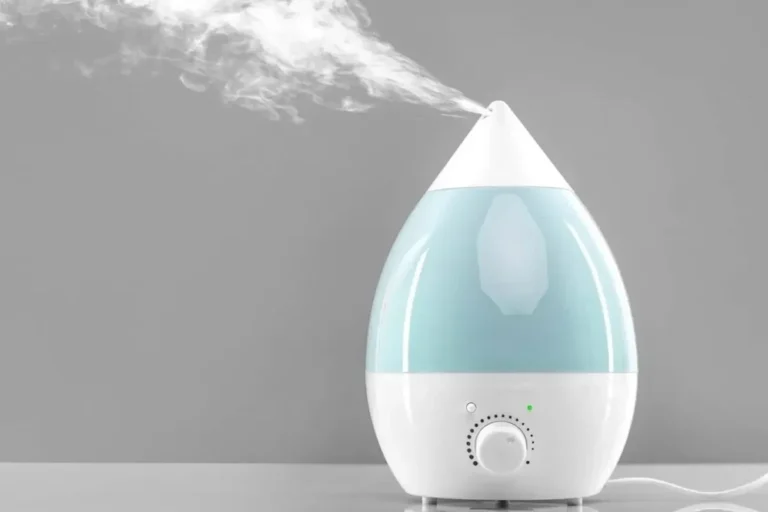
An ultrasonic humidifier uses a vibrating diaphragm to break water into a fine mist, then a fan or internal airflow system sends that mist into the room. Because it does not boil water, the output stays cool, which is why these units are usually called cool mist humidifiers.
Ultrasonic vibration, water atomization, and cool mist output
The ultrasonic element vibrates at a very high frequency, which helps atomize water into tiny droplets. Those droplets become visible mist that raises local humidity, though actual room results depend on room size, airflow, and how long the unit runs.
Cool mist humidifiers are often favored in bedrooms and shared spaces because they do not use a heating element, which lowers the risk of hot-surface burns.
Why “cool mist” matters for comfort and safety
Cool mist can feel more comfortable in warm rooms and is generally easier to place near people, children, or pets than a warm-mist unit. That said, “cool” does not mean risk-free: the unit still needs stable placement, proper cleaning, and safe electrical use.
What to Check Before You Turn It On
Before first use, confirm that the humidifier actually fits your room and your routine. A unit that is too small may run constantly without improving comfort, while an oversized unit can make the room damp or encourage condensation.
Tank size, room coverage, and runtime expectations
Tank size affects how long the humidifier can run before refilling, but runtime claims vary by mist setting and room conditions. Manufacturer coverage guidance is usually the best starting point, though you should treat it as an estimate rather than a guarantee.
Room coverage, runtime, and mist output are often listed under ideal conditions. Real-world performance can change with door openings, HVAC airflow, ceiling height, and humidity level.
Dimensions, placement space, and noise level to verify
Measure the space where you plan to place it, especially if you want it on a nightstand, desk, or shelf. Ultrasonic humidifiers are usually quieter than many fan-based appliances, but the sound profile can still vary by model, mist setting, and water level.
Power cord, plug quality, and rated wattage limits
Check that the cord is undamaged and that the plug fits securely in the outlet. If the manual lists wattage or electrical limits, stay within those specifications and avoid using damaged extension cords or loose adapters.
Stop using any humidifier with a frayed cord, loose plug, unusual heat, burning smell, or repeated electrical interruptions. Water and electricity should never share a compromised setup.
Step-by-Step Setup and First Use
Once you’ve confirmed fit and safety, setup is usually quick. The goal is to fill it correctly, place it where mist can disperse evenly, and start with a low setting before increasing output.
Choosing the right location for airflow and stability
Set the humidifier on a flat, water-resistant surface where it cannot be knocked over easily. Leave enough space around the unit for airflow, and avoid placing it directly against walls, curtains, electronics, or paper items.
Keep the mist outlet aimed into open room space, not directly at furniture, a wall, or a charging station. That helps reduce condensation and surface dampness.
Filling the tank correctly and avoiding overfill mistakes
Remove the tank according to the manual, open the fill cap, and add water only up to the indicated fill line. Overfilling can cause leakage, unstable mist output, or water escaping where it should not.
Always power the unit off and unplug it before removing or refilling the tank.
Use the tank’s fill indicator or the manual’s level guidance instead of guessing.
Make sure the tank sits properly on the base so the water path aligns and leaks are less likely.
Adding water only vs. additives the manual allows
Many ultrasonic humidifiers are intended for plain water only. Some models allow fragrance pads, approved demineralization cartridges, or specific additives, but you should never assume oils or medicated liquids are safe unless the manual clearly says so.
If a humidifier is not designed for oils, additives, or medicinal liquids, do not improvise. Wrong liquids can damage the tank, reduce mist output, and create safety or cleaning problems.
Powering on, adjusting mist level, and checking output
After filling, plug the unit into a suitable outlet and turn it on at the lowest or medium setting first. Watch the mist for a few minutes to confirm normal output, then adjust upward only if the room still feels dry.
- Start on low mist to avoid over-humidifying the room too quickly
- Check for condensation on nearby surfaces after the first hour
- Refill and clean more often if you use hard water or run the unit daily
Who an Ultrasonic Cool Mist Humidifier Fits Best
This type of humidifier works best for people who want a simple, low-heat way to add moisture to a room. It is especially useful when dryness affects sleep, comfort, or breathing comfort in a controlled indoor space.
Best use cases for bedrooms, nurseries, offices, and dry climates
Bedrooms and nurseries are common use cases because cool mist is easy to place near sleeping areas when used correctly. Offices, dorm rooms, and dry climates can also benefit, especially during heating season or in naturally arid environments.
When a larger, smaller, or different humidifier type makes more sense
If you need whole-home coverage, a single compact unit may not be enough. If you only need moisture for a small desk or bedside area, a smaller model may be easier to maintain; if you want quicker moisture delivery or a different water-treatment approach, another humidifier type may fit better depending on the room and your maintenance habits.
Beginners who want a simple room humidifier with cool output, low heat risk, and straightforward daily use. It is less ideal for people who want near-zero maintenance or who need large-area humidity control.
Safe Use, Limits, and Common Mistakes
The most important part of humidifier use is not just turning it on; it is controlling moisture responsibly. Too much humidity can be as annoying as too little, and standing water or poor cleaning can create odor and buildup issues.
Preventing over-humidification, spills, and slippery surfaces
Keep an eye on windows, nearby walls, and furniture for condensation. If the room starts to feel damp, reduce mist output, shorten runtime, or move the unit farther from surfaces that collect moisture.
Water quality, white dust, and mineral buildup concerns
Ultrasonic units can disperse dissolved minerals from tap water, which may leave a fine white residue on nearby surfaces in some homes. Using distilled or demineralized water may reduce that issue, but the best choice depends on the model and your local water quality.
If you notice powdery residue on tables or shelves, check the manual for recommended water type and cleaning frequency before assuming the unit is defective.
Electrical safety, heat inspection, and when to stop using it
Inspect the cord, base, and plug area regularly for wear, heat, or discoloration. If the unit behaves unpredictably, shuts off unexpectedly, or shows signs of damage, stop using it and follow the manufacturer’s support guidance rather than forcing it to continue.
Do not place the humidifier where children or pets can tip it over, tug the cord, or reach standing water. Any sign of electrical damage or repeated leakage is a reason to stop using it.
Cleaning, Maintenance, and Storage
Regular cleaning matters because humidifiers deal with standing water, and standing water can lead to odor, scale, and reduced performance. A simple maintenance routine usually keeps the unit working better for longer.
Daily rinse habits and weekly deep-clean routine
Empty leftover water after use if the manual recommends it, then rinse and dry the tank so water does not sit for long periods. A weekly deep-clean routine is often wise for frequent users, especially in hard-water areas, but always follow the cleaning method in the manual.
Filter, cartridge, or demineralization part replacement guidance
Some models use filters, cartridges, or demineralization parts to help reduce buildup or improve operation. Replacement intervals vary by model and water quality, so the manual and manufacturer support page are the safest sources for timing guidance.
Dry storage, off-season care, and odor prevention
Before storing the humidifier, dry every accessible part completely and keep the tank open so trapped moisture can evaporate. This helps reduce musty odors, mold risk, and stale water smell when you bring it back into use later.
- Use clean water, follow the fill line, and start on a low mist setting.
- Place the humidifier on a stable, open surface away from electronics and soft furnishings.
- Clean it regularly and stop using it if you see damage, leaks, or unusual heat.
Value, Drawbacks, and Final Recommendation
Ultrasonic cool mist humidifiers offer a practical balance of simplicity, quiet operation, and low heat output. They are a strong fit for beginners, but they do require routine cleaning and sensible placement to avoid moisture problems.
Real-world benefits, trade-offs, and evidence limitations
The main benefits are easy setup, cool output, and broad usefulness in bedrooms or small shared spaces. The trade-offs are maintenance, possible mineral residue, and the fact that real performance depends heavily on room size, water quality, and how the unit is used.
What to look for in build quality, warranty, and long-term value
Before buying, review the official manual, warranty terms, and any current support or recall notices from the manufacturer. Also check whether replacement parts are easy to find, because filter and cartridge availability can matter more over time than the initial purchase.
Transparent verdict for beginners deciding whether to buy one
If you want a beginner-friendly humidifier for a bedroom, office, or other small-to-medium space, an ultrasonic cool mist model is usually a sensible choice. If you want minimal upkeep, whole-home coverage, or a unit that can be left unattended for long stretches without routine checks, consider a different humidifier type or a larger system instead.
Frequently Asked Questions
Distilled water can help reduce mineral residue and white dust in some homes. Check the manual first, because water recommendations can vary by model.
Only if the manual explicitly allows it. Many ultrasonic humidifiers are designed for water only, and oils can damage parts or affect performance.
Place it on a flat, stable surface with open space around the mist outlet. Keep it away from walls, electronics, bedding, and anything that could be damaged by moisture.
Many users benefit from a quick daily rinse and a deeper weekly cleaning routine, but follow the manual for your model. Hard water or daily use may require more frequent care.
White dust is often caused by minerals in tap water being dispersed with the mist. Using distilled water or a manufacturer-approved cartridge may help, depending on the model.
Stop using it if you notice a frayed cord, unusual heat, leaks, burning smell, or repeated electrical issues. Follow the manufacturer’s support guidance before using it again.