Can Steam Cleaners Kill Mold and Remove It Fast
Steam cleaners can help kill and remove mold on hard, nonporous surfaces, but they are not a full solution. They work best for small visible spots after the moisture source has been fixed and the area can be dried quickly.
Steam cleaners can kill some mold on hard, nonporous surfaces, but they are not a complete fix for mold growth. They work best as a fast surface-cleaning tool when the affected area is small, visible, and easy to dry afterward.
- Best surfaces: Tile, grout, sealed counters, and other hard nonporous areas.
- Main limit: Steam is not reliable for drywall, wood, fabric, or hidden mold.
- Buying focus: Look for heat consistency, control, attachments, and safe tank design.
- Usage rule: Clean, wipe, and dry the area immediately after steaming.
- Big picture: Fix moisture problems first or the mold will likely return.
Can Steam Cleaners Kill Mold and Remove It Fast? The Short Answer
Yes, steam can help kill and lift surface mold in the right conditions, especially on tile, grout, sealed counters, and other hard materials. It is much less reliable on porous materials or hidden growth, where moisture and heat can actually make the problem harder to control.
How Steam Cleaning Works on Moldy Surfaces
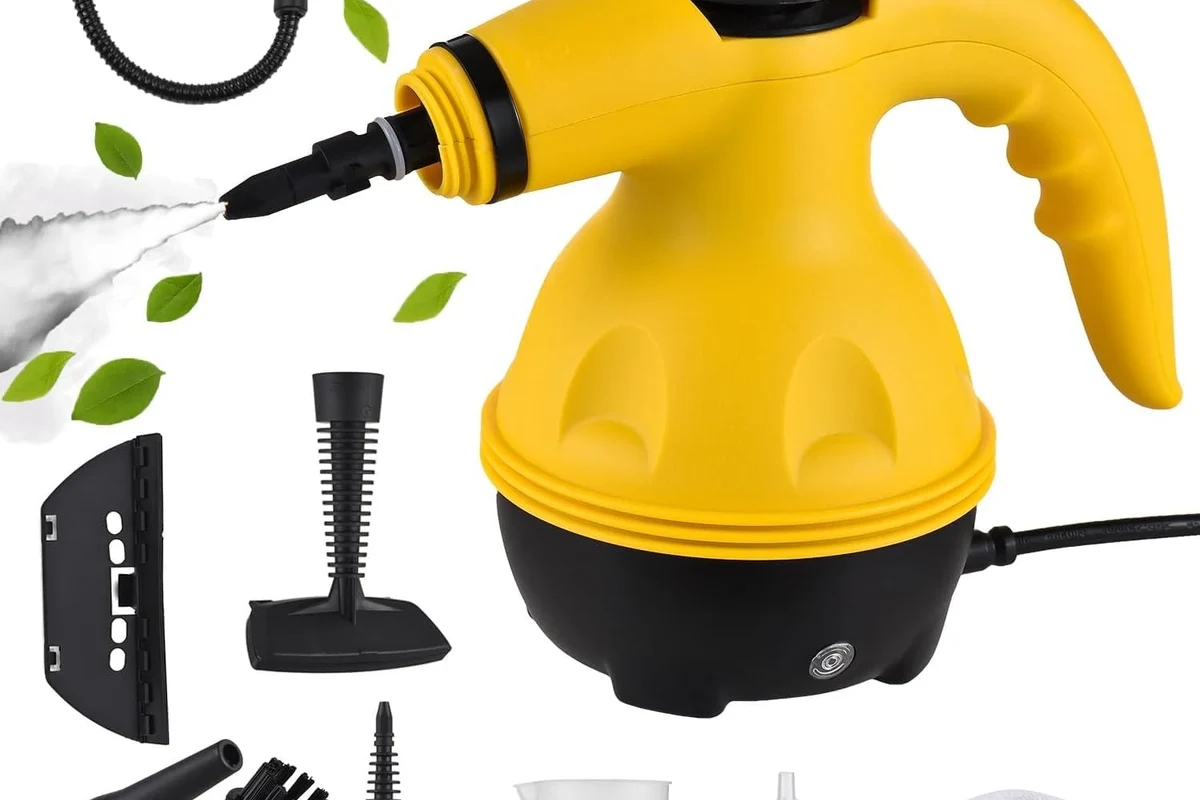
Steam cleaners use hot vapor to soften residue, loosen grime, and raise the temperature of the surface long enough to disrupt some mold colonies. The heat can also make it easier to wipe away what is left, which is why steam is often seen as a quick cleanup option.
Why High Heat Can Dislodge Surface Mold
Mold grows as a living organism, and high heat can damage it on exposed surfaces. In practical terms, that means steam may reduce visible growth and help remove the staining and film that mold leaves behind.
That said, results depend on contact time, surface type, and how deep the mold has spread. A fast pass over a damp wall will not do the same job as a slower, focused pass on glazed tile.
Where Steam Helps Most: Tile, Grout, and Hard Nonporous Areas
Steam is most useful on surfaces that do not absorb water, such as ceramic tile, sealed stone, metal, and some sealed fixtures. Grout often benefits because the heat can loosen buildup from the textured surface.
If you are also cleaning around bathrooms, kitchens, or laundry areas, steam can be a practical companion to cordless backpack vacuum cleaners or other cleanup tools that remove loose debris before moisture is added.
When Steam Cleaners Can and Cannot Kill Mold
The biggest limitation is that steam is a surface treatment. If mold has entered a material, or if the source of moisture is still active, steam may improve appearance without solving the underlying issue.
Best Use Cases for Visible Surface Mold
Steam is best for small areas of visible mold on durable surfaces after you have already identified and corrected the moisture problem. It can also be helpful for cleaning corners, shower edges, and other spots where scrubbing alone is slow.
Use steam only after the area is as dry as possible and the room is well ventilated. If the mold returns quickly, the problem is usually moisture control, not cleaning power.
Materials and Situations to Avoid: Drywall, Wood, Fabric, and Hidden Growth
Do not rely on steam for drywall, unfinished wood, upholstery, carpet padding, or any material that can absorb water. Steam can drive moisture deeper into those surfaces and make hidden growth worse.
If you suspect mold behind a wall, under flooring, or inside insulation, a steam cleaner is not the right tool. In those cases, the issue often needs inspection, drying, and possibly professional remediation.
What to Look for in a Steam Cleaner for Mold Removal
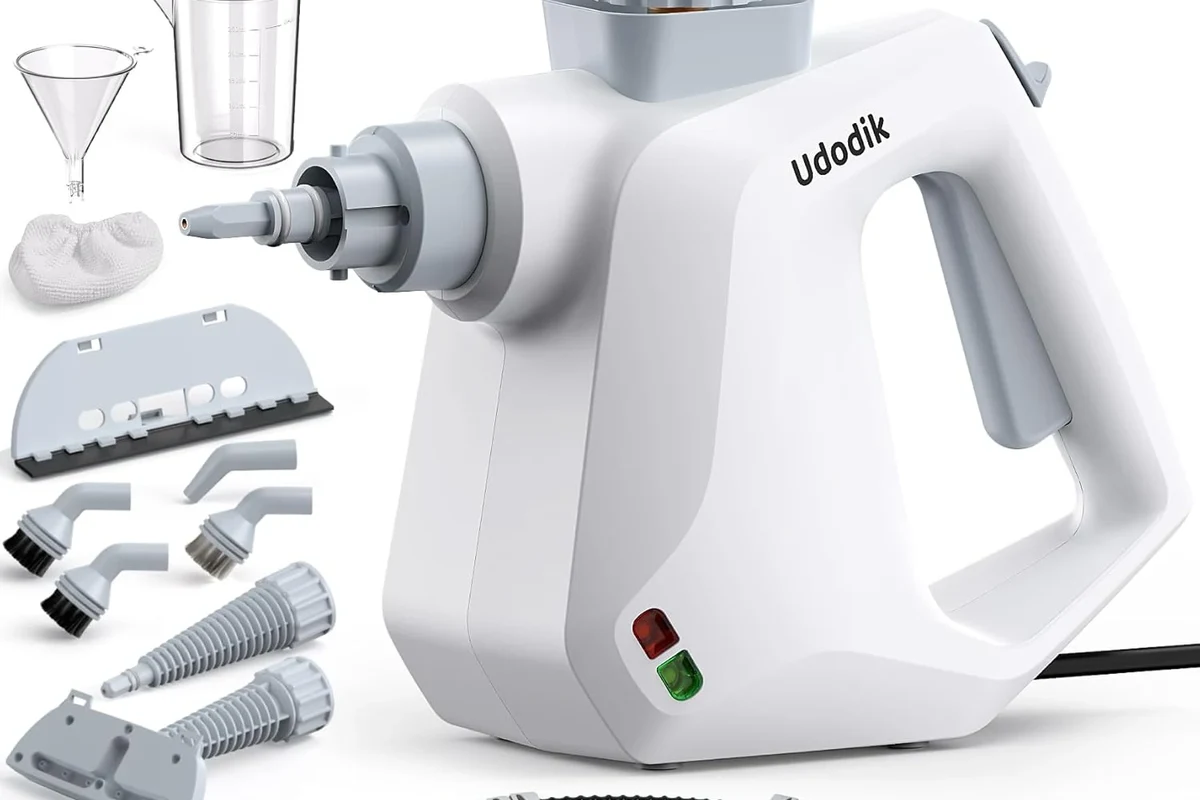
Not every steam cleaner is equally useful for mold cleanup. The best models for this job are the ones that deliver consistent heat, give you control over the nozzle, and make it easy to work in small spaces without soaking the area.
Key Specs: Temperature, Pressure, Tank Size, and Heat-Up Time
For mold cleanup, temperature consistency matters more than marketing claims. A cleaner that loses steam quickly may force you to make more passes, which can over-wet the surface.
Tank size is a tradeoff: larger tanks can run longer, while smaller handheld units are easier to store and move. Heat-up time also matters if you want a tool you will actually use for quick bathroom or kitchen touch-ups.
Attachments, Hose Length, and Surface Control for Tight Spaces
Brush heads, angled nozzles, and detail attachments are especially helpful for grout, shower tracks, and sink edges. A flexible hose can make it easier to reach awkward areas without holding the tank itself too close to the moldy spot.
If the cleaner is meant for frequent spot cleaning, look for a design that gives you steady control instead of a wide, unfocused blast. That level of precision matters when you are trying to clean only the affected area.
Safety Features, Cord Length, and Build Quality to Verify
Because steam cleaners use heat and water, safety features matter as much as cleaning power. Look for secure caps, stable handles, and clear instructions for pressure release and refilling.
Never open a pressurized tank early, and keep steam away from skin, pets, electrical outlets, and delicate finishes. If a cord, hose, or seal looks damaged, stop using the unit and follow the manufacturer’s guidance.
How to Use a Steam Cleaner Safely on Mold
Safe use starts before the steam turns on. The goal is to reduce exposure, avoid spreading spores, and keep the area dry enough that mold does not rebound immediately.
Prep Steps: Ventilation, PPE, and Surface Inspection
Open windows or run ventilation if the room allows it. Wear gloves, eye protection, and a mask suitable for dusty cleanup if the area is visibly moldy, especially if you are sensitive to allergens.
Inspect the surface first so you know whether it is hard and sealed or porous and absorbent. If you are unsure, test a small hidden area before applying heat to the whole spot.
Cleaning Steps: Slow Passes, Wiping, and Drying the Area
Remove loose dust or residue first so the steam can reach the surface more directly.
Use controlled passes rather than quick sweeps so the heat has time to work on the surface.
Use a clean cloth to lift loosened residue, then dry the area thoroughly to reduce regrowth risk.
Common Mistakes That Spread Mold or Damage Surfaces
One common mistake is using too much steam on porous material, which can push moisture deeper into the substrate. Another is scrubbing too aggressively before the area is safe to handle, which can spread spores around the room.
It is also a mistake to treat steam as the only step. Without drying and moisture control, even a successful cleanup can be temporary.
Real-World Benefits, Limits, and Evidence Gaps
Steam has real advantages for homeowners who want a chemical-light way to tackle small cleanup jobs. It can be fast, convenient, and useful for reducing surface residue when the mold problem is still limited.
Speed, Chemical-Free Cleaning, and Odor Reduction
For everyday cleaning, steam is appealing because it can cut down on the need for separate sprays and scrubbing products. It may also help reduce musty smells by removing the grime and residue that hold odor.
If you are comparing steam to other home cleanup gadgets, the value is often in convenience rather than deep remediation. A steam cleaner can save time on repeated surface touch-ups, but only if the source of moisture is already under control.
Why Steam Is Not a Full Mold Remediation Solution
There is an evidence gap here: steam can help with surface cleanup, but it is not a substitute for diagnosing why mold appeared in the first place. Hidden leaks, humidity, and poor airflow can keep feeding the problem.
That is why steam should be seen as one step in a larger cleanup plan, not the entire plan. For more complex home maintenance questions, it helps to read the official manual, the manufacturer’s safety guidance, and any cleaning recommendations for the exact surface involved.
When Professional Help Is the Smarter Choice
Call a professional if the mold covers a large area, keeps coming back, smells strong, or appears after flooding or a leak. You should also get help if the growth is inside walls, ceilings, HVAC components, or other hidden spaces.
If mold is widespread or the area stays damp, stop spot-cleaning and investigate the moisture source first. Cleaning without drying the space can waste time and allow the problem to return.
Best Fit: Who Should Buy a Steam Cleaner for Mold Cleanup?
A steam cleaner makes the most sense for people who want a practical tool for occasional surface cleanup, not a full restoration solution. The best buyers are usually those dealing with small, repeatable messes in bathrooms, kitchens, or other hard-surface areas.
Ideal Users: Homeowners, Renters, and Light-Duty Cleaning Needs
Homeowners with tile-heavy bathrooms or renters who need a compact, chemical-light cleaner may get the most value. It can also appeal to students, remote workers, and busy households that want one gadget for fast maintenance between deeper cleanings.
If you already use smart-home or cleaning gear for routine upkeep, steam can fit into a broader maintenance routine alongside ventilation and dehumidifying habits. For readers exploring related home tech, smart lighting for home use and home automation lighting are examples of tools that support convenience, while steam supports cleanup.
Who Should Skip It or Use It Only as a Supplemental Tool
Skip steam as a primary solution if the mold is on porous materials, inside hidden cavities, or tied to a recurring leak. People with severe allergies, asthma, or major water-damage concerns should be extra cautious and may need professional assessment.
In those cases, steam may still be useful later as a finishing step on approved surfaces, but only after the root cause is fixed and the area is dry.
Maintenance, Storage, and Final Recommendation
A steam cleaner only stays useful if it is maintained well. Because these machines deal with heat, water, and mineral buildup, basic care matters for both performance and safety.
Descaling, Nozzle Care, and Inspecting Hoses and Seals
Follow the manufacturer’s descaling guidance if the unit uses water that leaves mineral deposits. Keep nozzles clear, and inspect hoses, caps, and seals regularly so pressure stays controlled.
If the steam output drops, the machine leaks, or the handle feels unusually hot, pause use and check the manual before continuing. Small maintenance issues can turn into bigger safety problems if ignored.
Storage Tips, Warranty Checks, and Value for the Money
Let the unit cool fully before storing it, and keep the tank empty unless the manual says otherwise. Store accessories together so you do not lose the detail tools that make mold cleanup easier.
Before buying, verify the warranty terms, replacement parts availability, and whether the model is designed for occasional home use or heavier-duty cleaning. That matters more than a flashy claim about steam power.
Transparent Verdict: Is a Steam Cleaner Worth It for Mold?
Yes, a steam cleaner can be worth it if you need a fast way to clean small amounts of visible mold on hard, nonporous surfaces. It is not the right tool for hidden growth, porous materials, or recurring moisture problems, so treat it as a cleanup aid rather than a complete mold solution.
If you want a practical home-gadget answer, the best use of steam is targeted maintenance after the moisture source is fixed. For anything larger or deeper than surface mold, choose inspection and remediation first.
Frequently Asked Questions
Yes, steam can help kill and remove visible mold on hard, nonporous surfaces like tile and grout. It works best when the area is small, ventilated, and dried right after cleaning.
No, drywall is porous and can hold moisture deep inside. Steam may make the problem worse by adding more water to the material.
Look for strong heat consistency, useful attachments, manageable tank size, and a nozzle that gives good control. Also check the manual for safety features, descaling guidance, and warranty terms.
Yes, gloves, eye protection, and good ventilation are smart precautions. If the area is heavily moldy or you are sensitive to allergens, use extra care.
Call a professional if the mold is widespread, keeps coming back, or appears after a leak or flooding. Hidden growth inside walls, ceilings, or HVAC systems also needs expert attention.
Dry the area completely and fix the moisture source first. Good ventilation, leak repair, and humidity control matter more than the cleaning method itself.