Do Dry Cleaners Steam Dresses What You Need to Know
Yes, many dry cleaners steam dresses, but the service varies by shop and fabric. Steaming is best for delicate or formal dresses when you want a polished finish without risking heat damage.
Yes, many dry cleaners do steam dresses, but the service is not universal and the finish can vary by fabric, construction, and the cleaner’s equipment. For delicate, formal, or wrinkle-prone dresses, steaming is often used as a final touch after cleaning or as a standalone refresh when the garment does not need full dry cleaning.
- Service varies: Some cleaners steam, press, and clean dresses; others only offer part of that process.
- Fabric matters: Delicate and flowy materials usually benefit most from professional steaming.
- Steam has limits: It improves wrinkles and shape, but it does not replace stain removal or repairs.
- Ask first: Confirm equipment, handling, turnaround time, and protection for embellishments.
Do Dry Cleaners Steam Dresses? The Short Answer and When It Matters
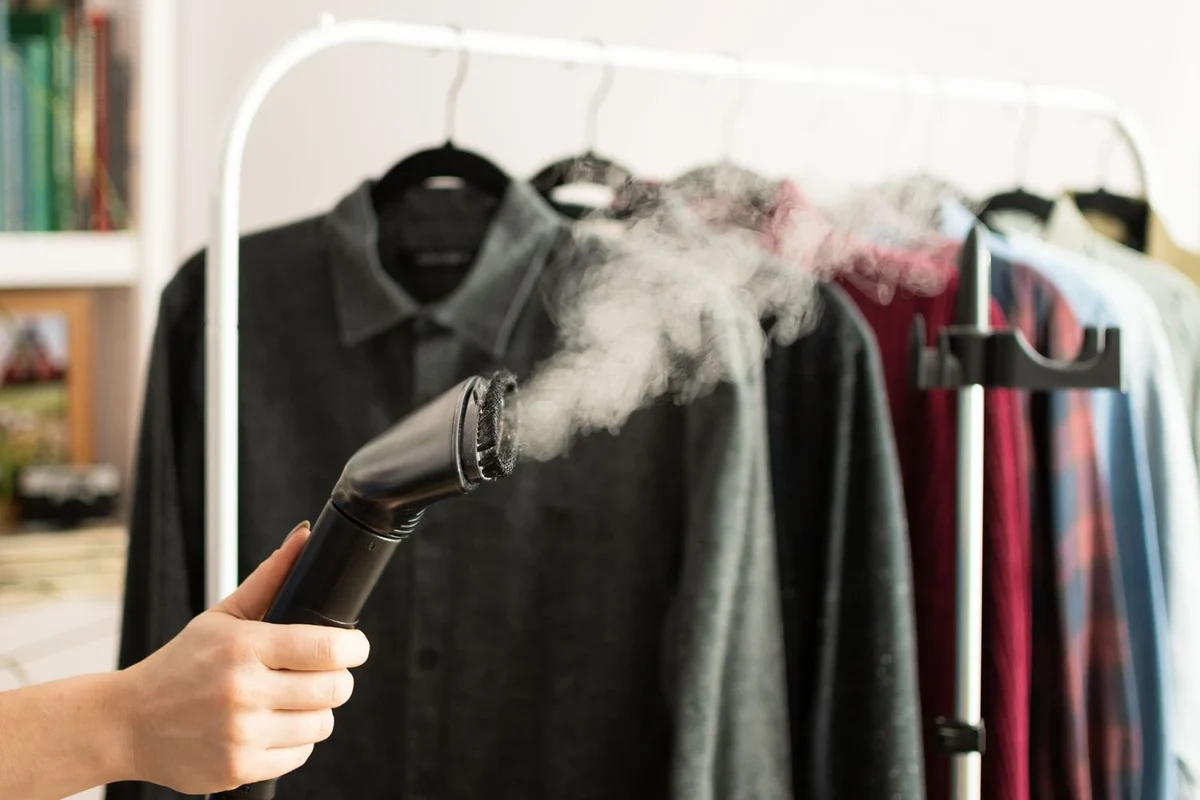
In practice, “dry cleaner” is a broad label. Some shops offer full garment care, including pressing, steaming, spot treatment, repairs, and preservation, while others mainly clean and then finish garments with steam or a press.
That distinction matters because steaming is not the same as cleaning. Steam can relax wrinkles, help reshape fabric, and improve the drape of a dress, but it will not remove every stain, neutralize every odor, or fix structural damage. If you are preparing for a wedding, formal event, interview, recital, or travel, the right question is not just whether a cleaner steams dresses, but whether they can do it safely for your specific fabric and trim.
How Dry Cleaners Steam Dresses: The Process, Equipment, and Garment Types
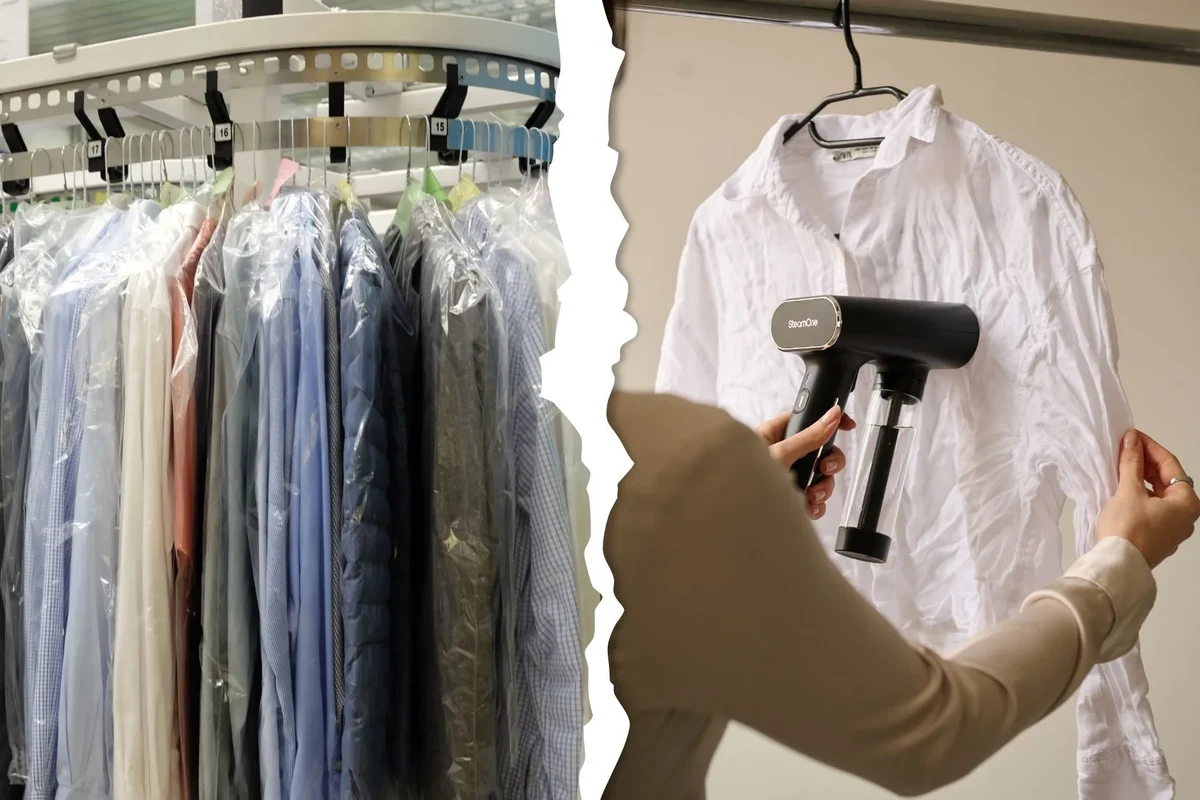
Professional steaming usually involves hanging the dress, applying controlled steam from a garment steamer or finishing station, and then letting the fabric cool and set. Some cleaners use handheld steamers for targeted touch-ups, while others use upright finishing systems designed to handle larger garments more evenly.
The cleaner may also combine steaming with light pressing, brushing, lint removal, or protective covering. The exact workflow depends on the dress material, the lining, and any embellishments. A satin gown, a chiffon cocktail dress, and a structured formal dress may all require different handling even if they need the same “steam” request on the ticket.
Steam vs. Pressing vs. Dry Cleaning: What Each Method Actually Does
Steam loosens wrinkles with moisture and heat. Pressing uses heat and pressure, often through a cloth or pad, to flatten seams, hems, and crisp edges. Dry cleaning uses solvent-based cleaning to remove soils that water alone may not handle well.
Those methods overlap, but they solve different problems. A dress may be dry cleaned first to remove body oils or stains, then steamed to restore shape. In other cases, the cleaner may recommend only steaming if the dress is clean but wrinkled from storage or shipping.
Service names vary by cleaner. One shop may call it “finishing,” another may call it “pressing,” and another may include steaming as part of standard garment care. Ask what is included before you drop off a dress.
Which Dresses Benefit Most from Steaming at the Cleaner’s
Steaming is most helpful when the dress is already clean or lightly soiled and the goal is to improve presentation. It is especially useful for garments that wrinkle easily during storage, shipping, or travel.
Best Fabrics and Dress Styles for Professional Steaming
Delicate fabrics often benefit from professional steaming because they respond well to controlled heat and minimal direct contact. Common examples include chiffon, silk blends, tulle overlays, lightweight polyester, rayon blends, and some embellished occasionwear.
Flowy silhouettes also tend to do well. A-line dresses, maxi dresses, bridesmaid dresses, and layered formal gowns often look noticeably better after professional steaming because the finish helps restore movement and reduce creases without heavy flattening.
Steam relaxes fibers rather than “erasing” wrinkles permanently. If a dress is packed tightly again, wrinkles can return as the fabric cools and settles.
When Steaming May Be Risky or Not Recommended
Some dresses are poor candidates for aggressive steaming. Heat-sensitive synthetics, fabrics with unstable dyes, glued trims, plastic beads, vinyl accents, or layered construction can react badly if the steam is too hot or too close.
Steaming may also be risky when a dress has already been damaged by heat, water, or prior poor pressing. If the garment has loose embellishments, fragile lace, or visible discoloration, the cleaner should inspect it before applying steam.
What to Check Before Dropping Off a Dress for Steaming
The safest results usually start with a quick review of the garment itself. A cleaner can only make a good recommendation if they know the fabric, the trim, and the condition of the dress.
Fabric Labels, Embellishments, and Construction Details
Check the care label, fiber content, and any special instructions from the designer or retailer. If the label says “dry clean only,” that does not automatically mean steaming is prohibited, but it does signal that the dress may need professional handling.
Look closely at embellishments such as sequins, crystals, appliqués, beads, embroidery, metallic threads, bonded layers, and delicate linings. These details can change how much heat the dress can tolerate and whether steam should be applied directly or only at a distance.
- Check the care label, fabric content, and trim details before requesting steam.
- Ask whether the cleaner uses steaming, pressing, or both for your dress type.
- Confirm whether the garment will be bagged, hung, or boxed after finishing.
Stains, Odors, and Alterations: What Steam Can and Cannot Fix
Steam can improve appearance, but it is not a stain remover in the way spot treatment or professional cleaning can be. It may reduce some light odors, but strong perfume, smoke, sweat buildup, or food residue usually require a more complete cleaning process.
Steam also cannot correct fit issues. If the dress needs hemming, taking in, strap adjustment, or repair of a broken zipper, those are separate services. A cleaner that offers alterations may be able to coordinate them, but steaming alone will not change the garment’s structure.
How to Evaluate a Dry Cleaner’s Steaming Service in 2026
In 2026, the best way to judge a steaming service is still by the basics: garment handling, finishing quality, communication, and consistency. Modern booking tools and text updates can be helpful, but they do not replace careful work on the rack.
Decision Criteria: Finish Quality, Turnaround Time, Care Handling, and Price
Start with finish quality. A good steaming result should look smooth but natural, with no shine marks, water spots, crushed pleats, or distorted seams. Turnaround time matters too, especially for event wear, but faster is not always better if the shop rushes delicate items.
Care handling is equally important. Dresses should be separated from heavy garments, protected from hanger marks, and stored in a way that preserves the finish. Price should be considered alongside service scope, because a low quote may only cover basic steaming while a higher one may include inspection, stain treatment, or packaging.
Questions to Ask About Equipment, Experience, and Garment Protection
Ask whether the shop uses handheld steamers, finishing cabinets, or press equipment, and how they handle delicate fabrics. Also ask whether they have experience with formalwear, bridalwear, or heavily embellished dresses similar to yours.
It is reasonable to ask how they protect garments from water spotting, hanger dents, and snagging. If the cleaner cannot clearly explain their process, that is a useful signal to compare another shop before handing over a valuable dress.
- Bring the dress on a proper hanger if the cleaner allows it, so it arrives with fewer new creases.
- Point out fragile trims, loose beads, or prior damage when you drop it off.
- Request a final inspection before pickup if the dress is for an event.
Safe Steaming Practices and Common Mistakes to Avoid
Safe steaming is mostly about control. The cleaner should use the right distance, the right heat level, and the right amount of steam for the fabric.
Heat Sensitivity, Water Spots, Shrinkage, and Fabric Distortion
Too much heat can leave shine on some fabrics, flatten texture, or distort seams and pleats. Excess moisture can create water spots, especially on darker materials or fabrics with unstable finishes.
Shrinkage is less common with proper professional care, but it can happen when a fabric is heat-sensitive or already stressed. If the dress has mixed materials, the safest approach is often the most conservative one: test cautiously, avoid direct saturation, and stop if the fabric reacts poorly.
Do not assume every fabric can handle strong steam. If a dress has plastic trim, glued decoration, or unknown fiber content, ask for cautious handling or a test pass on an inconspicuous area.
How to Store and Transport a Steamed Dress Without Wrinkles Returning
Once a dress is steamed, storage matters almost as much as the service itself. Keep it on a shaped hanger if possible, allow it to cool fully before packing, and avoid folding it tightly right away.
For transport, use a breathable garment bag when appropriate and keep the dress away from heavy items that can crush the fabric. If you are traveling, unpack it as soon as you arrive and hang it in a safe, dry place. For more general garment care habits, our guide to do chargers use power when not charging is a reminder that leaving accessories plugged in is different from storing items properly; the same kind of attention to setup matters for home care, too.
DIY Steaming at Home vs. Professional Steaming: Value and Trade-Offs
Home steaming can be a smart option for everyday wrinkle removal, but professional steaming usually offers better control for expensive, delicate, or event-ready dresses. The right choice depends on the fabric, the value of the dress, and how much risk you are comfortable taking.
When a Home Steamer Is Enough and When a Cleaner Is Worth It
A home steamer is often enough for casual dresses, routine touch-ups, and garments that just need a quick refresh before wear. It can also be convenient if you regularly handle travel clothing or lightweight fabrics that wrinkle easily.
A cleaner is worth it when the dress is expensive, heavily structured, decorated, or needed for a one-time event where the finish has to look polished. Professional steaming can also be a better choice if you are unsure about the fabric or if the dress needs cleaning, pressing, and careful presentation all at once.
Professional steaming is best for delicate, formal, or high-value dresses that need a polished finish and careful handling. Home steaming is better for simple garments when you want convenience and lower cost, but it carries more user-dependent risk on sensitive fabrics.
Final Recommendation: Who Should Use a Dry Cleaner for Dress Steaming
If your dress is delicate, formal, embellished, or important enough that the finish really matters, a dry cleaner’s steaming service is usually the safer choice. It is especially useful when you want the dress cleaned, shaped, and returned ready to wear with less guesswork.
If the dress is simple and you only need light wrinkle removal, a home steamer may be enough. The best approach is to verify the fabric, ask exactly what the cleaner will do, and choose the level of care that matches the dress’s value and fragility.
Yes, dry cleaners can steam dresses, and many do it as part of finishing or garment care. Choose professional steaming when the dress is delicate, structured, or event-ready, and always confirm the fabric, embellishments, and service scope before drop-off.
- Steaming improves wrinkles and shape, but it is not the same as cleaning.
- Delicate, formal, and layered dresses usually benefit most from professional finishing.
- Fabric labels, embellishments, and stains should be checked before you hand over the garment.
- Ask the cleaner about equipment, protection, and turnaround time if the dress matters for an event.
Frequently Asked Questions
No, not all dry cleaners offer the same finishing services. Some steam dresses as part of standard care, while others mainly press or dry clean garments.
It depends on the fabric and the look you want. Steaming is usually gentler for delicate or flowy dresses, while pressing is better for crisp seams and structured areas.
Steam may reduce light odors, but it usually will not fix strong smoke, sweat, or perfume smells. Those often need professional cleaning or odor treatment.
Heat-sensitive synthetics, glued trims, plastic embellishments, and fragile fabrics can be damaged by strong steam. A cleaner should inspect these items first.
Yes, especially for bridalwear, bridesmaid dresses, and other formal garments. Ask about turnaround time, handling, and whether the cleaner will protect the dress after finishing.
A home steamer can be enough for simple dresses and light wrinkles. For delicate, expensive, or embellished dresses, professional steaming is usually the safer option.