Best Microfibre Cloths for Steam Cleaners in 2026
The best microfibre cloth for a steam cleaner is the one that fits your model securely and uses a dense, low-lint weave. For most homes, a washable replacement pad that matches your floor type is the safest and most effective choice.
Microfibre cloths for steam cleaners are worth choosing carefully because the pad is part of the cleaning system, not just an accessory. The best options fit your cleaner’s head properly, stay attached during use, and use a dense, low-lint weave that helps steam loosen grime without leaving streaks or excess residue.
- Fit first: Pad size and attachment style matter more than universal branding.
- Material matters: Dense, low-lint microfiber usually cleans better and streaks less.
- Care affects performance: Avoid fabric softener and dry pads completely after washing.
- Best value: Multi-packs help with larger cleaning jobs and spare rotation.
Best Microfibre Cloths for Steam Cleaners in 2026: Which Ones Actually Fit and Perform Well?
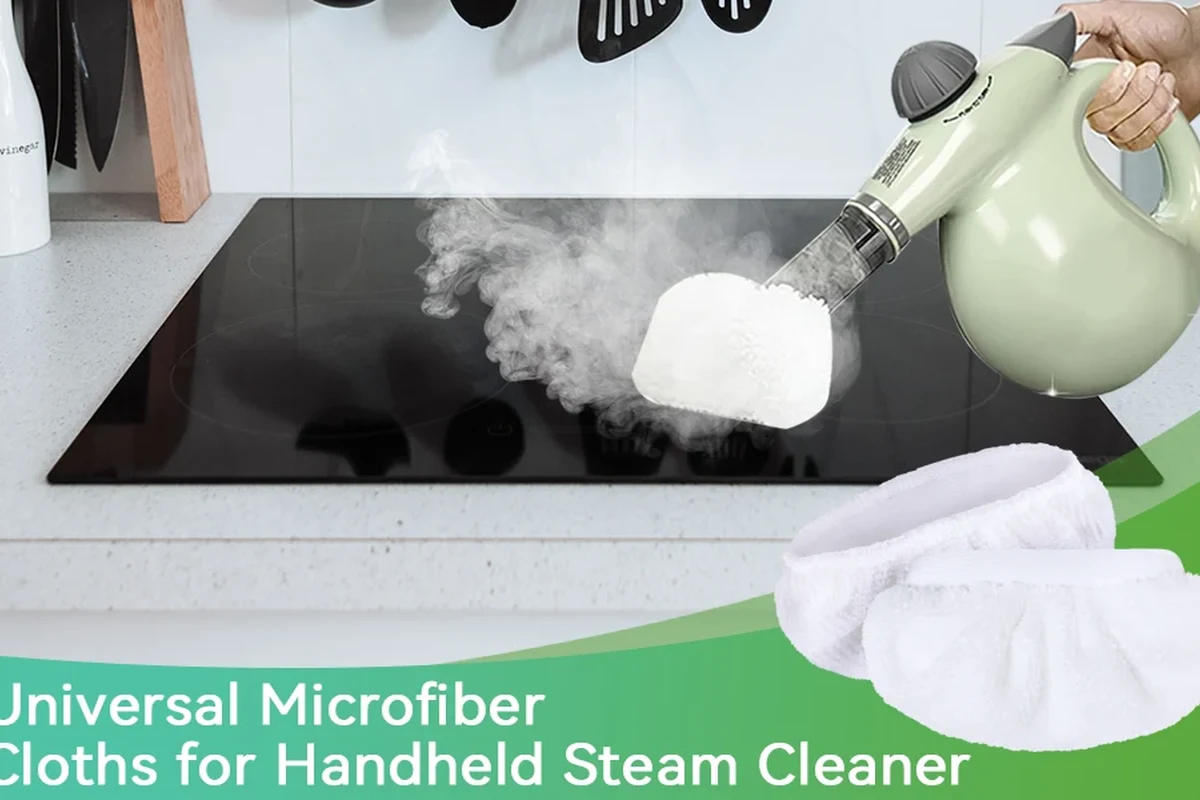
Quick answer: the best microfibre cloths for steam cleaners are the ones that match your cleaner’s head size, stay securely attached, withstand repeated high-heat washing, and use a dense, lint-free weave that improves steam contact without slowing drying.
If you are shopping for replacements, the safest starting point is your steam cleaner’s manual or model page. Compatibility matters more than brand hype, especially because pad shape, pocket style, and fastening method vary a lot between steam mops, handheld steamers, and combo cleaners.
How Microfibre Cloths for Steam Cleaners Work and Why They Matter
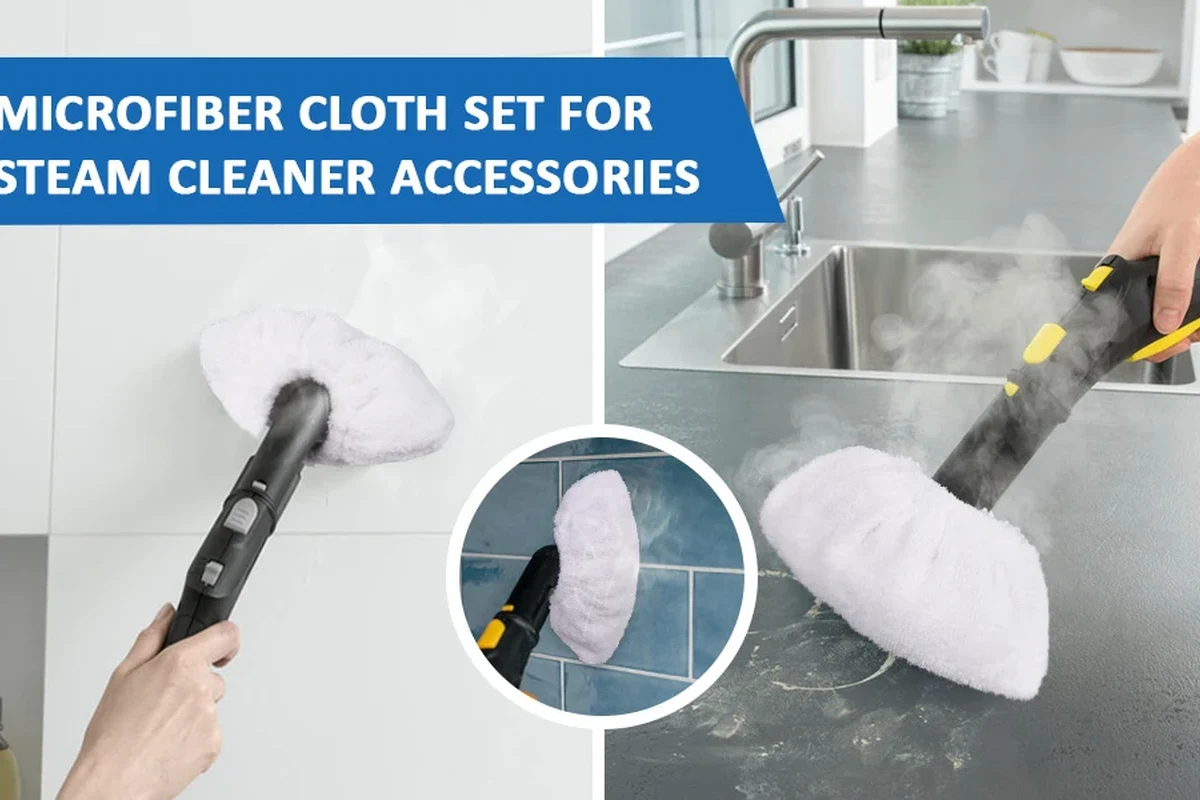
A steam cleaner pad does three jobs at once: it helps lift loosened dirt, absorbs moisture, and protects the floor surface from direct contact with the hot cleaning head. In practice, the cloth is what turns steam into a usable cleaning pass instead of just hot vapor on the floor.
The role of the cloth in steam cleaning: trapping loosened dirt, absorbing moisture, and protecting floors
When steam breaks up sticky soil, the cloth collects it before it gets spread around. That is especially important on sealed hardwood, laminate, tile, and sealed stone, where too much water or repeated passes can leave streaks or dull the finish.
A good pad also helps control how much moisture stays on the surface. If a cloth is too thin or too loose, it may not hold enough debris; if it is too thick or poorly fitted, it can reduce contact and make the cleaner feel harder to push.
Why weave, thickness, and attachment style affect cleaning performance
Dense microfiber tends to grab fine dust and greasy film better than loose, fluffy material. A tighter weave can also reduce lint transfer, which matters on dark floors and glossy tile.
Thickness is a tradeoff. Thicker pads may hold more dirt and moisture, but they can also slow drying and sometimes make the head harder to maneuver. Attachment style matters too because a pad that shifts or bunches will not maintain even steam contact.
What “steam cleaner compatible” really means in practice
“Compatible” usually means the pad matches the cleaner’s head dimensions, mounting method, and intended floor use. It does not automatically mean every universal cover will fit tightly or perform the same way.
Manufacturer compatibility claims can vary by region, model revision, and accessory version. Check the exact model number and attachment style before buying replacements.
Who This Guide Is For: Matching Cloths to Steam Mop Types and Cleaning Needs
This guide is for homeowners, renters, students, pet owners, and anyone cleaning sealed floors who wants a reusable pad that works reliably. It is also useful if you are replacing worn cloths and want to avoid loose fits, poor pickup, or unnecessary waste.
Best fit for hardwood, tile, laminate, sealed stone, and multi-surface homes
For hardwood and laminate, a well-fitting microfiber pad helps keep moisture controlled and reduces the chance of streaking. For tile and sealed stone, a denser pad can help lift grout-line grime and kitchen residue more effectively.
If your home has mixed flooring, look for a cloth that balances absorbency with quick drying. That usually means a pad that is substantial enough to handle messes but not so thick that it stays damp for too long.
Compatibility differences between steam mops, handheld steamers, and all-in-one cleaners
Steam mops usually use larger rectangular pads with hook-and-loop or pocket-style attachments. Handheld steamers often need smaller cloths, wraps, or fitted covers for nozzles and attachments.
All-in-one cleaners may use proprietary pads shaped for a specific head design, so universal options are less reliable there. If the cleaner has a unique base shape, the official replacement pad is often the simplest choice.
When reusable replacement pads are better than universal cloth covers
Reusable replacement pads are usually the better option when you want a secure fit, predictable steam flow, and easier washing. Universal covers can work for occasional use, but they may wrinkle, slide, or leave the edges exposed.
Choose model-specific replacement pads when you care most about fit, stability, and consistent cleaning across repeated sessions. Universal covers make more sense only when your cleaner has a common pad shape and the sizing is clearly confirmed.
Key Specs to Compare Before You Buy
Before you compare pack counts or marketing claims, focus on the specifications that affect real use. The right cloth should fit, attach securely, wash well, and match the floors you clean most often.
Size and shape: pad dimensions, corner coverage, and head fit
Measure the cleaning head or check the manual for the exact pad size. Corner coverage matters because exposed edges can leave narrow dirty strips near baseboards or around cabinet legs.
Some pads are shaped to wrap around the head, while others sit underneath it. A shape that matches the cleaner’s footprint usually performs better than a “close enough” universal option.
Material quality: microfiber density, blend ratio, lint resistance, and absorbency
Look for dense microfiber that feels tightly woven rather than thin or fuzzy. Low-lint construction is especially useful for shiny floors and for homes where dust and pet hair are common.
Absorbency should be high enough to collect grime, but not so heavy that the pad becomes saturated too quickly. The best balance depends on how large your cleaning area is and how dirty the floor usually gets.
Attachment method: Velcro, pocket, drawstring, clip-on, or elastic edge
Hook-and-loop fastening is common on steam mops because it is easy to remove and replace. Pocket and drawstring styles can hold more securely, but they may take longer to fit correctly.
Elastic edges and clip-on designs can be convenient, but they are more model-dependent. If the attachment does not match the cleaner’s head shape, the cloth can shift, wrinkle, or partially detach during use.
Heat tolerance, wash durability, and how many cycles to expect
Steam cleaner pads need to tolerate repeated hot washing and drying without shrinking, fraying, or losing their grip. The exact number of cycles varies by fabric quality, wash temperature, and how aggressively the pad is used.
Because manufacturers do not always publish the same durability details, it is smart to treat care instructions as part of the buying decision. If the pad needs special treatment, that may reduce convenience over time.
Pack value, replacement frequency, and cost per cloth
Multi-packs are often practical because you can swap in a fresh cloth during larger jobs. That matters for kitchens, mudrooms, pet areas, or multi-room cleaning sessions where one pad may load up quickly.
Instead of focusing only on pack size, think about cost per cloth and how often you will realistically replace them. A slightly more durable pad can be the better value if it lasts through more wash cycles and keeps its fit longer.
- Check compatibility with your exact steam cleaner model number and pad attachment style
- Confirm dimensions, wash instructions, and floor-surface recommendations in the manual
- Compare pack count, replacement availability, and long-term cost per cloth
Best Uses and Real-World Benefits of the Right Microfibre Cloth
The right pad can make a steam cleaner feel more effective without changing the machine itself. In many homes, the biggest difference is not raw power but how well the cloth manages dirt, moisture, and surface contact.
Improved grime pickup on sticky kitchen floors and bathroom surfaces
Kitchen spills, dried splatter, and bathroom residue often need a cloth with enough texture to grab debris after the steam loosens it. A better pad can reduce the number of passes needed over the same spot.
This is especially useful for households with kids or pets, where floors may collect more frequent messes and tracked-in dirt.
Better steam distribution and fewer streaks on sealed hard floors
A properly fitted pad helps keep steam contact even across the cleaning head. That can reduce streaking on sealed floors and help the cleaner glide more consistently.
If the cloth is too thin, steam may pass through too quickly; if it is too bulky, the head may drag and leave damp patches behind.
Faster turnarounds with spare cloths during larger cleaning jobs
Having extra pads on hand is one of the simplest ways to keep cleaning moving. When a cloth becomes damp or visibly dirty, swapping it out is faster than stopping to rinse and wait for drying.
This is one reason multi-packs are popular for larger homes or for people who clean several rooms in one session.
How the right cloth can reduce floor residue and protect finishes
Microfiber that is well matched to the cleaner can help lift residue instead of smearing it around. That matters on glossy floors where leftover film is easy to see and on delicate sealed finishes where repeated scrubbing is not ideal.
If a floor starts looking hazy after steam cleaning, the pad may be holding too much detergent residue, dirt, or moisture. A cleaner pad and a lighter wash routine often help more than adding extra steam passes.
Limitations, Common Mistakes, and Safety Considerations
Even a good microfiber cloth can perform poorly if it is the wrong size, the wrong material, or the wrong care routine. A few simple mistakes can also shorten pad life or make floors harder to clean.
Why oversized or loose pads can bunch, drag, or reduce steam contact
If a pad is too large, it can fold under the head or drag at the corners. That reduces contact where you need it most and can make the steam cleaner feel less stable.
Loose pads also tend to shift near edges and furniture, which can leave uneven results and more visible streaking.
Risks of using the wrong cloth on delicate or unsealed surfaces
Steam cleaning is not ideal for every surface. Unsealed wood, damaged laminate, waxed flooring, and certain delicate finishes may react badly to heat or moisture, even with a good pad.
Check the floor manufacturer’s guidance before using steam, especially if you are unsure whether the surface is fully sealed.
Common mistakes: fabric softener use, overloading detergent, and poor drying
Fabric softener can coat microfiber and reduce absorbency. Heavy detergent use can also leave residue that affects pickup and may transfer back to the floor.
Drying matters too. A pad that stays damp in a closed laundry basket or storage bin can develop odors and lose its fresh feel faster.
Safe-use limits: avoiding scorching, saturation buildup, and slipping hazards
Do not use a damaged pad that is thin, frayed, or no longer staying attached properly. Over-saturated cloths can leave slippery patches, especially on smooth tile or sealed stone.
Follow the steam cleaner’s manual for heat, water fill level, and approved pad types. Stop using any pad that shows melting, scorching, loose stitching, or poor grip, because it can affect cleaning and safety.
How to Choose the Best Microfibre Cloths for Your Steam Cleaner
The easiest way to choose well is to start with fit, then narrow by material and maintenance. That keeps you from buying pads that look similar online but behave very differently in real use.
Check the manufacturer’s head dimensions and attachment system first
Use the model number, manual, or official accessory list before you compare anything else. If the pad does not match the cleaner’s head and fastening system, the rest of the specs matter less.
Prioritize machine-washable, fast-drying, low-lint materials
Reusable pads only feel convenient if they are easy to wash and dry. Low-lint microfiber is a strong choice for most homes because it helps reduce streaking and keeps the cleaning path cleaner between uses.
Choose cloth thickness based on cleaning frequency and floor type
If you clean often and want quick turnaround, a medium-thickness pad is usually the most practical. If you tackle heavier messes less often, a denser pad may be worthwhile as long as it still dries reasonably well.
Consider multi-pack value, spare rotation, and long-term replacement cost
A spare rotation helps extend pad life because you are not forcing one cloth to do every job. For many buyers, the best value is a pack that includes enough replacements to keep one in use, one in wash, and one ready to go.
- Keep one pad set aside for kitchen use if you also clean bathrooms or pet areas.
- Label model-specific pads so they do not get mixed with other cleaning cloths.
- Replace pads in pairs if one side wears out faster and fit becomes uneven.
Care, Storage, and Replacement Guide for Longer Cloth Life
Good care helps microfiber keep its absorbency, shape, and grip. That matters because a pad that fits poorly after a few washes is no longer doing the job you bought it for.
Washing instructions that preserve absorbency and fit
Use the care instructions from the pad maker or steam cleaner manual when they are available. In general, avoiding fabric softener and using moderate detergent helps preserve microfiber performance.
If the pad has hook-and-loop material, fasten it before washing when recommended so the attachment surface stays in better condition. Wash it with similar fabrics to reduce lint transfer.
Drying and storage tips to prevent mildew, odor, and fiber damage
Dry pads fully before storing them. Air drying can work well if the room is ventilated, while machine drying should follow the pad’s care label if heat is allowed.
Store clean pads in a dry cabinet or bin, away from moisture and strong odors. Keeping them separate from dirty cleaning cloths also helps maintain freshness.
When to replace worn pads: thinning, fraying, poor grip, or reduced pickup
Replace a pad when it starts losing its shape, no longer stays attached securely, or seems to spread dirt instead of collecting it. Thinning fibers and frayed edges are strong signs that performance is dropping.
If you notice more streaks, longer drying time, or less effective grime pickup even after proper washing, the cloth may be near the end of its useful life.
Final recommendation: the best choice is usually a durable, perfectly sized, washable pad that matches your steam cleaner model and cleaning surfaces
For most buyers, the smartest purchase is not the cheapest universal cover. It is the pad that fits tightly, cleans consistently, and holds up to repeated washing without losing shape or grip.
- Fit and attachment style matter more than generic “universal” labeling.
- Dense, low-lint microfiber usually performs better on sealed hard floors.
- Machine-washable pads with spare rotation offer the best long-term convenience.
If you want the safest next step, check your steam cleaner’s manual, confirm the exact pad size, and then choose a washable replacement from a trusted manufacturer or a clearly compatible third-party option.
Related reading: if you are also comparing cleaning gear for other rooms, see our guide to which cordless vacuum is best for pet hair, our roundup of cordless backpack vacuum cleaners, and our article on having smart lights for home for other practical home-gadget upgrades.
Frequently Asked Questions
A good pad fits the cleaner head securely, uses a dense low-lint weave, and holds up to repeated hot washing. It should improve steam contact without bunching or slowing the cleaner down.
Universal cloths can work if the size and attachment style match your model closely. For the most reliable fit and performance, model-specific replacement pads are usually safer.
Check your steam cleaner manual, model page, or the old pad’s dimensions if they are listed. The exact head shape and fastening method matter just as much as the overall length and width.
Follow the pad label or cleaner manual, and avoid fabric softener because it can reduce absorbency. Use moderate detergent and dry the pads fully before storage.
Replace it when the fibers thin out, the edges fray, or the pad stops gripping the head securely. Reduced pickup and more streaking are also signs it is wearing out.
Yes, especially on unsealed or delicate surfaces that do not handle heat and moisture well. Always confirm that your floor type is safe for steam cleaning before using any pad.