How Hot Do Steam Cleaners Get and Why It Matters
Steam cleaners usually get hot enough to create effective cleaning steam, but the usable temperature at the surface is often lower than the number in the spec sheet. The best model for your home is the one that matches your surfaces, runtime needs, and safety guidance.
Steam cleaners usually get hot enough to produce steam at roughly boiling-water temperatures, but the exact output varies by model and how the machine is built. In practical terms, that heat is what helps loosen grime, lift grease, and reduce your reliance on chemicals on the right surfaces.
- Heat at the surface matters most: Boiler temperature is less useful than the steam that actually reaches your floor or.
- Model type changes performance: Canister units usually hold heat and runtime better than compact handheld models.
- Surface compatibility is critical: Steam can damage unsealed wood, delicate finishes, and other heat-sensitive materials.
- Maintenance affects longevity: Descaling, filter care, and safe storage help prevent weak steam and leaks.
How Hot Do Steam Cleaners Get? The Short Answer and What It Means for Cleaning
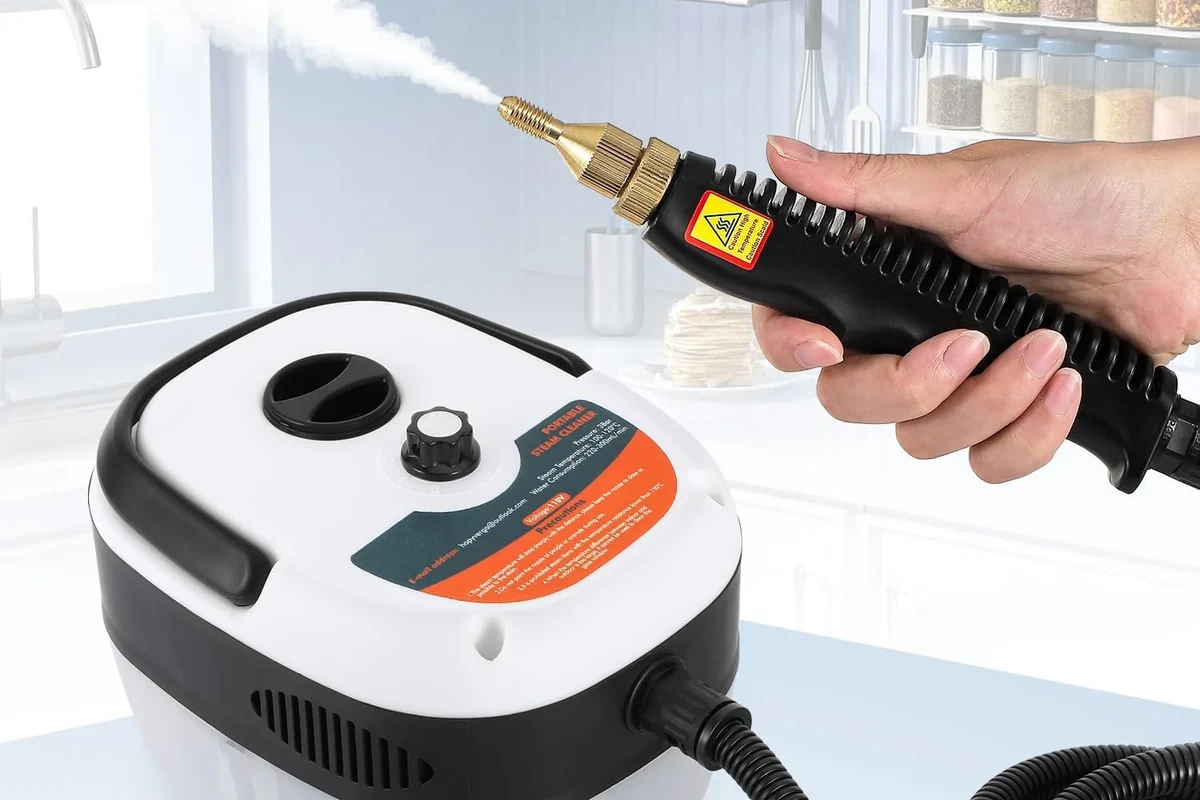
Most home steam cleaners heat water to create pressurized steam that is hot enough to clean, but not all of that heat reaches the surface you are cleaning. The important part is not just the maximum temperature inside the tank; it is how much usable steam stays hot at the nozzle and on contact with the surface.
For buyers, that means a steam cleaner with a higher advertised temperature is not automatically better. Tank design, pressure, hose length, nozzle shape, and heat retention all affect how effective the steam feels in real use.
How Steam Cleaners Work: Water, Pressure, and Temperature Explained
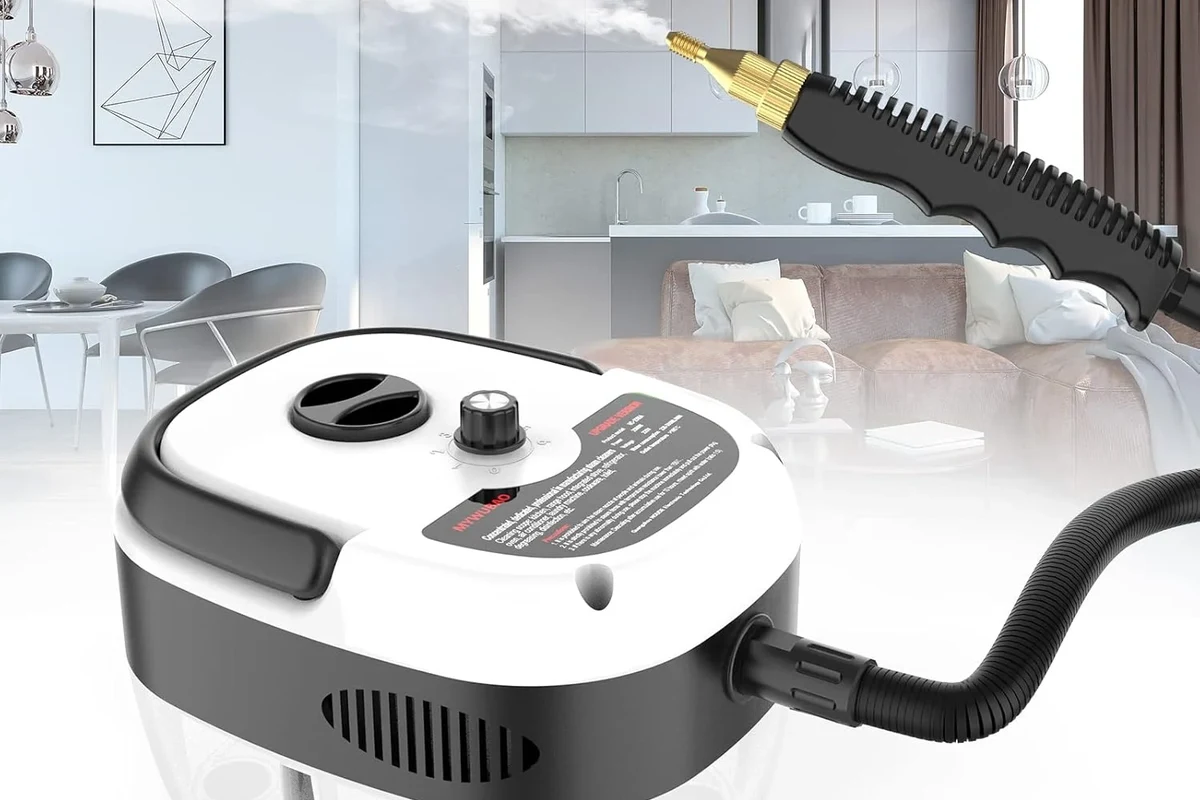
Steam cleaners turn plain water into vapor using an internal heating element. Once the water reaches steam-producing temperatures, pressure helps push that steam through the hose or head and onto the surface you want to clean.
What “steam” really means in a home steam cleaner
In consumer models, “steam” is usually superheated vapor created from water, not dry industrial steam. That matters because the steam cools quickly once it leaves the machine, especially if the hose is long or the room is cold.
Note
Manufacturer temperature claims may refer to internal boiler temperature, outlet temperature, or a peak reading under ideal conditions. Always check the manual or spec sheet to see what the number actually describes.
Why temperature and pressure matter for cleaning performance
Heat helps soften oils, soap scum, and stuck-on residue. Pressure helps deliver that heat where it is needed, while a steady steam flow keeps the tool from feeling weak or sputtery during cleaning.
Most important decision pointA steam cleaner is only as useful as the heat and steam flow it can maintain at the surface, not just in the tank.
Typical Steam Cleaner Temperature Ranges in 2026
Temperature ranges vary by product category and by how the manufacturer measures them. If a listing does not explain whether the number is measured in the boiler, at the nozzle, or at the surface, treat it as a general indicator rather than a precise cleaning promise.
Handheld steam cleaners vs. canister steam cleaners
Handheld steam cleaners are usually more compact and easier to store, but they often have smaller tanks and shorter runtime. Canister models typically hold more water, maintain steam longer, and are better suited to larger cleaning jobs.
In general, canister units are more likely to sustain hotter steam for longer because they have more room for heating hardware and water capacity. Handheld units can still be useful, but they are often better for spot cleaning, grout touch-ups, and small messes.
Steam mops, garment steamers, and specialty attachments
Steam mops are designed mainly for sealed hard floors, so their temperature and steam output are tuned for floor cleaning rather than deep detailing. Garment steamers are built for fabric care, which means their heat and output are optimized for wrinkles, not dirt removal.
Specialty attachments can change how the steam feels at the surface. A focused nozzle may deliver hotter, more concentrated steam to grout lines, while a wider pad spreads heat across a larger area but may cool faster.
Why advertised max temperature is not the same as usable steam at the surface
A machine can advertise a high maximum temperature while still delivering cooler steam by the time it reaches the floor or upholstery. Heat loss happens through the hose, attachments, and even pauses in use.
Steam cleaners often work best when the steam path is short and the machine is fully heated, because less heat is lost before the vapor reaches the target surface.
What to Look For Before Buying a Steam Cleaner
If you are shopping for a steam cleaner, think about how you clean now, what surfaces you own, and how much storage space you have. The best model is usually the one that matches your home size and cleaning habits, not the one with the biggest headline number.
Tank size, heat-up time, and runtime
Tank size affects how long you can clean before refilling. Heat-up time matters if you want quick weekday cleanup, while runtime matters more for deep-cleaning bathrooms, kitchens, or multiple rooms.
Practical Tips
- Choose a smaller tank for quick touch-ups and a larger tank for longer sessions.
- Check whether the steam output stays consistent as the tank empties.
- Look for refill-friendly designs if you clean large areas often.
Power rating, cord length, and build quality
Higher power can help a unit heat water faster, but power alone does not guarantee better cleaning. Cord length, hose flexibility, and the quality of seals and switches also affect everyday usability.
Build quality matters because steam cleaners deal with heat, pressure, and repeated refills. If the product feels flimsy, has loose fittings, or uses hard-to-replace parts, it may not age well.
Attachments, surface compatibility, and storage size
Attachments determine whether the cleaner is useful on grout, windows, upholstery, sinks, or tight corners. Before buying, make sure the included tools match the surfaces you actually plan to clean.
- Check compatibility, model number, and intended surfaces
- Confirm warranty terms, replacement parts, and storage needs
- Review the manual for heat-up, refill, and cooling instructions
Warranty, replacement parts, and maintenance requirements
A steam cleaner is easier to live with when it has accessible replacement pads, filters, seals, and nozzles. If the brand supports parts well, the machine is more likely to remain useful after normal wear.
Also check whether descaling is simple. Some units need regular mineral-removal care, especially in areas with hard water, and that maintenance can affect long-term performance.
Who Steam Cleaners Fit Best: Best Use Cases and Real-World Benefits
Steam cleaners are not for every home, but they can be a strong fit when you want fast chemical-free cleaning on compatible surfaces. They are especially useful when buildup is too stubborn for a dry wipe but not so severe that you need a heavy-duty scrubber.
Floors, grout, upholstery, bathrooms, and kitchens
Sealed hard floors, tile grout, shower walls, sink edges, and some upholstery jobs are common steam-cleaning targets. The exact result depends on the fabric or finish, so compatibility matters more than the marketing category.
For more general floor-cleaning context, it can help to compare steam tools with other home cleaning gear, such as a cordless backpack vacuum cleaner, if your routine includes both debris pickup and deep cleaning.
Allergy-conscious homes, pet owners, and busy households
Steam cleaning appeals to households that want to reduce reliance on scented cleaners or frequent chemical use. It can also be convenient for pet owners who need to clean tracked-in messes or sanitize-looking surfaces quickly between deeper cleanings.
Busy homes may like steam cleaners because they can handle several small tasks with one tool, especially when the right attachment is already connected. Still, the machine needs time to heat up and cool down, so it is not always the fastest option for every spill.
When a steam cleaner is better than chemical cleaners
Steam can be a smart choice when you want heat to help loosen residue without adding more liquid cleaner. It is often better for tiled areas, sealed surfaces, and detail work where scrubbing by hand would take longer.
For fabric or electronics-adjacent cleanup, caution is essential. If moisture exposure is a concern, it is better to use the right method than to assume steam is automatically safer.
Limitations, Risks, and Common Mistakes to Avoid
Steam cleaners are useful, but they are not universal cleaners. The biggest mistakes come from using them on the wrong surface, expecting instant sanitizing, or assuming hotter always means better.
Surfaces that should not be steam cleaned
Unsealed wood, delicate wallpaper, some adhesives, certain laminates, and heat-sensitive fabrics can be damaged by steam. Even sealed surfaces may have seams, gaps, or finishes that react badly to moisture and heat.
Do not steam-clean a surface unless the manufacturer of the cleaner and the surface both allow it. When in doubt, test in a hidden area or choose a different cleaning method.
Over-wetting, streaking, and incomplete sanitizing assumptions
Too much steam can leave floors streaky or upholstery damp for longer than expected. That is especially true when you move slowly, use the wrong pad, or keep the nozzle in one place too long.
Also avoid assuming steam automatically sanitizes every surface in every situation. Real results depend on temperature, contact time, surface type, and how contaminated the area is.
Burn risk, handling mistakes, and child/pet safety
Steam cleaners can cause serious burns if the nozzle, pad, or hose is touched too soon after use. Keep children and pets away while the machine is heating, operating, and cooling.
Stop using a steam cleaner if the cord is damaged, the tank leaks, the hose cracks, or the unit overheats in a way that seems abnormal. Follow the manufacturer’s safety guidance before using it again.
Safe Use, Care, and Storage for Longer Life
Good maintenance helps a steam cleaner keep heating properly and reduces the chance of leaks, clogs, or weak output. A little care goes a long way because these machines rely on water flow, seals, and heat consistency.
Pre-use inspection: hose, seals, cord, and nozzle checks
Before each use, look over the cord, hose, attachments, and tank cap for cracks, swelling, or looseness. If anything seems damaged, stop and consult the manual or the manufacturer’s support page.
Check for frayed cords, loose fittings, and visible wear around the tank and nozzle.
Make sure the reservoir is closed and locked the way the manual describes.
Let the machine reach full heat before starting a task, then begin on a small area first.
Water quality, descaling, and filter care
Water quality can affect how quickly mineral buildup develops inside the unit. If your area has hard water, descaling may be needed more often, so check the manual for the recommended method and schedule.
Some models use filters or cartridges, while others rely on routine flushing and cleaning. The right care method depends on the exact model, so do not assume one steam cleaner’s maintenance steps apply to another.
Cooling down, emptying, and storing the unit properly
Let the machine cool fully before emptying the tank or putting it away. Storing a unit while it is still warm or wet can shorten component life and may create odors or mineral residue.
For homes with limited storage, check the footprint and whether accessories can nest inside the main body. That can make a difference if you live in an apartment, dorm, or smaller house.
Final Verdict: How to Choose the Right Steam Cleaner for Your Home
The right steam cleaner is the one that matches your surfaces, cleaning frequency, and tolerance for maintenance. Focus on usable heat, steady steam output, and the attachments you will actually use, not just the highest advertised temperature.
If you clean small messes and tight spaces, a handheld unit may be enough. If you want longer runtime and more versatility, a canister model is usually the better fit, as long as the storage space and maintenance fit your routine.
Best choice by home size, cleaning frequency, and budget
For small homes or occasional spot cleaning, compact models offer convenience and easier storage. For larger homes, frequent cleaning, or mixed-surface jobs, a more capable unit with better runtime and stronger attachment support is usually worth considering.
Transparent recommendation based on heat, performance, and value
Best For
Choose the steam cleaner that clearly explains its temperature claims, lists compatible surfaces, and includes the attachments you need. The best value is usually the model that balances heat retention, safety, and easy maintenance rather than the one with the biggest headline number.
Steam cleaners get hot enough to be effective, but real cleaning power depends on how much heat survives the trip from tank to surface. Verify the model’s temperature claims, surface compatibility, and maintenance requirements before you buy.
Frequently Asked Questions
Most home steam cleaners heat water to produce steam that is hot enough for cleaning, but the exact temperature varies by model. The useful heat at the surface is often lower than the machine’s internal maximum.
Not always. Cleaning performance also depends on pressure, steam flow, attachment design, and how much heat reaches the surface before it cools.
Yes, if they are used on surfaces that are not steam-safe or if too much moisture is applied. Always check the surface manufacturer’s guidance and test a hidden area when appropriate.
Steam may help reduce grime and support cleaning, but sanitizing results depend on temperature, contact time, and the surface being cleaned. Do not assume every steam-cleaning job equals full sanitizing.
Follow the manual for descaling, filter care, and tank cleaning. Inspect the hose, seals, cord, and nozzle regularly, and store the unit only after it has cooled completely.
Check the temperature claim, tank size, heat-up time, runtime, attachments, and surface compatibility. Also review warranty coverage, replacement parts, and maintenance requirements before deciding.