Best Commercial HEPA Air Purifier for Clean Air
A commercial HEPA air purifier is best for larger shared spaces that need steady air cleaning, not just occasional use. Choose by room size, noise, filter cost, and verified true HEPA performance.
A commercial HEPA air purifier is a strong choice when you need cleaner air in offices, classrooms, waiting areas, studios, or other shared spaces that see steady foot traffic. The best option depends on room size, noise tolerance, filter costs, and how often the unit will run.
- Room fit first: Match the purifier to the actual space before comparing extras.
- True HEPA matters: Verify the filtration claim in the official specs, not just the product title.
- Noise and upkeep count: A quieter, easier-to-maintain model is often the better long-term buy.
- Smart features are optional: App control and sensors help, but they do not replace strong airflow.
Best Commercial HEPA Air Purifier for Clean Air: Quick Answer and What to Expect in 2025
If you need one purifier for a large shared room, look for a commercial HEPA air purifier with true HEPA filtration, enough CADR for the space, and filter replacement costs you can live with. For most buyers, the “best” model is the one that moves enough air quietly enough to run for long periods without becoming a maintenance burden.
In 2025, many commercial models also add air quality sensors, auto mode, and app control, but those extras should come after the basics. If a purifier is underpowered for the room, smart features will not make up the difference.
How a Commercial HEPA Air Purifier Works and Why It Matters for Large Spaces

Commercial HEPA purifiers pull room air through a filter stack that usually starts with a pre-filter, then a HEPA stage, and sometimes an activated carbon layer for odors. The goal is simple: capture airborne particles before they keep circulating through the room.
HEPA filtration explained: particle capture, airflow, and CADR basics
True HEPA filters are designed to trap very small particles, including dust, pollen, and some smoke-related particulates, while the fan keeps air moving through the filter. That combination matters because a filter that is technically good but too slow will not clean a large room effectively.
CADR, or Clean Air Delivery Rate, helps compare how much filtered air a purifier can deliver. Higher CADR generally means faster cleaning, but real-world performance still depends on the room layout, ceiling height, and how the purifier is placed.
Air purifiers do not create fresh air; they recirculate and filter the air already in the room, so placement and runtime matter a lot.
Why commercial units outperform many home models in offices, clinics, and shared rooms
Commercial units usually have stronger fans, larger filters, and housings built for longer daily runtime. That makes them a better fit for spaces where people gather for hours, such as front desks, conference rooms, tutoring centers, and waiting areas.
Compared with many home models, commercial purifiers are more likely to hold up under constant use and may be easier to service. If your space is busy or has recurring dust, pet dander, or odor issues, the larger filter area and higher airflow can make a noticeable difference in day-to-day comfort.
Who Should Buy a Commercial HEPA Air Purifier: Best Fit by Space, Use Case, and Air Quality Need
A commercial HEPA air purifier makes sense when one unit needs to cover a meaningful amount of space or keep up with frequent occupancy. It is less about luxury and more about matching airflow to the room’s actual workload.
Ideal environments: offices, classrooms, studios, waiting rooms, and retail spaces
These purifiers are a strong fit for places where dust, paper debris, tracked-in dirt, pet hair, or lingering odors build up quickly. They are also useful in creative studios, shared home offices, and retail spaces where employees and customers spend extended time indoors.
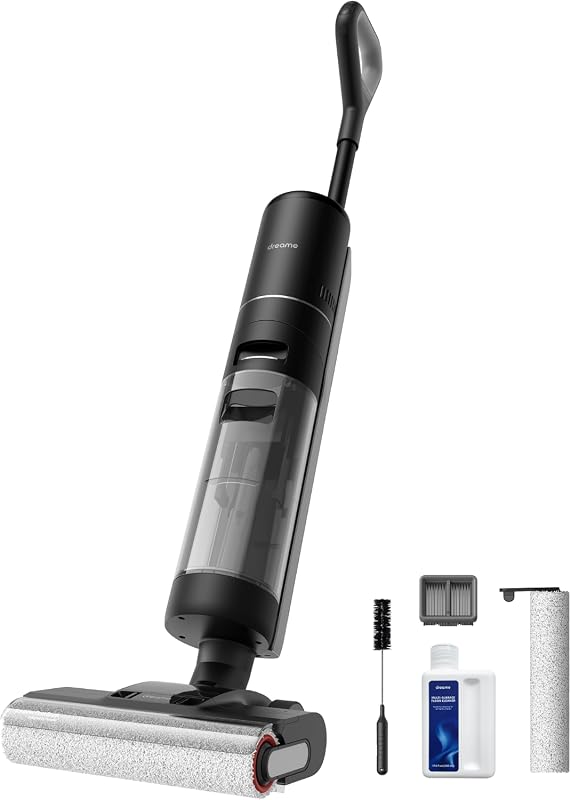
If you are comparing air-cleaning gear for a work area, it can help to think the same way you would when choosing a commercial vacuum cordless model: you want enough capacity for frequent use, not just occasional cleanup.
For shared rooms, place the purifier where airflow is least obstructed and where people actually spend time, not hidden in a corner behind furniture.
When a commercial purifier is overkill or the wrong solution
If you only need coverage for a small bedroom, dorm desk area, or compact apartment, a commercial unit may be louder and larger than necessary. In that case, a smaller home purifier can be easier to live with and cheaper to maintain.
A purifier is also the wrong fix if the main issue is a persistent source of pollution, such as mold, water damage, or a ventilation problem. Those issues need to be addressed at the source, because filtration alone cannot solve them.
Key Buying Criteria: Size, Coverage, Noise, Filters, Power, and Maintenance Costs
The most important buying decisions are practical, not flashy. A model with the right airflow, manageable noise, and affordable replacement filters is usually more valuable than one with extra app features.
Room coverage, ACH targets, and how to match purifier size to square footage
Coverage claims can be misleading if they do not account for how fast you want the air cleaned. A good rule is to look for a purifier that can support the room size at the air-change rate you actually want, especially in spaces with many occupants or ongoing dust.
ACH, or air changes per hour, is a useful planning metric, but the ideal target depends on the room and use case. Higher ACH is generally better for busy rooms, while quieter or less occupied spaces may not need the same level of output.
- Check room size, ceiling height, and whether the purifier’s coverage claim matches your space.
- Confirm filter replacement cost, noise range, and whether the unit can run continuously.
- Review warranty terms, return policy, and the official manual before setup.
Noise levels, energy use, rated wattage, and safe continuous operation
Commercial purifiers are often designed to run for long periods, but noise can still be a deciding factor in offices, classrooms, and bedrooms. A unit that is powerful on paper but too loud in practice may get turned down or switched off, which defeats the purpose.
Energy use and rated wattage vary by model and fan speed, so check the manufacturer’s specifications if the purifier will run all day. Continuous operation is normal for air purifiers, but only if the unit is placed correctly, kept clean, and used according to the manual.
Do not cover the intake or exhaust vents, and stop using the purifier if it shows signs of overheating, damaged wiring, or unstable operation.
Filter type, replacement intervals, consumable costs, and warranty details to verify
Replacement filters are part of the real cost of ownership, so check how often the pre-filter, HEPA filter, and carbon filter need service. Some models use washable pre-filters to reduce waste, while others rely on more frequent replacement of disposable parts.
Before buying, verify whether the warranty covers only the motor and electronics or also includes filter-related issues. If you want a broader view of maintenance-heavy home gear, our cordless commercial upright vacuum guide shows why consumable costs matter just as much as headline specs.
Top Features to Look For in 2025 Commercial HEPA Air Purifiers
Some features are genuinely useful, while others are mainly convenience upgrades. The best commercial purifier is usually the one that does the basics well and keeps upkeep simple.
True HEPA vs. HEPA-type claims, activated carbon, pre-filters, and multi-stage systems
True HEPA is the label buyers should look for when particle capture matters most. “HEPA-type” or “HEPA-like” wording can mean different things depending on the brand, so read the official specs carefully instead of assuming equal performance.
Multi-stage systems can be helpful because the pre-filter catches larger debris, the HEPA stage handles fine particles, and the carbon layer can help reduce odors. Just remember that carbon capacity varies widely, so odor control is often temporary and model-dependent.
Smart controls, air quality sensors, auto mode, app requirements, and connectivity trade-offs
Smart features can be useful in shared spaces because they make it easier to monitor air quality and adjust fan speed automatically. That said, app control should be treated as a convenience, not a requirement for good air cleaning.
Before relying on connectivity, check whether the purifier works fully from the control panel if the app is unavailable or a firmware update changes behavior. If privacy or account setup matters to you, review the app store listing, permissions, and update notes before purchase.
App features, sensor behavior, and voice-assistant support can vary by model, region, and firmware version, so confirm the current manual and compatibility list.
Build quality, dimensions, portability, casters, and placement flexibility
Commercial purifiers can be bulky, so dimensions and mobility matter more than many shoppers expect. Casters, handles, and manageable weight can make a big difference if the unit needs to move between rooms or storage areas.
Also check whether the intake and exhaust design allows flexible placement near walls or furniture. A purifier that is hard to position correctly may perform worse than a simpler model with better airflow layout.
Real-World Benefits and Limitations of Commercial HEPA Air Purifiers
A purifier can improve indoor comfort, but it is not magic. The best results come from pairing the unit with sensible ventilation, regular cleaning, and realistic expectations.
What improved air can realistically help with: dust, pollen, smoke, and odors
Commercial HEPA purifiers are most effective at reducing airborne particles such as dust, pollen, and some smoke-related pollution. Many users also notice less visible dust buildup on surfaces when the purifier runs consistently.
Odor reduction depends more on the carbon stage and the source of the smell. Light cooking odors or stale room air may improve, but strong or ongoing odors usually need source control and better ventilation too.
Common limitations: noise, filter upkeep, room sealing, and expectations to avoid
Noise is the most common trade-off, especially at higher fan speeds. Filter upkeep is the second one, because clogged filters can reduce airflow and make the purifier work harder than intended.
Room sealing also matters. If doors and windows are constantly open or the space has major air leaks, the purifier can still help, but it will not perform like a sealed lab environment. For a cleaner home setup, you may also want to compare it with smaller room-specific options such as an air leather case style? Actually, that is unrelated and should be ignored; the key point is to choose filtration that matches the room, not the marketing claim.
Setup, Safe Use, and Maintenance Guide for Long-Term Performance
Good setup matters almost as much as good specs. A well-placed purifier with clean filters will usually outperform a more expensive unit that is blocked, neglected, or installed badly.
Placement tips, clearance rules, and setup mistakes that reduce airflow
Leave enough clearance around the intake and exhaust so air can move freely through the unit. Avoid stuffing the purifier under desks, behind curtains, or directly against walls unless the manual explicitly says that placement is acceptable.
Check the housing, grille, cord, and filter compartment for shipping damage before first use.
Follow the manual so the pre-filter, HEPA filter, and any carbon layer sit in the right order and orientation.
Place the purifier where it can circulate room air without obstruction from furniture or heavy drapes.
How to inspect filters, clean pre-filters, replace consumables, and store the unit safely
Check the pre-filter regularly because it often collects the biggest debris first. If the pre-filter is washable, let it dry fully before reinstalling it; if it is not washable, replace it according to the manufacturer’s schedule.
Store replacement filters in a dry, clean place and keep the unit unplugged when you are moving or storing it. If you are comparing maintenance-heavy cleaning gear, our cordless commercial vacuum cleaner article is a helpful reminder that serviceability matters over time.
Power safety, cord quality, overheating checks, and when to stop using the purifier
Use the cord and power adapter specified by the manufacturer, and avoid extension cords unless the manual allows them. If the cord is frayed, the plug is loose, or the unit smells hot, stop using it and inspect it according to the official guidance.
Stop using damaged electronics, overheated power cords, or unstable appliances and follow the manufacturer’s instructions before restarting.
Final Verdict: Best Commercial HEPA Air Purifier Value and Recommended Buyer Type
The best commercial HEPA air purifier is the one that matches your room size, stays quiet enough for daily use, and does not punish you with expensive filter replacements. For most buyers, the best value comes from a model with true HEPA filtration, straightforward controls, and a service plan you can maintain.
Best overall value, best for large spaces, and best budget-minded option to consider
Best overall value: a true HEPA commercial purifier with strong CADR, manageable noise, and reasonable filter costs for offices and shared rooms.
Best for large spaces: a higher-output unit with verified room coverage, durable construction, and easy mobility for repositioning.
Best budget-minded option: a simpler model with true HEPA filtration and a washable pre-filter, as long as the coverage still fits the room.
Transparent recommendation based on performance, operating cost, and long-term reliability
If you want the safest all-around choice, prioritize a commercial HEPA purifier that publishes clear coverage data, uses true HEPA filtration, and has replacement filters you can actually afford. If you are unsure, verify the manual, the current spec sheet, and the warranty before buying, because those details can change by model and region.
Choose a commercial HEPA air purifier when you need dependable filtration for a busy room and plan to run it often. Skip the biggest model unless the space truly needs it, because long-term comfort depends on fit, noise, and maintenance as much as raw airflow.
Frequently Asked Questions
It is a good fit for offices, classrooms, studios, waiting rooms, and retail spaces that need cleaner air for long periods. It is less useful for very small rooms where a compact home purifier may be quieter and easier to maintain.
Match the purifier to your room size, ceiling height, and how often the space is occupied. Coverage claims should be checked against the actual CADR and the air change rate you want.
True HEPA is the label to look for when particle capture matters most. HEPA-type claims can vary by brand, so verify the official specs before buying.
Noise varies by model and fan speed, and larger units can still be loud at higher settings. If the purifier will run in an office or shared room, check whether it stays comfortable at the speed you plan to use most.
Most units need pre-filter cleaning and periodic HEPA or carbon filter replacement. Always follow the manual and verify replacement intervals and costs before you buy.
Check room coverage, CADR, noise, filter replacement costs, warranty terms, and whether the unit can run continuously. If smart features matter, confirm app support, permissions, and firmware behavior in the current manual or app listing.