How Long Can a Usb-c Charging Cable Be
Most people should choose a 3- to 6-foot USB-C cable for reliable everyday charging. Longer cables can work, but they usually need better build quality and the right wattage rating to avoid slower charging.
- Length matters: Longer USB-C cables can increase resistance and reduce charging efficiency.
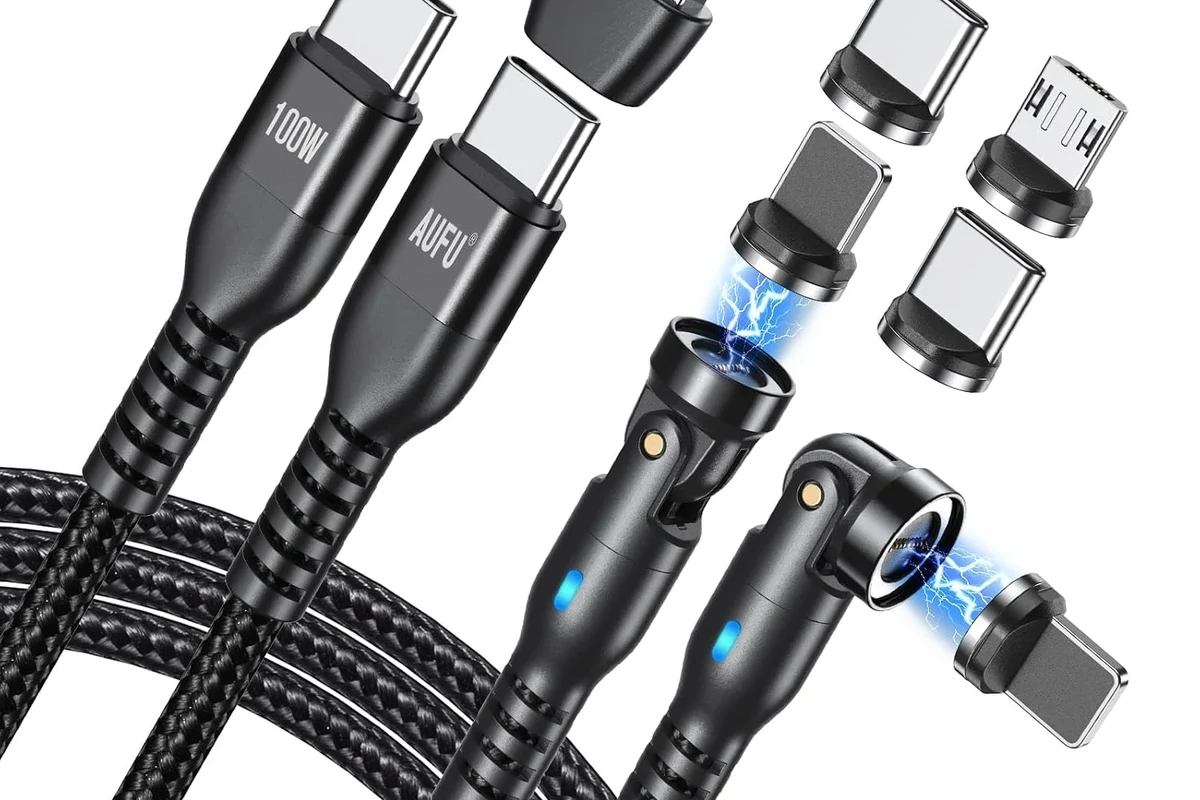
- Match the load: Laptops and high-wattage chargers need better-rated cables than phones do.
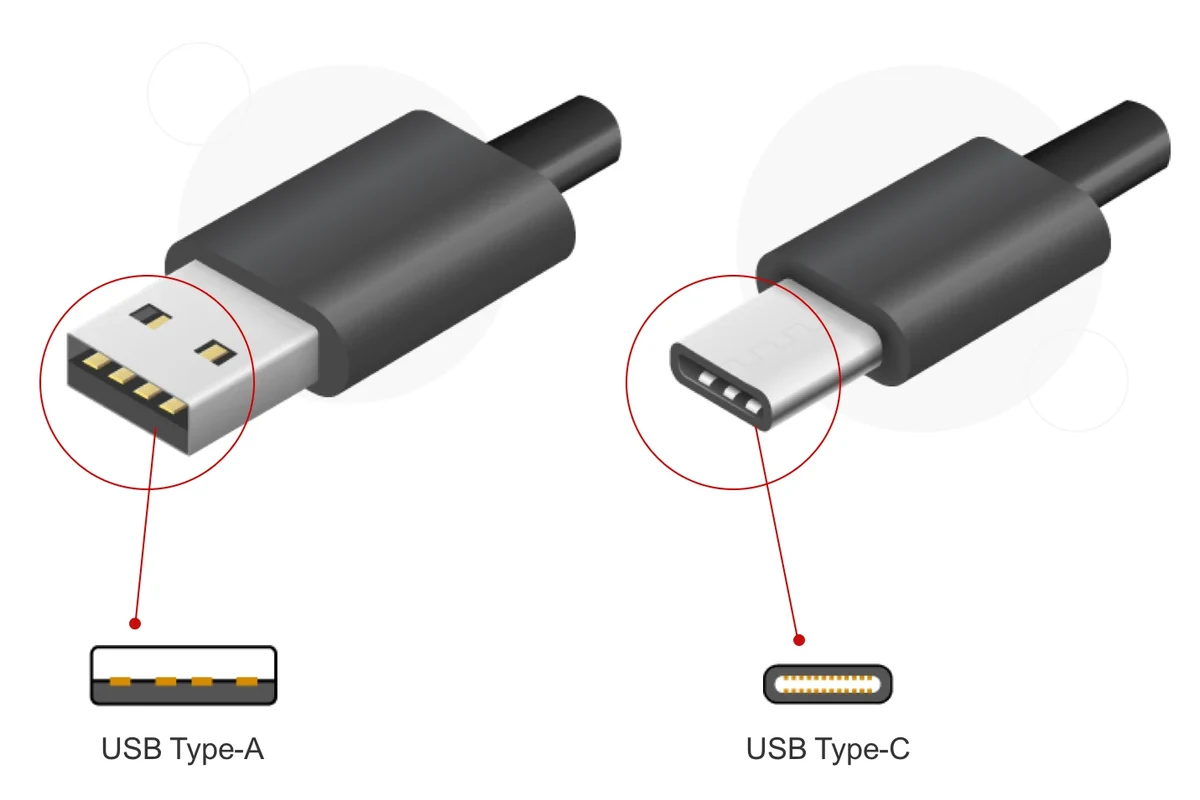
- Check the specs: Look for wattage, current support, and USB-PD or PPS compatibility.
- Watch for heat: Warmth, fraying, or unstable charging are signs to replace the cable.
- Best everyday range: A 3- to 6-foot cable is the safest all-around choice for most users.
Frequently Asked Questions
There is no single universal maximum because cable quality, power draw, and whether the cable is passive or active all matter. For everyday charging, 3 to 6 feet is usually the most practical and reliable range.
It can, because longer cables add resistance and voltage drop. A well-made long cable may still charge well, but shorter cables usually have fewer performance losses.
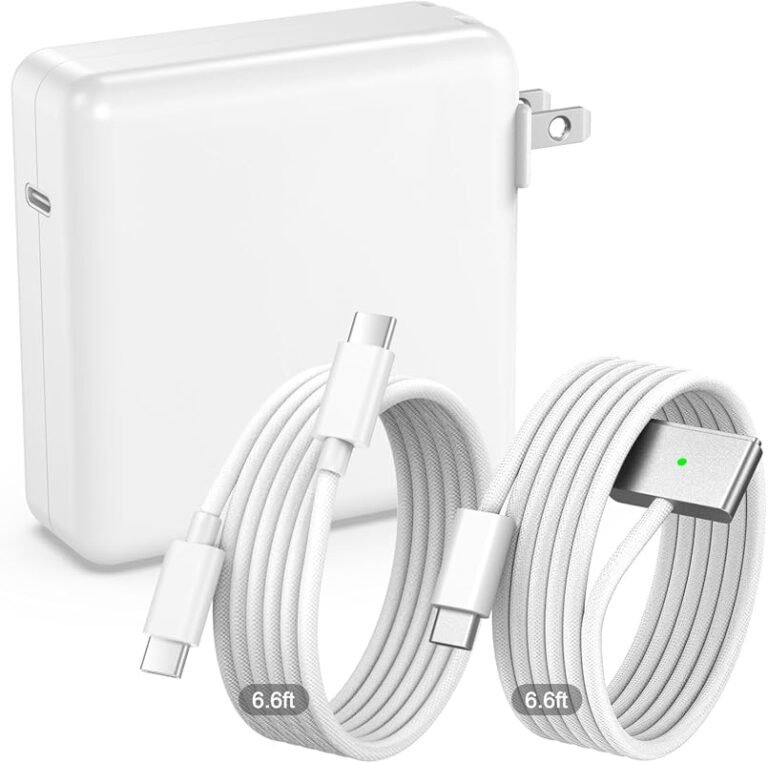
Yes, as long as the cable is rated for the wattage your laptop and charger need. Check the cable’s power rating and any USB-PD compatibility notes before buying.
Better cables usually have clearer wattage ratings, stronger connectors, and better internal conductors. That helps reduce heat, charging drop-off, and early wear.
Replace it if it frays, overheats, feels loose, or charges inconsistently. A damaged cable can become less efficient and less safe over time.
For most homes, offices, and travel setups, a 3- to 6-foot cable is the best balance of convenience and performance. Go longer only when the extra reach is genuinely needed.