Are Canister Vacuums Better Than Upright for Your Home
Canister vacuums are often better for hard floors, stairs, and detailed cleaning, while uprights are usually better for large carpeted areas and faster whole-home passes. The right choice depends on your flooring, storage space, and how you actually clean.
If you clean a lot of hard floors, stairs, furniture, or mixed surfaces, a canister vacuum is often the better fit. If most of your home is wall-to-wall carpet and you want faster whole-home passes, an upright usually makes more sense.
- Best overall fit: Canisters usually suit mixed-floor homes, stairs, and furniture cleaning better.
- Best carpet choice: Uprights usually handle large carpeted areas more efficiently.
- Most important check: Verify floor compatibility, attachments, and storage space before buying.
- Maintenance matters: Bagged vs bagless, filter care, and hose cleaning affect long-term convenience.
Are Canister Vacuums Better Than Upright? Quick Answer for 2026 Buyers
The short answer is: sometimes, but not always. Canister vacuums tend to win on maneuverability, reach, and hard-floor cleaning, while uprights usually win on speed, carpet agitation, and simpler grab-and-go use.
For many homeowners, the better choice depends less on the vacuum “type” and more on the rooms, flooring, and storage space in the home. If you want a broader buying framework beyond this comparison, our guide on which cordless vacuums are the best can also help you think through cleaning style, attachments, and portability.
How Canister and Upright Vacuums Work: The Core Design Difference
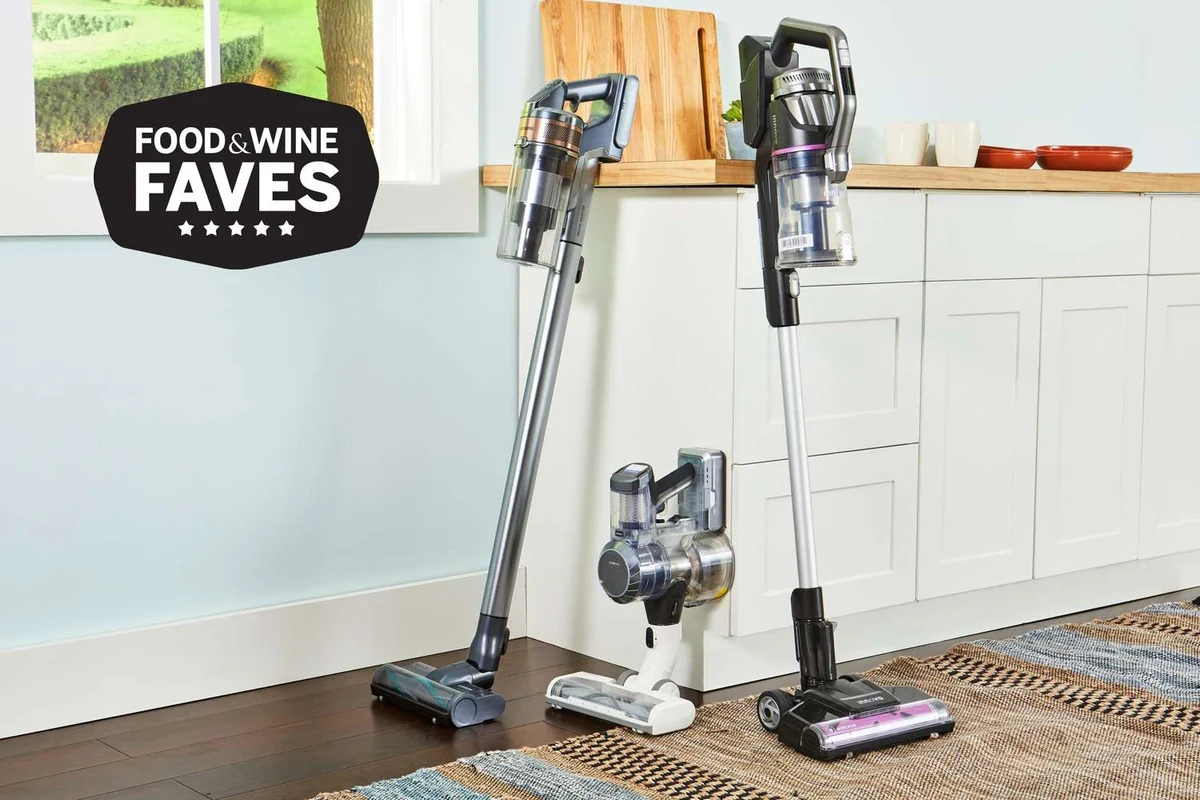
The biggest difference is physical design. A canister vacuum separates the motor and dust collection unit from the cleaning head, while an upright keeps the motor, brush roll, and dust bin or bag in one vertical body.
That design choice affects how the vacuum moves, how it stores, and how it handles different floor types. It also changes how tiring the machine feels during longer cleaning sessions.
Canister Vacuum Basics: Hose, Wand, and Separate Motor Unit
A canister vacuum usually rolls behind you on wheels while you guide a hose and wand. The cleaning head can be swapped for different surfaces, which is why many models are built for hard floors, upholstery, drapes, stairs, and detail work.
This layout often makes it easier to reach under furniture or clean above-floor areas without lifting the whole machine. The trade-off is that you manage more pieces at once, which can feel less convenient in quick cleanup situations.
Upright Vacuum Basics: All-in-One Cleaning Head and Body
An upright vacuum combines the motor, brush roll, and dust collection in one body that you push across the floor. That makes it easy to start cleaning fast, especially in open rooms with carpet.
Because the cleaning head stays close to the floor and the brush roll is central to the design, uprights often feel more direct on carpeted surfaces. They can be less graceful on stairs, tight corners, and delicate hard floors unless the model has good floor-type controls.
Canister vs Upright: Which Home Layout and Cleaning Style Fits Best?
Think about where you clean most often, not just what looks more powerful on paper. A vacuum that feels awkward in your space will usually get used less often, even if it has strong suction or a long accessory list.
Best for Stairs, Hard Floors, Furniture, and Tight Spaces
Canister vacuums are often a strong match for multi-level homes, apartments, and mixed-surface spaces. The hose-and-wand setup can make stairs, baseboards, shelves, vents, and upholstery easier to handle than dragging an upright through every task.
They are also a practical choice for homes with a lot of hardwood, tile, laminate, or area rugs. If your cleaning routine includes pet beds, couch cushions, and corners under low furniture, the separate wand can be a real advantage.
Homes with stairs, hard floors, furniture, and tight spaces often benefit most from a canister vacuum because the separate hose and wand improve reach and control. The main limitation is that setup and hose handling can feel less convenient for quick, repeated cleanups.
Best for Large Carpets, Open Rooms, and Faster Whole-Home Cleaning
Upright vacuums are usually the better fit for large carpeted areas and open floor plans. Their all-in-one design lets you move from room to room with less repositioning, which is helpful when the goal is to cover a lot of floor quickly.
Many buyers also prefer uprights because the cleaning path feels more familiar and direct. If your home is mostly carpet and you want simple daily maintenance, an upright can be the easier choice to live with.
Key Buying Criteria to Compare Before You Choose
Before deciding between canister and upright, compare the features that actually affect daily use. Marketing terms can be vague, but these practical criteria usually tell you more about fit.
Suction Power, Brush Roll Control, and Floor-Type Compatibility
Suction matters, but it is only part of the story. On carpet, brush roll design and height adjustment often matter just as much because they affect how deeply the vacuum can agitate fibers without making the machine hard to push.
For hard floors, look for a vacuum that can reduce brush roll contact or switch to a floor-safe head. Some models are better at moving from low-pile carpet to tile than others, so check the manufacturer’s floor-type recommendations before buying.
Specific performance varies by model, attachment, floor finish, carpet thickness, and even how full the dust bin or bag is. Manufacturer specs and the user manual are the best place to confirm floor compatibility.
Weight, Maneuverability, Cord Length, and Storage Space
Canister vacuums often feel lighter in the hand because you are not lifting the motor body as you clean. However, you still have to roll the canister behind you and manage the hose, which can be annoying in cluttered rooms.
Uprights take up a more vertical footprint and may be easier to store in a narrow closet. If storage is tight, measure the space first and check whether the vacuum can stand on its own, fold, or dock in the area you planned.
- Check the floor types in your home and confirm the model supports them
- Measure storage space, cord reach, and stair access before choosing a format
- Review the manual for brush roll controls, filter care, and attachment use
Noise Levels, Filtration, Dust Capacity, and Bagged vs Bagless Design
Noise can vary widely by model, so do not assume one vacuum type is always quieter. Canisters may place the motor farther from your hand, which can improve comfort, but the actual sound level still depends on the design.
Filtration matters for allergy-prone households, pet owners, and anyone who dislikes dust clouds while emptying the machine. Bagged models can reduce mess during disposal, while bagless models remove the cost of replacement bags but may require more frequent bin cleaning. If you want to compare how design decisions influence performance in other cleaning gadgets, our article on what cordless vacuums perform best is a useful companion read.
Real-World Benefits and Limitations of Canister Vacuums
Canister vacuums are not automatically better, but they do solve some common cleaning problems very well. Their strengths show up most clearly when a home has mixed surfaces or hard-to-reach areas.
Why Canister Models Often Feel Easier on Back, Wrist, and Stairs
Because the motor sits on the floor instead of in your hand, canister vacuums can reduce the feeling of weight during above-floor cleaning. That can be helpful for users who clean stairs, drapes, vents, and furniture more often than large carpeted rooms.
The wand also lets you keep a more neutral wrist position in many tasks, which some people find more comfortable over time. That said, comfort is personal, and hose stiffness, wand length, and handle shape all affect the experience.
Many canister vacuums are designed around accessory versatility, which is why they often include specialized tools for crevices, upholstery, and dusting rather than relying on one main floor head.
Common Trade-Offs: More Parts, More Setup, and Hose Management
The downside of a canister vacuum is that it usually takes more coordination. You have to pull the canister, guide the hose, switch tools, and sometimes reposition the body as you move between rooms.
That extra handling is not a dealbreaker, but it matters if you want a vacuum for fast, everyday messes. If convenience is your top priority, an upright may be easier to use consistently.
Common Mistakes Buyers Make When Choosing Between the Two
Many shoppers focus on the wrong details, like a single suction claim or a stylish design. The better approach is to match the vacuum to your flooring, home layout, and maintenance tolerance.
Ignoring Carpet Thickness, Pet Hair Needs, and Attachments
A vacuum that works well on low-pile carpet may struggle with thicker carpet or heavy pet hair. If your home has pets, look closely at the brush roll design, hair-tangle resistance claims, and included tools for upholstery and crevices.
Attachments matter more than many buyers expect. A canister with a useful floor head, crevice tool, and upholstery brush may be more versatile than an upright with a strong main head but limited accessories.
Overlooking Maintenance Costs, Filter Replacement, and Storage Fit
Bagged canisters can create ongoing bag costs, while bagless models may need more frequent filter cleaning and occasional filter replacement. Uprights have their own maintenance needs too, especially around brush roll cleaning and belt care if the design uses one.
Also think about where the vacuum will live between cleanings. If it will be stored in a closet, laundry room, or apartment corner, dimensions and cable management can matter as much as performance.
Stop using a vacuum if the cord is frayed, the hose is cracked, the motor smells hot, or the machine shuts off unexpectedly. Follow the manufacturer’s care instructions and warranty terms before attempting any repair or replacement.
Safe Use, Care, and Storage Tips for Long-Term Performance
Good maintenance helps either vacuum type last longer and perform more consistently. It also reduces odor, clogs, and unnecessary wear on the motor and filters.
Emptying Dust Bins, Cleaning Filters, and Checking Hoses for Blockages
Empty the dust bin or replace the bag before the vacuum becomes overly full, since airflow can drop as debris builds up. Washable filters should only be cleaned according to the manual, and they must be fully dry before reinstallation if the manufacturer allows washing.
Check the hose, wand, and floor head for blockages if suction suddenly drops. Small clogs are common around pet hair, string, paper scraps, and larger debris.
- Keep spare bags or filters on hand if your model requires them
- Clean brush rolls regularly to remove hair and thread buildup
- Store attachments together so you do not lose the tools you use most
Cord Safety, Overheating Prevention, and Proper Attachment Storage
Wrap cords loosely and avoid pinching them under furniture or doors. If the vacuum has a thermal cutoff or overheats, let it cool fully and check for clogs before restarting.
Store accessories where they will not crack, bend, or collect moisture. If your vacuum includes washable parts, let them dry completely before putting the machine away to help prevent odor and damage.
Final Verdict: When a Canister Vacuum Is Better Than an Upright
A canister vacuum is better than an upright when your home has lots of hard flooring, stairs, furniture, and tight spaces that benefit from a hose-and-wand design. An upright is usually better when you want faster carpet cleaning, simpler handling, and a more compact all-in-one routine.
Best Choice by Home Type, Budget, and Cleaning Priorities
Choose a canister if comfort, reach, and versatility matter most, especially in mixed-surface homes or apartments. Choose an upright if your priority is quick carpet coverage and you want the least complicated daily workflow.
Before buying, confirm floor compatibility, maintenance costs, storage fit, and included tools in the official product manual or manufacturer listing. That final check will tell you more than any broad category label ever can.
Canister vacuums are often the better choice for homes with stairs, hard floors, and detailed cleaning needs, while uprights are usually better for large carpeted spaces and faster whole-home passes. If you are still undecided, let your flooring mix and storage space decide the format before you compare individual models.
Frequently Asked Questions
Canister vacuums are often better for hard floors because they usually offer more control with a hose and wand. The best result still depends on the floor head, brush roll settings, and the specific model.
Upright vacuums are often better for carpet because they are built for direct floor contact and faster coverage. Thick carpet, pet hair, and brush roll design can change how well a specific model performs.
Canister vacuums are usually easier on stairs because you do not have to carry the full motor body in your hand. A lightweight upright can still work, but the canister format often feels more manageable.
Check floor compatibility, storage space, cord length, attachments, filtration, and whether the model is bagged or bagless. It also helps to review the manual for maintenance steps and any model-specific limits.
They can be, mainly because they have more parts to manage, including hoses, wands, and separate tools. Maintenance depends on the model, so check filter cleaning, bag replacement, and brush roll care instructions.
Either type can work well if it has the right brush roll, suction, and pet tools. Look for tangle-resistant features and upholstery attachments rather than choosing by format alone.