Can the Tire Pressure Sensor Be Turned Off
Yes, on some vehicles you can disable or suppress TPMS-related alerts, but many cars do not allow a true off switch. For most drivers, fixing the tire issue and using the proper reset or relearn method is the safer choice.
Yes, sometimes—but on many vehicles the tire pressure monitoring system (TPMS) cannot be fully turned off without factory-level settings, special tools, or consequences such as warning lights and inspection issues. In most cases, the safer move is to fix the reason the alert is on, then reset or relearn the system instead of disabling it.
- Not universal: Whether TPMS can be turned off depends on the vehicle and sensor type.
- Safety first: A warning light often points to low pressure, a leak, or a sensor fault.
- Reset before disable: Correct pressure and try the official relearn procedure first.
- Check rules: Warranty, inspection, and road-use laws may limit disabling TPMS.
Can the Tire Pressure Sensor Be Turned Off? Quick Answer and What It Means for Drivers
The short answer is that it depends on the vehicle, the TPMS design, and local rules. Some dashboards let you silence certain alerts or reset the system after tire service, but a true “off” switch is uncommon because TPMS is tied to safety and compliance features.
For drivers, this usually means one of three outcomes: you can temporarily clear a warning after correcting tire pressure, you can disable a related alert through a menu or scan tool on some models, or you simply cannot turn the system off in a meaningful way. If the warning keeps returning, the system is usually telling you that a tire is underinflated, a sensor is failing, or the vehicle needs a relearn procedure.
How Tire Pressure Monitoring Systems Work in 2026
TPMS is designed to warn drivers when tire pressure drops below a threshold or when the system detects a fault. The exact behavior varies by make, model, trim, and software version, so the owner’s manual is still the best starting point.
Direct vs. indirect TPMS: the difference that affects disable options
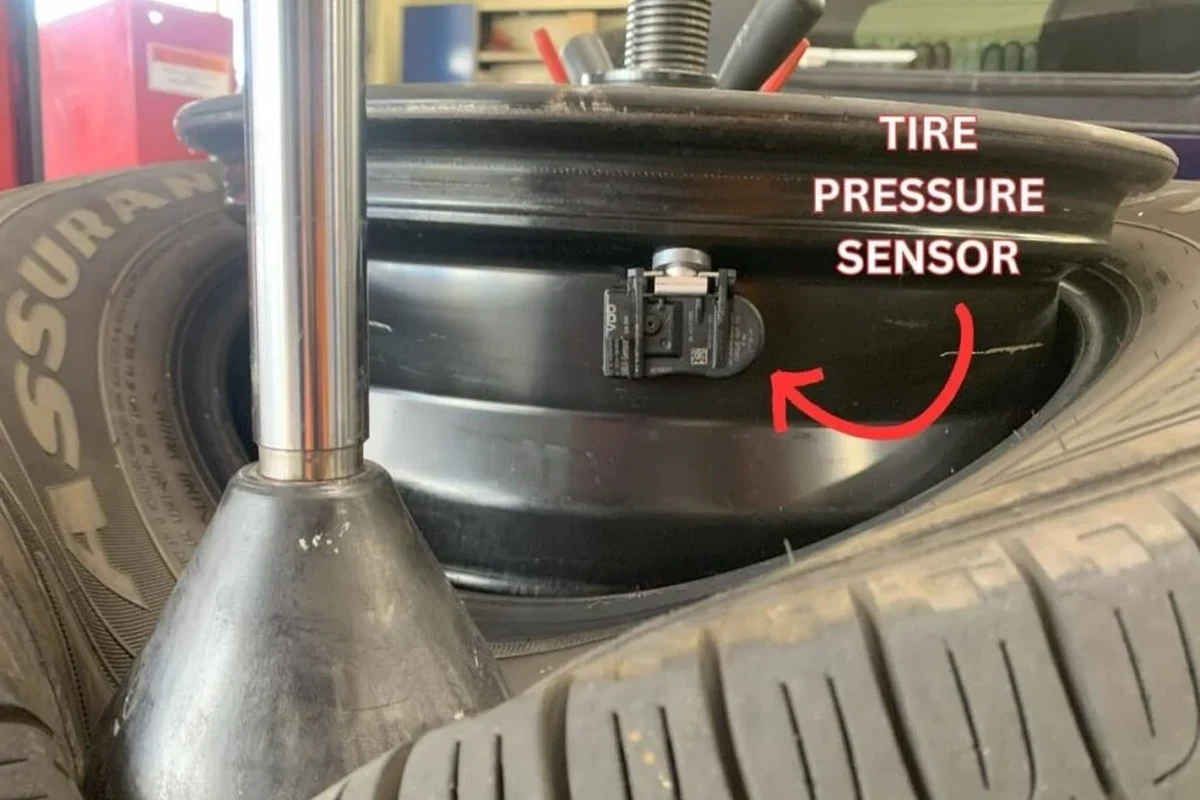
Direct TPMS uses sensors inside the wheels to read actual tire pressure, and sometimes temperature, from each tire. Indirect TPMS does not measure pressure directly; instead, it estimates a problem by watching wheel-speed differences through the ABS system.
This difference matters because direct systems usually involve sensor batteries, valve-stem hardware, and relearn steps after tire service. Indirect systems may be easier to reset through the dash menu, but they can be more sensitive to tire rotation, uneven wear, or changes in tire size.
Why the warning light appears and what data the system is reading
A TPMS warning can appear for several reasons: low pressure, a slow leak, a sensor battery issue, a damaged sensor, a missing sensor after tire replacement, or a calibration problem. In indirect systems, the warning may also appear after tire rotation, tire replacement, or a significant change in inflation levels.
The system is not trying to guess your tire condition from a single number alone. It is either reading pressure directly or comparing wheel behavior to a learned baseline, which is why a reset without checking the tires first often does not solve the problem.
Some vehicles show a TPMS warning, while others display a separate message for sensor faults, system malfunction, or “service tire monitor.” Those messages are not always interchangeable.
When Turning Off a Tire Pressure Sensor Is Possible, Limited, or Not Worth It
Whether you can disable TPMS depends on the vehicle electronics and how the manufacturer built the system. Even when a disable option exists, it may be temporary, may affect other dashboard warnings, or may not be intended for road use.
Factory settings, vehicle menus, and aftermarket tools
Some vehicles allow limited TPMS actions from the infotainment screen, instrument cluster, or a service menu. Others require a scan tool that can access body control or TPMS modules, and some models do not allow user-level disabling at all.
Aftermarket tools can sometimes relearn sensors, register replacements, or clear certain codes, but they should be used carefully and only in ways supported by the vehicle. If a tool claims to “bypass” a safety system, that is a sign to stop and verify the instructions against the official service information.
Legal, warranty, and safety limits to verify before changing anything
In many regions, TPMS is part of vehicle safety compliance, so disabling it may create inspection or legal problems. It can also affect warranty coverage if the change is not supported by the manufacturer.
Before making any change, check the owner’s manual, warranty terms, and local inspection rules. If the vehicle is leased, still under warranty, or used on public roads, turning off TPMS may not be worth the risk.
Do not ignore a TPMS warning just because you plan to disable it later. Underinflated tires can overheat, wear unevenly, reduce braking performance, and increase the chance of a roadside failure.
Who This Question Applies To: Commuters, Off-Road Drivers, Track Use, and Older Vehicles
Not every driver asks this question for the same reason. Some want fewer dashboard alerts, while others need a temporary workaround for specialized driving conditions.
Vehicles and use cases where TPMS alerts are most useful
Daily commuters, family vehicles, rideshare drivers, delivery drivers, and highway travelers usually benefit most from keeping TPMS active. These drivers spend more time at speed, carry passengers or cargo, and may not notice a slow leak right away.
TPMS is also helpful in cold weather, when tire pressure can drop naturally and trigger a warning before the tire becomes severely underinflated. For these users, the system is usually more useful than inconvenient.
Cases where drivers look for temporary workarounds
Off-road drivers sometimes air down tires for traction and then restore pressure afterward, which can trigger alerts on some vehicles. Track-day drivers may also see warnings when tire pressures change rapidly with heat and load.
Older vehicles, wheel swaps, or spare-tire situations can create situations where the system complains even though the driver is already dealing with a temporary setup. In those cases, a temporary reset or service-mode approach may be more appropriate than a permanent disable.
Key Factors to Check Before You Try to Disable TPMS
Before changing anything, identify the exact system in your vehicle and the reason the warning is active. That saves time and helps avoid disabling a feature that is actually pointing to a tire problem.
- Check your make, model, year, and TPMS type in the owner’s manual
- Confirm whether the warning is low pressure, sensor fault, or relearn related
- Verify whether a scan tool, dealer tool, or simple reset is required
- Review warranty, inspection, and safety implications before making changes
Compatibility with your make, model, and sensor type
Compatibility is the first hurdle. A vehicle with direct TPMS, indirect TPMS, or a mixed system may require a different reset method, sensor part number, or relearn sequence.
Replacement sensors also vary by frequency, protocol, and valve-stem style, so “universal” does not always mean plug-and-play. Confirm compatibility with the exact trim, wheel size, and model year before buying parts or attempting a disable procedure.
Tool requirements, access level, and reset procedures
Some vehicles only need a menu reset after pressure is corrected. Others need a drive cycle, a button sequence, or a relearn tool that wakes up each sensor in a specific order.
If a procedure requires diagnostic access, make sure the tool supports your vehicle and the function you need. A generic scanner may read codes but still fail to complete a relearn or module configuration step.
Risks to tire wear, fuel economy, and emergency safety
Turning off TPMS removes an early warning system that can catch a slow leak before it becomes a bigger problem. That can lead to uneven tread wear, lower fuel economy, reduced handling, and more heat buildup inside the tire.
It also makes it easier to miss a nail puncture, valve-stem leak, or seasonal pressure drop. For many drivers, the convenience of fewer alerts is not worth the added risk.
- Check tire pressure with a trusted gauge before assuming the sensor is wrong
- Look for nail punctures, valve leaks, or bead issues if one tire keeps dropping
- Use the official reset or relearn method after tire rotation or replacement
- Keep a note of your normal cold tire pressure for seasonal checks
Safe Alternatives to Turning Off the Tire Pressure Sensor
In many cases, you can solve the real problem without disabling the system. That usually gives you the same day-to-day convenience with much better safety and reliability.
Recalibration, sensor replacement, and battery-related fixes
If the issue is a calibration problem, a proper reset or relearn may clear the warning. If a sensor battery is failing, the fix is usually replacement rather than deactivation.
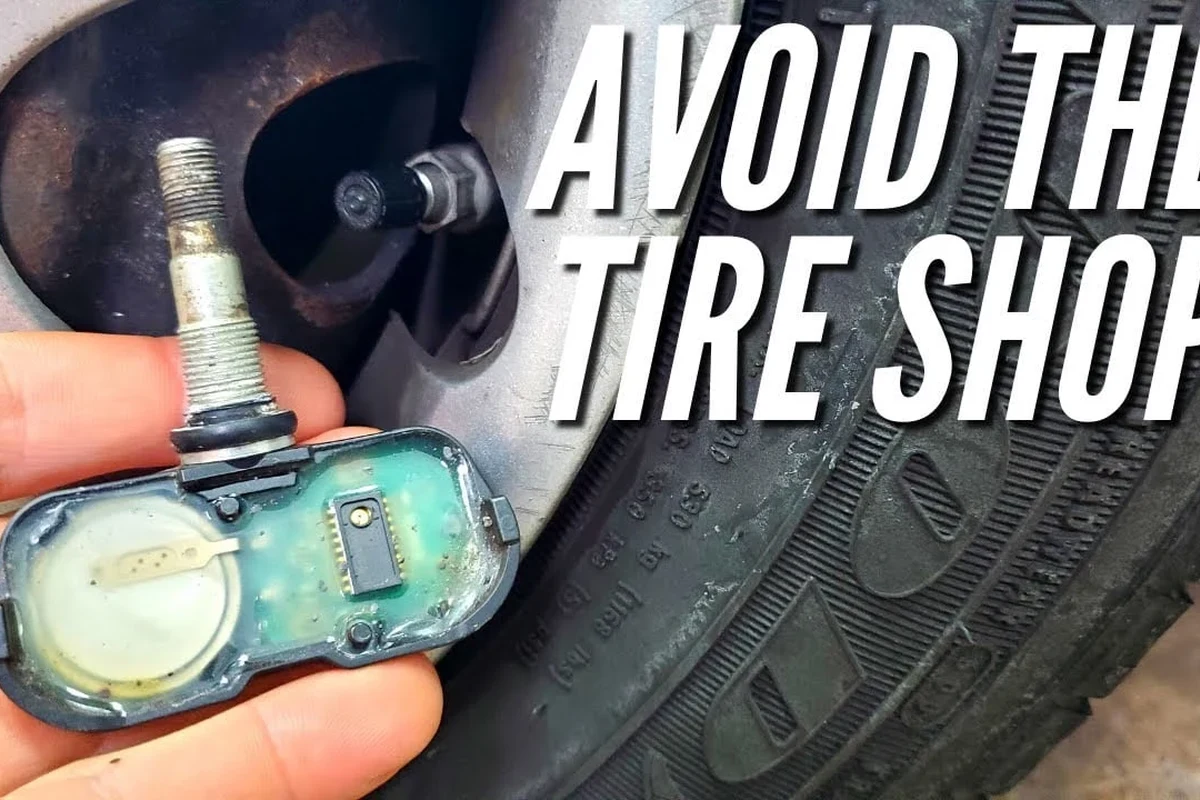
Direct TPMS sensors often have sealed batteries, so battery failure generally means replacing the sensor assembly. That is one reason drivers should verify whether the warning is about pressure or a sensor fault before buying parts.
Correct inflation, seasonal pressure changes, and leak inspection
Temperature swings can change tire pressure enough to trigger a warning, especially in colder months. Checking and adjusting pressure to the door-jamb sticker or owner’s manual recommendation often resolves the issue.
If the warning returns after inflation, inspect for slow leaks, damaged rims, or aging rubber components. A TPMS alert that keeps coming back is usually a sign to investigate, not just reset again.
Temporary solutions for off-road or spare-tire situations
Some vehicles offer a temporary drive mode, service mode, or relearn procedure that accommodates a spare tire or off-road setup. These options are safer than a permanent disable because they are usually meant for a specific condition and time window.
If you use different wheel sets seasonally, ask whether the vehicle supports a second sensor set or a relearn process for wheel changes. That can be a cleaner solution than trying to defeat the warning system.
Common Mistakes Drivers Make When Dealing With TPMS Warnings
Most TPMS frustrations come from skipping the diagnosis step. A warning light is a clue, not the final problem itself.
Ignoring the light instead of diagnosing the root cause
Some drivers assume the sensor is “just bad” and keep driving. That can be risky if the tire is actually losing air or if the system is warning about a real fault.
Even if the tire looks fine from the outside, pressure loss can be slow and hard to spot. A quick pressure check is usually the first step before any reset or disable attempt.
Using incompatible sensors or resetting without checking pressure
Installing the wrong sensor frequency, wrong valve type, or wrong protocol can create a new warning instead of solving the old one. The same is true for resetting the system before all tires are set correctly.
Resetting too early may simply teach the vehicle the wrong baseline. That is why pressure should be corrected first, then the system should be relearned or calibrated afterward.
Assuming all dashboard alerts mean the same thing
Not every warning connected to tires is a TPMS pressure alert. Some vehicles also show messages for sensor faults, ABS-related wheel-speed issues, or service reminders that look similar at a glance.
If the manual distinguishes between these messages, follow that wording closely. It can save you from replacing parts that are not actually the cause.
If a tire is visibly damaged, losing air quickly, or repeatedly triggering a warning, stop driving as needed and follow the vehicle manufacturer’s guidance or a qualified tire shop’s advice.
Final Recommendation: Should You Turn It Off or Keep It Active?
For most drivers, keeping TPMS active is the better long-term choice because it helps catch pressure problems early. The better question is usually how to fix or reset the system correctly, not how to remove it.
Best choice by driver type: daily use, performance use, and seasonal use
Daily drivers and family vehicles should almost always keep TPMS on. Off-road and track-focused drivers may need a temporary workaround, but that should still follow the vehicle’s supported service or relearn process.
Seasonal wheel users and older-vehicle owners should focus on compatibility, sensor condition, and reset methods first. In many of those cases, a proper relearn or sensor replacement is more practical than disabling the system.
Practical verdict on safety, convenience, and long-term value
If you are asking whether the tire pressure sensor can be turned off, the real answer is “sometimes, but usually not in a way that makes sense for everyday driving.” The safest and most useful path is to diagnose the warning, confirm pressure, and use the manufacturer-supported reset or service method.
That approach protects tire life, preserves fuel economy, and reduces the chance of missing a problem that matters. If you still want to disable TPMS, verify the legal, warranty, and safety implications for your exact vehicle before making any changes.
Frequently Asked Questions
No. Some vehicles allow limited TPMS resets or service modes, but many do not support a true off switch. The exact option depends on the make, model, TPMS type, and local rules.
It is usually not the safest choice because TPMS helps catch underinflation and sensor faults early. If the system is disabled, you need to check tire pressure manually more often.
Direct TPMS uses sensors inside the wheels to measure actual tire pressure. Indirect TPMS estimates a problem by watching wheel-speed differences through the ABS system.
The system may need a reset or relearn, or there may still be a sensor fault or slow leak. Check all tires with a gauge first, then follow the vehicle’s official reset procedure.
Some tools can relearn sensors, clear certain codes, or access service menus, but support varies by vehicle. Use only methods approved for your model and avoid any bypass that conflicts with safety guidance.
Check your owner’s manual, warranty terms, inspection rules, and the exact TPMS type in your vehicle. Also confirm whether the warning is caused by low pressure, a sensor fault, or a relearn issue.