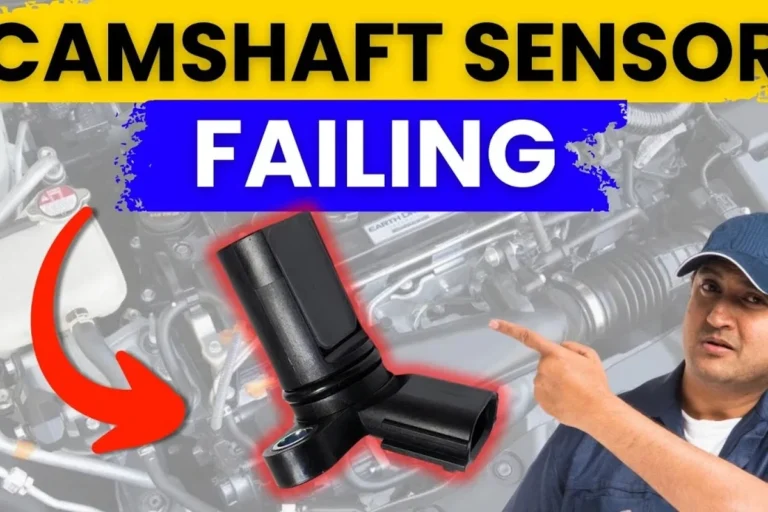
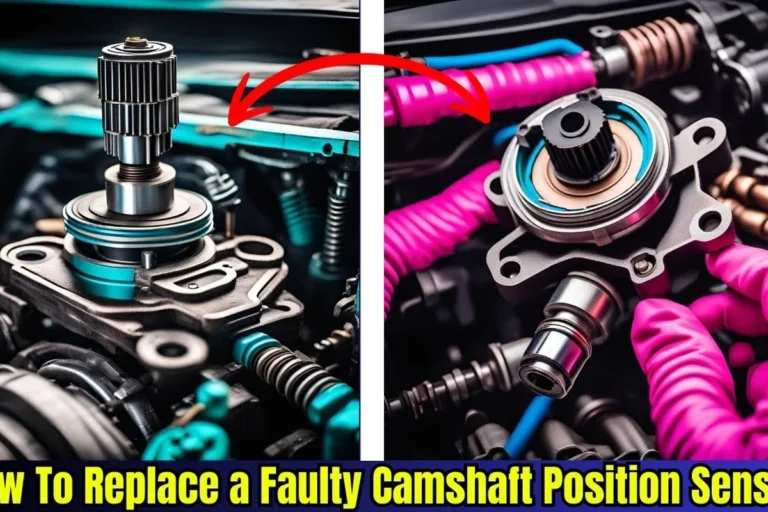
Do Camshaft Sensors Need to Be Programmed
Most camshaft sensors do not need programming after replacement. Some vehicles do need a relearn, calibration, or ECU reset, so the service manual matters.
If you are asking whether a camshaft position sensor needs to be programmed, the short answer is usually no. In most vehicles, it is a plug-and-play part, but some models may require a relearn, calibration, or ECU reset after installation.
- Usually plug-and-play: The sensor itself is rarely “programmed” like a module.
- Relearn may still be needed: Some engines require a scan-tool reset or cam/crank relearn.
- Fitment matters most: VIN, engine code, connector type, and sensor location must match.
- Don’t ignore other causes: Wiring, crank sensors, timing issues, and oil leaks can mimic sensor failure.
Do Camshaft Sensors Need to Be Programmed? Quick Answer and What “Programming” Really Means
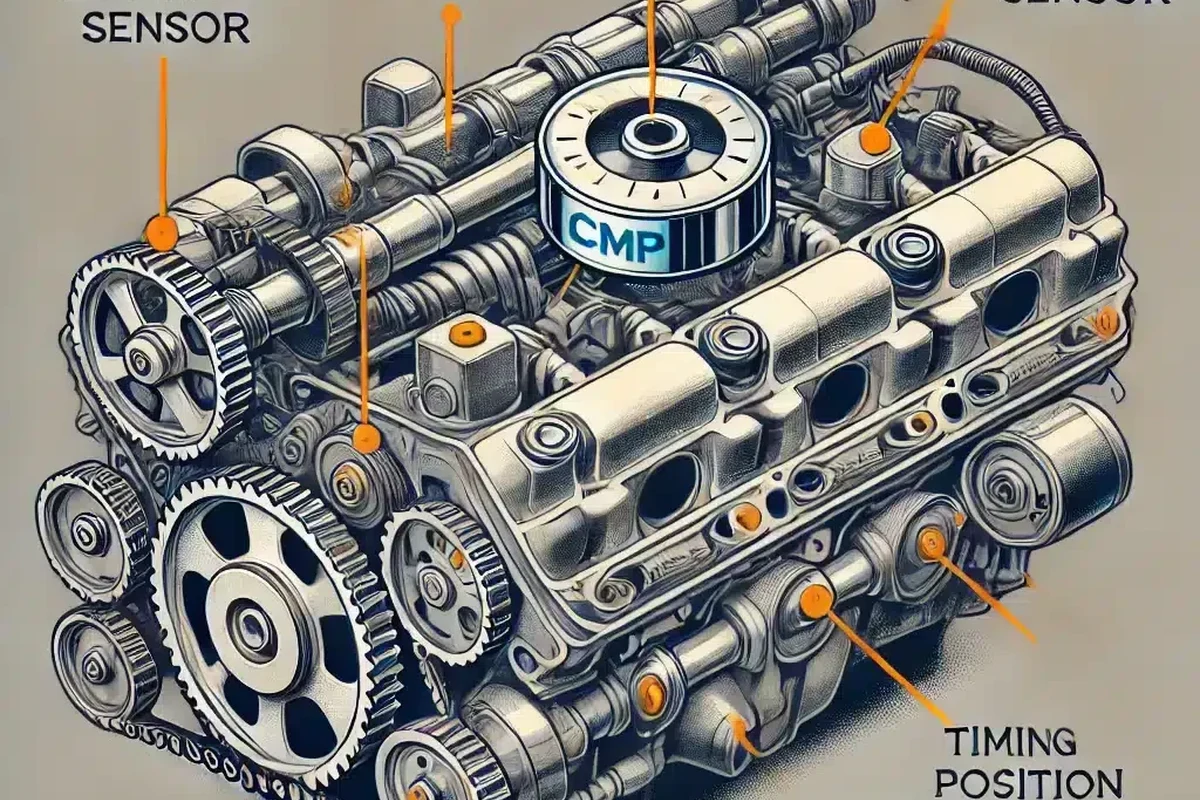
For most drivers, “programming” is the wrong word for a camshaft sensor replacement. The sensor itself typically does not get coded like a module or paired like a smart device; instead, the engine computer reads its signal and adapts to it.
That said, people often use “programming” to describe several different procedures. Depending on the vehicle, the repair may involve clearing codes, performing a crankshaft/camshaft relearn, or following an OEM scan-tool procedure after the sensor is replaced.
How a Camshaft Position Sensor Works in 2026 Vehicles
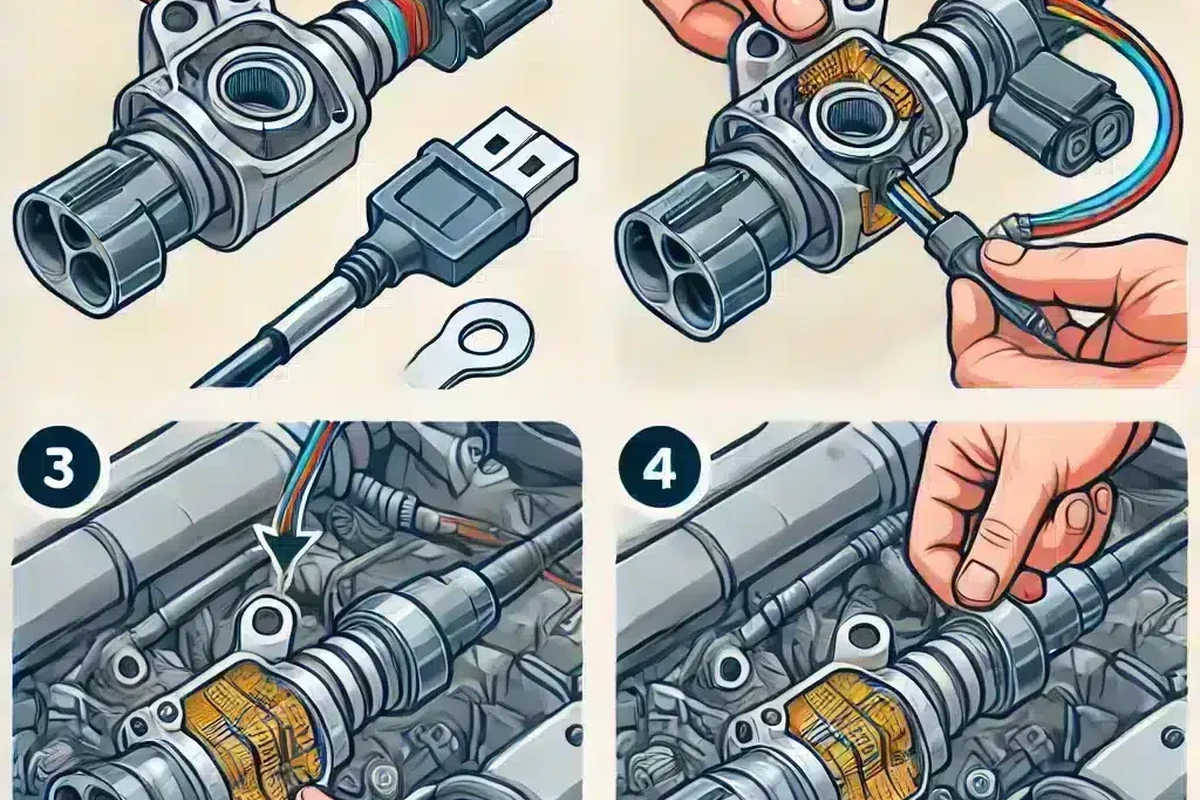
A camshaft position sensor tells the engine control unit where the camshaft is in its rotation. The ECU uses that signal with crankshaft data to time fuel injection, ignition, and variable valve timing on supported engines.
Sensor signal basics: camshaft timing, ECU input, and engine synchronization
The sensor usually detects a toothed wheel, reluctor, or target on the camshaft and converts that movement into an electrical signal. The ECU compares that signal with the crankshaft position sensor to keep the engine synchronized and to detect timing faults.
When the signal is missing, weak, or inconsistent, the engine may still run, but it can run poorly or set fault codes. Symptoms often show up during starting, idle, acceleration, or after a heat soak when components expand.
Many camshaft sensor complaints are actually wiring, connector, oil contamination, or timing-related issues rather than a failed sensor element.
Why most replacement sensors are plug-and-play rather than programmed
Most replacement sensors are designed to output the correct signal once they are installed in the right location and connected properly. The ECU is already built to interpret that signal, so the sensor itself usually does not need a software upload.
What matters more is fitment, connector shape, sensor type, and whether the part matches the engine code. If those details are wrong, the vehicle may still throw codes even though the sensor is physically installed.
Some vehicles are sensitive to OEM-level signal design, and some aftermarket parts may work only when the exact engine and build code are matched. Always verify the official fitment list before buying.
When a Camshaft Sensor May Require Relearn, Calibration, or ECU Reset
Even when the sensor itself is not programmed, the vehicle may need a relearn or reset after replacement. This is more common on engines with variable valve timing, tight emissions control, or systems that monitor cam/crank correlation closely.
OEM vs aftermarket differences and vehicle-specific procedures
OEM parts are often the safest choice when the vehicle is picky about signal shape or connector design. Aftermarket sensors can be perfectly suitable, but compatibility varies by manufacturer, and some require a scan-tool procedure to clear adaptive values or confirm signal synchronization.
The official service manual is the best source for whether a relearn is required. If the manual calls for a crankshaft/camshaft relearn, follow that procedure rather than assuming the code will clear on its own.
Cases where programming confusion comes from related parts, not the sensor itself
Sometimes the real issue is a timing chain problem, a damaged reluctor wheel, a failing crankshaft sensor, or a cam phaser issue. In those cases, replacing the camshaft sensor alone may not solve the fault, which makes it look like “programming” was missing.
Another source of confusion is ECU adaptation. If the battery was disconnected, codes were cleared, or repairs affected timing correlation, the engine may need a reset or relearn even though the sensor is fine.
Who This Guide Is For: Vehicle Types, Symptoms, and Fit Considerations
This guide is for everyday drivers, DIY repair beginners, and anyone trying to figure out whether a camshaft sensor replacement is simple or scan-tool dependent. It is especially useful if the car has starting problems, rough idle, or a check engine light tied to cam/crank correlation.
Gasoline engines, variable valve timing systems, and common compatibility issues
Camshaft sensors are most common on gasoline engines, especially those with variable valve timing. Compatibility issues often come from engine family differences, production changes, connector revisions, and sensor mounting style.
On some vehicles, the same model year may use more than one sensor version depending on the engine code. That is why the VIN, engine code, and official parts catalog matter more than a generic “fits most” listing.
- Confirm the exact engine code and sensor location
- Check connector style, pin count, and mounting depth
- Review the official service procedure for relearn or reset steps
- Inspect wiring, seals, and nearby oil leaks before installation
Signs of a failing camshaft sensor that can mimic other problems
Common symptoms include hard starting, stalling, rough idle, poor acceleration, reduced fuel economy, and a check engine light. But those symptoms can also come from crankshaft sensors, ignition issues, vacuum leaks, or timing faults.
If the engine runs worse only when hot, the sensor may be heat-sensitive, but the harness or connector can also be the weak link. A proper diagnosis should include code reading and visual inspection before replacing parts.
Key Buying Criteria Before Replacing a Camshaft Sensor
Choosing the right sensor is less about brand hype and more about matching the vehicle’s exact requirements. The wrong connector, housing shape, or signal design can create more trouble than the original fault.
OEM fitment, connector type, sensor design, and engine code matching
Start with OEM fitment or a cross-reference that clearly lists your engine code. Then confirm connector type, mounting position, and whether the sensor is a Hall-effect, magnetic, or other design used by that engine family.
If the listing does not show your exact engine variant, treat it cautiously. A sensor that looks identical can still have different pinouts or signal behavior.
Build quality, heat resistance, wiring condition, and seal integrity
Because camshaft sensors live near the engine, heat and oil exposure matter. Look for a sensor with a good seal, intact connector housing, and wiring that can tolerate engine-bay temperatures without becoming brittle.
Also inspect the vehicle side of the repair. A brand-new sensor will not fix a corroded terminal, broken clip, oil-soaked connector, or damaged harness.
Benefits, Limitations, and Real-World Trade-Offs of Replacement Sensors
A correct replacement can restore reliable engine timing input and eliminate a fault caused by the old sensor. But the outcome depends on whether the sensor was truly the root cause and whether the rest of the system is healthy.
What a correct replacement can improve: starting, idle quality, fuel economy, and warning lights
When the sensor is the problem, replacement can improve starting behavior, smooth out idle, and clear a warning light after the fault is addressed. In some cases, fuel economy and drivability improve because the ECU no longer has to guess at cam timing.
The biggest benefit is reliability. A functioning sensor helps the engine computer manage ignition and injection with better accuracy, especially during startup and load changes.
Drivers whose diagnostic codes and vehicle service information point clearly to a failed camshaft sensor, with no sign of wiring damage or timing-chain issues. If the fault is broader than the sensor, a different repair path may be smarter.
Common limitations: intermittent faults, damaged harnesses, and unrelated engine issues
Intermittent problems are the hardest to solve because they may come and go with vibration, temperature, or moisture. If the harness is damaged or the timing system is worn, a new sensor may only provide temporary relief or no fix at all.
That is why code history, freeze-frame data, and a visual inspection matter. They help separate a true sensor failure from a deeper engine or electrical problem.
Installation, Safety, and Common Mistakes to Avoid
Replacing a camshaft sensor is often straightforward, but it still deserves care. A rushed installation can create leaks, broken connectors, or a repeat fault code that looks like a bad part.
Safe replacement steps, battery disconnect, and inspection of mounting surfaces
Follow the vehicle’s official guidance before touching connectors or nearby components.
Look for oil contamination, cracked plastic, damaged clips, or corrosion on the connector and mounting surface.
Seat the sensor fully, tighten it to the manufacturer’s specification, and make sure the connector locks cleanly.
Clear faults only after the repair is complete, then confirm whether the vehicle needs a relearn or idle adaptation step.
Do not force connectors, work on a hot engine without caution, or ignore leaking oil around the sensor area. If the harness is frayed, melted, or soaked in fluid, stop and address the damage before driving further.
Typical errors: assuming programming is needed, skipping code checks, and ignoring oil contamination
One common mistake is buying a sensor before confirming the exact fault code. Another is assuming the part must be “programmed” when the actual need is a relearn, reset, or simply a correct fit.
Oil contamination is easy to overlook, yet it can damage connectors and shorten the life of the new part. If the old sensor was wet with oil, the underlying leak should be fixed at the same time.
- Use the VIN and engine code to verify fitment before ordering
- Check the official repair manual for relearn steps before clearing codes
- Inspect the crankshaft sensor and wiring if the cam sensor code returns
- Replace damaged clips, seals, or pigtails when the connector is worn
Final Recommendation: When to Replace, Relearn, or Consult a Professional
If your vehicle’s service information says the camshaft sensor is plug-and-play, replacement is usually straightforward once the correct part is matched. If the manual calls for a relearn, calibration, or ECU reset, treat that as part of the repair rather than an optional extra.
Best approach by skill level, budget, and diagnostic confidence
For confident DIYers, the best path is to verify the code, confirm fitment, inspect the wiring, and follow the official procedure. For most drivers, especially when the fault is intermittent or the engine has timing-related symptoms, a professional diagnosis is worth considering before buying parts.
In short, camshaft sensors usually do not need to be programmed, but the vehicle may still need a reset or relearn after replacement. The safest choice is to follow the manufacturer’s manual, match the exact part to the engine, and avoid assuming the sensor is the only problem.
Frequently Asked Questions
Usually no. Most camshaft sensors are plug-and-play, but some vehicles may need a relearn, calibration, or ECU reset after installation.
Programming usually means software coding or pairing a module. Relearning is the vehicle’s process for re-establishing cam/crank timing data after a repair.
Check the official service manual or repair information for your exact engine and model. Some engines require a scan-tool procedure, while others do not.
Yes. Crankshaft sensor faults, timing issues, and wiring problems can create symptoms and codes that resemble a camshaft sensor failure.
Match the year, make, model, engine code, connector type, and sensor location. Also confirm whether the part is OEM-spec and whether your vehicle needs a relearn.
If the code keeps returning, the wiring is damaged, or the engine has timing-related symptoms, professional diagnosis is a smart next step. That helps avoid replacing the wrong part.