Ryobi Vacuum Stick Parts Guide for Easy Repairs and Replacements
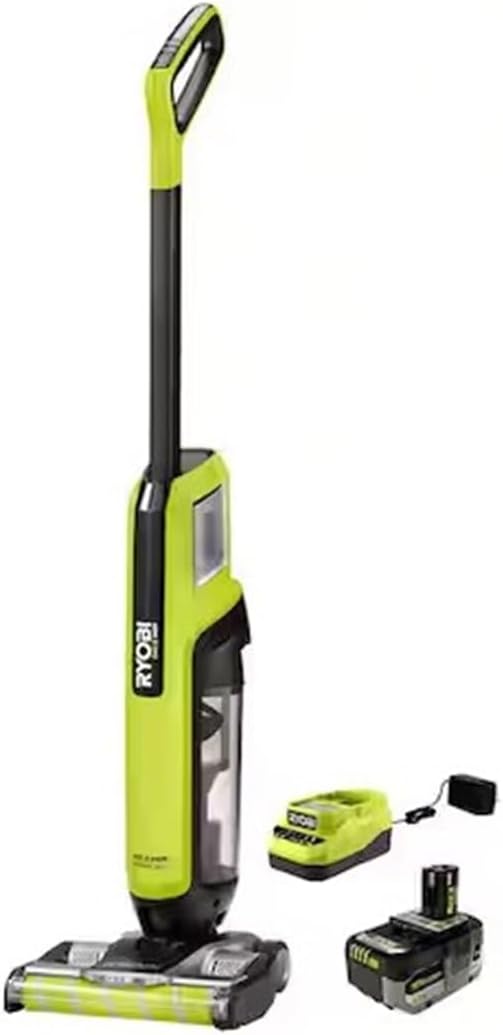
Ryobi vacuum stick parts are worth replacing when suction, pickup, or runtime drops because of wear in the filter, battery, brush roll, seals, or bin. The safest purchase is the one that matches your exact model number and connector style.
If your Ryobi stick vacuum has weak suction, a dying battery, or a brush head that no longer spins properly, the fix is often a single worn part rather than a full replacement. The key is matching the right part to your exact model so the repair actually restores performance instead of creating a fit problem.
- Model first: Ryobi stick vacuum parts can look similar while still fitting differently.
- Most common fixes: Filters, batteries, brush rolls, and seals solve many everyday problems.
- Compatibility matters: Check voltage, latch style, dimensions, and official documentation before buying.
- Safety comes first: Stop using swollen batteries, cracked housings, or overheating chargers.
Ryobi Vacuum Stick Parts: What You Need to Replace and Why It Matters

Ryobi vacuum stick parts usually wear out in a few predictable places: filtration, battery power, brush contact, and airflow seals. When one of those parts declines, the vacuum may still turn on but clean noticeably worse.
Quick answer: the most commonly replaced Ryobi vacuum stick parts
The parts most often replaced are the filter, pre-filter, battery, charger, brush roll, floor head, wand, dust bin, and seals or latches. For many households, those parts solve the majority of everyday issues because they directly affect suction, runtime, and debris pickup.
How the right replacement part restores suction, mobility, and runtime
A fresh filter helps airflow move through the vacuum instead of getting trapped by dust buildup. A healthy battery restores usable runtime, while a working brush roll and intact floor head help the vacuum pull dirt from carpet fibers and move smoothly across hard floors.
How Ryobi Stick Vacuum Parts Work Together

Think of a stick vacuum as a connected system rather than a single motor in a tube. If one section is restricted, cracked, clogged, or loose, the whole machine can feel underpowered.
Core components: battery, motor, filter, dust bin, wand, brush roll, and attachments
The battery supplies power to the motor, the motor creates suction, and the filter captures fine dust before air exits the vacuum. The dust bin stores debris, the wand extends reach, the brush roll agitates carpet and lifts debris, and attachments help with corners, stairs, pet hair, and furniture.
The connection points between those parts matter just as much as the parts themselves. A loose bin latch, a cracked wand, or a poorly seated filter can reduce performance even if every part still looks usable.
Many stick vacuums lose suction because of airflow restrictions, not because the motor has failed.
How airflow, filtration, and brush contact affect cleaning performance
Airflow is the path dirt takes from the floor into the bin. If the filter is clogged or the bin seal leaks, suction drops and dust can recirculate into the room.
Brush contact matters for carpets and textured rugs because the spinning roll helps loosen debris before suction pulls it in. On hard floors, a worn brush roll or damaged base can still cause streaking, scatter debris, or leave fine dust behind.
Identify Your Ryobi Vacuum Model Before Buying Parts
Before ordering any replacement, confirm the exact model number from the vacuum label, manual, or product documentation. Ryobi often uses similar-looking designs across different series, and parts that look interchangeable may not fit correctly.
Finding model numbers, series names, and voltage ratings
Look for the model number on the body of the vacuum, battery pack, charger, or original packaging if you still have it. Voltage ratings and series names can help narrow the search, but the model number is the most reliable starting point.
Compatibility can vary by model revision, region, and production run, so always confirm against the official manual or manufacturer parts list before buying.
Why compatibility matters for batteries, filters, nozzles, and brush heads
Batteries must match the vacuum’s platform and voltage requirements, or the tool may not function safely or at all. Filters, nozzles, and brush heads also need the correct shape, latch style, and airflow path so the vacuum can seal and operate as designed.
Common fit issues caused by model-year changes and product revisions
Even within the same product line, small changes can affect connector shape, latch position, or accessory depth. That is why two parts with nearly identical photos can still fit differently once installed.
- Check the exact model number and voltage rating
- Confirm connector style, dimensions, and included hardware
- Review the official manual, warranty terms, and return policy
Best Replacement Parts to Consider for Common Repairs
The best replacement depends on the symptom you are trying to fix. In many cases, the most cost-effective repair is the part that addresses the root cause rather than the most visible worn piece.
Filters and pre-filters: when clogged parts are worth replacing
If cleaning the filter no longer restores airflow, replacement is usually the better option. Filters that are torn, permanently discolored, misshapen, or no longer seat properly can reduce suction and allow dust to escape.
If your vacuum uses both a main filter and a pre-filter, replace or service both when performance drops. A clean outer layer cannot fully compensate for a clogged inner filter.
Brush rolls, belts, and floor heads: restoring pickup on carpets and hard floors
Brush rolls collect hair and string over time, and that buildup can stop them from spinning freely. If the roll is warped, the bristles are heavily worn, or the head no longer tracks smoothly, replacement can improve pickup and reduce strain on the motor.
Belts, if your model uses one, should be checked for stretching, cracking, or slipping. Floor heads with damaged wheels, broken pivots, or worn seals can also affect maneuverability and cleaning consistency.
Batteries and chargers: checking voltage, runtime, and safe replacement limits
A battery replacement makes sense when runtime has fallen sharply, charging becomes unreliable, or the pack no longer holds a charge long enough for normal use. The replacement must match the vacuum platform and voltage requirements, and you should follow the manufacturer’s charger guidance rather than assuming every pack in the same family is interchangeable.
Stop using any battery that swells, leaks, overheats, smells unusual, or charges abnormally. Use only approved charging methods and follow the manufacturer’s battery disposal instructions.
Wands, hoses, bins, and seals: fixing cracks, leaks, and loose connections
A cracked wand or damaged hose can leak air before it reaches the floor, which makes the vacuum feel weak even if the motor is fine. Broken bin latches and worn seals can create similar problems by letting air bypass the filtration path.
These parts are often overlooked because they do not seem like “wear items,” but they can have a big effect on real-world cleaning. If you hear hissing, notice loose joints, or see dust escaping around the bin, inspect those connection points first.
How to Choose the Right Ryobi Vacuum Stick Parts
Choosing the right part is mostly about balancing fit, durability, and ease of installation. For a simple home repair, the best value is usually the part that solves the problem cleanly without introducing compatibility uncertainty.
Decision criteria: compatibility, material quality, ease of installation, and price
Compatibility should come first, because even a well-made part is useless if it does not fit. After that, look at material quality, how easy it is to install without special tools, and whether the price makes sense compared with the age and condition of the vacuum.
OEM vs third-party parts: value trade-offs and reliability concerns
OEM parts are usually the safest choice when you want the closest match to the original design. Third-party parts can be a good value, but only if the seller provides clear model compatibility, accurate dimensions, and a return policy in case the fit is off.
OEM parts are the most dependable option for batteries, chargers, and sealed airflow components, while well-reviewed third-party filters or brush rolls can be a practical budget choice when dimensions and compatibility are clearly verified.
What to verify before checkout: dimensions, connector style, and included hardware
Before buying, verify the part’s length, width, connector shape, latch style, and whether screws, clips, or adapters are included. If the listing does not clearly state those details, it is safer to keep looking than to gamble on a near-match.
Common Problems These Parts Solve in Real Use
Most stick vacuum complaints can be traced to a small set of part failures. Knowing the symptom helps you avoid replacing the wrong component.
Loss of suction, weak pickup, and dust blowback
Clogged filters, cracked bins, loose seals, and blocked airflow paths are common causes of weak suction. If dust seems to blow back out of the vacuum, the filtration path may be compromised or the filter may be overdue for replacement.
Battery not holding charge, overheating, or charging failures
Battery problems usually show up as shorter runtime, inconsistent power, or a charger that seems to stop early. If the pack gets unusually hot or behaves unpredictably, stop using it and follow the manufacturer’s safety instructions.
Brush roll stopping, strange noise, vibration, or jammed debris
Hair wrap, string, and carpet fibers can stop a brush roll from turning smoothly. Clicking, grinding, or vibration often point to debris in the head, worn bearings, a damaged belt, or a brush roll that no longer spins freely.
Cracked bins, broken latches, and air leaks that reduce efficiency
A cracked bin or weak latch can create subtle air leaks that hurt performance more than many users expect. If the vacuum seems fine on paper but still underperforms, inspect the bin and seal areas closely.
Safe Installation, Cleaning, and Maintenance Tips
Most part replacements on a stick vacuum are simple, but safety still matters. The goal is to clean, inspect, and replace without damaging the vacuum or exposing yourself to battery or electrical risk.
Power-off and battery-removal safety before any repair
Turn the vacuum off and remove the battery before touching the brush roll, bin, filter housing, or internal connection points. This reduces the risk of accidental startup and makes the repair safer and easier to handle.
Cleaning filters, checking seals, and removing wrapped hair or string
Start with the simplest maintenance tasks before buying new parts. Clean or tap out filters according to the manual, check seals for debris, and cut away wrapped hair or string from the brush roll using care not to damage the bristles or shaft.
- Inspect the brush roll and bin seal together whenever suction drops
- Let washable filters dry fully before reinstalling them
- Use the manual’s cleaning method instead of guessing at part care
Storage guidance: dry locations, battery care, and avoiding heat damage
Store the vacuum in a dry place away from direct heat and prolonged sunlight. Battery packs last better when they are kept within the manufacturer’s recommended storage and charging guidance, rather than left on a hot shelf or in a damp utility area.
When a part should be replaced instead of repaired
Replace a part when it is cracked, warped, torn, swollen, or no longer sealing properly. If the repair would require modifying the vacuum body, bypassing safety features, or forcing an ill-fitting part into place, it is better to stop and choose the correct replacement.
Stop using damaged batteries, frayed charging cables, cracked housings, and parts that overheat or bind. Check the official manual and current manufacturer support guidance before continuing a repair.
Final Buying Advice: Which Ryobi Vacuum Stick Parts Offer the Best Value
For most households, the best-value repair is usually a filter, brush roll, or seal replacement because those parts are inexpensive relative to the performance improvement they can restore. Batteries and chargers are more expensive, but they are worth considering when runtime or charging problems are clearly the main issue.
Best choice for budget repairs, long-term reliability, and convenience
Budget repairs should focus on the part most likely to fix the symptom with minimal risk, such as a clogged filter or worn brush roll. For long-term reliability, OEM batteries and chargers are usually the safer call, while replacement filters and floor accessories can be a good value if compatibility is clearly documented.
Limitations to expect from replacement parts and when a full vacuum upgrade makes sense
Replacement parts can restore performance, but they cannot solve every issue if the motor, electronics, or housing are failing. If multiple major components are worn at once, or if parts are hard to source for your exact model, upgrading the vacuum may be more practical than piecemeal repairs.
Transparent recommendation for homeowners, renters, and frequent-cleaning households
Homeowners and renters who want the simplest path should start with the exact model number, then replace the part tied to the symptom: filter for airflow, battery for runtime, brush roll for pickup, and seals or bins for leaks. Frequent-cleaning households and pet owners usually get the most value from keeping filters fresh and brush components in good shape, because those parts affect daily performance the most.
For readers comparing different cordless vacuum styles, it can also help to look at how replacement support differs across brands. If you are still deciding whether to repair or replace, our guides to the Linx cordless vacuum battery replacement guide, cordless vacuums for pet hair, and cordless vacuums with replaceable batteries can help you compare long-term ownership trade-offs.
Frequently Asked Questions
Filters, batteries, brush rolls, floor heads, dust bins, and seals are the most common replacements. Those parts have the biggest effect on suction, runtime, and pickup.
Check the exact model number and compare it with the official manual or parts list. Voltage, connector style, and latch shape must match before you buy.
Yes. A clogged filter restricts airflow, which can make the vacuum feel weak even if the motor still runs normally.
OEM parts are usually the safest choice for batteries, chargers, and sealed components. Third-party parts can be a good value if compatibility, dimensions, and return options are clearly stated.
Replace the battery when runtime is much shorter, charging is unreliable, or the pack overheats or behaves unpredictably. Follow the manufacturer’s safety guidance if the battery is swollen, leaking, or damaged.
Confirm the model number, voltage, connector type, included hardware, and return policy. Also make sure the vacuum is powered off and the battery is removed before any repair.