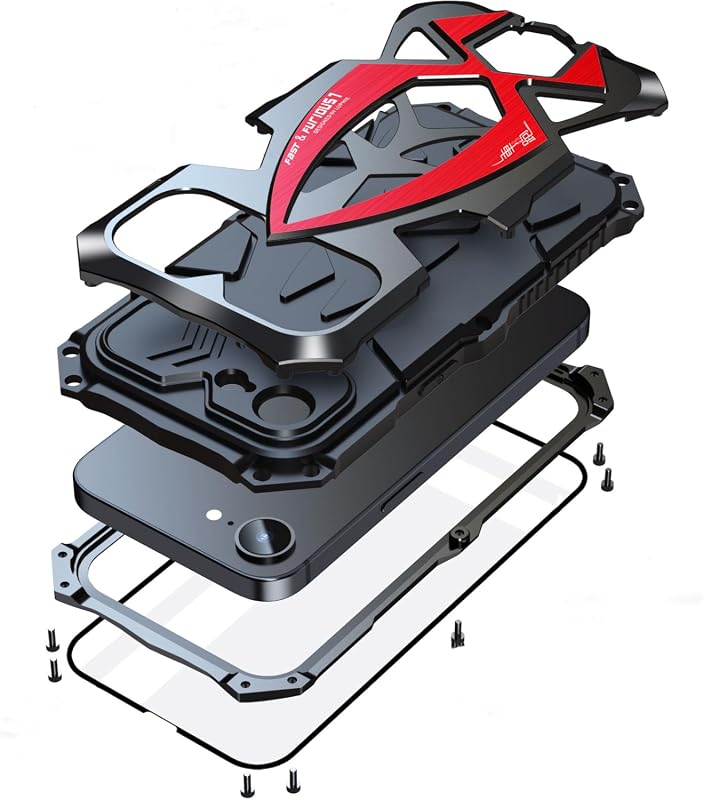
Best iPhone 16 Pro Max Case Waterproof for Ultimate Protection
The best iPhone 16 Pro Max case waterproof choice is one with verified sealing, MagSafe support if needed, and clear everyday usability. If you regularly expose your phone to water, choose a certified model and verify the exact limits before buying.
If you want the best iPhone 16 Pro Max case waterproof option, look for a model that can handle real water exposure, still works with MagSafe, and does not make calls or speakers unusable. The right choice depends on how often your phone is near pools, boats, rain, saltwater, or dusty outdoor conditions.
- Protection first: Confirm the exact water depth and time limits, not just a general waterproof claim.
- Usability matters: Check MagSafe, touch sensitivity, speaker clarity, and Face ID support.
- Fit is critical: The case must match the iPhone 16 Pro Max button layout and camera design.
- Maintenance prevents failures: Clean seals, dry the case fully, and replace damaged parts early.
Best iPhone 16 Pro Max Case Waterproof: What to Buy and Why It Matters in 2025
A waterproof case matters most when your phone is part of the day, not just a backup in your pocket. For the iPhone 16 Pro Max, the best option is usually a full-coverage case that seals vulnerable openings, supports wireless charging or MagSafe when possible, and still lets you use the phone normally enough for everyday tasks.
Quick answer: the best waterproof case should balance full submersion protection, MagSafe compatibility, clear audio access, and everyday drop resistance
That balance matters because a case that blocks water but ruins speaker output, button feel, or charging convenience can become frustrating fast. For many buyers, the best pick is the one that is certified, easy to seal correctly, and realistic for daily use rather than the one with the most aggressive protection claim.
How a Waterproof iPhone 16 Pro Max Case Works
Waterproof phone cases rely on physical barriers, not magic. They use seals and rigid covers to keep moisture away from the phone’s openings and sensitive components, while also adding impact protection around the frame and corners.
Sealed ports, gasketed edges, and raised camera/screen barriers
Most waterproof cases use gaskets around the edges, port covers or sealed charging access, and front and back shells that clamp tightly together. Better designs also add raised edges around the screen and camera module so the phone is less exposed if it lands face-down or camera-down.
Because the iPhone 16 Pro Max has a large display and prominent camera area, those raised barriers matter even when you are not near water. They help reduce the chance of scratches and direct impact damage in everyday use.
IP ratings explained: what IP68 can mean in real-world use
IP ratings describe dust and water resistance, but they do not mean the same thing across every product. An IP68 claim generally indicates strong dust protection and resistance to water immersion under defined test conditions, but the exact depth and duration depend on the manufacturer’s testing method.
IP ratings are useful, but they are not a blanket promise for every water event. Always check the exact depth, time limit, and installation requirements in the product manual before relying on the case near saltwater, surf, or prolonged submersion.
In practical terms, an IP68 case may be fine for accidental splashes, rain, or brief drops into shallow water, but that does not automatically make it suitable for diving, hot tubs, or rough ocean use. The safest approach is to treat the rating as a starting point and then verify the manufacturer’s limits.
How waterproof cases differ from water-resistant cases and pouches
Water-resistant cases are usually designed to handle light moisture, rain, and minor spills. Waterproof cases aim for stronger sealing and better protection during immersion, while pouches are often temporary sleeves that can protect the phone during a specific activity but may be less convenient for daily use.
If you need frequent phone access, a full case is usually more practical than a pouch. If you only need protection for a short boat trip or beach day, a pouch can be a simpler backup, but it may not offer the same drop protection or long-term convenience.
Who Needs an iPhone 16 Pro Max Waterproof Case?
Not everyone needs a heavy-duty waterproof case, but many people underestimate how often phones face moisture. The best fit depends on your environment, your habits, and how much bulk you are willing to carry.
Best fit for beach trips, boating, hiking, fishing, travel, and rainy commutes
This type of case makes the most sense for people who spend time near water or in unpredictable weather. It can also be a smart choice for outdoor workers, parents at parks and pools, travelers who rely on their phone for maps, and anyone who uses their device in dusty or muddy conditions.
People who take photos near lakes or on boats often value the extra peace of mind, especially when the phone is expensive and heavily used. It is also useful for commuters who deal with sudden rain and want more protection than a basic slim case can provide.
Who may not need one: light daily users and people who prefer slim cases
If your phone rarely gets exposed to water and you mostly use it indoors, a waterproof case may be more protection than you need. Many users will be better served by a slim protective case plus careful handling, especially if they prioritize comfort, pocketability, and clean audio.
Waterproof cases can add bulk, change the feel of the phone, and make the device less elegant for everyday use. For some buyers, that trade-off is worth it only when the phone is regularly near water or rough conditions.
Key Buying Criteria for 2025 Models
Before choosing a waterproof case, compare the practical details that affect daily use. The best model is not just the most sealed one; it is the one that fits the iPhone 16 Pro Max correctly and still works the way you expect.
Compatibility with iPhone 16 Pro Max dimensions, button layout, camera control, and MagSafe
Start by confirming the case is made specifically for the iPhone 16 Pro Max. Small differences in button placement, camera cutouts, speaker openings, and the phone’s overall shape can affect fit and function, especially with newer models that may include updated controls or camera features.
MagSafe compatibility is another major factor. Some waterproof cases support magnetic charging or magnetic accessories through the shell, while others block it entirely. If you depend on charging pads, mounts, or magnetic wallets, verify that the case is designed to work with those accessories before buying.
Protection level: water depth rating, drop rating, and dust sealing
Look for three separate protection details: water immersion limits, drop resistance, and dust sealing. A strong waterproof case should explain how deep it can go, how long it can stay submerged, and whether it has been designed to survive everyday drops and grit exposure.
If the listing is vague, that is a warning sign. Good manufacturers usually provide clear usage limits, installation instructions, and maintenance guidance rather than only broad marketing language.
Touch sensitivity, speaker clarity, microphone access, and Face ID reliability
Waterproof cases can affect usability, so check whether the front cover still supports responsive touch input and whether Face ID remains reliable through the protective layer. Speaker and microphone openings should be designed to preserve call quality and voice recordings as much as possible.
Some cases sound slightly muffled or reduce haptic feel, which can be acceptable if the phone needs serious protection. The key is knowing the compromise before you buy, not after the case is already installed.
Materials, grip, weight, bulk, and pocketability trade-offs
Materials matter because waterproof cases often use layered plastics, rubberized seals, and rigid frames. Those materials can improve durability, but they also add weight and thickness, which affects one-handed use and pocket comfort.
If you carry the phone all day, grip and bulk may matter more than maximum sealing. If the phone spends more time in a backpack, kayak bag, or outdoor work kit, extra size may be a fair trade for better protection.
Clarity for photos and video: lens cover quality and anti-fog performance
For a camera-focused phone like the iPhone 16 Pro Max, lens clarity is a big deal. A good waterproof case should keep the camera area clear enough for photos and video without causing obvious haze, glare, or soft detail.
Anti-fog performance is especially important when moving between temperature changes, such as air-conditioned rooms and humid outdoor conditions. If a case tends to fog under real-world use, the camera protection may not be worth the image quality loss.
Top Benefits and Real-World Use Cases
The biggest advantage of a waterproof case is simple: it lets you keep using the phone in places where ordinary cases feel too risky. That can make the device more useful, not less, when your routine includes weather, water, or dust.
Protection in wet environments without sacrificing phone access
A properly sealed case lets you answer calls, check maps, take photos, and use apps while reducing exposure to splashes and immersion. That is a major advantage over leaving the phone unprotected or storing it away every time conditions get messy.
This is especially valuable for travelers and outdoor users who rely on the phone for navigation and communication. The more your phone functions as a tool, the more useful waterproof protection becomes.
Added peace of mind for outdoor work, travel, and active lifestyles
For people who work around water, move between job sites, or spend weekends outdoors, a waterproof case can reduce stress. It can also help protect the phone from dirt, sand, and accidental spills in kitchens, workshops, and vehicles.
That peace of mind is often the real reason buyers choose one. Even if the phone is never fully submerged, knowing it has stronger protection can make everyday use less cautious and more practical.
When a waterproof case is better than a screen protector alone
A screen protector only helps with scratches and some impact protection. It does not seal ports, protect speakers, or reduce the risk of water entering the device through openings and seams.
If the main concern is moisture, a waterproof case is the more complete solution. A screen protector can still be useful, but it should be treated as a companion accessory rather than a substitute.
Users who regularly expose the iPhone 16 Pro Max to water, dust, or outdoor conditions and want a case that still supports normal daily use as much as possible.
Limitations, Risks, and Common Mistakes
Waterproof cases reduce risk, but they do not eliminate it. Understanding the limits of the design is essential if you want the protection to hold up in real life.
Why no case is truly risk-free: seal wear, impact damage, and pressure limits
Seals can wear over time, covers can crack, and strong impacts can compromise the case even if it looks fine from the outside. Pressure from deep water, fast movement, or repeated flexing can also exceed what the case was designed to handle.
That is why waterproof claims should be treated as conditional, not permanent. The case may be protective today and less reliable later if it has been dropped, bent, or exposed to harsh conditions.
Common user errors: loose latches, dirty seals, improper installation, and cracked covers
Many failures come from simple mistakes. If the latch is not fully closed, debris is trapped in the gasket, or the cover has a hairline crack, the case may no longer protect the phone the way it should.
Do not assume a case is waterproof if the seal looks dirty, warped, loose, or damaged. If you see cracks, bent edges, or a latch that will not close properly, stop using the case until it is inspected or replaced.
It also helps to avoid overconfidence after one successful splash or swim. Water protection depends on the condition of the case every time you use it, not on a previous good experience.
Evidence limitations: why waterproof claims should be verified by certification and user guidance
Because manufacturers test products in different ways, the same rating can mean different things from one case to another. That is why it is important to verify the exact certification, usage instructions, and warranty terms rather than relying on a generic claim.
For the most reliable decision, check the product manual, the official compatibility list, and any current safety or recall notices from the manufacturer. If the case does not clearly explain its limits, consider a different model.
How to Install, Inspect, and Maintain a Waterproof Case Safely
Installation and care matter almost as much as the case itself. A well-designed waterproof case can underperform if it is assembled carelessly or stored poorly.
Step-by-step setup: cleaning the phone, checking seals, and closing the case correctly
Remove dust, sand, and moisture from the iPhone 16 Pro Max before placing it in the case so debris does not interfere with the seal.
Check the sealing surfaces for lint, hair, cracks, or warping before closing the case.
Make sure the case is locked or clipped according to the manufacturer’s instructions, and confirm that all edges sit flush.
Pre-use inspection checklist for cracks, warped edges, and worn gaskets
- Check that the case is made for iPhone 16 Pro Max, not another size or model
- Verify water depth limits, drop rating, and dust sealing claims in the manual
- Inspect seals, latches, lens covers, and charging covers for wear or cracks
- Confirm MagSafe, touch response, and audio access if you need everyday convenience
Care and storage: rinsing after saltwater exposure, drying fully, and avoiding heat
After exposure to saltwater, rinse the outside of the case gently with fresh water if the manufacturer allows it, then dry it completely before reusing or reopening it. Salt residue, sand, and sunscreen can all damage seals over time.
Store the case away from direct heat and prolonged sun exposure when possible. Heat can age seals and plastics faster, which may shorten the useful life of the protective design.
When to replace the case or seals to maintain protection
Replace the case if you notice cracks, stretched seals, loose latches, clouding that affects camera quality, or any sign that the cover no longer closes evenly. If the manufacturer offers replacement seals or parts, use only the approved components and follow the official instructions.
For readers comparing protective accessories more broadly, it can also help to look at related options such as iPhone 16 Pro Max cases with wallet picks or other everyday case styles if water exposure is only occasional.
Best Value Picks and Final Recommendation
Best value is not always the cheapest case. In this category, value usually means a strong seal, clear instructions, dependable build quality, and usable features like MagSafe or good audio access that make the case practical over time.
What defines the best value: protection level, usability, warranty, and long-term durability
A strong value choice should explain its water limits clearly, feel durable enough for repeated use, and include reasonable warranty support or replacement guidance. Usability matters too, because a case that is too annoying to live with often gets removed, which defeats the purpose.
If you want a broader accessory plan, it is worth checking whether your charging setup still works comfortably with a sealed case. Related guides like what charger the iPhone 16 uses can help you confirm charging compatibility alongside case selection.
Ideal user recommendations by activity level and budget
Heavy outdoor users, beachgoers, boat owners, and travel-heavy buyers should prioritize the strongest verified sealing and the clearest manufacturer guidance, even if the case is bulkier. Moderate users who only need rain and spill protection may prefer a lighter waterproof or water-resistant case with better pocketability.
If you are still deciding between protection styles, a general compatibility guide such as do iPhone 16 cases fit iPhone 15 can help you avoid size mistakes before you buy.
Transparent verdict: choose a certified, MagSafe-ready waterproof case if you regularly expose the iPhone 16 Pro Max to water
For most buyers in 2025, the smartest choice is a certified waterproof case that clearly lists its limits, supports the features you actually use, and has a design you can seal correctly every time. If water exposure is frequent, that combination offers the best balance of protection and day-to-day usability.
If your use is only occasional, a slimmer case plus careful handling may be enough. But if your phone follows you into rain, surf, boats, or dusty work environments, a well-specified waterproof case is the safer long-term pick.
Frequently Asked Questions
Look for verified water protection limits, a secure seal, MagSafe compatibility if you need it, and clear access to speakers and buttons. Also check drop protection, dust sealing, and the manufacturer’s installation instructions.
IP68 is a strong starting point, but the exact depth and time limits vary by product. Always confirm the manufacturer’s test conditions before relying on the case near deep water or saltwater.
It can, depending on the case design and front cover materials. Good models minimize the impact, but you should verify touch response, microphone access, and Face ID reliability before buying.
Keep seals clean, rinse saltwater residue if the manual allows it, and dry the case fully before storage. Replace the case if you see cracks, warped edges, or worn gaskets.
It is worth it if your phone often faces rain, spills, dust, or outdoor activity. If your use is mostly indoors and you prefer a slim feel, a lighter case may be the better choice.
Confirm the case is made for the iPhone 16 Pro Max, check the exact water depth rating, and review warranty terms and compatibility notes. If you rely on MagSafe or wireless charging, verify that those features still work through the case.