Where to Place a Humidifier in a Bedroom for Best Results
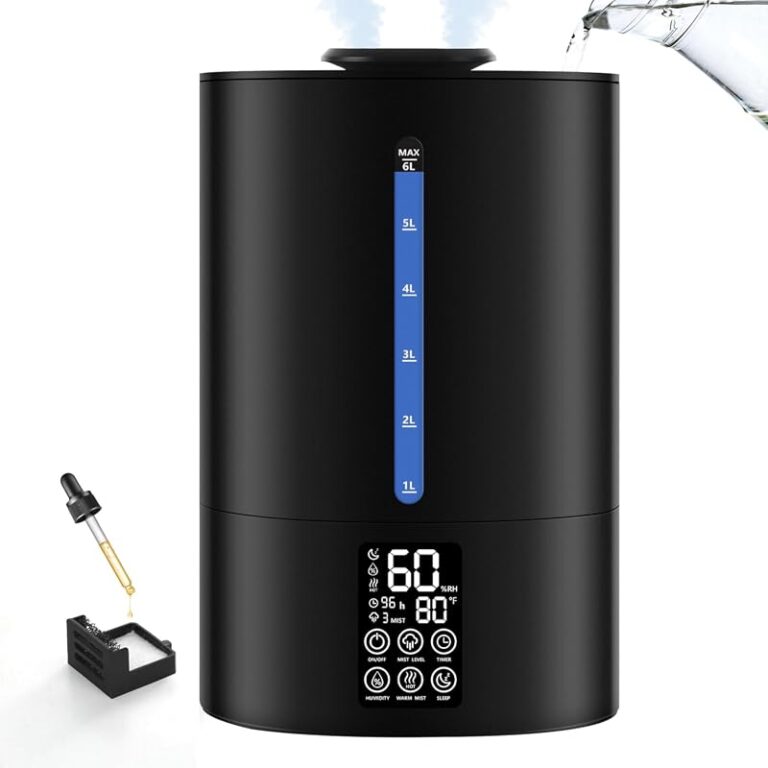
Place a bedroom humidifier on a flat, elevated surface a few feet from the bed, with open space around it and away from walls, curtains, and electronics. Start on a low setting and move it only if you notice condensation, damp bedding, or uneven humidity.
If you’re wondering where to place a humidifier in a bedroom, the safest default is on a flat, elevated surface a few feet from the bed, away from walls, curtains, and electronics. The goal is to let mist disperse evenly without soaking nearby surfaces or creating condensation.
- Best spot: A stable nightstand, dresser, or table with open air around it works for most.
- Avoid moisture damage: Keep mist away from bedding, walls, windows, outlets, and electronics.
- Watch the room: Condensation, damp surfaces, or a musty smell usually mean the placement or output is.
- Room size matters: Small rooms need less output; larger rooms may need a more central position and.
- Maintenance counts: Regular cleaning and descaling help prevent buildup, odors, and performance loss.
Quick Answer: The Best Place to Put a Humidifier in a Bedroom

The best place is usually on a nightstand, dresser, or small table that sits off the floor and has open space around it. Keep it far enough from the bed that the mist does not blow directly on pillows, sheets, or your face.
Why the placement matters for comfort, safety, and humidity control
Placement affects how evenly moisture spreads, how much noise you notice, and whether the room stays comfortable instead of damp. A humidifier that sits too close to bedding or a wall can create wet spots, while one placed too far from the sleeping area may not improve comfort as much.
Good placement also helps reduce the chance of water damage to furniture, flooring, outlets, and nearby devices. In a bedroom, that matters because the unit often runs for hours while you sleep.
Ideal distance from the bed, walls, electronics, and windows
A practical starting point is several feet from the bed and at least a safe buffer from walls, curtains, and electronics so mist can spread before it lands on anything. If the room feels too damp or you see condensation, move the unit farther away or lower the output.
Set the humidifier where air can move around it, not into a dead corner. If you can, aim for a spot with open space on multiple sides rather than a tight nook.
How a Bedroom Humidifier Works and What Placement Changes

A bedroom humidifier adds moisture into the air, but the room’s airflow determines where that moisture ends up. Even a strong unit will perform poorly if it is blocked by furniture, pressed against a wall, or hidden behind thick fabric.
How mist disperses in a closed room
In a closed bedroom, mist drifts with natural air movement from the HVAC system, ceiling fan, door gaps, and even your own movement. That means the same humidifier can feel very different depending on where it sits and how the room is arranged.
If the mist has to travel around furniture or hit a surface immediately, less of it reaches the air. That can make the room feel uneven, with one area too humid and another still dry.
Why airflow, room size, and furniture layout affect performance
Airflow helps distribute moisture, while room size affects how quickly humidity rises. A small room may need only modest output, while a larger bedroom may need a unit with a bigger tank or more runtime to maintain comfort.
Furniture layout matters too. Tall dressers, headboards, blackout curtains, and shelving can all block mist or trap moisture. If the room has a strong airflow path, place the humidifier where that air can help spread moisture without pushing it directly onto the bed.
Cool mist vs. warm mist: placement differences to know
Cool mist units are usually easier to place in more spots because they do not add heat. Warm mist units can be useful in some climates, but they should be kept with extra care around bedding, children, pets, and anything that can be damaged by heat or steam.
Exact placement advice can vary by model. Always check the manufacturer’s manual for minimum clearances, fill instructions, and any warnings about furniture, shelves, or elevated surfaces.
Bedroom Placement Guide: Best Spots and Spots to Avoid
The best spot depends on the room, but the same rule applies in most bedrooms: give the humidifier room to breathe and keep moisture away from sensitive surfaces. That usually means a stable, easy-to-clean surface with open space around it.
Best locations for most bedrooms
For many bedrooms, a dresser, sturdy side table, or nightstand works well if it is not directly beside the pillow and not hidden by curtains. The unit should sit level so the tank and base stay stable.
If the room has a ceiling fan or gentle HVAC airflow, place the humidifier where that movement can help disperse mist without blasting it into the bed. If you want a room-by-room setup guide, the same principles used for other smart bedroom gadgets in our bedroom smart lights guide also apply: stable placement, clean cable routing, and avoiding clutter near the bed.
Where not to place a humidifier: carpets, shelves, vents, and tight corners
Avoid placing a humidifier directly on carpet, rugs, or other soft surfaces that can trap moisture. Shelves can be risky too if they are not sturdy or if the mist can drift onto wood, books, or electronics below.
Do not place the unit right under a vent, next to a window with condensation, or in a tight corner where moisture can collect. If you use a charger or power strip nearby, keep in mind that moisture and electricity should never share the same cramped space; for broader device safety habits, see our guide on whether multi-port chargers are safe to use.
Keep humidifiers away from outlets, extension cords, and powered devices. If you see dripping, pooling water, or damp cords, unplug the unit and move it before using it again.
How to place it in small bedrooms, large bedrooms, and shared rooms
In a small bedroom, the humidifier usually works best on a compact table a few feet from the bed, with the output turned down if the air feels heavy. In a large bedroom, you may need a more central position or a model sized for the room so humidity does not stay trapped in one area.
In shared rooms, place the humidifier where it benefits both sleepers without blowing directly on either side of the bed. If one person prefers drier air, low output and a less direct placement often work better than aiming mist at the sleeping area.
Safety and Setup Rules for 2026 Bedroom Use
Bedroom humidifier safety is mostly about preventing moisture damage and keeping cords, surfaces, and sleepers protected. Good setup matters as much as the unit itself, especially if it runs overnight.
Safe distance from bedding, curtains, outlets, and electronics
Keep the mist path away from pillows, blankets, drapes, books, speakers, phones, laptops, and smart home gear. Even a fine mist can leave residue or condensation if it lands repeatedly on the same surface.
If your bedroom has a nearby window, monitor the glass for fogging or water droplets. That is often a sign the humidifier is too close, set too high, or running in a room that is already holding enough moisture.
Power and cord safety: rated wattage, cable quality, and inspection checks
Use the power adapter, cord, and plug type recommended by the manufacturer. If the unit uses a detachable adapter, confirm that the rating matches the humidifier’s requirements before plugging it in.
Stop using damaged electronics, frayed cables, loose plugs, overheating adapters, or unstable appliances and follow the manufacturer’s guidance.
Check the cord regularly for pinching under furniture, cracked insulation, or heat around the plug. If the setup requires an extension cord, review the manual first and avoid routing it where you can trip over it.
How to reduce spills, condensation, and slip hazards
Fill the tank on a hard, level surface and wipe off any drips before moving it back to the bedroom. A small tray or mat can help catch minor splashes, but it should not trap standing water.
Keep the humidifier where you can access it easily for refills and cleaning. If you have hardwood or laminate flooring, check the area around the unit in the morning for moisture so you can adjust placement before damage builds up.
Who This Setup Fits Best: Sleepers, Kids, Allergy Sufferers, and Dry-Air Homes
A bedroom humidifier is most useful when the air is consistently dry and the setup is simple enough to maintain. It can help make sleep feel more comfortable, but only when the room and the user’s needs match the device.
Best use cases for dry climates, winter heating, and nighttime comfort
Dry climates and heated winter rooms are the most common reasons people add moisture to a bedroom. Nighttime use can also help people who wake up with a dry throat, scratchy nose, or irritated skin.
It can be especially helpful in homes where forced-air heating makes the room feel dry after sunset. In those cases, a well-placed humidifier can improve comfort without needing major changes to the room.
When a bedroom humidifier may not be the right solution
If the room already feels damp, smells musty, or shows signs of condensation, a humidifier may make the problem worse. In that situation, ventilation or dehumidification may be the better fix.
It may also be a poor fit if you do not want another device to clean, refill, and monitor. Some people are better served by addressing the source of dryness first, such as heating settings or room airflow.
Trade-offs for light sleepers, renters, and shared spaces
Light sleepers may prefer lower fan speeds, quieter models, and placement farther from the pillow. Renters may need a setup that avoids wall staining, floor damage, and cord clutter.
In shared spaces, the best placement is often the one that balances comfort for everyone rather than maximizing output on one side of the room. That usually means lower settings and a more central, stable location.
Key Buying and Sizing Criteria for the Right Bedroom Humidifier
Placement works best when the humidifier itself is sized correctly for the room. A unit that is too small may run constantly, while one that is too large can push humidity up faster than the bedroom can comfortably handle.
Room coverage, tank size, runtime, and refill frequency
Check the manufacturer’s room-size guidance, but treat it as a starting point rather than a guarantee. Real performance depends on room layout, door position, airflow, and how dry the air is to begin with.
Tank size affects how often you need to refill the unit. If you want overnight use without interruptions, look for a runtime that fits your bedtime routine and refill habits.
Noise level, output settings, and auto shutoff features
Noise matters in bedrooms more than in most other rooms. Lower fan noise and adjustable output can make it easier to sleep without turning the humidifier off completely.
Auto shutoff is a useful safety feature because it helps the unit stop when water runs low. That does not replace good placement, but it does reduce the chance of running the device dry overnight.
- Check room coverage, tank size, runtime, and refill frequency against your bedroom size
- Confirm noise level, output controls, auto shutoff, and cleaning requirements
- Verify cord length, adapter rating, and safe placement clearances in the manual
Dimensions, portability, filter needs, and warranty details to verify
Measure the table, dresser, or stand where the humidifier will sit so the unit does not hang over the edge. If you plan to move it between rooms, weight and handle design matter more than many buyers expect.
Some humidifiers use filters or other consumables, so check replacement availability and maintenance costs before choosing one. Warranty terms also vary by model, so confirm what is covered and how support works before relying on the device long term.
Common Mistakes That Reduce Performance or Create Problems
Most bedroom humidifier problems come from placement, overuse, or poor maintenance. A few simple mistakes can make the room feel less comfortable and create more cleanup later.
Over-humidifying the room
More moisture is not always better. If the room starts to feel heavy, windows fog, or surfaces become damp, reduce the setting or run the unit for fewer hours.
Over-humidifying can also make the room feel warmer than expected, which is a problem for some sleepers. The best setup is the one that adds comfort without making the room sticky or damp.
Placing the unit too close to the bed or too far from airflow
Putting the humidifier right beside your pillow can make the mist feel direct and uncomfortable. It can also leave bedding or nearby furniture damp over time.
Placing it too far from airflow can make the moisture settle in one area instead of spreading through the room. A middle-ground position usually works better than either extreme.
Using hard water, skipping cleaning, or ignoring mineral buildup
Hard water can leave mineral residue in the tank and around the output path, which may affect performance and increase cleaning needs. Regular cleaning helps reduce buildup and keeps the unit working as intended.
Skipping maintenance can also create odors or visible deposits that make the bedroom less pleasant. If your model uses filters, follow the replacement schedule in the manual rather than waiting until performance drops.
Care, Maintenance, Storage, and Final Recommendation
A good bedroom humidifier setup is not just about where it sits tonight. It also depends on how easy it is to clean, refill, and store so the unit stays safe and effective over time.
Daily and weekly cleaning routine
Empty leftover water when the day is done if the manual recommends it, then dry the tank or base as directed. Wipe visible moisture from the outside so the unit does not leave drips on furniture.
Once a week, clean the tank and water-contact parts according to the manufacturer’s instructions. That routine helps prevent buildup and keeps the humidifier from becoming a source of odor or residue.
Descaling, filter replacement, and off-season storage
If your model needs descaling, use the method listed in the manual rather than guessing with harsh cleaners. Filters, wicks, and cartridges should be replaced on schedule if the manufacturer specifies them.
For off-season storage, dry the unit completely, coil the cord loosely, and keep the tank open if the manual suggests it. Store it somewhere clean and dust-free so it is ready when dry weather returns.
What a good bedroom placement setup should deliver in value and comfort
The right setup should make the room feel more comfortable without creating damp spots, noise problems, or extra clutter. It should also be easy to refill, easy to clean, and simple to keep away from the bed and electronics.
For most people, that means choosing a stable elevated surface, leaving open space around the unit, and adjusting humidity before moving it closer to the sleeping area. If you want a broader buying checklist for bedroom gadgets, our smart lights value guide shows how to judge usefulness, maintenance, and long-term fit.
Final recommendation: the safest, most effective placement strategy
The safest, most effective bedroom setup is a humidifier placed on a flat, elevated surface several feet from the bed, with clear space around it and no nearby electronics, curtains, or outlets. Start with low output, watch for condensation, and move the unit only as needed to balance comfort and dryness.
Frequently Asked Questions
Keep it several feet away so the mist does not hit pillows, blankets, or your face directly. The right distance depends on the humidifier’s output and how your room is laid out.
It is usually better to place it on a stable elevated surface. Floors, especially carpet, can trap moisture and make cleanup harder.
No. Directing mist at the bed can make bedding damp and uncomfortable, and it may create condensation over time.
It is better to keep humidifiers away from phones, laptops, speakers, and outlets. Mist and condensation can damage electronics and create a safety risk near power connections.
A flat, sturdy nightstand, table, or dresser is usually best. The surface should be easy to wipe down and strong enough to stay level when the tank is full.
Look for wet bedding, foggy windows, damp furniture, or pooling water nearby. Those signs usually mean the unit is too close, set too high, or placed in a spot with poor airflow.