Honeywell Cool Moisture Humidifier for Bedroom Review
It is a practical bedroom humidifier for dry-air relief if you want simple cool-moisture operation and do not mind filter upkeep. Check the exact model’s room-size guidance, noise expectations, and replacement filter cost before buying.
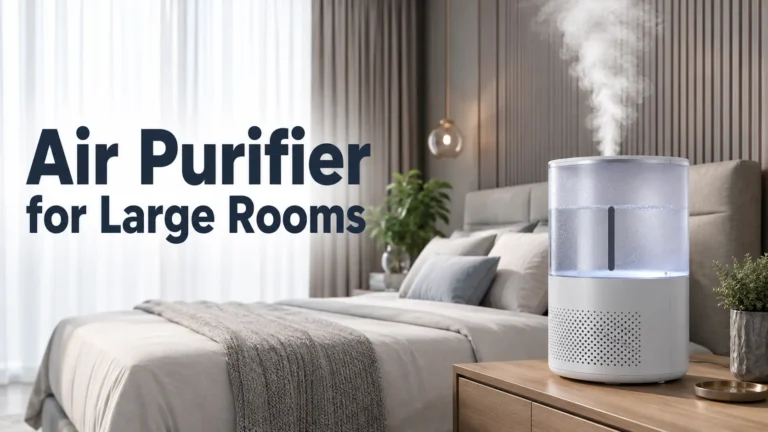
If you want a bedroom humidifier that focuses on simple cool-moisture output rather than extra smart features, the Honeywell Cool Moisture Humidifier can be a practical pick. It is best suited to people who want relief from dry air in a small to medium bedroom and are willing to handle routine filter care and cleaning.
- Best fit: Small to medium bedrooms where dry air affects sleep comfort.
- Main trade-off: Evaporative design usually means filter replacement and regular cleaning.
- Noise factor: Fan sound matters more here than on many ultrasonic humidifiers.
- Value factor: Replacement parts and upkeep costs matter as much as the purchase price.
Honeywell Cool Moisture Humidifier for Bedroom Review: Is It Worth It in 2026?

Quick answer: who it’s for, what it does well, and the biggest trade-offs
This type of Honeywell cool moisture humidifier is usually a good fit for sleepers who want a straightforward bedroom humidifier with evaporative output and no app dependency. The main trade-off is that evaporative models often need filters, regular upkeep, and room-appropriate placement to perform well.
What this review covers and how to evaluate it without first-hand testing claims
Because no verified first-hand testing evidence is available here, this article focuses on product design, typical evaporative humidifier behavior, and the buying criteria that matter most in real bedrooms. For final confirmation, check the exact model page, official manual, filter part number, warranty terms, and any current safety or recall notices before buying.
- Confirm the exact model number, tank size, filter type, and recommended room size.
- Verify cleaning instructions, replacement filter availability, warranty coverage, and return policy.
- Check placement needs, cord length, and whether the fan noise is acceptable for sleep.
How the Honeywell Cool Moisture Humidifier Works in a Bedroom

Evaporative cool-mist design explained in simple terms
Evaporative cool-moisture humidifiers pull air through a wet wick or filter and release moisture back into the room. That design is different from ultrasonic humidifiers, which use vibration to create a visible mist, and from warm-mist units, which heat water before releasing vapor.
In practical terms, evaporative models tend to be simple and familiar, but they depend on airflow, water quality, and the condition of the filter. If the filter gets clogged with minerals or dust, output can drop and the fan may sound louder than expected.
Why cool moisture can feel more comfortable than warm mist at night
Cool moisture is often preferred in a bedroom because it does not add warmth to the room. That can matter if you already sleep hot, use heavy bedding, or live in a home where the bedroom temperature is difficult to control.
Some people also find cool-moisture output easier to live with around kids, pets, or shared spaces, since there is no heated water involved. Still, comfort is subjective, and the best choice depends on noise tolerance, room layout, and whether you prefer a visible mist or a more subtle humidifying effect.
Evaporative humidifiers naturally slow down as room humidity rises, which can help prevent over-humidifying compared with some other designs.
Room-size expectations and what “bedroom use” really means
“Bedroom use” usually means a unit meant for a small to medium enclosed space rather than a large open-plan area. The actual results depend on ceiling height, door position, HVAC airflow, and how dry the air is to begin with.
If your bedroom is especially large, has a lot of air leakage, or sits far from the rest of the home’s humidity balance, a compact humidifier may only improve the immediate sleep area. For a broader comfort strategy, it can help to pair the unit with better room sealing and consistent HVAC settings.
Key Specifications and Buying Criteria to Check Before You Buy
Tank capacity, runtime, and refill frequency
Tank capacity matters because it influences how often you will need to refill the unit. Manufacturers often advertise runtime, but real-world runtime varies with fan speed, room dryness, filter condition, and the humidity setting you choose.
For bedroom shoppers, the most useful question is not just “How long does it run?” but “Will it last through a full night at the setting I actually plan to use?” If the answer depends on a high fan speed or a small room, that is worth noting before you buy.
Dimensions, placement footprint, and nightstand vs floor setup
Placement is a bigger deal than many buyers expect. Some humidifiers are small enough for a dresser or nightstand, while others are better placed on the floor beside the bed or near a wall outlet.
A tighter footprint is helpful in bedrooms with limited furniture space, but you should still leave room for airflow and cleaning access. Avoid crowding the unit against curtains, walls, or electronics, and make sure the water tank can be removed without awkward lifting.
Choose a spot with stable airflow and easy access to the tank. If you have to move furniture every time you refill it, the humidifier is less likely to stay in regular use.
Noise level, fan settings, and sleep-friendly operation
Noise is one of the biggest bedroom factors for evaporative humidifiers because they use a fan. Lower settings are usually better for sleep, but they may also reduce output, especially in dry rooms.
Look for simple controls, clearly labeled speed settings, and a mode that is not too bright at night. If a model includes lights or indicators, check whether they can be dimmed or turned off, since that can matter as much as sound for light sleepers.
Power use, cord length, and cable quality considerations
Most bedroom humidifiers plug into standard household outlets, but you still want to verify the cord length and route before placing the unit. A short cord can force awkward placement or create a tripping hazard if you rely on extension cords.
As with any plugged-in home appliance, inspect the cord for damage before use and keep it away from heat sources, water spills, and high-traffic walkways. If the cord, plug, or housing is damaged, stop using the unit and follow the manufacturer’s guidance.
Do not place a humidifier where it can drip onto outlets, charging gear, power strips, or bedding. Keep the unit on a stable surface and follow the manual for safe clearance around walls and fabrics.
Consumables: filter type, replacement schedule, and ongoing cost
Evaporative humidifiers usually rely on replaceable filters or wicks, and those consumables are part of the real ownership cost. The replacement schedule varies by water hardness, daily runtime, and how often the unit is cleaned.
Before buying, check whether replacement filters are easy to find and whether the exact part number is still widely available. A low upfront price can become less attractive if the filter is expensive or hard to source later.
Who the Honeywell Cool Moisture Humidifier Fits Best
Best for sleepers dealing with dry air, congestion, or seasonal discomfort
This style of humidifier makes the most sense for people who feel dry air in the bedroom as throat irritation, nose dryness, or uncomfortable skin during sleep. It is also a sensible option during heating season, when indoor air often becomes drier.
If you want a simple appliance that can run overnight without app setup or smart-home pairing, this category is appealing. For readers who also care about bedroom comfort beyond humidity, our guide to the best smart lights for bedroom can help round out a sleep-friendly setup.
Best for small to medium bedrooms and shared spaces
Bedroom humidifiers are usually most effective when the room size matches the unit’s intended coverage. A smaller or medium bedroom gives the humidifier a better chance to raise local comfort without overworking the fan or refilling too often.
Shared spaces, guest rooms, and home offices can also benefit if the room is closed off enough for humidity to build gradually. If you are trying to improve comfort across a larger home, a single bedroom unit may not be enough on its own.
Who may want a different type of humidifier instead
If you strongly prefer near-silent operation, an ultrasonic model may be more appealing, though it comes with its own cleaning and mineral-control considerations. If you want warmer output in a very cold room, a warm-mist unit may fit better, provided you are comfortable with heated water and the added safety precautions.
Buyers who dislike filter replacements may also want to compare alternatives carefully. The right choice depends on how much maintenance you are willing to do and whether your priority is quietness, simplicity, or output consistency.
Shoppers who want a straightforward bedroom humidifier for dry air relief and do not mind routine filter care. If low maintenance or ultra-quiet operation is your top priority, another humidifier style may be a better fit.
Real-World Benefits and Everyday Use Cases
Comfort improvements for sleep, skin, and throat dryness
In a dry bedroom, added moisture can make sleep feel less irritating, especially for people who wake up with a scratchy throat or dry nasal passages. Some users also like the way a more balanced humidity level can make skin feel less tight overnight.
These benefits are usually subtle rather than dramatic. A humidifier is not a cure for allergies or illness, but it can reduce the discomfort that dry indoor air creates.
Potential help during heating season or in arid climates
Heating systems often lower indoor relative humidity, and arid climates can make that effect even more noticeable. A bedroom humidifier can help offset that dryness during the months when the air feels harshest.
If you live in a region with consistently dry air, the most useful setup may be one that stays easy to refill and clean. Convenience matters because a humidifier only helps when it is actually running regularly.
How it may support a more stable bedroom humidity balance
A well-matched humidifier can make the bedroom feel more stable from night to night, especially when outdoor conditions change. Evaporative units are often chosen because they tend to self-limit as the room gets wetter, which can be helpful in a closed bedroom.
That said, humidity balance is still affected by room layout, ventilation, and seasonal HVAC use. If you want to fine-tune comfort, a simple hygrometer can help you understand whether the room is staying too dry or becoming too damp.
If you are trying to improve sleep comfort, adjust one variable at a time: placement, fan speed, or room sealing. That makes it easier to tell what actually helped.
Limitations, Drawbacks, and Common Mistakes
Why evaporative models may need more maintenance than buyers expect
Evaporative humidifiers are simple in concept, but they are not maintenance-free. Filters can trap minerals and dust, tanks can develop buildup, and the unit can smell stale if it is left wet for too long between uses.
Many buyers underestimate how important regular cleaning is. If maintenance is skipped, output can decline and the air quality around the unit may feel less pleasant.
Performance limits in larger rooms or very dry environments
A compact bedroom humidifier may struggle in a large room, a space with high ceilings, or a room that leaks air from multiple directions. In those situations, the unit may still help, but not enough to make the whole room feel comfortably humid.
Very dry climates can also push the unit harder than expected. If you need broader coverage, compare room-size recommendations carefully rather than assuming any bedroom model will scale up well.
Common setup mistakes that reduce output or increase noise
One common mistake is placing the unit too close to walls, curtains, or soft furnishings, which can interfere with airflow. Another is running the fan on a higher setting than necessary, which may make the room noisier without delivering a meaningful comfort gain.
Using hard water can also increase mineral buildup and shorten filter life in many evaporative designs. If your tap water is very mineral-rich, check the manual for the manufacturer’s cleaning and water-quality recommendations.
Evidence limits: what can and cannot be concluded from product specs alone
Specs can tell you a lot about capacity, size, and intended room use, but they cannot fully predict bedroom comfort. Actual results depend on humidity, temperature, room layout, and how often the unit is maintained.
That is why it is smart to treat manufacturer claims as a starting point, not a guarantee. Before purchase, verify the manual, filter availability, warranty terms, and any region-specific product notes from the brand.
Stop using any humidifier with a cracked tank, frayed cord, leaking base, or unusual burning smell. Follow the manufacturer’s instructions and replace damaged parts rather than improvising repairs.
Setup, Safe Use, and Maintenance Guide
Initial setup steps: placement, filling, and first run
Place the humidifier on a flat, water-resistant surface with enough clearance for airflow and tank removal.
Use the fill method and water level recommended by the manufacturer, and avoid overfilling the tank.
Start with a lower fan speed so you can judge noise, placement, and comfort before leaving it on overnight.
Safe use basics: water quality, stable surfaces, and cord inspection
Always keep the humidifier away from outlets, charging stations, and electronics that could be damaged by moisture. If the unit leaks or the cord looks worn, stop using it until the issue is addressed according to the manual.
Water quality matters too. Some users prefer distilled or demineralized water to reduce buildup, but the best choice depends on the model instructions and local water conditions.
Cleaning routine, filter care, and storage between seasons
Regular cleaning is the difference between a humidifier that feels helpful and one that becomes a chore. Empty standing water, clean the tank and base as directed, and let parts dry fully before reassembly when possible.
If you store the unit between seasons, dry it completely, remove spent filters if the manual recommends it, and keep replacement parts in a clean, dry place. A fresh filter at the start of the season can make a noticeable difference in early performance.
When to replace parts and how to spot wear or reduced performance
Replace filters or wicks when the manual says to, or sooner if they look discolored, stiff, or heavily mineralized. Reduced output, unusual odors, and louder fan noise can all be signs that maintenance is overdue.
If the tank no longer seals properly or the base shows visible wear, check with the manufacturer before continuing to use it. For any appliance that handles water and electricity, caution is better than trying to stretch a worn part for one more season.
Value, Alternatives, and Final Verdict
How it compares with ultrasonic and warm-mist bedroom humidifiers
Compared with ultrasonic models, a Honeywell cool moisture humidifier may be less likely to produce visible mist residue, but it can be louder because of the fan. Compared with warm-mist units, it avoids heated water, which many bedroom shoppers see as a practical plus.
If you are comparing bedroom comfort products more broadly, pairing a humidifier with other sleep-focused upgrades can make sense. For example, our guide to the best smart lights for home automation may help if you want lighting that supports a calmer nighttime routine.
What kind of buyer gets the best value from this model
The best-value buyer is someone who wants a dependable, no-frills bedroom humidifier and is comfortable with routine filter replacement. It is also a stronger value if replacement parts are easy to find and the unit’s size matches the room.
If you want smart controls, app alerts, or very quiet operation, you may get better long-term satisfaction from a different category. Value is not just the purchase price; it is also how often you will actually use the device without frustration.
- Good fit for dry bedrooms where simple cool-moisture output matters more than advanced features.
- Best in small to medium rooms with easy access for refills, cleaning, and filter changes.
- Check the exact model’s manual, filter cost, noise expectations, and room-size guidance before buying.
The Honeywell Cool Moisture Humidifier for Bedroom is a sensible choice for shoppers who want a straightforward evaporative humidifier for dry-air relief and can handle routine maintenance. If your top priorities are ultra-quiet operation, zero filter upkeep, or smart-home features, you should compare alternatives before deciding.
Frequently Asked Questions
It is a good fit for people who want basic dry-air relief without app setup or smart features. It works best for small to medium bedrooms where routine filter care is not a dealbreaker.
Sometimes, but only if the model’s footprint and airflow needs fit that placement safely. Many units are better on a stable dresser, side table, or the floor beside the bed.
Check tank capacity, room-size guidance, noise expectations, filter type, and cord length. Those details affect whether the humidifier will actually work well in your bedroom.
Empty standing water, clean the tank and base regularly, and replace the filter or wick when the manual recommends it. Good maintenance helps reduce odor, buildup, and performance loss.
Not always; it depends on your priorities. Evaporative models use a fan and usually need filters, while ultrasonic models are often quieter but may need more attention to mineral residue.
Confirm the exact model number, replacement filter availability, warranty terms, and any current safety or recall notices. It is also wise to check the manufacturer’s manual for placement and cleaning instructions.