Asahi USB Desk Fan Review for Cool and Quiet Comfort
The Asahi USB desk fan is a practical pick for close-range personal cooling on a desk or bedside table. It is worth buying only if the verified size, power input, and noise level match your setup.
If you want a compact personal fan for a desk, bedside table, or study nook, the Asahi USB desk fan is the kind of product that can make sense for close-range cooling without taking up much space. It is best viewed as a quiet, low-power comfort accessory rather than a replacement for air conditioning or a full-size room fan.
- Best use: Personal cooling at arm’s length, not room-wide airflow.
- Verify first: Model number, wattage, cable length, and tilt range can vary.
- Quiet comfort: Lower speed settings and stable placement usually matter most.
- Power safety: Match the USB source to the fan’s rated input and avoid damaged cables.
- Maintenance: Regular dust cleaning helps preserve airflow and reduce noise.
Asahi USB Desk Fan Review: Is It the Right Quiet Cooling Pick for 2026?
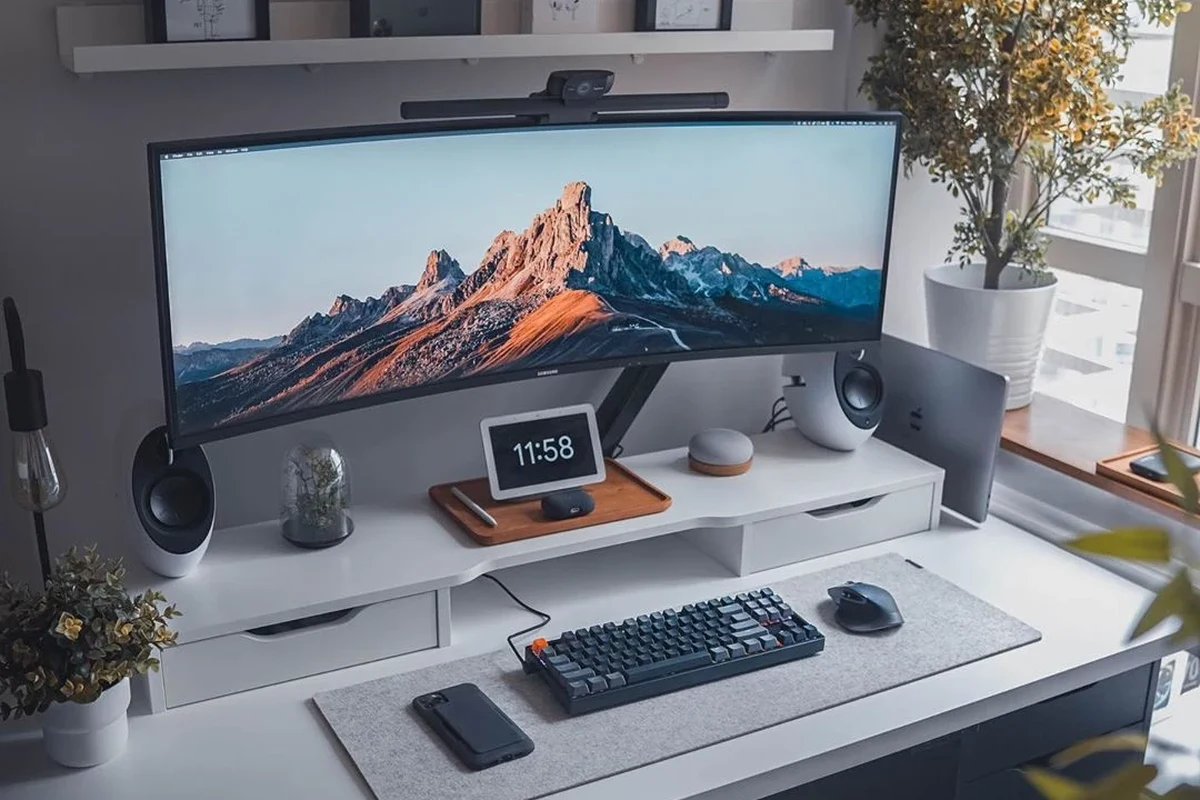
The Asahi USB desk fan is usually most appealing to people who need simple airflow at arm’s length: remote workers, students, gamers, and anyone trying to stay comfortable near a laptop or monitor. Because exact specs can vary by model and region, the smartest way to judge it is by checking the official listing, manual, and retailer photos before buying.
Quick verdict: who should buy it, who should skip it, and why
Buy it if you want a straightforward USB-powered fan for personal cooling, especially in a small workspace where noise and footprint matter more than raw airflow. Skip it if you need to cool an entire room, want battery-powered portability, or need a fan with advanced smart controls, oscillation, or app features.
What this review covers and what evidence to verify before buying
This guide focuses on what matters most for a USB desk fan: power source, noise expectations, build quality, desk fit, ease of cleaning, and day-to-day practicality. Since verified first-hand testing is not available here, you should confirm the exact model number, dimensions, wattage, speed settings, cable length, and warranty terms on the product page or manual before making a purchase.
- Check the exact model number, dimensions, wattage, and USB connector type
- Confirm cable length, tilt range, warranty, and return policy
- Verify the intended power source and any safety guidance in the manual
How the Asahi USB Desk Fan Works and What Makes It Different
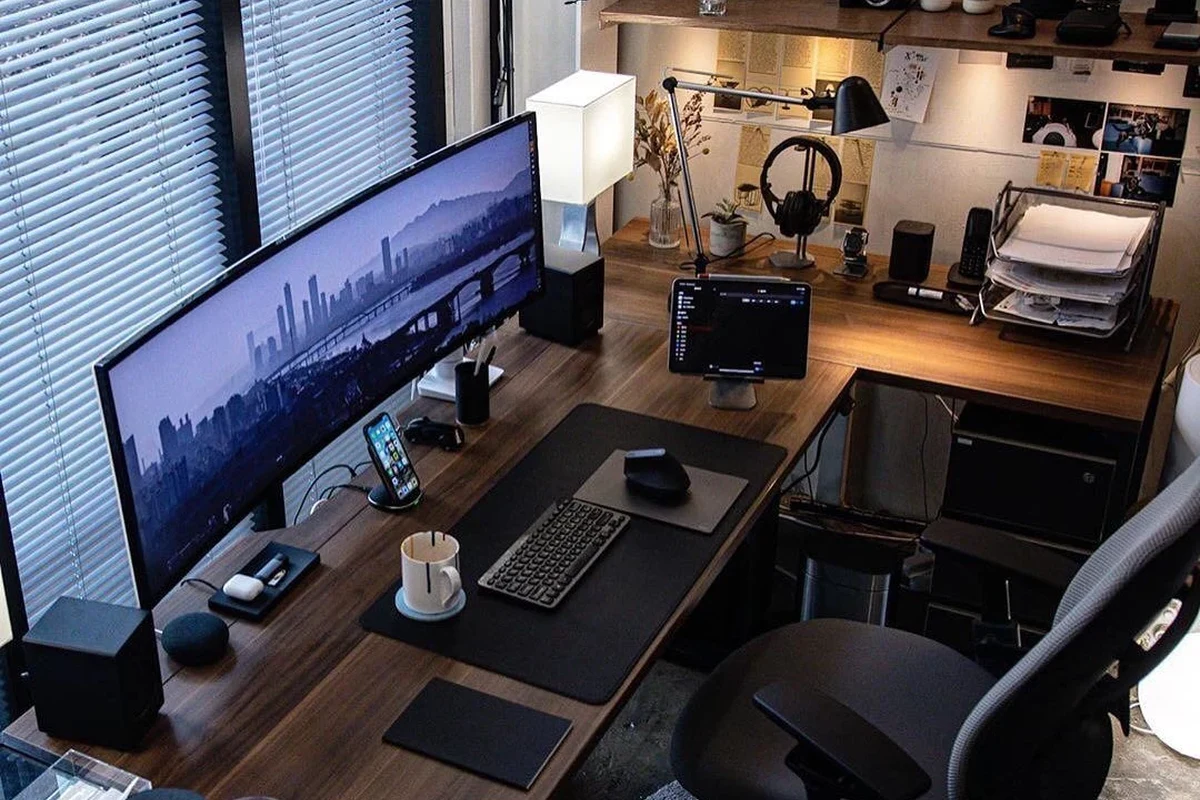
USB desk fans are designed to move air efficiently while drawing power from common low-voltage sources like laptops, wall adapters, or power banks. That makes them convenient for desks and bedside tables, but the trade-off is usually lower airflow than a plug-in pedestal fan.
USB-powered airflow basics and expected power draw
Most USB fans run from a standard 5V USB supply, though the exact current draw and wattage depend on the motor and speed mode. If you are planning to power it from a laptop port or a compact charger, confirm the fan’s rated input so you stay within the source’s safe output limits.
USB fan power claims can vary by retailer listing, region, and model revision. Always check the label on the fan or the official manual rather than relying on a marketplace title alone.
Blade design, speed settings, and how noise is usually kept low
Quiet desk fans typically rely on smaller blades, balanced motor design, and modest speed settings to reduce vibration and whine. In practice, low noise often depends on how the fan is placed, whether the surface is stable, and whether the grille or blades are clean.
If you are comparing power sources, our guides to USB-C wall chargers and multi-port USB-C chargers can help you choose a safe adapter for desk accessories that need dependable low-voltage output.
What to check in the box: cable quality, stand, controls, and build
For a desk fan, the included cable and stand matter almost as much as the motor. A flimsy cable, weak hinge, or unstable base can turn a simple fan into a daily annoyance, so inspect product photos and manual details for the control layout, tilt mechanism, and any non-slip feet or weighted base design.
- Fan body and grille assembly
- USB cable or attached lead, if included
- Stand, base, or tilt support parts
- User manual and warranty information
Key Specifications to Check Before You Buy
The most useful specs for a USB desk fan are the ones that affect fit, power, and comfort. If a listing does not clearly show them, treat that as a sign to verify before ordering rather than after delivery.
Dimensions, weight, and desk-space fit for home office use
Measure the area where the fan will sit, especially if your desk already holds a monitor stand, keyboard, notebook, or charging dock. A compact fan can still feel bulky if the base crowds your workspace or blocks cable routing.
Rated wattage, USB connection type, and safe power source limits
USB-powered gadgets work best when their power needs match the source. A fan that is fine on a wall adapter may not be ideal on a crowded laptop hub, so confirm whether it uses USB-A, USB-C, or an attached cable and whether the manual lists a preferred adapter rating.
If the fan will sit near your computer, choose a power source that leaves enough headroom for other accessories. That is especially useful if you already use one of our budget USB-C chargers or a multi-port charging setup.
Material quality, tilt range, and any warranty details to verify
Plastic housing is common in USB desk fans, but the quality of the grille, joints, and base can vary widely. Check whether the manufacturer offers a written warranty, what it covers, and whether replacement parts or customer support are easy to access in your region.
Real-World Benefits for Home, Office, and Study Setups
The main value of a desk fan is personal comfort. It can make a warm room feel more manageable by moving air across your skin, which is often enough to help during meetings, reading sessions, or late-night study blocks.
Best use cases for personal cooling at close range
This type of fan is a strong fit for home offices, dorm desks, craft tables, and bedside tables. It is especially useful when you want airflow aimed directly at you without raising the room’s overall noise level or power use very much.
People who want simple, nearby cooling at a desk or bedside setup and care more about low noise and small size than maximum airflow.
Noise expectations for calls, sleep, reading, and focused work
Noise tolerance is personal, but small desk fans are usually most acceptable on lower settings. If you take video calls, sleep lightly, or work in a shared room, look for user comments or manufacturer claims that specifically mention quiet operation, then verify whether the fan has a low-speed mode that is gentle enough for your environment.
Energy efficiency and practical value versus larger fans
Compared with larger AC fans, a USB desk fan generally uses less power and is easier to place exactly where you need it. For many buyers, that convenience is the real value: it is cheaper to run, simpler to move, and less disruptive than turning on a larger fan just to cool one person.
Limitations, Trade-Offs, and Common Mistakes Buyers Make
USB desk fans are useful, but they are easy to misunderstand. The biggest mistake is expecting them to behave like room fans when they are really personal comfort devices.
Why a USB desk fan is not a room-cooling solution
A desk fan can improve how cool you feel, but it does not lower the temperature of a room in the same way an air conditioner does. If your space is hot overall, the fan may help with comfort while still leaving the room warm.
Typical airflow, stability, and coverage limitations
Because USB fans are compact, they usually move less air than larger plug-in models. Coverage is also limited by the fan’s size and angle, so if the base is too light or the tilt mechanism is loose, the airflow may feel inconsistent or drift away from your preferred position.
Common buying mistakes: ignoring cable length, power limits, and placement
One of the easiest mistakes is overlooking cable length. If the cord is too short, you may end up using an unsafe extension setup or placing the fan in an awkward spot that makes it less effective.
Use only the power source and cable type recommended by the manufacturer. Stop using the fan if the cable is frayed, the plug is loose, the housing is cracked, or the motor sounds unusually strained.
Setup, Safe Use, and Placement Tips
Good placement matters more than many buyers expect. A small fan can feel much stronger when it is aimed properly and set on a stable surface with enough clearance around the grille.
How to position the fan for effective cooling without vibration or tipping
Place the fan on a flat, hard surface rather than a soft or uneven one. Aim it slightly upward toward your upper body or face, and keep it away from the edge of the desk so vibration does not cause it to creep or tip.
Set the fan where the base sits fully flat and the grille has room to move air freely.
Direct airflow toward your body instead of across the room for better personal comfort.
If the fan rattles or walks across the desk, reposition it or check for loose parts before continued use.
Safe USB power options: laptop ports, adapters, and power banks
Most USB desk fans can work from laptop ports, wall adapters, or power banks, but the best choice depends on the fan’s power draw and your setup. If you want a dedicated adapter, verify that its output matches the fan’s requirements and that it is from a reputable source.
Heat, inspection, and replacement guidance for damaged cables or plugs
Any sign of overheating, melting, unusual odor, or intermittent power should be treated seriously. Do not tape over a damaged cable and keep using it; replace the cable or contact the manufacturer for guidance if the fan uses a detachable lead.
Maintenance, Cleaning, and Storage Guide
Small fans collect dust quickly, especially on desks near windows, pets, or fabric surfaces. Regular cleaning helps preserve airflow and can also reduce rattling or motor strain.
How to clean dust from blades, grille, and vents without damage
Always disconnect the fan from power before cleaning. Use a soft brush, microfiber cloth, or compressed air only if the manual allows it, and avoid liquid cleaners near the motor or USB port unless the manufacturer specifically says they are safe.
- Clean the grille on a regular schedule instead of waiting for visible buildup
- Wipe the exterior with a dry or slightly damp cloth only if the manual allows it
- Check the cable near the connector, since repeated bending often causes wear first
Storage tips for off-season use and keeping the motor in good condition
Before storing the fan, clean it thoroughly and coil the cable loosely so it is not sharply bent. Keep it in a dry place away from direct sun, heavy objects, and dust buildup, and avoid storing it where the grille can be crushed.
When reduced airflow or unusual noise means it needs servicing or replacement
If airflow drops sharply after cleaning, the grille may still be clogged, the blades may be obstructed, or the motor may be wearing out. Grinding, scraping, or buzzing that was not there before is a good reason to stop using the fan and review the warranty or replacement options.
Stop using damaged electronics, loose plugs, swollen batteries in nearby power banks, frayed cables, or unstable appliances and follow the manufacturer’s guidance.
Final Recommendation: Is the Asahi USB Desk Fan Worth It?
The Asahi USB desk fan is worth considering if your main goal is simple, low-power personal cooling for a desk, study corner, or bedside setup. It is less compelling if you need strong room-wide airflow, premium materials, or advanced features that go beyond basic fan control.
Best-fit user profile and value judgment for 2026 buyers
For 2026 buyers, the best fit is someone who values convenience, compact size, and quiet everyday use more than maximum performance. Before buying, confirm the exact model’s dimensions, power requirements, and warranty so you know it matches your desk and power setup.
Transparent verdict with alternative options to consider if your needs differ
If you want a no-fuss personal fan and the verified specs look right, the Asahi USB desk fan can be a practical purchase. If your needs are broader, consider a larger plug-in fan for stronger airflow or look at a USB-C charging setup that can comfortably support multiple desk accessories, such as one of our USB-C wall chargers for multiple devices, if you are planning a cleaner desktop power layout.
- Best for close-range personal cooling, not whole-room cooling
- Check wattage, cable type, size, and warranty before buying
- Placement, cleaning, and stable power matter as much as the fan itself
Frequently Asked Questions
It is best for people who want personal cooling at a desk, bedside table, or study corner. It is less suitable if you need to cool an entire room.
Check the exact model number, dimensions, wattage, USB connector type, tilt range, and cable length. Also confirm the warranty and return policy.
It can be enough for close-range comfort during work, reading, or light sleep if the noise level is acceptable. Results depend on the fan’s speed settings, placement, and your room conditions.
Use a power source that matches the manufacturer’s input guidance, such as a laptop port, wall adapter, or power bank. Avoid damaged cables, loose plugs, or adapters that are not rated for the fan.
Unplug the fan first, then remove dust from the grille, blades, and vents with a soft brush or dry cloth if allowed by the manual. Store it in a dry place with the cable loosely coiled.
Like most USB desk fans, it is limited by its small size, modest airflow, and close-range coverage. It is not a substitute for a room fan or air conditioner.