Best USB Cooling Fan 140 for Quiet Powerful Cooling
A USB cooling fan 140 is a good choice for quiet, focused airflow in desks, cabinets, and small electronics setups. The best model is the one that fits your space, matches your USB power source, and stays stable at the speed you need.
If you want a usb cooling fan 140 for steady airflow without the bulk of a larger AC fan, the best choice is usually a 140mm model that balances low noise, simple USB power, and a frame that fits your setup. It’s a smart option for desks, networking gear, cabinets, and other compact spaces where consistent cooling matters more than maximum room-wide airflow.
- Best use case: Targeted cooling for routers, desks, cabinets, and DIY enclosures.
- What matters most: Airflow, low-speed noise, fit, and power compatibility.
- Check before buying: Dimensions, USB connector type, wattage, cable quality, and mount style.
- Safety first: Stop using damaged cables, unstable mounts, or overheating setups.
Best USB Cooling Fan 140: What It Is and Who It’s Best For
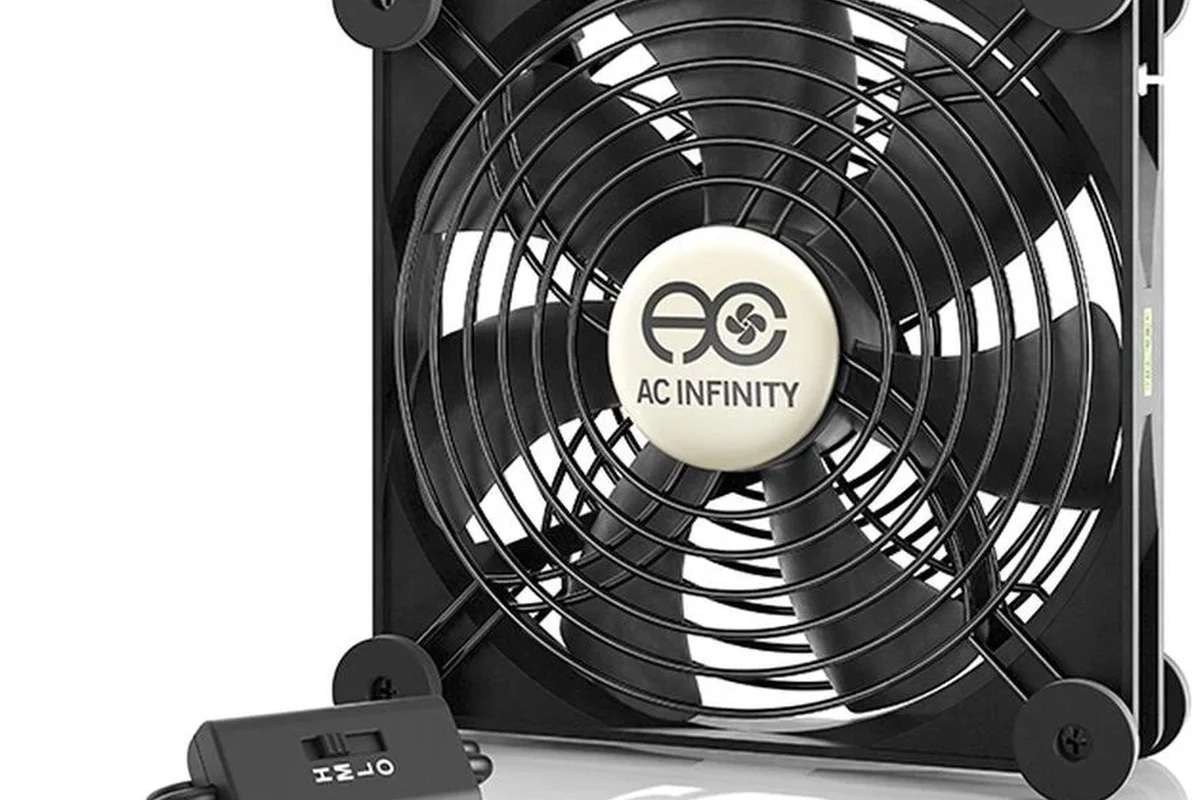
Quick answer: the best USB cooling fan 140 for quiet, powerful cooling
The best 140mm USB cooling fan is one that delivers enough airflow for your device or space while staying quiet at the speed you’ll actually use. In practice, that usually means a model with a stable motor, decent build quality, and at least one easy-to-use speed setting rather than a fan that only looks strong on paper.
Buy a USB cooling fan 140 if you want a compact, low-power fan for focused cooling near electronics, a desk, or a small enclosed area. If you need to cool an entire room, a larger AC fan or tower fan is usually the better fit.
How a 140mm USB fan moves air and why size matters
A 140mm fan moves air with a larger blade area than smaller USB fans, which can help it push more air at lower RPMs. That often translates to a better balance of airflow and noise, although the exact result depends on the motor, blade shape, grill design, and how restricted the airflow path is.
Size matters because a 140mm fan can often move air more efficiently than a smaller fan spinning faster to compensate. That said, a fan’s real performance still depends on the whole design, not just the diameter listed in the product name.
Fan noise often rises quickly with speed, so a larger fan that runs slower can sometimes feel quieter than a smaller fan delivering similar airflow.
Ideal users: desks, routers, AV cabinets, small rooms, and DIY projects
A usb cooling fan 140 is especially useful for people who need targeted cooling in a fixed spot. Common use cases include home office desks, Wi-Fi routers, modems, AV racks, 3D printer enclosures, pet-safe airflow zones, and DIY electronics projects.
It is less useful if you want broad room cooling or if the fan must sit far from a USB source without a proper extension or power adapter. For those cases, a different fan style may be more practical.
How to Choose the Right USB Cooling Fan 140 in 2026
Airflow, RPM, and noise: what actually affects performance
Airflow is the first number to look for, but it should be read alongside RPM and noise claims. Higher RPM can mean more airflow, but it can also mean more sound and more vibration, so the best choice is often the fan that moves enough air at the lowest practical speed.
Noise ratings are only helpful when the manufacturer explains the measurement method. If the listing does not show testing conditions, treat the number as a rough guide rather than a guarantee.
USB power draw, rated wattage, and cable quality to verify
USB fans are usually simple devices, but power still matters. Check the rated voltage, wattage, and current draw so you can match the fan to a USB port, hub, or power bank that can supply enough power without strain.
Cable quality also matters because a flimsy cable can cause voltage drop, intermittent operation, or unnecessary wear over time. If the included cable seems short or thin, confirm whether the fan supports a standard replacement cable before you buy.
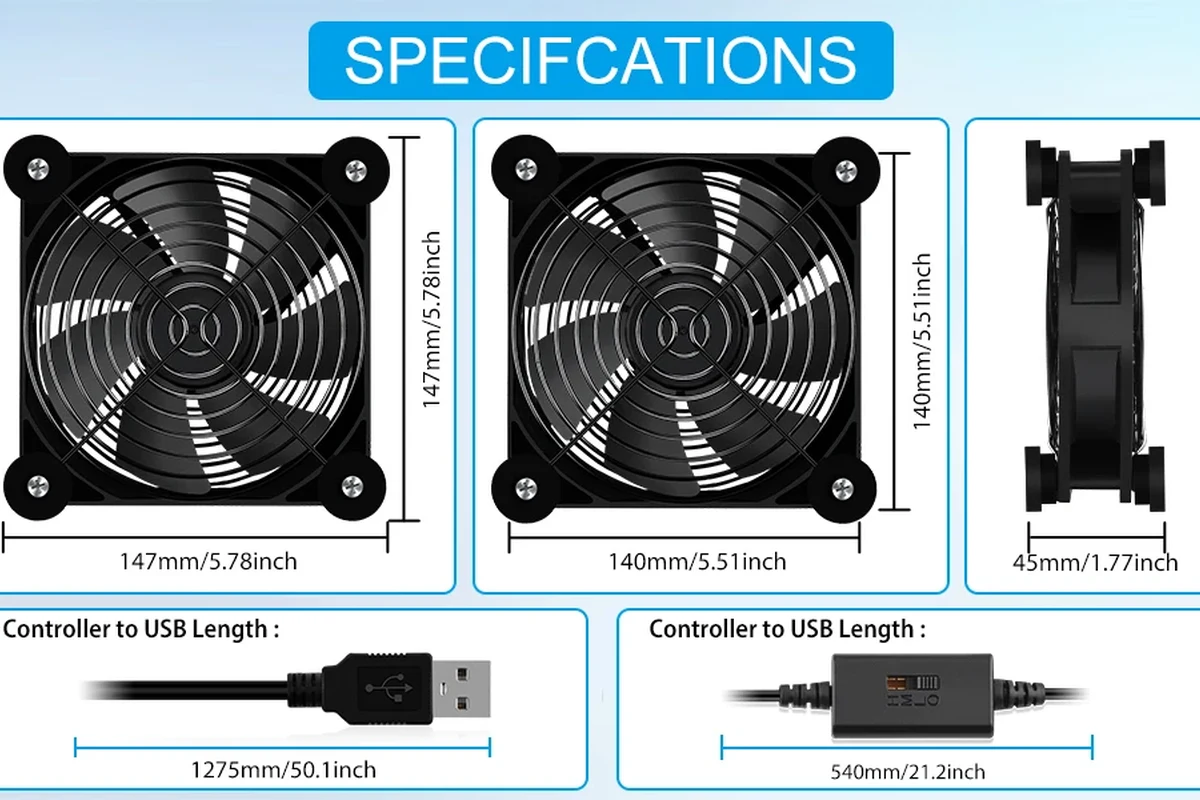
- Check the fan’s dimensions, USB connector type, and rated power draw
- Confirm whether it includes speed control, a mount, or a stand
- Verify compatibility with your USB-A, USB-C, hub, or power bank setup
- Review the manual, warranty terms, and any safety guidance from the maker
Dimensions, mount style, and fit for your space
A 140mm fan may sound compact, but the frame, stand, grill, and cable routing can make it much larger in real use. Measure the space where it will sit, and leave room for intake and exhaust so the fan does not recirculate warm air.
Mount style is just as important as size. Some fans are meant to stand on a desk, while others work better when attached to a cabinet, enclosure, or bracket.
Materials, build quality, and expected durability
Build quality affects both longevity and noise. A sturdier frame, better-balanced blades, and tighter assembly can reduce rattling and help the fan stay stable during long daily use.
Plastic is common, but not all plastics are equal. Look for a design that feels rigid enough to resist flexing, especially if the fan will run for long periods or sit in a warm area.
Durability claims vary by model, batch, and usage pattern. If a listing mentions bearing type, motor type, or expected lifespan, confirm those details in the official manual or spec sheet before relying on them.
Top Features That Matter for Quiet, Powerful Cooling
Blade design, motor type, and vibration control
Blade shape influences how smoothly air moves through the fan and how much turbulence it creates. A well-designed blade can improve airflow without forcing the motor to work as hard, which may help keep sound levels down.
Vibration control is another major factor. Rubber feet, a balanced frame, and a stable mount can reduce buzzing sounds that become noticeable on desks, shelves, or hard surfaces.
Speed settings, controls, and power options
Multiple speed settings give you more control over the balance between airflow and noise. For a bedroom, office, or media cabinet, a lower setting may be enough most of the time, while a higher setting can help during warm weather or heavier device loads.
Controls vary widely by model, from simple inline switches to buttons, dials, or remote controls. If you plan to place the fan in a hard-to-reach cabinet, easy access to the controls can matter more than extra features.
If a fan will run near electronics, choose a model with a stable low-speed setting. Constant moderate airflow is often more useful than a noisy high-speed burst you cannot comfortably keep on.
Noise levels in real use and what “quiet” should mean
“Quiet” is subjective, so the better question is whether the fan stays unobtrusive at the speed you need. A fan may sound fine across a room but distracting on a desk, especially in a quiet office or bedroom.
When comparing listings, look for whether the fan is described with a specific measurement method, and remember that perceived noise also depends on the surface it sits on, nearby objects, and room acoustics.
Heat management limits and safe operating expectations
A USB cooling fan can help move heat away from a device or enclosure, but it cannot fix poor ventilation, blocked vents, or a failing component. If the item it is cooling still feels excessively hot, shut it down and check the manufacturer’s guidance.
Do not use a fan as a substitute for proper ventilation around chargers, batteries, or enclosed electronics. Stop using any setup that smells burnt, feels unusually hot, or shows frayed cables, loose connectors, or unstable mounting.
Where a USB Cooling Fan 140 Works Best
Home office cooling for laptops, monitors, and desk setups
On a desk, a 140mm USB fan can improve comfort by moving warm air away from your immediate work area. It is especially helpful if you sit near equipment that runs warm, such as a laptop dock, external drives, or a compact desktop tower.
For monitor or laptop cooling, placement matters more than raw fan speed. Aim airflow toward the area that traps heat, but avoid blasting dust directly into vents for long periods.
Router, modem, and networking gear cooling
Networking gear often benefits from gentle, continuous airflow because it may run for long periods in a tight space. A usb cooling fan 140 can help in a shelf, media cabinet, or closet where heat builds up around a router or modem.
If you are cooling network equipment, confirm that the fan does not block indicator lights, ports, or cable bends. You may also want a fan with a stable low-speed mode to avoid unnecessary noise in a shared living area.
Entertainment centers, 3D printer enclosures, and small cabinets
Entertainment centers and small cabinets can trap heat from streaming boxes, game consoles, amplifiers, and other electronics. A 140mm fan can help move warm air out of the enclosure if there is a clear intake and exhaust path.
For 3D printer enclosures, check the printer maker’s recommendations first because some projects need stable temperatures rather than aggressive airflow. Too much cooling can interfere with print quality or enclosure goals.
Travel and temporary setups: portability trade-offs
USB power makes this fan style convenient for temporary setups, but portability still depends on size, cable length, and whether you need a power bank or adapter. A 140mm fan is compact compared with a household fan, yet it is still large enough that packing and placement should be planned.
If you travel often, prioritize a model with a durable frame, a protected grill, and a cable that stores neatly. A folding stand or simple mount can also make setup faster in hotels, dorms, or short-term workspaces.
Setup Guide: Getting the Best Performance from a USB Cooling Fan 140
Placement tips for airflow direction and clearance
Put the fan where it can move air freely instead of pressing it against a wall or blocking the grill with books, cables, or fabric. Good clearance on both the intake and exhaust side usually improves performance and reduces strain on the motor.
Decide whether the fan should pull warm air out or push cooler air in, then place it accordingly.
Leave space around the device or cabinet so the fan is not fighting a sealed enclosure.
Use a flat, stable surface or the correct mount so vibration does not create extra noise.
Connecting to USB-A, USB-C, hubs, or power banks safely
Before connecting, confirm the fan’s connector type and power draw. USB-A ports, USB-C ports, powered hubs, and power banks can all work, but only if they can supply enough current for the fan’s rating.
If you need a compact charger or adapter for a fan setup, our guides to USB-C wall chargers, multi-device USB-C wall chargers, and multi-port USB-C chargers can help you compare power options for home use.
When to use a wall adapter instead of a low-power port
A wall adapter is usually the safer choice when the fan will run for long periods or when the USB port you plan to use has limited output. Low-power ports on monitors, keyboards, or older hubs may not be ideal for a fan that needs steady current.
If you are unsure, check the manual or manufacturer spec sheet and match the adapter to the fan’s rated input. Do not assume any USB port can deliver the same amount of power.
Common setup mistakes that reduce cooling efficiency
The most common mistake is placing the fan where it stirs air but does not actually remove heat. Another is using a cable or hub that cannot supply stable power, which can lead to weak airflow or intermittent operation.
- Keep the fan a few inches away from obstructions whenever possible
- Use the lowest speed that still solves the heat problem
- Route cables so they do not touch the blades or block vents
- Recheck airflow after moving the fan or changing the room layout
Safety, Maintenance, and Storage
Safe use limits: rated wattage, overheating checks, and inspection
Always stay within the fan’s rated power input and follow the manufacturer’s instructions. If the fan or the powered device becomes unusually hot, shuts down unexpectedly, or makes a new grinding sound, stop using it until you inspect the setup.
Stop using damaged electronics, swollen batteries, frayed cables, overheating chargers, or unstable appliances and follow the manufacturer’s guidance.
Keeping cables, connectors, and blades in good condition
Inspect the cable ends regularly for bent connectors, looseness, or wear near the strain relief. A damaged cable can cause unreliable power and may create a safety issue if it is ignored.
Blades and grills should also stay intact and free from cracks. If a guard is loose or the frame is warped, the fan may vibrate more than usual or become less safe to use.
Cleaning dust buildup without damaging the fan
Dust buildup can reduce airflow and make the fan noisier. Unplug the fan first, then use a soft brush, microfiber cloth, or gentle compressed air according to the manual.
Avoid soaking the unit or using harsh cleaners unless the manufacturer explicitly allows it. Moisture inside a USB-powered fan can damage the motor or electronics.
Storage guidance for seasonal or occasional use
If you only use the fan part of the year, store it in a dry place with the cable loosely coiled rather than tightly bent. Keeping it covered can help reduce dust buildup between uses.
Before putting it away, clean the grill, check the cable, and make sure the stand or mount is not cracked. That small inspection can prevent surprises the next time you need it.
Value, Drawbacks, and Alternatives
What makes a USB cooling fan 140 worth the money
The best value comes from a fan that gives you enough airflow, a tolerable noise level, and a build that feels dependable for the space it will serve. For many buyers, the real value is not maximum power but predictable, low-hassle cooling over time.
- Choose a 140mm USB fan for focused cooling, not whole-room airflow
- Verify power needs, cable quality, fit, and mount style before buying
- Prioritize low-speed quietness, stable airflow, and safe setup around electronics
Limitations: airflow ceiling, noise, and power constraints
Even a good usb cooling fan 140 has limits. It cannot replace a larger fan for room cooling, and it may struggle if the enclosure is too sealed or the power source is too weak.
Noise can also become noticeable at higher speeds, especially on hard surfaces or in quiet rooms. If you need near-silent operation, look for a model with a strong low-speed mode and vibration control.
Alternatives to compare: smaller USB fans, clip-on fans, and AC desk fans
| Option | Best For | Key Consideration |
|---|---|---|
| Smaller USB fan | Tight spaces and lightweight setups | Usually less airflow than a 140mm model |
| Clip-on fan | Desks, shelves, and flexible placement | Mounting stability matters |
| AC desk fan | Stronger general cooling | Needs wall power and more space |
Transparent verdict: who should buy one and who should skip it
Buy a usb cooling fan 140 if you want quiet, focused airflow for a desk, router, cabinet, or compact DIY setup and you can verify the fit and power requirements first. Skip it if you need to cool a room, if your space is too sealed for airflow to help, or if you want the strongest possible fan regardless of size and noise.
For most home gadget buyers, the right choice is the model that fits the space cleanly, runs at an acceptable noise level, and matches the USB power source you already plan to use.
Frequently Asked Questions
It is best for focused cooling in small spaces like desks, routers, AV cabinets, and DIY enclosures. It is not meant to cool an entire room.
Check the fan’s frame size, stand, grill, cable routing, and clearance around the intake and exhaust. Measure the space before buying because the full footprint can be larger than the blade size alone.
Use a USB port, hub, power bank, or wall adapter that can supply the fan’s rated input. If the source is low power or unstable, the fan may run weakly or intermittently.
Choose a model with a good low-speed setting, stable feet or mount points, and a balanced frame. Placing it on a hard surface without vibration control can make it sound louder.
Unplug it before cleaning, remove dust gently, and inspect the cable, connector, grill, and blades for wear. Store it in a dry place with the cable loosely coiled when not in use.
Stop using it if it overheats, makes unusual noises, smells burnt, has a frayed cable, or feels unstable. Follow the manufacturer’s guidance and replace damaged parts only if the manual allows it.