8 Best Smart Plugs for Home Assistant for Smart Home Security
Affiliate disclosure: As an Amazon Associate, Gadget Makers Blog may earn from qualifying purchases. This does not change the price you pay.
If you are building a Home Assistant setup with a security-first mindset, smart plugs can do more than just switch lamps on and off. They can help you automate presence routines, schedule devices, and keep local control options in mind when the internet is unavailable.
This guide compares the best smart plugs for home assistant based on the supplied product details, with a focus on compatibility, local-network behavior, app ecosystems, and practical value for smart home and security-minded shoppers. If you are also comparing lighting automations, our smart lights for Home Assistant guide and smart light switches roundup can help you build a fuller setup.
The best smart plugs for Home Assistant depend on whether you want Matter-based flexibility, Zigbee local control, or the lowest price. For most buyers, the Linkind Matter Smart Plug and TP-Link Tapo P125M are the most broadly compatible picks, while the THIRDREALITY ZigBee Smart Plug is the strongest fit for a Zigbee-centered Home Assistant setup.
Quick Product Comparison
| Product | Image | Best For | Check Price |
|---|---|---|---|
| 1. Linkind Matter Smart Plug | 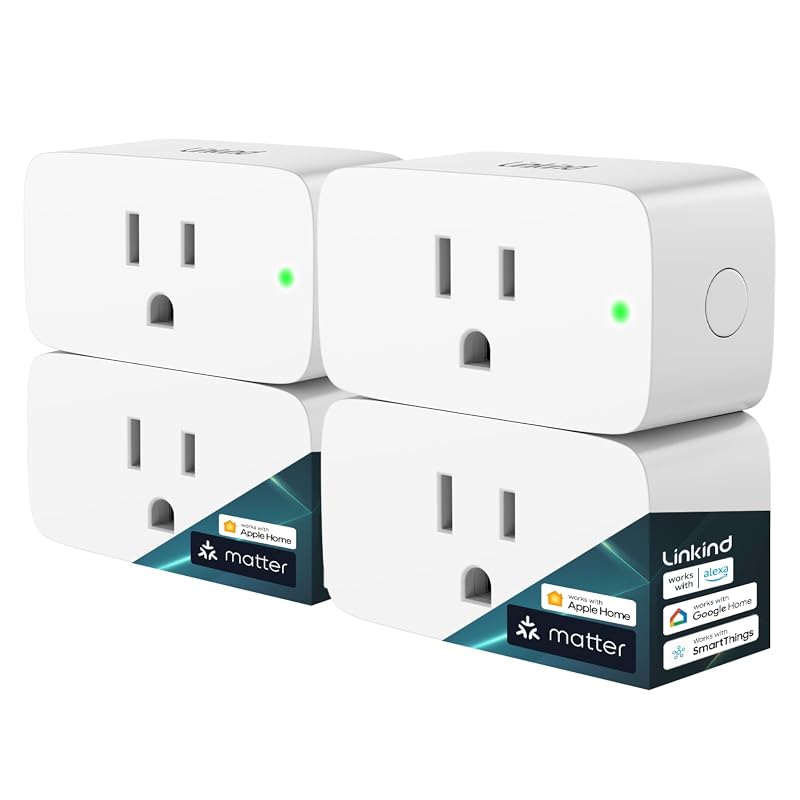 | Matter users who want broad platform support | Check Price |
| 2. Govee Smart Plug | 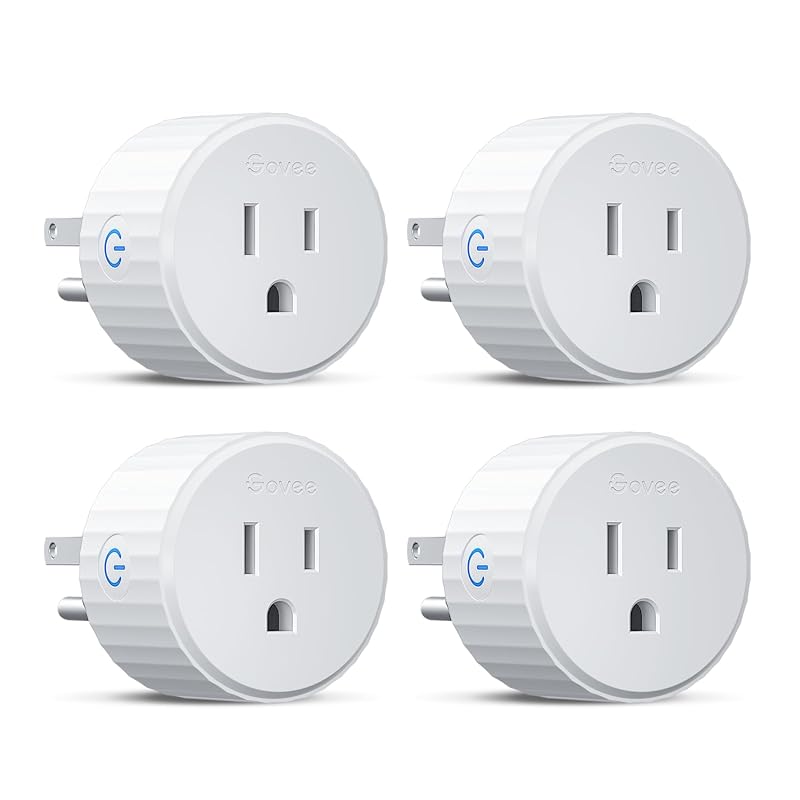 | App-based control with Bluetooth or Wi‑Fi support | Check Price |
| 3. THIRDREALITY ZigBee Smart Plug | 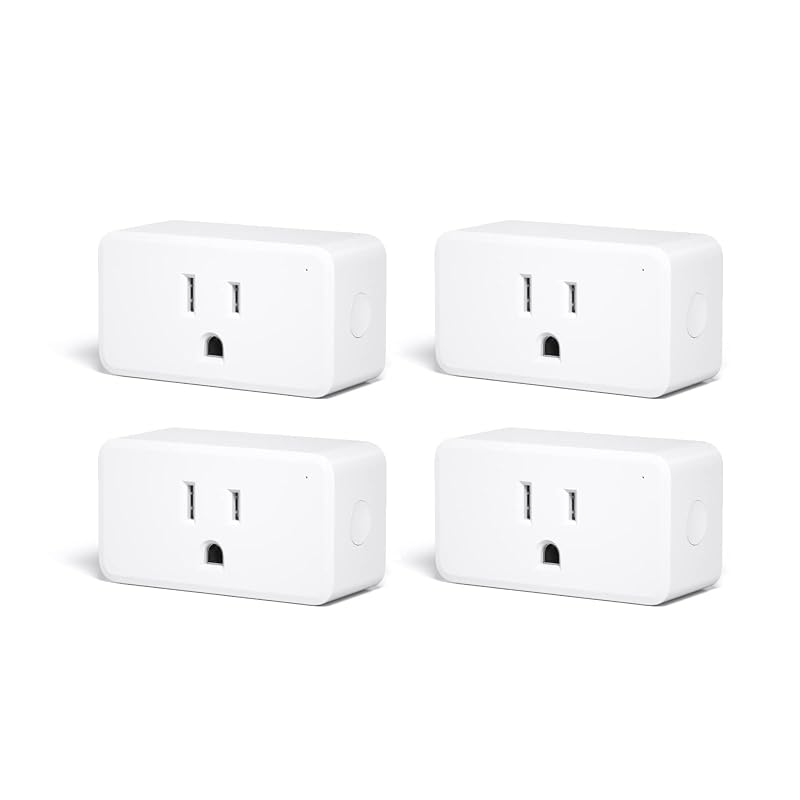 | Home Assistant users who want Zigbee and energy monitoring | Check Price |
| 4. GHome Smart Plug | 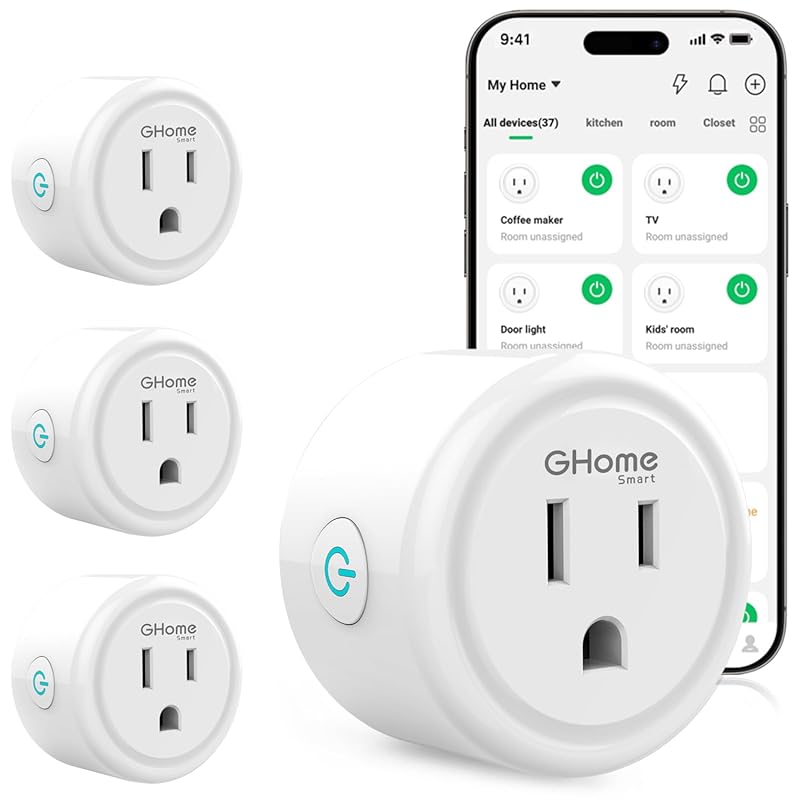 | Budget Wi‑Fi control for Alexa and Google Assistant | Check Price |
| 5. Kasa HS103P4 Smart Plug | 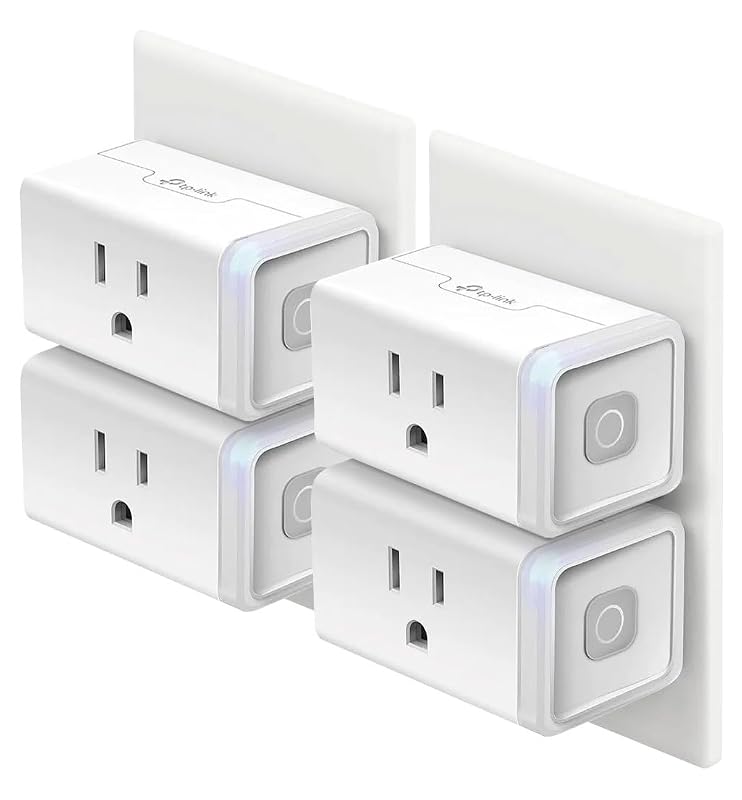 | High-confidence mainstream Wi‑Fi smart plug buyers | Check Price |
| 6. Kasa EP10P2 Smart Plug | 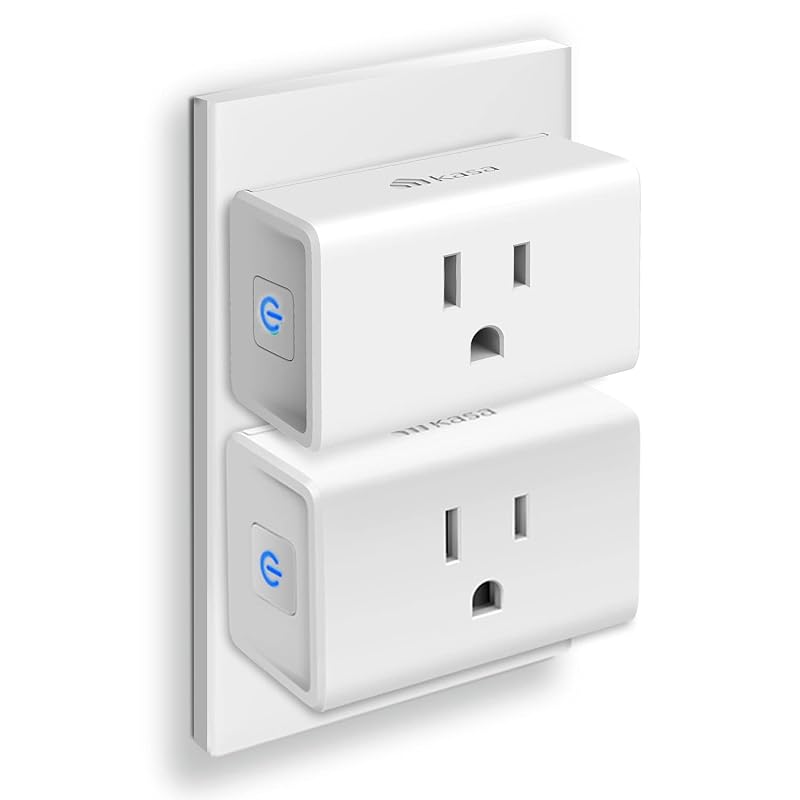 | Compact plug-in devices with a smaller footprint | Check Price |
| 7. GHome Smart Plug White | 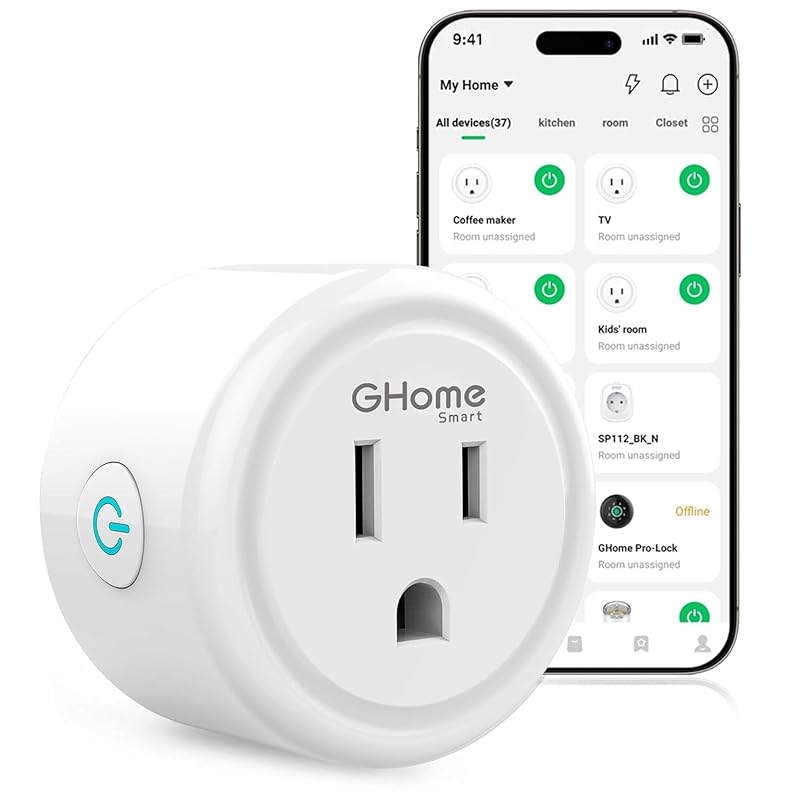 | Lowest-cost starter option for simple automations | Check Price |
| 8. TP-Link Tapo P125M Smart Plug | 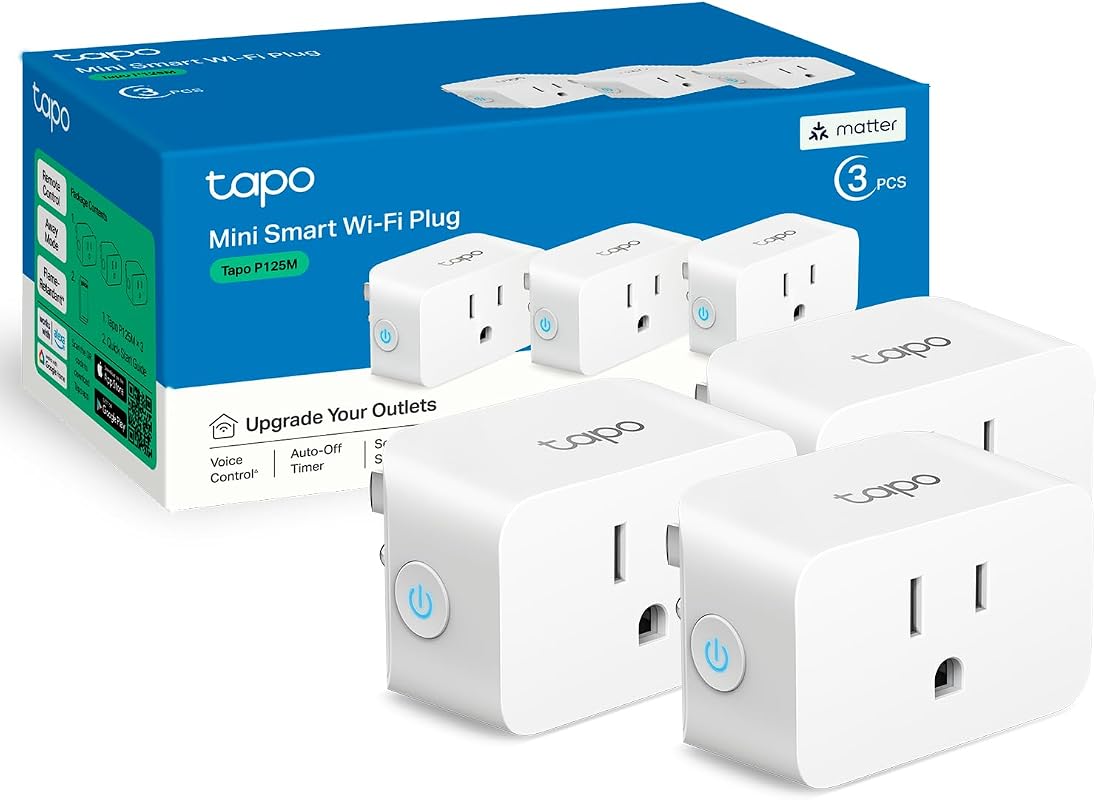 | Matter-ready buyers who want compact design | Check Price |
What to Look for in best smart plugs for home assistant
Home Assistant integration path
Check whether the plug works through Matter, Zigbee, or a Wi‑Fi app ecosystem. For Home Assistant, the integration path matters because it affects how much local control you can keep and how much setup you need.
Local control and offline behavior
Some plugs can continue working on your local network when the internet goes down, while others depend more heavily on cloud services. If security and reliability matter, confirm the exact control path on the current listing or product manual.
Compatibility with your smart home ecosystem
Look for support that matches your existing setup, such as Apple Home, Alexa, Google Home, SmartThings, or Zigbee hubs. If you already run Home Assistant, verify whether you need a Matter controller, Zigbee hub, or specific bridge.
Scheduling and automation flexibility
Timers, countdowns, schedules, and group control can help with lights, fans, humidifiers, and other routines. These features are useful for occupancy simulation, energy management, and everyday convenience.
Physical fit and outlet clearance
Compact plugs are easier to use in crowded power strips or duplex outlets. If you plan to stack devices, check the shape and size on the listing so the plug does not block the second socket.
Safety and load awareness
For any smart plug, verify the rated electrical load, supported voltage, and safety listings on the current product page. Use only devices that fit the plug’s rating, and avoid overloading outlets or daisy-chaining power strips.
- Before buying, confirm whether your Home Assistant setup uses Matter, Zigbee, or Wi‑Fi so you do not end up with extra hubs or limited control options.
- For security-focused automations, choose plugs that can still operate on your local network when the internet is unavailable.
- Keep smart plugs paired to a stable 2.4GHz network or the required hub, and verify the current app and firmware requirements on the listing.
Our Top 8 Best Smart Plugs For Home Assistant Picks and Reviews
1. Linkind Matter Smart Plug, Apple Home, Siri, Alexa, Google, SmartThings, 15A Wi-Fi Outlet, 4 Pack
The Linkind Matter Smart Plug is the most flexible choice here if you want broad platform support and a path that can fit a mixed smart home setup. The supplied details emphasize Matter compatibility, LAN-based communication after setup, remote app control, voice control, and scheduling.
Key Features That Stand Out
- Works with Matter-certified platforms including Apple Home, Alexa, Google Home, SmartThings, and AiDot, which helps reduce platform lock-in.
- Offline-ready local LAN control is highlighted, which is useful if you want smart home actions to continue without relying on cloud access.
- Remote control and voice control support make it easier to manage home devices when you are away or using assistants hands-free.
- Flexible scheduling and timer support can help with lighting, fans, humidifiers, and other routine plug-in devices.
Why It Stands Out
This is a strong pick for buyers who want one plug family that can work across several ecosystems. The Matter angle is especially relevant for Home Assistant users who want more future-friendly compatibility and fewer app silos, though you should still verify the controller or hub requirements for your exact setup.
Best For
Pros and Cons
- Broad Matter support across major platforms.
- Local LAN control is a good fit for reliability-minded smart home setups.
- Scheduling and voice control add everyday convenience.
- Apple Home, Alexa, Google Home, and SmartThings may require a Matter-certified hub or controller.
- Buyers should verify current Home Assistant integration details before relying on it for critical automations.
2. Govee Smart Plug, Alexa and Google Assistant WiFi Outlet with Timer, 4 Pack
The Govee Smart Plug is positioned as a stable Wi‑Fi option with Bluetooth support, voice control, and scheduling. It is a practical choice if you want a straightforward app-based smart plug for routine automations and shared household control.
Key Features That Stand Out
- Supports Bluetooth or Wi‑Fi connection, which the listing presents as more stable and faster than Wi‑Fi-only plugs.
- Works with Amazon Alexa and Google Assistant for hands-free control.
- Scheduling and group control can simplify multi-device routines.
- ETL and FCC certification are mentioned in the supplied details, and the plug is rated 10A/1200W at 120V.
Why It Stands Out
This model makes sense for users who want a familiar Wi‑Fi smart plug with simple voice control and app scheduling. It is less about advanced platform flexibility and more about dependable everyday control, so it suits a basic smart home security routine well.
Best For
Pros and Cons
- Bluetooth or Wi‑Fi support may help with connection stability.
- Good fit for common voice assistant setups.
- Compact design can help in tighter outlet spaces.
- Does not support 5G Wi‑Fi according to the supplied details.
- Home Assistant buyers should verify the exact integration path before purchase.
3. THIRDREALITY ZigBee Smart Plug, 15A Energy Monitoring Outlet and Repeater, 4 Pack
The THIRDREALITY ZigBee Smart Plug is the most Home Assistant-friendly option in this roundup for shoppers who already use Zigbee. It adds energy monitoring and repeater functionality, which can be useful in a mesh-based smart home.
Key Features That Stand Out
- Uses Zigbee 3.0 and works with compatible Zigbee hubs, including Home Assistant, SmartThings, Hubitat, Homey, and supported Echo devices.
- Real-time energy monitoring is supported with Home Assistant, SmartThings, Hubitat, and the brand’s hub ecosystem.
- Repeater functionality may help strengthen a Zigbee network in the home.
- Restore-status behavior after power returns is supported in Home Assistant and the brand hub according to the supplied details.
Why It Stands Out
For Home Assistant setups, Zigbee can be a smart choice because it keeps devices on a local mesh and can reduce dependence on cloud apps. This plug is especially appealing if you want energy visibility and network extension in the same device.
Best For
Pros and Cons
- Strong fit for Zigbee-based Home Assistant systems.
- Energy monitoring adds useful visibility for plug-in devices.
- Repeater support can help expand a Zigbee mesh.
- Requires a compatible Zigbee hub.
- Energy monitoring and restore-status support may vary by platform, so verify your exact Home Assistant integration path.
4. GHome Smart Plug, Alexa and Google Home WiFi Outlet with Timer, ETL/FCC Listed
The GHome Smart Plug is a budget-friendly Wi‑Fi outlet with voice control, app remote control, scheduling, and group control. It is aimed at buyers who want a simple smart plug for everyday automations without a complicated setup.
Key Features That Stand Out
- Bluetooth or Wi‑Fi quick connection is listed, with a note to use a stable 2.4GHz network.
- Works with Alexa and Google Assistant for voice control.
- Remote app control and timer scheduling support are included.
- Group control and sharing can be helpful in a shared household.
Why It Stands Out
This is a good low-friction option for general smart home use when you want app control and scheduling at a reasonable entry point. For Home Assistant buyers, it is best treated as a simple Wi‑Fi plug whose exact integration path should be verified before purchase.
Best For
Pros and Cons
- Affordable way to add smart plug control.
- Scheduling and group control are useful for daily routines.
- ETL/FCC listed in the supplied details.
- Only 2.4GHz Wi‑Fi is referenced in the supplied details.
- Home Assistant compatibility details should be confirmed on the current listing.
5. Kasa Smart Plug HS103P4, Wi-Fi Outlet for Alexa and Google Home, 15A, 4-Pack
The Kasa HS103P4 is one of the most established Wi‑Fi smart plug options in this list, with strong review volume and a familiar app-based setup. It is a practical choice if you want a mainstream plug for simple automations and voice control.
Key Features That Stand Out
- Works with Alexa and Google Home Assistant for voice control.
- Remote control through the Kasa app lets you manage devices from anywhere.
- Timer and countdown scheduling can automate lamps, fans, humidifiers, and holiday lights.
- UL certification and a 2-year warranty are mentioned in the supplied details.
Why It Stands Out
This model is a strong fit for shoppers who want a well-known Wi‑Fi smart plug brand with broad household appeal. It is especially useful for routine automations where app simplicity and reliability matter more than advanced local protocol features.
Best For
Pros and Cons
- Very large review base compared with most rivals here.
- Scheduling and remote control are straightforward.
- UL certification is mentioned in the supplied details.
- Requires 2.4GHz Wi‑Fi.
- Buyers focused on local-first Home Assistant control may prefer Zigbee or Matter options instead.
6. Kasa Smart Plug EP10P2 Ultra Mini 15A Wi-Fi Outlet for Alexa and Google Home
The Kasa EP10P2 is aimed at buyers who want the same core Kasa ecosystem in a smaller form factor. The supplied details emphasize easy setup, remote control, scheduling, and a compact design that should be easier to place beside other outlets.
Key Features That Stand Out
- Ultra mini design can help preserve outlet space.
- Works with Alexa and Google Home Assistant for voice control.
- Remote control and scheduling are included through the Kasa app.
- UL certification and a 2-year warranty are mentioned in the supplied details.
Why It Stands Out
If your priority is fitting multiple plugs into a tight area, this model is worth a close look. It keeps the familiar Kasa app experience while putting more emphasis on physical convenience than the larger HS103P4 pack.
Best For
Pros and Cons
- Compact design is useful near crowded outlets.
- Simple app control and scheduling.
- Strong brand familiarity for many smart home shoppers.
- Still depends on 2.4GHz Wi‑Fi.
- Home Assistant users should confirm how they want to integrate a Wi‑Fi plug into their setup.
7. GHome Smart Plug, Alexa and Google Home WiFi Outlet with Timer, White
The white GHome Smart Plug is the lowest-cost option in this roundup and keeps the same core feature set as the other GHome model. It is built for simple remote control, scheduling, and voice assistant use.
Key Features That Stand Out
- Bluetooth or Wi‑Fi quick connection is listed, with a stable 2.4GHz network requirement.
- Works with Alexa and Google Assistant for voice control.
- App remote control is supported through GHome, Smart Life, and Tuya apps.
- Scheduling, timer functions, group control, and sharing are included.
Why It Stands Out
This is the value-focused pick for shoppers who want the lowest entry price without giving up basic smart plug features. It is especially attractive for adding a few simple automations around the house.
Best For
Pros and Cons
- Lowest price in the roundup.
- App sharing and group control are useful in shared homes.
- Multiple app ecosystem references may help with setup preferences.
- 2.4GHz Wi‑Fi only is referenced.
- Buyers should verify suitability for their Home Assistant workflow before relying on it.
8. TP-Link Tapo P125M Matter Smart Plug Mini, Apple Home, Alexa, Google Home, 3-Pack
The TP-Link Tapo P125M combines Matter compatibility with a compact design and broad assistant support. It is a strong fit for buyers who want a modern smart plug that can fit into a multi-platform home without feeling overly specialized.
Key Features That Stand Out
- Matter support works with Apple Home, Amazon Alexa, Google Home, and Samsung SmartThings.
- Matter LAN control is highlighted for smoother local communication when the internet is offline.
- Compact, flame-retardant design is mentioned, along with UL certification and a 2-year limited warranty.
- App and voice control are available through Tapo, Siri, Alexa, Google Assistant, and SmartThings.
Why It Stands Out
This is a compelling choice for Home Assistant shoppers who want a smaller Matter plug with a clear focus on interoperability. It makes more sense for future-minded households than older app-only plugs, especially if you are trying to keep your smart home ecosystem flexible.
Best For
Pros and Cons
- Matter support helps reduce platform lock-in.
- Compact design is helpful in crowded outlets.
- Local LAN control is a useful reliability feature.
- Buyers may still need a compatible controller for some ecosystems.
- Home Assistant users should confirm how they want Matter devices added to their setup.
Smart plugs should only be used within their rated electrical limits. Before plugging in heaters, high-draw appliances, or multiple chained devices, verify the current listing, your outlet rating, and the manufacturer’s instructions.
Best for budget buyers who want basic app control, voice support, and scheduling without paying for advanced local-network features or ecosystem flexibility.
Best for shoppers who want stronger brand confidence, broader compatibility, or compact designs while still keeping common automations and remote control.
Best for Home Assistant users who want Matter or Zigbee compatibility, local control options, and smarter integration paths for long-term setups.
Compatibility and intended use
If you want the simplest route, Wi‑Fi plugs from Kasa, Govee, and GHome are easy to understand but usually depend on 2.4GHz networks and app ecosystems. If you want a more local-first approach, Matter and Zigbee are the better paths for Home Assistant.
Do This
- Match the plug’s protocol to your Home Assistant plan before buying.
- Check whether you need a hub, controller, or bridge for setup.
- Confirm outlet clearance if you plan to use multiple plugs side by side.
- Do not assume every smart plug will work locally the same way.
- Do not overload a plug just because it has app control.
- Do not skip the current product listing for band, hub, and app requirements.
Before you buy, confirm whether your Home Assistant setup uses Matter, Zigbee, or Wi‑Fi, and verify any required hub, controller, or app on the current listing.
- Linkind is the most flexible Matter-based option for mixed ecosystems.
- Govee is a simple Bluetooth-or-Wi‑Fi alternative for everyday automations.
- THIRDREALITY is the best match for Zigbee-focused Home Assistant users.
- GHome’s two models are the budget picks, with the white version being the cheapest.
- Kasa HS103P4 is the mainstream Wi‑Fi choice, while EP10P2 is better for tight spaces.
- TP-Link Tapo P125M is the compact Matter option for future-friendly setups.
- General reminder: verify 2.4GHz, hub, and app requirements before checkout.
- General reminder: stay within the plug’s rated load and follow the manufacturer’s instructions.
Frequently Asked Questions About Best Smart Plugs For Home Assistant
They can be a strong choice if you want broad platform compatibility and a more future-friendly setup. You should still confirm how the plug is added to Home Assistant and whether you need a Matter controller.
Zigbee can be a better fit if you want a local mesh network and already use a compatible hub. Wi‑Fi plugs are simpler for some shoppers, but they often rely more on app ecosystems and 2.4GHz networks.
No. Some Wi‑Fi plugs work through an app and router connection, while Matter and Zigbee models may require a controller or hub depending on your platform. Always verify the exact setup requirements first.
Yes, they can support occupancy simulation, scheduled lighting, and remote control of devices while you are away. They are not a replacement for a security system, but they can be part of a broader routine.
Check the supported protocol, Wi‑Fi band, hub requirements, app ecosystem, and rated electrical load. If you are using Home Assistant, confirm the integration path on the current listing or manufacturer page.
The GHome Smart Plug in white is the lowest-priced option in this roundup. It is best for basic automations, but you should still confirm compatibility and network requirements before buying.
For most Home Assistant shoppers, the best choice comes down to whether you want Matter flexibility, Zigbee local control, or the simplest Wi‑Fi setup. If you are building a security-minded smart home, the Linkind Matter Smart Plug, THIRDREALITY ZigBee Smart Plug, and TP-Link Tapo P125M are the most future-conscious places to start.
If your priority is value, the GHome and Kasa options remain practical picks for basic scheduling and remote control. Just make sure the plug matches your hub, network, and load requirements so the automation works the way you expect.
This roundup is based on the supplied product titles, feature bullets, prices, ratings, review counts, and official-looking listing details provided for each item. No first-hand testing, ownership, or benchmark data is included here, so compatibility guidance is framed conservatively: buyers should verify current hub requirements, app support, Wi‑Fi band limits, and electrical ratings on the live Amazon listing, manufacturer page, app listing, or product manual before purchase.