Meacofan 1056 Ultra-Quiet Desk Fan Review for Cool Comfort
The Meacofan 1056 is most appealing if you want quiet, personal airflow for a desk, bedside table, or small room. Verify the exact specs, because its real value depends on noise, size, and support details rather than the brand name alone.
The Meacofan 1056 ultra-quiet desk fan is best understood as a personal cooling tool: it is meant to move air directly toward one person, not replace an air conditioner or cool an entire room. If you want a compact fan for a desk, nightstand, or small workspace, it may be worth considering—but you should verify the exact specifications, noise claims, and warranty details before buying.
- Best use: Personal cooling for desks, nightstands, and compact spaces.
- Main advantage: Quiet airflow matters most for sleep, calls, and focused work.
- Key limitation: It will not replace a larger fan for whole-room cooling.
- What to verify: Size, wattage, oscillation, tilt, cable length, and warranty terms.
Meacofan 1056 Ultra-Quiet Desk Fan Review: Is It Worth Buying in 2026?
Quick verdict: who this fan is best for and whether it solves the right cooling problem
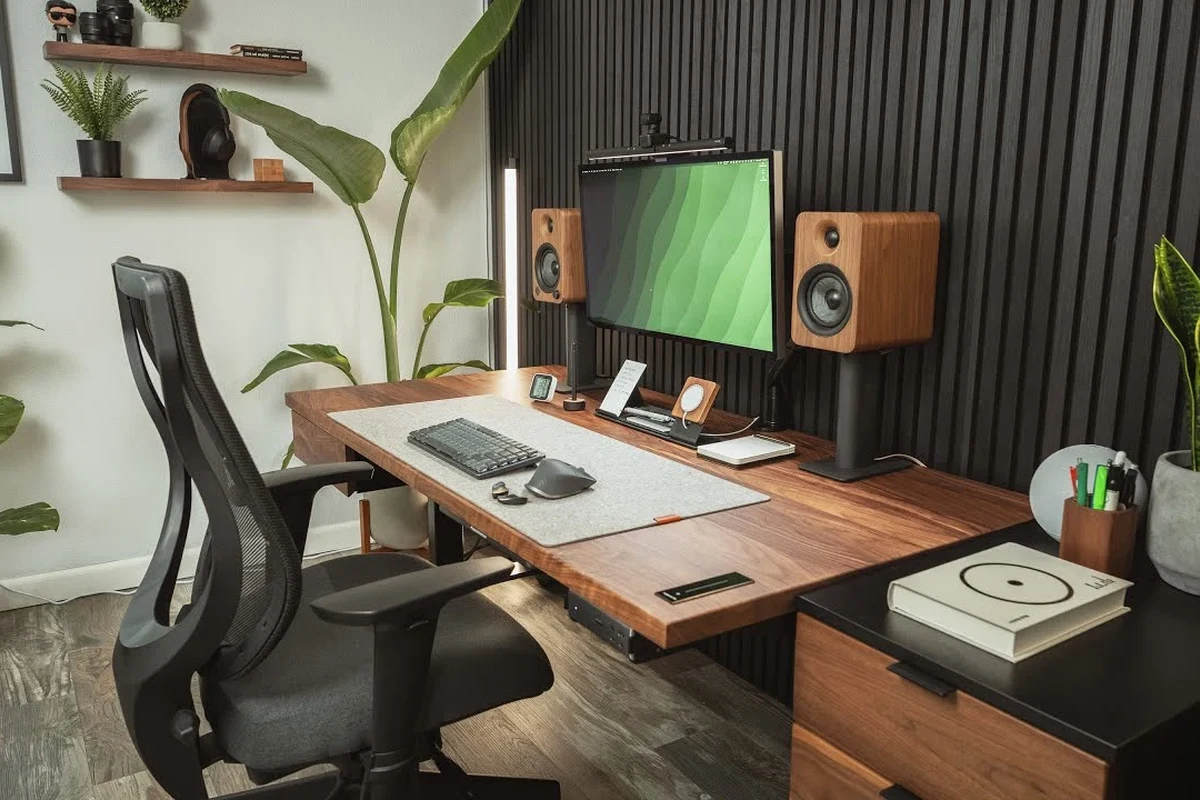
This fan makes the most sense for buyers who care more about quiet, nearby airflow than maximum blast power. It is a practical fit for home offices, study areas, and bedrooms where a low-noise fan can improve comfort without becoming a distraction.
That said, “ultra-quiet” is a relative term, and real-world noise depends on speed setting, room acoustics, and how stable the surface is. If your main goal is cooling a larger room or pushing air across a long distance, a bigger tower fan or floor fan may be the better match.
What this review will cover: performance, noise, size, safety, and value
Because verified first-hand testing is not available here, this guide focuses on practical buying criteria and what to confirm in the official product listing or manual. You will find guidance on airflow, footprint, power use, placement, cleaning, and the trade-offs that matter most in everyday use.
What the Meacofan 1056 Is and How It Works
Desk fan design, airflow pattern, and ultra-quiet motor basics
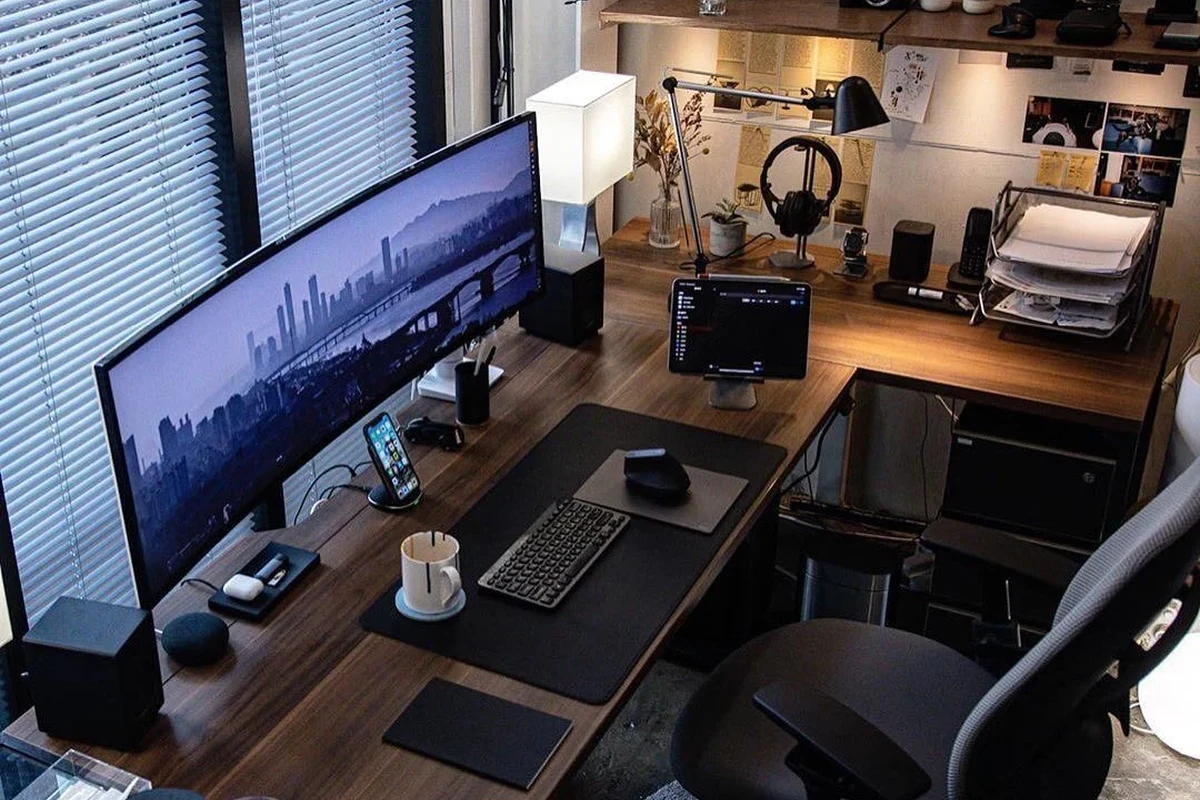
A desk fan is designed to create a focused stream of air at close range. In a compact model like the Meacofan 1056, the blade size, grille design, motor efficiency, and speed control all affect how far the airflow reaches and how soft or noticeable the sound feels.
“Ultra-quiet” usually points to a motor and blade profile designed to reduce turbulence and vibration. In practice, that can help in quiet settings such as calls, reading, or sleep, but the actual noise output still depends on the fan’s build quality and the speed you choose.
Manufacturer wording about quiet operation is not the same as an independent decibel measurement. If low noise is your top priority, check the official specs, user manual, and retailer details for any verified sound claims.
Where a compact desk fan fits compared with tower fans and clip-on fans
Compared with a tower fan, a desk fan is usually smaller, easier to place, and better for personal airflow. Tower fans often spread air more broadly, while clip-on fans are better when you need to save surface space or attach airflow to a shelf, crib rail, or workstation edge.
The Meacofan 1056 should be judged on personal comfort, not whole-room coverage. If you need a fan that stays out of the way on a desk or bedside table, this category is often more convenient than a larger standing unit.
Key Specifications and Buying Criteria to Check Before You Buy
Dimensions, weight, oscillation, speed settings, and tilt range
Before buying, confirm the fan’s exact dimensions and weight so you know whether it will fit on a desk, dresser, or nightstand without crowding other items. A compact base is helpful, but the real test is whether the fan can sit securely while still aiming air where you need it.
Also check whether the model oscillates, how many speed settings it offers, and how far the head tilts. Those details affect both comfort and flexibility, especially if you want the airflow to reach your face, torso, or bed without constantly repositioning the unit.
Power draw, rated wattage, cable quality, and plug-in setup details
For a plug-in desk fan, the rated wattage matters because it helps you estimate energy use and compare efficiency with other models. The exact power draw should be confirmed in the product specs, since fan motors and speeds can vary by region or version.
Also inspect the cable length, plug type, and whether the cord feels appropriate for the intended setup. A short or thin cable can make placement awkward, while a longer cord can be more convenient if the nearest outlet is not close to your desk or bed.
Measure the distance from your intended placement spot to the nearest outlet before you buy. That small check can prevent awkward cord routing and reduce the temptation to use unsafe extension-cord setups.
Noise level claims, build materials, and warranty details to verify
Noise claims are only useful when you know how they were measured and at what speed. A fan that sounds quiet on low may still be noticeable on high, so it helps to look for any decibel information, testing conditions, or user guidance in the manual.
Build materials matter too. A sturdier grille, stable base, and well-fitted housing can reduce rattling over time. Finally, confirm the warranty length, what it covers, and whether support is handled by the seller or manufacturer.
Who the Meacofan 1056 Fits Best
Home office users, students, nightstand use, and small-room cooling needs
This type of fan is a good match for people who want a gentle breeze while working, studying, or sleeping. It can also be useful in apartments, dorm rooms, and shared spaces where a large fan would feel bulky or too disruptive.
For remote workers and students, the main appeal is comfort without distraction. If you spend hours at a desk and want airflow during calls, reading, or writing, a quiet compact fan is often more practical than a louder, higher-output model. For more home-office gear ideas, see our guide to best Samsung chargers for Galaxy S24 Ultra if you are also organizing a desk setup around charging needs.
Best scenarios for personal airflow versus whole-room cooling
Personal airflow works best when the fan is aimed at the person who needs cooling. That can make a room feel more comfortable even if the thermostat has not changed, because moving air helps sweat evaporate and can reduce the sensation of heat.
Whole-room cooling is a different job. If your space is large, poorly ventilated, or already hot from electronics, cooking, or sunlight, a desk fan may help at the margins but will not replace a stronger cooling solution.
Who should skip it: larger rooms, strong heat loads, or portability-first buyers
Skip this style of fan if you need broad circulation for a living room or open-plan area. It is also not the best choice if you want a travel fan that folds flat, runs on battery power, or clips to unusual surfaces.
If your desk is already crowded with accessories, you may prefer a slimmer clip-on model or a fan with a smaller footprint. The right choice depends less on brand name and more on how and where you plan to use it.
Real-World Benefits and Practical Trade-Offs
Why ultra-quiet operation matters for sleep, calls, and focused work
Quiet operation matters because background noise can wear on you over time. A fan that stays unobtrusive during sleep or video calls can improve comfort without forcing you to turn up music, speak louder, or constantly adjust the room.
That benefit is especially noticeable in bedrooms and shared workspaces. Even a modest airflow can feel more pleasant if the sound profile is smooth rather than harsh or rattly.
For many people, a fan can improve perceived comfort even when it does not lower the room temperature, because moving air helps the body lose heat more efficiently.
Airflow comfort, energy efficiency, and everyday convenience
Small desk fans are usually more energy-efficient than running a full-size cooling appliance, especially when you only need airflow for one person. That makes them a sensible everyday comfort tool for desks, bedsides, and compact rooms.
Convenience is another advantage. A lightweight fan is easy to reposition, and a simple plug-in design usually means fewer setup steps than a connected smart appliance. If you are building a practical comfort setup, it can pair well with other desk essentials such as a reliable charger or cable management. You can also compare it with other home power accessories like our roundup of MagSafe power banks for Samsung S25 Ultra if your workspace needs both cooling and portable charging.
Limitations: coverage area, speed ceiling, and expectations versus larger fans
The biggest limitation is coverage. A compact fan can feel great at arm’s length but lose effectiveness as distance increases. If you expect a desk fan to cool an entire bedroom from across the room, you may be disappointed.
Speed ceiling matters too. Higher speeds can move more air, but they may also increase noise and vibration. The best compact fan is one that offers a usable low setting and a strong-enough top setting without becoming annoying.
- Compact enough for desks and nightstands
- Useful for personal airflow and close-range comfort
- Potentially quiet enough for calls or sleep settings
- Not designed for whole-room cooling
- Noise and airflow can vary by speed and placement
- Exact specs and warranty details still need verification
Setup Guide, Safe Use, and Common Mistakes
Placement tips for stable airflow and reduced vibration
Place the fan on a level, stable surface so the base does not wobble or amplify vibration. Keep it far enough from the edge of a desk or nightstand that it cannot be knocked off by a sleeve, book, or pet tail.
Angle the fan so airflow reaches you directly without needing the highest speed all the time. That often improves comfort while keeping noise lower.
Use a flat desk, shelf, or bedside table with enough clearance around the grille and base.
Adjust tilt and direction first so you do not need to handle a moving fan.
Increase speed only if you need more airflow, since lower settings often stay quieter.
Safe cord routing, inspection of the power cable, and avoiding overheating
Route the cord so it does not cross a walking path or get trapped under furniture. If the cable is pinched, frayed, or unusually warm, stop using the fan and follow the manufacturer’s safety guidance.
Keep the fan’s vents and grille unobstructed so the motor can move air properly. If the unit is placed too close to a wall or soft fabric, airflow can be restricted and the fan may work harder than intended.
Stop using any fan with damaged wiring, a loose plug, a burning smell, or overheating parts. Follow the official manual and do not attempt electrical repairs unless the manufacturer explicitly authorizes them.
Common mistakes: blocking vents, overusing extension cords, and poor positioning
One common mistake is assuming a higher speed always solves a comfort problem. In many rooms, better placement does more than maximum output.
Another mistake is relying on a cheap or overloaded extension cord. If you must use one, make sure it is rated appropriately and used according to the fan’s manual and local electrical guidance. Also avoid placing the fan where curtains, papers, or bedding could be pulled into the grille.
Maintenance, Cleaning, and Storage Tips
How to clean blades, grille, and exterior without damaging components
Always unplug the fan before cleaning. Use a soft cloth for the exterior and follow the manual for grille access, because some models allow easier dust removal than others.
If the grille can be opened safely according to the manufacturer, remove dust carefully with a dry microfiber cloth, soft brush, or vacuum attachment on a low setting. Avoid liquid cleaners on electrical parts unless the manual specifically says they are safe.
When to inspect for dust buildup, wobble, unusual noise, or wear
Dust buildup can affect both airflow and sound quality, so check the fan regularly during heavy-use seasons. If you notice wobble, rattling, or a change in motor noise, that is a sign to inspect the unit more closely.
Unusual noise may come from loose parts, debris, or wear in the motor assembly. If the fan becomes louder over time, do not ignore it—clean it first, then consult the manual or support resources if the problem continues.
Off-season storage guidance and replacement considerations for worn parts
Before storing the fan, clean it thoroughly and let it dry completely. Wrap the cord loosely rather than tightly bending it, and keep the unit in a dry location away from heavy items that could deform the grille.
If a removable part wears out, check whether the manufacturer offers replacements or service options. For the safest long-term use, replacement should follow the brand’s official guidance rather than improvised repairs.
Meacofan 1056 vs. Alternatives: What to Compare Before Deciding
Comparison points: noise, airflow, size, controls, energy use, and price
When comparing the Meacofan 1056 with other desk fans, focus on the features that affect daily use rather than marketing language. Noise, airflow strength, base size, tilt control, oscillation, and power consumption are the most useful comparison points.
Price also matters, but it should be weighed against build quality and support. A slightly more expensive model can be the better value if it offers a sturdier base, better controls, or a more reliable warranty.
| Option | Best For | Key Consideration |
|---|---|---|
| Meacofan 1056-style desk fan | Personal airflow at a desk or bedside | Confirm quietness, size, and tilt before buying |
| Cheaper basic desk fan | Budget shoppers | May be louder or less refined in build quality |
| Tower fan | Broader room circulation | Larger footprint but better for shared spaces |
| Clip-on fan | Tight spaces or flexible mounting | Great for saving surface space, but check mounting stability |
When a cheaper desk fan makes more sense
A cheaper fan can be the smarter choice if you only need occasional airflow and do not care about premium quietness or finish. It may also make sense if the fan will be used in a garage, workshop, or other area where background noise is less important.
Just remember that lower price sometimes means more vibration, simpler controls, or shorter warranty coverage. If those trade-offs will bother you every day, paying a bit more may be worth it.
When to upgrade to a smarter, stronger, or more adjustable cooling option
Upgrade if you need remote control, smart-home features, stronger oscillation, or better room coverage. You may also want a different category of fan if you need battery power, folding portability, or more precise airflow direction.
For buyers comparing power-related accessories alongside cooling devices, it helps to read product-specific compatibility notes carefully. The same habit applies when checking chargers, fans, and other home gadgets: verify the exact model, not just the brand family.
Final Recommendation: Is the Meacofan 1056 Ultra-Quiet Desk Fan a Good Buy?
Transparent verdict based on use case, value, and evidence limits
The Meacofan 1056 ultra-quiet desk fan looks like a sensible buy for anyone who wants focused personal cooling in a small footprint, but the value depends on the exact specs and build quality. Since verified hands-on testing is not available here, the safest recommendation is to treat it as a promising desk fan only if the official details confirm the noise level, size, power use, and warranty you need.
Best-fit buyer profile and the main reason to choose it in 2026
Choose this fan if your top priority is quiet, close-range airflow for a desk, bedside table, or compact room. If you need broader coverage, portability-first design, or stronger cooling output, compare it against a tower fan or clip-on alternative before deciding.
Buyers who want a compact, likely low-noise desk fan for personal comfort and are willing to verify the exact specs, warranty, and placement fit before purchase.
- Confirm the exact model number, dimensions, oscillation, tilt range, and speed settings
- Verify noise claims, wattage, cable length, plug type, and warranty terms in the official listing or manual
- Check placement space, outlet distance, and safe cord routing before setup
- Inspect the unit regularly for dust, wobble, unusual noise, or cable wear
Frequently Asked Questions
It is best for people who want personal airflow at a desk, nightstand, or small workspace. It is less suitable for cooling large rooms or open-plan areas.
Check dimensions, weight, oscillation, speed settings, tilt range, wattage, cable length, and warranty terms. Also confirm any official noise claims in the product listing or manual.
It can be a good choice if the low-speed setting is quiet enough for your room. Placement matters, so keep it stable and aimed at your sleeping area without blocking vents.
Unplug it first, then wipe the exterior with a soft cloth and remove dust from the grille according to the manual. Check regularly for dust buildup, wobble, unusual noise, or cable wear.
A compact desk fan has a limited coverage area and cannot replace whole-room cooling. Higher speeds may also increase noise and vibration.
Stop using the fan if you notice frayed wiring, overheating, a burning smell, or a loose plug. Follow the manufacturer’s safety guidance and do not attempt electrical repairs unless officially authorized.