Can Rain Affect Tire Pressure Sensor
Yes, rain can contribute to tire pressure sensor warnings, but it usually exposes an existing tire, valve, or sensor issue rather than causing damage by itself. The safest first step is to check the actual tire pressure with a gauge and inspect the valve area before assuming the TPMS is faulty.
Yes—rain can sometimes contribute to tire pressure sensor problems, but it usually does not “break” a healthy TPMS on its own. More often, wet weather exposes an existing issue such as a weak battery, corroded valve stem, damaged seal, or a tire that was already losing pressure.
- Rain is usually an indirect factor: It often reveals low pressure, corrosion, or a weak sensor battery.
- Direct TPMS is more vulnerable: It has wheel-mounted hardware that can age or corrode.
- Always verify with a gauge: Dashboard warnings should be confirmed against the door-jamb pressure spec.
- Persistent alerts need diagnosis: A reset may help, but recurring warnings can signal a leak or failing sensor.
Can Rain Affect Tire Pressure Sensor? Quick Answer and What Drivers Should Know
Rain can affect tire pressure sensor behavior indirectly by creating moisture, splash, and temperature changes around the wheel area. In most vehicles, the sensor itself is designed to operate in normal wet conditions, so a warning after rain often points to a tire pressure change or a hardware issue that the weather made easier to notice.
If the warning appears only after driving through heavy rain, puddles, or a car wash, don’t assume the sensor is bad right away. A manual pressure check is the safest first step because low pressure, a slow leak, or a damaged valve can look like a sensor fault from the driver’s seat.
How Tire Pressure Sensors Work in Wet Weather
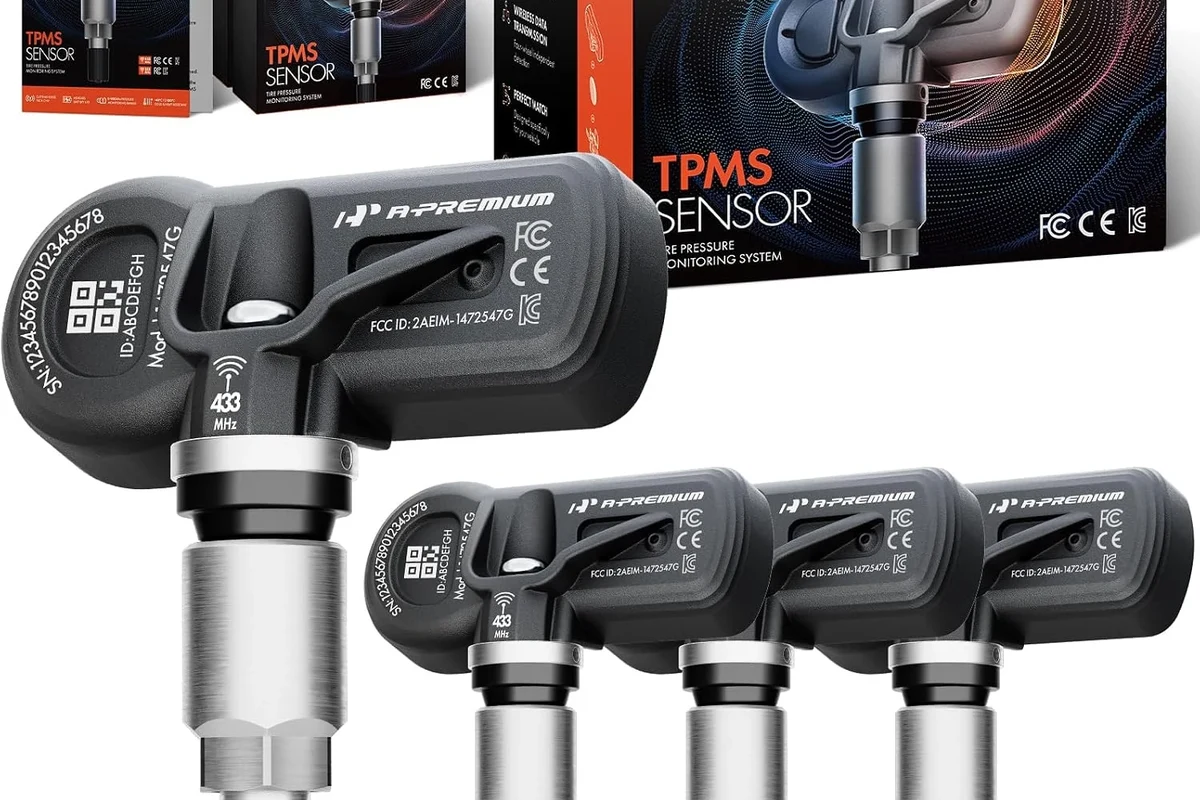
Tire pressure monitoring systems are built to live inside a harsh environment: heat, vibration, road grime, and occasional water exposure. That said, wet weather can still affect the parts around the sensor, especially the valve stem, seal, wheel well, and the signal path used to report pressure data to the vehicle.
TPMS basics: direct vs. indirect sensors
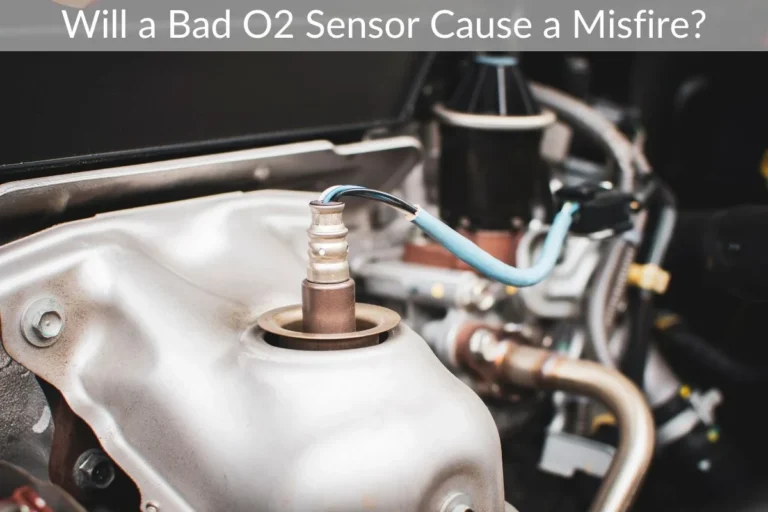
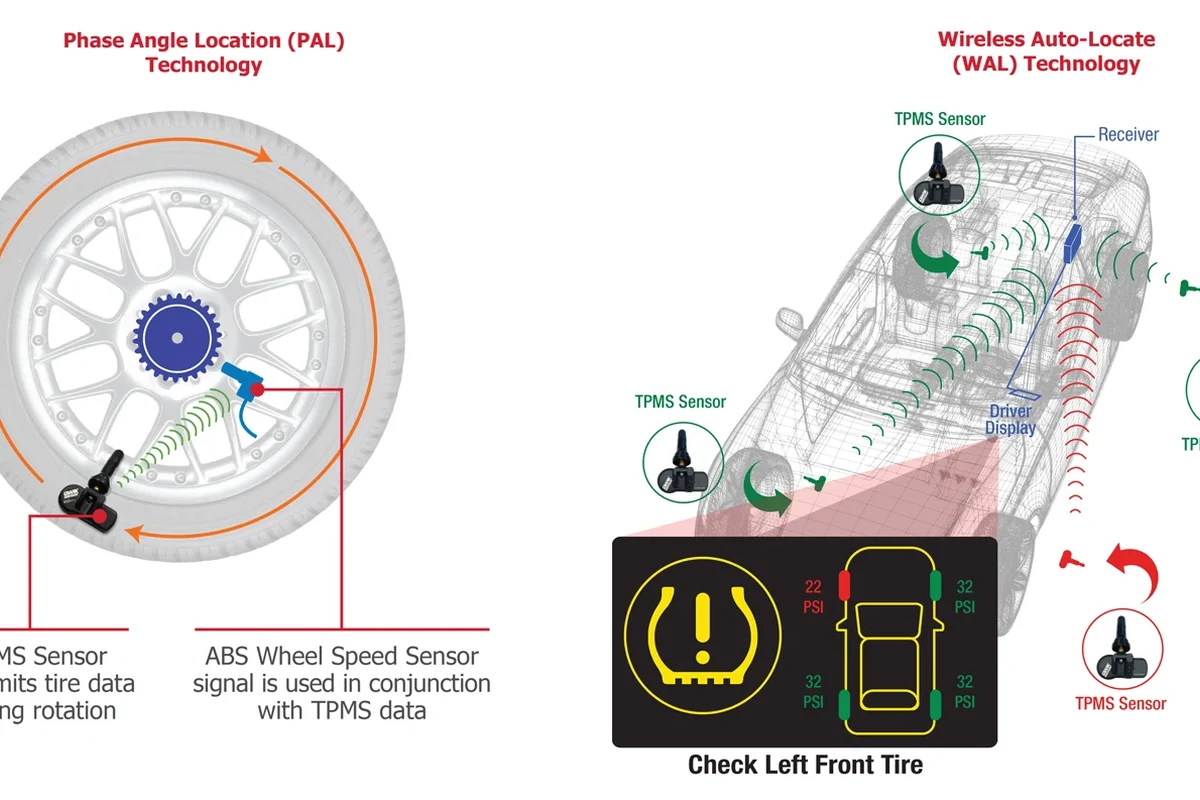
Most vehicles use one of two TPMS designs. Direct TPMS uses a pressure sensor inside each wheel, often attached to the valve stem or banded inside the rim, while indirect TPMS estimates pressure changes by looking at wheel speed differences through the ABS system.
Direct systems are more likely to show a sensor-related issue because each wheel has hardware that can age, corrode, or lose battery life. Indirect systems usually do not have a pressure sensor at the wheel, so rain is less likely to affect the “sensor” itself and more likely to reveal a real tire pressure change or a calibration problem.
What rain can and cannot interfere with
Rain cannot usually penetrate a properly sealed TPMS sensor and instantly disrupt it. However, water can affect the valve area, accelerate corrosion on metal parts, and make an already marginal seal or crack show symptoms faster.
TPMS behavior varies by vehicle make, wheel design, and sensor model. If the warning is persistent, check the owner’s manual and the vehicle’s official TPMS reset procedure before assuming the sensor is defective.
Can Rain Trigger False Alerts or Sensor Errors?
Yes, but “false alert” is often a shorthand for a real condition that rain helped reveal. A sudden temperature drop during rain can lower tire pressure enough to trigger a warning, and moisture can also expose a weak battery or intermittent connection in a direct sensor.
Common wet-weather warning patterns
Drivers commonly notice a TPMS light after a storm, after driving through standing water, or the morning after a rainy night. In many cases, the pressure warning appears because cooler air lowers tire pressure slightly, especially if the tires were already near the recommended limit.
A blinking TPMS light, a message that says “sensor fault,” or a warning that comes and goes can point to a communication issue rather than low pressure alone. Still, the first check should always be the actual tire pressure, not the dashboard message.
When the issue is the sensor, valve stem, or tire pressure itself
If one tire is lower than the others, the problem may be a puncture, a slow bead leak, or a valve stem issue rather than the electronics. If all tires are low after a temperature drop, the weather likely changed the pressure enough to trigger the system.
If the warning stays on even after pressures are corrected, then the sensor, battery, or relearn process may need attention. On direct TPMS vehicles, a cracked valve stem or corroded sensor mount is a common mechanical cause that can show up after exposure to rain and road salt.
Key Conditions That Make TPMS More Vulnerable in Rain
Rain by itself is usually not the root cause. The bigger risk is a combination of water, age, corrosion, and repeated temperature swings that weaken parts already near the end of their service life.
Damaged seals, corroded valves, and aging batteries
Direct TPMS sensors are sealed, but the rubber or metal valve components around them can age. Once seals crack or corrosion starts, moisture can worsen the problem and make the sensor read erratically or stop transmitting altogether.
Battery life also matters because many direct sensors use a sealed internal battery that cannot be replaced separately. When that battery weakens, the sensor may fail intermittently, and wet weather can make the issue seem worse by increasing electrical instability around the wheel assembly.
Stop driving on a visibly damaged tire or a wheel with a loose, broken, or leaking valve stem and get it inspected promptly. Water exposure can hide a slow leak, but it does not make an unsafe tire safe to continue using.
Road splash, standing water, and temperature swings
Road splash and standing water can wash dirt into the valve area or around the wheel, especially on older vehicles or wheels with worn hardware. That does not usually harm a healthy sensor, but it can speed up corrosion on exposed metal parts.
Temperature swings matter because rain often arrives with cooler air. Even a modest drop in temperature can lower tire pressure enough to trigger a warning, especially if the tires were filled close to the minimum recommended level.
How to Diagnose a TPMS Issue After Rain
Start with the simplest checks first. A TPMS warning after rain should be treated as a tire safety question before it becomes a sensor troubleshooting problem.
Step-by-step checks for drivers
Compare each tire to the pressure listed on the driver’s door placard, not the number molded into the tire sidewall.
Inspect the tire tread, sidewall, and valve area for nails, cuts, bent stems, or signs of air loss.
If pressure is low, inflate to the recommended level before continuing, or have the tire checked if you suspect a puncture.
Some vehicles need a TPMS reset after inflation or rotation, while others relearn automatically after driving.
When to use a gauge, reset procedure, or scan tool
A handheld gauge is the most important tool because it confirms whether the tire is actually low. If the pressures are correct but the warning remains, use the vehicle’s official reset procedure from the manual.
A scan tool may be useful on some direct TPMS vehicles, but the right tool and process vary by model. If you are unsure, a tire shop or dealership can read sensor IDs, check battery status where supported, and confirm whether the system needs relearning.
Check tire pressure when the tires are cold if possible, because driving heats the air inside the tire and can distort the reading. If you must check after driving, follow the vehicle manual and use the same method consistently.
Who This Matters Most For: Daily Drivers, Off-Road Vehicles, and Older Cars
Some drivers are more likely to notice rain-related TPMS quirks than others. The vehicle’s age, wheel condition, and sensor design matter as much as the weather.
Vehicles with direct TPMS
Direct TPMS vehicles are the most sensitive to hardware aging because each wheel has a real sensor assembly. Older sensor batteries, corroded valve stems, and damaged seals are more likely to show up as intermittent warnings after rainy driving.
This matters especially for daily drivers who park outside, commuters in wet climates, and vehicles exposed to road salt. The system may be fine most of the time, then start acting up when moisture and temperature changes stress weak parts.
Vehicles with indirect TPMS
Indirect TPMS is less exposed to water-related hardware failure because it does not rely on a sensor inside each wheel. However, it can still give warnings if tire pressure drops, tires are rotated without recalibration, or the system has not been reset properly.
For older cars with indirect systems, a rain-related warning is often a calibration or pressure issue rather than a sensor failure. That makes the owner’s manual especially important because reset steps differ widely by brand.
Prevention, Maintenance, and Safe Use Tips
Good maintenance reduces the chance that rain will trigger a confusing TPMS warning. The goal is not to make the system waterproof—it already should be—but to keep the tire, valve, and sensor assembly in good condition.
Inspecting valve stems, caps, and sensor seals
Look at the valve stem when you check tire pressure. A cracked rubber stem, a bent metal stem, or a missing cap can let dirt and moisture collect where they should not.
Valve caps matter more than many drivers realize because they help keep debris out of the valve core. They are not a replacement for a proper seal, but they are a simple layer of protection that can help in wet or dirty conditions.
- Check pressures monthly and before long trips, especially during rainy season or temperature swings.
- Replace damaged valve caps and inspect stems whenever tires are rotated or serviced.
- Keep a reliable gauge in the glove box or trunk for quick verification after a warning light appears.
- Ask for TPMS service during tire replacement so worn seals or sensors can be addressed together.
Keeping tires inflated and avoiding common mistakes
Underinflation is one of the most common reasons TPMS lights come on after weather changes. Keeping tires at the recommended pressure helps reduce false-looking alerts and improves tire wear, braking, and fuel efficiency.
Do not ignore a warning just because it appeared after rain. Also avoid overinflating to “beat” the warning, since too much air can create its own handling and wear problems. If the warning persists after a correct inflation check, the system needs further diagnosis rather than guesswork.
Never drive on a tire that is visibly damaged, rapidly losing air, or severely underinflated. If water, debris, or corrosion is involved, have the wheel inspected by a qualified tire professional instead of forcing a reset.
Final Recommendation: What to Do If Rain Seems to Affect Your Tire Pressure Sensor
If rain appears to affect your tire pressure sensor, treat the situation as a tire and TPMS check, not just an electronics glitch. Start by verifying actual tire pressure, then inspect the valve area and follow the manufacturer’s reset procedure if pressures are correct.
If the warning returns, the likely causes are a slow leak, a worn valve stem, a corroded direct sensor, or an aging sensor battery. Rain is often the trigger that exposes the problem, not the true cause.
When DIY is enough and when to visit a tire shop
DIY is usually enough when you only need to confirm pressure, add air, or perform a manual TPMS reset from the owner’s manual. That is also the right first step if the warning appeared after a temperature drop or a rainy commute.
Visit a tire shop if the light stays on after pressures are corrected, if one tire keeps losing air, if the valve looks damaged, or if the vehicle needs a sensor diagnosis or relearn. A professional inspection is the safest choice when you suspect corrosion, seal failure, or a failing sensor battery.
Frequently Asked Questions
Rain can contribute to TPMS warnings, but it usually does so indirectly. Cooler temperatures, road splash, corrosion, or an existing leak are more common causes than water damaging the sensor itself.
A storm often brings a temperature drop that lowers tire pressure enough to trigger TPMS. It can also expose a slow leak or a weak valve stem that was already close to failing.
Check the actual tire pressure first with a gauge and inspect the tire and valve for damage. If the pressure is correct but the warning remains, the sensor, battery, or reset procedure may need attention.
Direct TPMS can be more prone to age-related issues because each wheel has a sensor, seal, and battery that can wear out. Rain usually exposes those problems rather than creating them.
Many vehicles allow a TPMS reset after the tires are inflated to the recommended pressure, but the exact procedure varies by model. Check the owner’s manual before using a reset button or relearn process.
Go to a tire shop if the warning returns after correct inflation, if one tire keeps losing air, or if the valve stem looks damaged. A shop can inspect for leaks, corrosion, and sensor problems safely.