Can a O2 Sensor Cause a Misfire
Yes, a bad O2 sensor can make an engine run rough enough to seem like a misfire, but it usually is not the actual cause. Start with ignition, fuel, and air leak checks, then confirm the sensor with live data before replacing it.
Yes, a bad O2 sensor can contribute to a rough-running engine that feels like a misfire, but it is usually not the root cause of a true ignition misfire. In most cases, the oxygen sensor affects fuel trim and drivability first, while spark, fuel, or air problems are more likely to create the actual misfire.
- Direct answer: An O2 sensor can affect drivability, but it usually does not create a true.
- Most likely causes: Spark plugs, coils, injectors, vacuum leaks, and fuel pressure problems are more common.
- Best diagnosis: Use OBD2 codes, fuel trims, and live sensor data instead of guessing.
- Replacement rule: Replace the sensor only when the data shows it is slow, biased, contaminated, or.
Can an O2 Sensor Cause a Misfire? Short Answer and What It Really Means
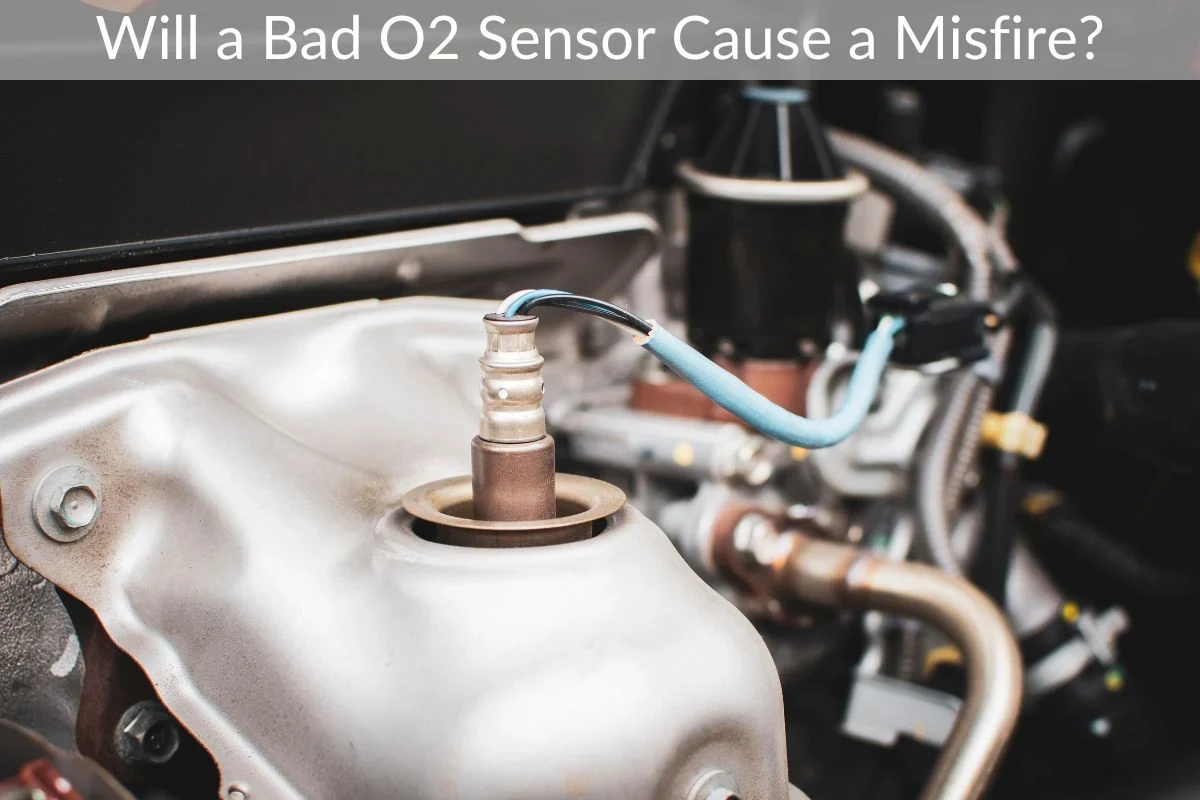
An oxygen sensor does not create spark, so it does not directly cause the cylinder to stop firing. What it can do is send inaccurate exhaust feedback to the engine computer, which may lead to an overly rich or lean mixture that makes the engine stumble, shake, or hesitate.
That distinction matters because the symptom you feel and the fault the car stores are not always the same. A vehicle may show a misfire code, but the underlying issue could be a failing sensor, a vacuum leak, a bad coil, or a fuel delivery problem that the sensor is only reacting to.
How an O2 Sensor Works in the Air-Fuel System
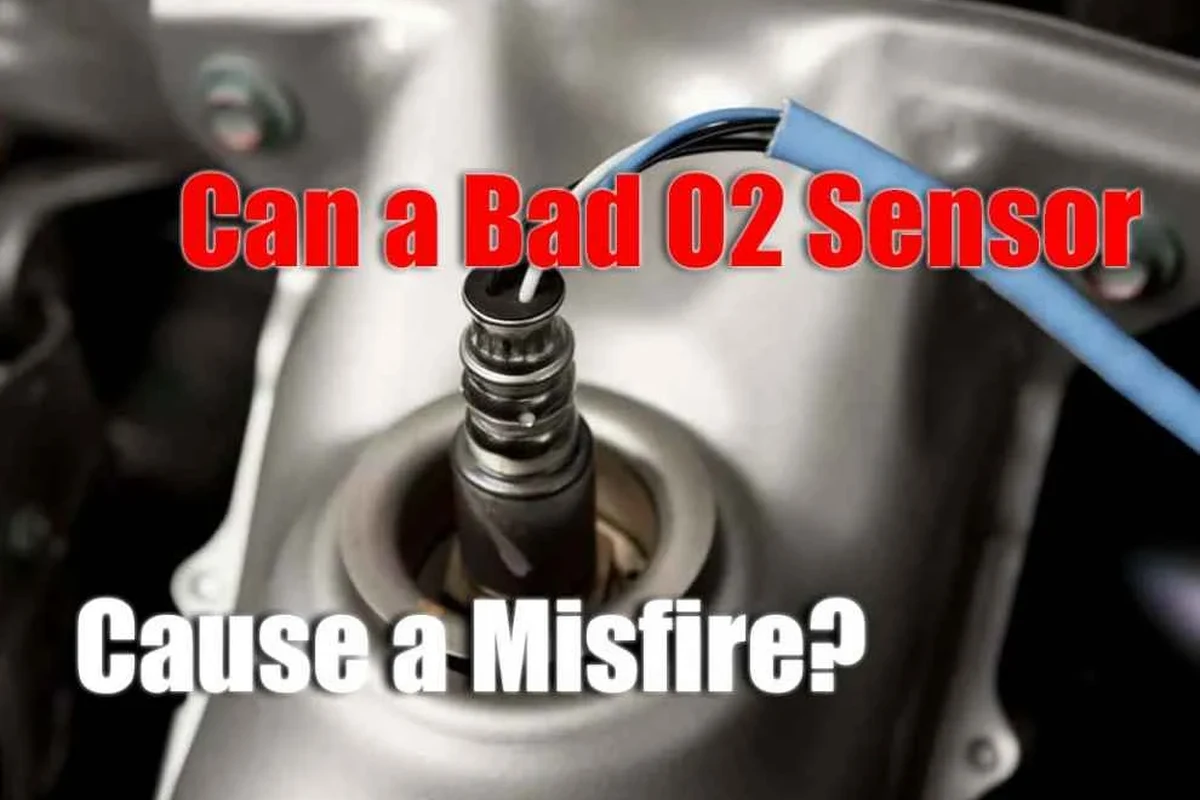
The oxygen sensor measures how much oxygen remains in the exhaust after combustion. The engine control unit, or ECU, uses that information to fine-tune fuel delivery so the engine stays close to the ideal air-fuel ratio for efficiency, emissions, and smooth operation.
Upstream vs. downstream O2 sensors
Upstream sensors sit before the catalytic converter and are the primary sensors used for fuel control on many vehicles. Downstream sensors are usually used to monitor catalytic converter performance, so they generally do not control fuel trim in the same way.
Sensor layout varies by engine, model year, and emissions package. Always confirm the exact sensor position in the service manual or parts catalog before replacing anything.
How the ECU uses sensor data to adjust fuel trim
If the upstream O2 sensor reports a lean condition, the ECU may add fuel. If it reports a rich condition, the ECU may reduce fuel. Those corrections are called fuel trims, and they can make a big difference in how the engine idles, accelerates, and responds under load.
When the sensor is slow, contaminated, or biased, the ECU may overcorrect. That can create drivability symptoms that resemble a misfire even if the ignition system is still working.
When a Bad O2 Sensor Can Look Like a Misfire
A failing O2 sensor can make the engine run poorly enough that drivers describe it as a misfire, especially at idle or during light throttle. The key clue is that the problem often comes and goes, changes with temperature, or improves briefly after the ECU adapts.
Rough idle, hesitation, and poor acceleration
If the mixture is too rich, the engine may load up, smell like fuel, or feel lazy. If it is too lean, it may surge, stumble, or hesitate when you press the gas. Those symptoms can feel very similar to a cylinder-specific misfire, especially from inside the cabin.
Fuel trim problems that mimic ignition issues
High positive fuel trims often mean the ECU is adding fuel to compensate for a lean condition. High negative trims mean it is pulling fuel because it sees a rich condition. Either situation can cause rough running, but the sensor may be reacting to another problem rather than causing it.
Common Misfire Causes That Are More Likely Than the O2 Sensor
In real-world diagnosis, ignition and fuel system issues are usually more likely than the O2 sensor itself. That is why a misfire should be approached as a system problem, not a single-parts problem.
Ignition components: spark plugs, coils, wires
Worn spark plugs, weak coil packs, damaged plug wires, and poor connections are among the most common misfire causes. These parts directly affect whether the cylinder fires, so when they fail, the engine can shake, buck, or flash a check engine light.
If the misfire is limited to one cylinder, ignition parts rise even higher on the suspect list. That pattern is much less consistent with an O2 sensor issue, which usually affects fuel control across the engine rather than one cylinder alone.
Fuel delivery problems: injectors, pressure, contamination
A clogged injector, low fuel pressure, dirty fuel, or a failing fuel pump can all create lean or inconsistent combustion. Those conditions can trigger both misfire symptoms and fuel trim corrections, which is why the O2 sensor may appear guilty even when it is not.
Air leaks, vacuum leaks, and sensor errors elsewhere
Unmetered air entering the engine through vacuum leaks, intake leaks, or cracked hoses can make the mixture lean. Faulty mass airflow readings, coolant temperature sensor errors, or throttle body issues can also confuse the ECU and create misfire-like behavior.
If the engine runs worse only at idle or only under load, note that pattern before replacing parts. Symptom patterns often point you toward vacuum leaks, ignition faults, or fuel delivery problems faster than a generic code scan alone.
How to Diagnose the Real Problem Safely
The safest and most effective approach is to read the codes, inspect live data, and compare the symptoms to the engine’s actual behavior. That helps separate a true misfire from a mixture problem that only feels like one.
Reading OBD2 codes and live data
Start with the stored codes, pending codes, and freeze-frame data from an OBD2 scanner. Then check whether the vehicle has cylinder-specific misfire codes, fuel trim codes, O2 sensor codes, or lean/rich mixture codes.
Live data is especially useful because it shows how the sensor and fuel trims behave at idle, cruising speed, and light acceleration. A slow or stuck sensor signal can stand out when you compare it to normal switching behavior.
Checking fuel trims, misfire counters, and sensor response
Fuel trim numbers help show whether the ECU is fighting a lean or rich condition. Misfire counters, if your scan tool supports them, can show whether one cylinder is repeatedly missing or whether the problem is broader.
Look for P0300 random misfire codes, cylinder-specific misfire codes, and O2 sensor or fuel trim codes together.
Compare upstream sensor response, short-term fuel trim, and long-term fuel trim at idle and during a steady drive.
If trims are extreme, inspect for vacuum leaks, fuel pressure issues, or ignition faults before replacing the sensor.
What not to do: parts swapping and guesswork
Replacing an O2 sensor just because the engine runs rough is a common and expensive mistake. If the real issue is a coil, injector, vacuum leak, or exhaust leak, the new sensor may not solve anything and could mask the original problem for a short time.
Stop driving if the check engine light is flashing, the engine is shaking badly, or you smell raw fuel strongly. Severe misfires can damage the catalytic converter and may create a safety risk.
Signs Your O2 Sensor Needs Replacement
An O2 sensor is more likely to be the problem when the codes, live data, and drivability symptoms all point in the same direction. It is not enough for the engine to run poorly; the sensor should show evidence of slow, biased, or implausible output.
Symptoms, mileage, and contamination clues
Common clues include persistent O2 sensor codes, sluggish sensor switching, poor fuel economy, and a scan tool reading that does not match engine behavior. Contamination from oil burning, coolant leaks, silicone sealants, or prolonged rich running can also damage sensor performance.
Physical inspection can help too. Heat damage, wiring issues, corrosion at the connector, or exhaust leaks near the sensor can all affect readings and should be checked before replacement.
How long O2 sensors typically last in real-world use
Service life varies widely by vehicle, engine design, fuel quality, and operating conditions. Some sensors last a long time, while others degrade earlier if the engine runs rich, burns oil, or sees repeated overheating.
Because lifespan is so variable, mileage alone should not be the only replacement trigger. A sensor should be replaced because it has failed diagnostics or clearly degraded, not just because it is old.
Exhaust leaks upstream of the sensor can trick the ECU into thinking the engine is running lean, even when the engine itself is not the original problem.
Replacement Criteria, Cost, and Value in 2026
The value of replacing an O2 sensor depends on whether it is actually failing and whether the correct sensor is selected. A good repair starts with compatibility, not just a part number that looks close.
Compatibility by vehicle make, engine type, and sensor position
O2 sensors are not universal. Fitment can depend on make, model, engine size, emissions package, sensor location, connector shape, and whether the vehicle uses a heated sensor or air-fuel ratio sensor instead.
OEM vs. aftermarket differences, durability, and warranty points to verify
OEM and aftermarket sensors may both work, but quality, connector fit, calibration, and long-term durability can vary by brand and application. Before buying, confirm the exact sensor position, connector style, included hardware, warranty terms, and whether the part is intended for your specific engine family.
When replacing the sensor is worth it—and when it is not
Replacement makes sense when the sensor is proven faulty, contaminated, or slow and the rest of the engine system checks out. It is usually not worth replacing the sensor first if the car has obvious ignition problems, fuel pressure issues, vacuum leaks, or exhaust leaks that could be causing the bad readings.
Replace the O2 sensor when diagnostics show a clear sensor fault or when the sensor is contaminated and the engine has no more likely cause. If the engine has a cylinder-specific misfire, start with ignition and fuel checks instead.
Final Recommendation: What to Fix First If You Suspect a Misfire
If you suspect a misfire, start with the simplest and most likely causes: spark plugs, coils, wires, vacuum leaks, injector issues, and fuel pressure. Use the O2 sensor as part of the diagnosis, not as the first guess.
For DIYers, the best next step is an OBD2 scan plus a careful visual inspection of ignition parts, intake hoses, and sensor wiring. If the engine is flashing, shaking hard, or setting multiple codes that do not make sense together, a mechanic with live-data diagnostics and smoke testing can save time and prevent unnecessary parts replacement.
- An O2 sensor can make an engine run poorly, but it usually does not create a true misfire by itself.
- Ignition, fuel, and air leaks are more common causes and should be checked first.
- Use codes and live data to confirm whether the sensor is bad or just reporting another problem.
- Replace the sensor only when diagnostics support it and the part matches the exact vehicle application.
Frequently Asked Questions
Yes, it can contribute to codes that feel like a misfire by upsetting fuel trim. But a true misfire is more often caused by ignition, fuel, or air leaks.
Rough idle, hesitation, surging, and poor acceleration can all feel like a misfire. Those symptoms often come from mixture problems rather than a cylinder not firing.
Use OBD2 codes, live data, and misfire counters if available. Cylinder-specific misfires usually point more toward plugs, coils, wires, or injectors than the O2 sensor.
Usually no. Check for ignition faults, vacuum leaks, fuel delivery issues, and exhaust leaks first because they are more common causes.
Lifespan varies by vehicle, engine condition, and driving pattern. Mileage alone is not enough to justify replacement; diagnostics should confirm a problem.
Confirm the exact sensor position, connector type, engine code, and compatibility by VIN or manual. Also check warranty terms and whether the part is intended for your vehicle’s emissions setup.