Can Water Damage Crankshaft Sensor
Yes, water can damage a crankshaft sensor or its connector and wiring. If the problem started after rain, flooding, or engine-bay washing, inspect for moisture and corrosion before replacing parts.
A crankshaft sensor can be damaged by water, especially if moisture reaches the connector, wiring, or sensor housing. The result may be a no-start, stalling, rough running, or intermittent signal loss rather than a clearly “broken” sensor every time.
That said, water is not the only possible cause. Similar symptoms can come from a failing sensor, damaged harness, weak battery, ignition issues, or engine control problems, so the safest approach is to inspect carefully before replacing parts.
- Water can be a real cause: Moisture may disrupt the sensor signal, connector, or harness.
- Symptoms overlap: Hard starting, stalling, rough idle, and misfires can also come from other faults.
- Inspection matters: Look for corrosion, cracked housings, loose plugs, and damaged wiring first.
- Replacement must fit: Confirm VIN, engine code, connector style, and mounting details before buying.
- Flooding changes the risk: After major water exposure, avoid repeated start attempts and seek professional diagnosis.
Can Water Damage a Crankshaft Sensor? Quick Answer and What It Means for Your Vehicle
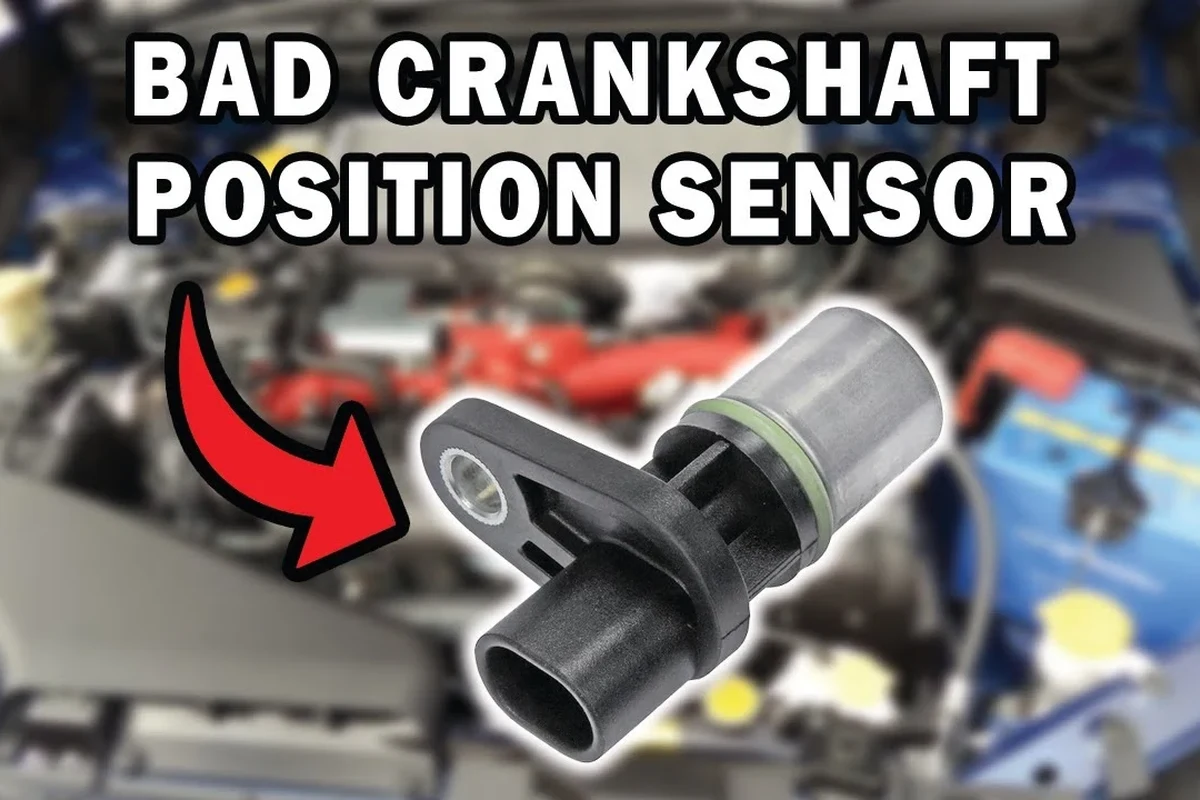
Yes, water can damage a crankshaft sensor or make it act damaged. In many vehicles, the sensor itself is fairly sealed, but the connector, wiring, and nearby engine bay components are still vulnerable to moisture, corrosion, and contamination.
What this means for your vehicle depends on how much water got in and where it went. A brief splash may cause a temporary misread, while flooding or repeated moisture exposure can create lasting electrical resistance, short circuits, or connector corrosion that keeps the engine from starting normally.
If the engine was submerged, exposed to floodwater, or repeatedly cranks without starting after a wet event, avoid repeated start attempts and follow the manufacturer’s guidance before doing more troubleshooting.
How a Crankshaft Sensor Works and Why Moisture Can Disrupt It
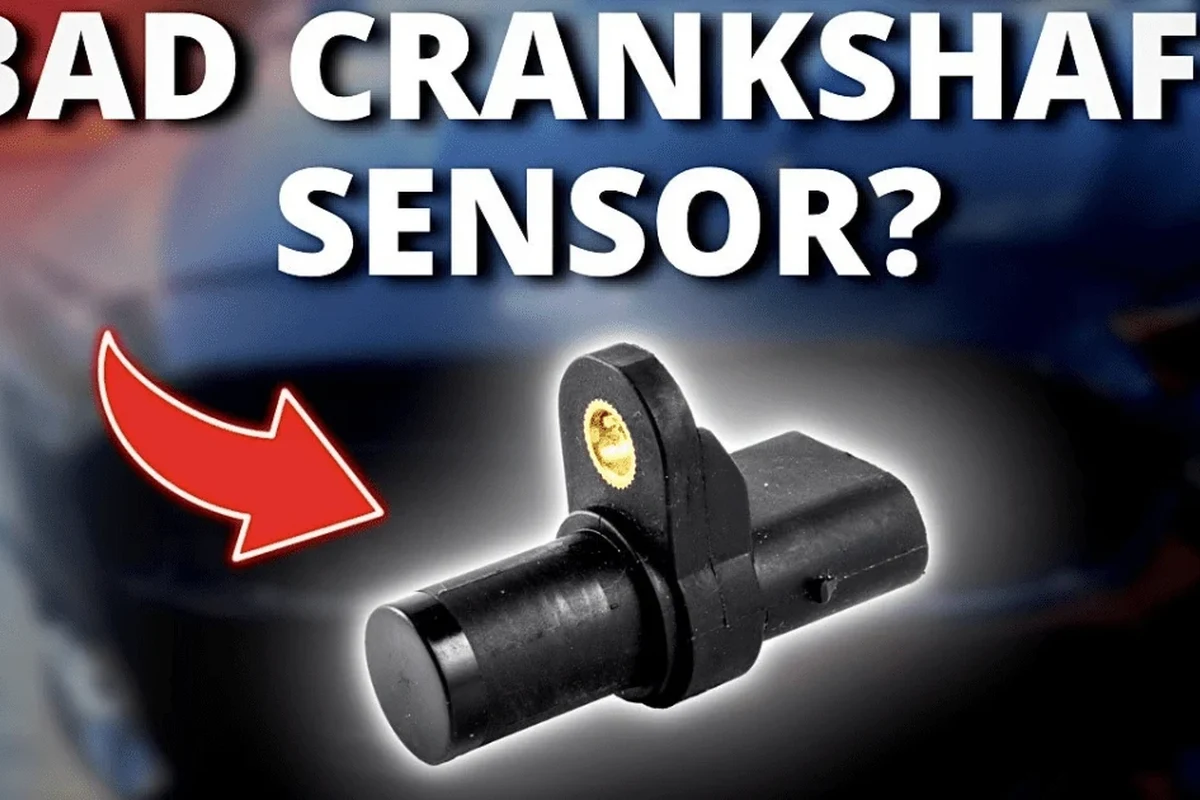
The crankshaft sensor monitors crankshaft position and speed so the engine computer can keep combustion events in sync. It is one of the key inputs the engine control module uses to decide when to fire the spark and when to deliver fuel.
Sensor role in ignition timing, fuel injection, and engine control
In simple terms, the sensor tells the engine computer where the crankshaft is at any moment. That data helps control ignition timing, fuel injection timing, and sometimes idle stability and misfire detection.
If the sensor signal becomes unstable, the computer may not know when to trigger spark or fuel correctly. Depending on the vehicle, that can cause a rough idle, hesitation, an engine stall, or a complete no-start condition.
Why water intrusion can trigger misreads, corrosion, or a no-start condition
Water can interfere in several ways. Moisture in the connector can create an unwanted electrical path, while corrosion on the terminals can weaken the signal or increase resistance enough to confuse the computer.
Some sensors also sit close to the engine block, timing cover, or underbody areas that are exposed to splash and grime. If seals are cracked or the harness insulation is worn, water can travel farther than expected and affect more than one part of the circuit.
Many crankshaft sensor complaints are really connector or wiring problems, not a bad sensor element alone. Moisture often shows up as an intermittent issue before it becomes a full failure.
Common Signs of Water-Damaged Crankshaft Sensor Problems
Water-related sensor trouble often looks like a drivability issue first. The symptoms may come and go, especially if the wiring dries out temporarily or the engine bay heat changes the electrical connection.
Hard starting, stalling, rough idle, and intermittent misfires
Common warning signs include hard starting, cranking without firing, sudden stalling, rough idle, and intermittent misfires. Some drivers notice the problem after rain, washing the engine bay, or driving through deep water.
Intermittent symptoms are especially important because they can point to moisture, loose connectors, or damaged wiring rather than a fully dead sensor. If the vehicle restarts after sitting or drying out, that still does not rule out a serious electrical issue.
Check engine light codes and what they can suggest without confirming the cause
A check engine light may appear with codes related to crankshaft position, engine speed signal, or misfire detection. Those codes can help narrow the area of concern, but they do not prove water is the root cause.
Use the code as a clue, not a final diagnosis. The same code can appear with a failed sensor, a wiring fault, poor battery voltage, or a related ignition problem, so the next step should be inspection and testing rather than guesswork.
What Causes Water Exposure in the First Place?
Most water damage starts with an event that lets moisture reach places it normally should not. The sensor may be protected in everyday driving, but real-world conditions can still overwhelm seals and connectors.
Flooding, heavy rain, pressure washing, engine bay splash, and bad seals
Flooding is the most obvious risk, but it is not the only one. Heavy rain, road splash, deep puddles, aggressive pressure washing, and failed seals can all introduce moisture into the sensor area or the harness that feeds it.
Even small amounts of water can become a problem if they remain trapped. A connector that gets wet and stays wet may corrode over time, especially if dirt, salt, or road chemicals are also present.
Connector damage, harness wear, and location-based vulnerability
Cracks in the connector body, damaged locking tabs, brittle wiring insulation, and rubbing harnesses all make water intrusion more likely. Once the protective layer is compromised, moisture can enter and cause intermittent connection problems.
Location matters too. Sensors mounted low on the engine or near splash zones face more exposure than those tucked higher in the bay. The exact risk varies by vehicle design, so the service manual or wiring diagram is the best reference for your model.
If the problem started after wet weather or a wash, note exactly when the symptoms occur. That timing can help separate a moisture issue from a random sensor failure.
How to Diagnose a Suspected Water-Damaged Crankshaft Sensor Safely
Start with simple checks and work toward more detailed testing. The goal is to confirm whether moisture, corrosion, or wiring damage is present before replacing parts that may still be good.
Visual inspection: moisture, corrosion, cracked housing, and damaged wiring
Look for water inside the connector, green or white corrosion on terminals, cracked plastic, missing seals, and frayed wiring. Also check for dirt trails or dried residue that may show where water entered.
If the sensor is accessible, inspect the mounting area for signs of splash contamination or oil-soaked grime. A damaged seal around the connector or nearby component can allow repeated moisture exposure even if the sensor itself looks intact.
Basic checks: connector fit, resistance, scan tool data, and related components
Make sure the connector locks firmly and does not wiggle loose. A loose fit can mimic a failing sensor, especially when vibration or heat changes the connection.
With the right tools and the vehicle’s service information, a technician may check sensor resistance, signal behavior, or live scan data. Related parts such as the battery, starter, ignition system, and wiring harness should also be considered because they can create similar symptoms.
Test values, connector pinouts, and inspection steps vary by vehicle. Use the official repair manual or manufacturer service information for your exact make, model, engine, and year.
When to stop troubleshooting and get a mechanic involved
Stop and get professional help if the engine will not start after a flooding event, if the wiring is visibly damaged, or if diagnostic results point to a deeper electrical fault. If you are not comfortable testing circuits safely, it is better to avoid accidental damage.
This is especially important when the sensor is difficult to access or when removing nearby parts could affect timing components, seals, or other critical systems. A careful diagnosis is usually cheaper than replacing multiple parts blindly.
Repair, Replacement, and Dry-Out Options: What Actually Helps
Not every moisture-related problem requires immediate replacement, but not every wet sensor can be saved either. The best option depends on whether the issue is temporary moisture, corrosion, or permanent electrical damage.
When drying and cleaning may work versus when replacement is the better choice
If the issue is only surface moisture and there is no corrosion or cracked housing, careful drying and connector cleaning may restore normal operation. That is more plausible after a small splash or brief exposure than after flooding.
Replacement is usually the better choice when terminals are corroded, the connector is damaged, or the sensor signal remains unstable after cleaning. Once the internal electronics or connector pins are compromised, a dry-out often will not solve the problem for long.
- Use the vehicle service manual before unplugging or cleaning anything around the sensor.
- Inspect the connector seal and harness carefully after any wet event.
- Do not keep cycling the starter if the engine is clearly not firing.
Choosing the right replacement sensor: vehicle compatibility, OEM vs aftermarket, and fitment checks
Crankshaft sensors are not universally interchangeable. The right replacement depends on engine code, connector shape, mounting style, and sometimes calibration or signal type.
OEM parts usually offer the safest fitment path, while aftermarket options can be fine if the part number and connector match your vehicle exactly. Before buying, confirm compatibility against the manufacturer catalog, retailer fitment guide, and any notes about engine variants or production dates.
Installation considerations: connector quality, routing, sealing, and torque guidance
During installation, the connector should click securely and the harness should be routed away from heat, moving parts, and sharp edges. If the seal or clip is weak, moisture can return quickly.
Some sensors have mounting torque or gap requirements that matter for signal quality. Always follow the service manual for your vehicle rather than guessing, because over-tightening or incorrect placement can create new problems.
- Check the exact vehicle fitment by VIN, engine code, and connector style
- Confirm whether the problem is moisture, corrosion, wiring damage, or a separate engine issue
- Review the official service procedure for torque, gap, and sealing requirements
How to Prevent Future Water Damage to the Crankshaft Sensor
Prevention is mostly about keeping moisture out and catching small issues before they become electrical failures. A little maintenance can go a long way in wet or salty driving conditions.
Seal inspection, splash shield checks, and keeping the engine bay clean
Inspect connector seals, grommets, splash shields, and nearby wiring during regular maintenance. If any protective part is cracked, missing, or loose, water has a much easier path into the system.
Keeping the engine bay reasonably clean also helps. Built-up grime can trap moisture and hide early corrosion, making it harder to spot problems before they spread.
Avoiding common mistakes like high-pressure washing near sensitive electronics
High-pressure washing near sensors, connectors, and harness junctions is a common mistake. Even if the sensor itself is sealed, pressure can force water into vulnerable areas that normal rain would not reach.
If you clean the engine bay, use the method recommended by the vehicle maker and avoid spraying directly at electrical connectors. Covering sensitive areas only when the manual allows it is safer than improvising.
Maintenance habits that improve reliability in wet climates
In wet or salty climates, periodic inspection matters more than in dry regions. Look for early corrosion, brittle wiring, and damaged clips before they create intermittent failures.
It also helps to address oil leaks, coolant leaks, or missing underbody shields quickly, since contamination and splash exposure can shorten the life of nearby sensors and connectors.
Value, Limitations, and Final Recommendation
Replacing a crankshaft sensor can be worthwhile when the part is clearly faulty or moisture has damaged the connector beyond reliable repair. But if the real issue is wiring, grounding, battery voltage, or engine mechanical trouble, a new sensor alone may not fix the symptom.
When a sensor replacement is worth it and when deeper engine or wiring issues may be the real problem
If inspection shows corrosion, a broken connector, or a sensor that fails testing, replacement makes sense. If the vehicle still has intermittent no-starts after the sensor is replaced, the next suspect is often the harness, related sensors, or the engine control circuit.
That is why diagnosis matters. A water event may have started the problem, but the lasting issue could be hidden wiring damage or another component affected by the same moisture.
Evidence limits, diagnostic uncertainty, and the safest next step for most drivers
Without a proper inspection, it is impossible to say with certainty that water is the only cause. Many symptoms overlap, and some vehicles store generic fault codes that point to the crankshaft signal without naming the exact failure.
For most drivers, the safest next step is a careful visual check, then a scan and wiring inspection using the official service information. If flooding, corrosion, or repeated no-starts are involved, professional diagnosis is the most reliable route.
Transparent verdict: can water damage crankshaft sensor, and what to do about it
Yes, water can damage a crankshaft sensor or the circuit around it, especially through connectors, wiring, and corrosion. If the symptoms began after wet exposure, inspect the system promptly, confirm vehicle-specific compatibility before replacing anything, and stop troubleshooting if the problem appears electrical or flood-related.
Frequently Asked Questions
Yes. Water can affect the sensor, connector, or wiring and cause misreads, corrosion, or a no-start condition.
Hard starting, stalling, rough idle, intermittent misfires, and a check engine light can all point to a problem. These symptoms do not confirm water damage by themselves.
Sometimes, if the issue is only temporary moisture and there is no corrosion or cracked housing. If the connector or terminals are damaged, replacement is usually the safer choice.
Not automatically. First inspect for moisture, corrosion, loose connectors, and wiring damage, because the real issue may be in the harness or another engine system.
Match by VIN, engine code, connector style, and mounting design. Fitment can vary by model, year, engine, and production date.
Get help if the vehicle was flooded, the wiring is visibly damaged, or the engine still will not start after basic inspection. Professional diagnosis is safer when the fault could involve deeper electrical or timing-related issues.