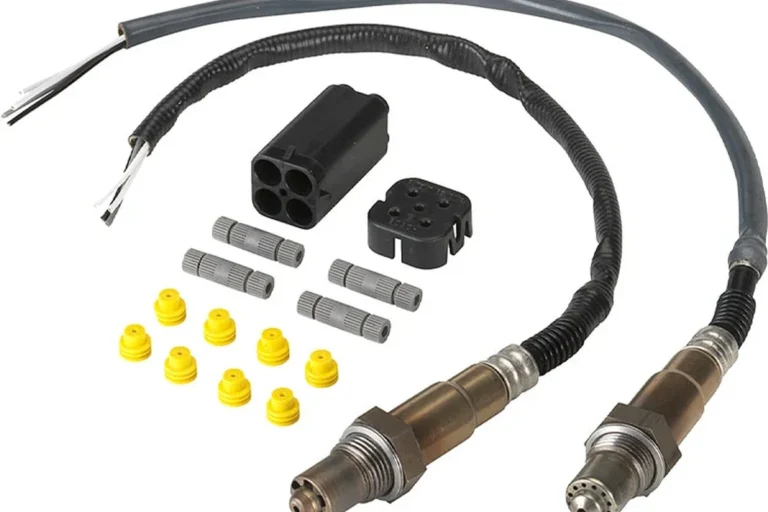
Can Map Sensor Cause No Start
Yes, a faulty MAP sensor can cause a no-start, especially if it sends a wildly incorrect pressure signal during cranking. Still, it is often only one of several possible causes, so diagnosis matters more than guesswork.
Yes, a bad MAP sensor can cause a no-start condition, but it is not the most common cause. More often, it creates hard starting, flooding, or a rough idle that looks like a no-start problem, so the key is confirming the sensor before replacing parts.
- Possible cause: A bad MAP sensor can overfuel or underfuel the engine enough to prevent starting.
- Common clue: Cranking with fuel smell, rough start-and-stall behavior, or wet plugs often points toward mixture.
- Look-alikes: Fuel pump, crank sensor, battery, ignition, and immobilizer faults can mimic MAP sensor symptoms.
- Best first checks: Inspect the connector, vacuum hose, intake leaks, and scan data before replacing the sensor.
- Buying note: Match connector, pressure range, and vehicle compatibility carefully, especially on turbocharged engines.
Can a MAP Sensor Cause a No-Start Condition? The Short Answer
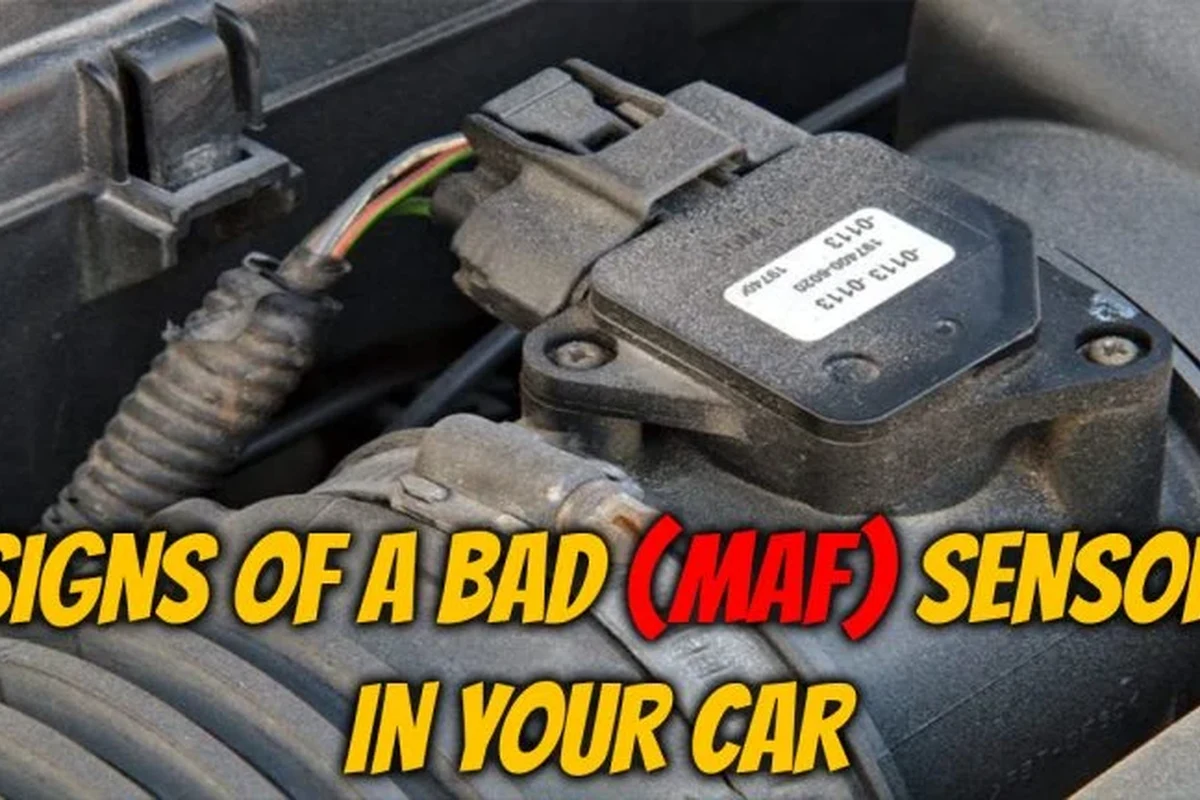
A manifold absolute pressure (MAP) sensor can prevent an engine from starting if it sends the engine control module the wrong pressure signal at crank time. That wrong signal can make the engine run too rich, too lean, or ignore the airflow/load it needs to calculate fuel correctly.
That said, a true no-start is often caused by something else first, such as a weak battery, fuel delivery failure, crank sensor problem, or ignition issue. A MAP sensor is one possible cause, especially when the engine cranks normally but never catches, starts and stalls, or smells strongly of fuel.
How the MAP Sensor Works and Why It Matters for Starting
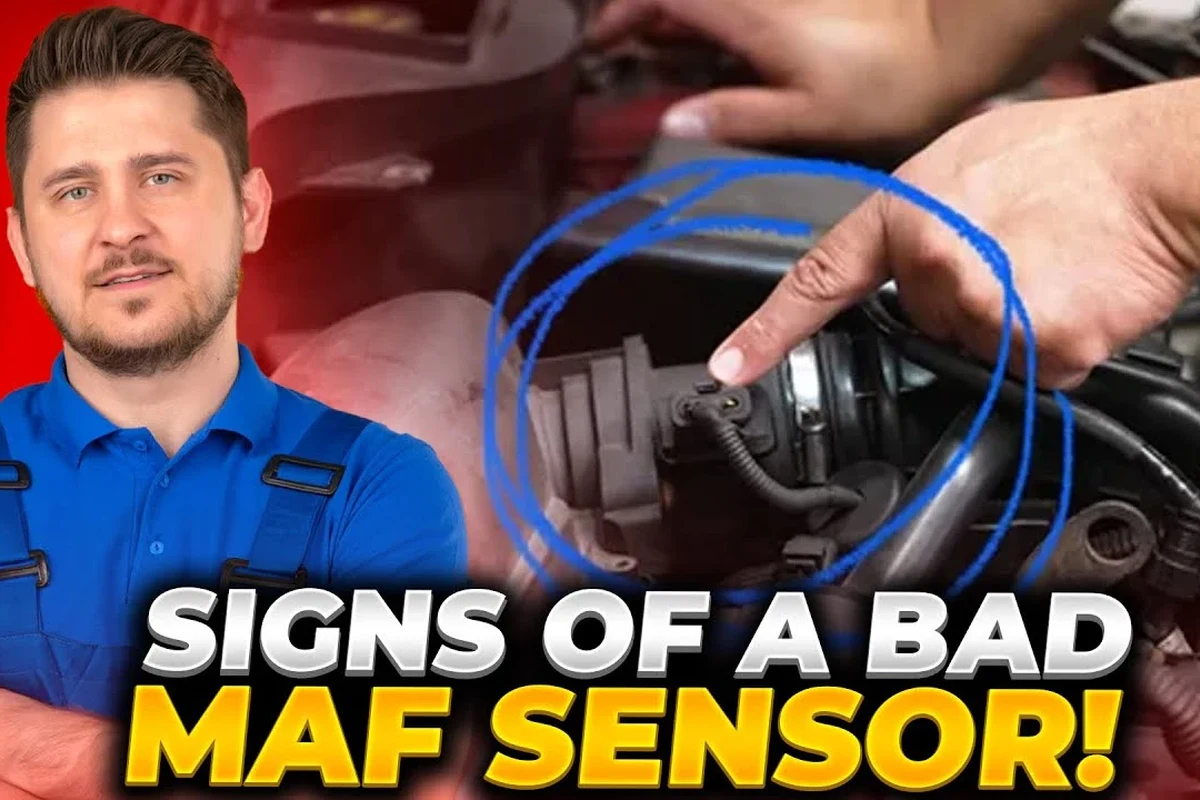
The MAP sensor measures pressure inside the intake manifold. The engine computer uses that reading, along with temperature, throttle position, and engine speed, to estimate how much air is entering the engine and how much fuel to inject.
During cranking, the engine computer depends on a believable pressure signal to choose a starting fuel mixture. If the MAP reading is far off, the computer may deliver too much fuel and flood the cylinders, or too little fuel and leave the mixture too lean to ignite.
On many vehicles, the MAP sensor is especially important during startup because airflow is unstable and the engine has not yet settled into normal running conditions. That makes a bad reading more noticeable at start than at cruise.
Some engines use a MAP sensor as a primary load sensor, while others use it mainly for backup, barometric pressure correction, or turbo boost monitoring.
Symptoms That Point to a Bad MAP Sensor vs. Other No-Start Causes
The best clue is whether the problem looks like a fuel mixture issue. A failing MAP sensor often creates symptoms that change with temperature, cranking time, or vacuum conditions, rather than a total electrical shutdown.
MAP sensor failure signs during cranking, rough idle, and flooding
Common signs include long cranking, an engine that briefly starts and dies, black smoke, fuel smell, rough idle, hesitation, or spark plugs that appear wet with fuel. In some cases, the engine may only start if the throttle is opened slightly, because that changes the air signal enough to help the mixture recover.
If the sensor reads unrealistically high pressure at key-on or cranking, the computer may think the engine is under heavy load and add too much fuel. If the sensor reads unrealistically low pressure, the mixture can go lean enough that the engine will not fire.
- Notice whether the engine cranks strongly but never catches, or starts and stalls after a second or two.
- Pay attention to fuel odor, black exhaust smoke, and wet plugs, since those often point toward over-fueling.
- Check whether the symptom appears only hot, only cold, or after rain or washing, which can hint at wiring or connector trouble.
Common look-alikes: fuel pump, crank sensor, battery, ignition, and immobilizer issues
Several other failures can look like a MAP sensor no-start. A weak battery may crank the engine too slowly for reliable ignition. A bad crankshaft position sensor can prevent spark and injector timing entirely. A failing fuel pump or clogged filter can starve the engine. Ignition coil or spark issues can make the engine crank forever without firing. An immobilizer problem may allow cranking but block fuel or spark depending on the vehicle.
Because these faults overlap, a MAP sensor should not be blamed just because a scan tool shows a code. The code is a clue, not proof.
Some vehicles will set a MAP-related code even when the real problem is a wiring fault, vacuum leak, or disconnected intake hose. Always verify the circuit and the mechanical setup before buying a replacement sensor.
How to Diagnose a MAP Sensor Problem Safely and Accurately
Start with the simplest checks and work outward. That approach saves money and reduces the chance of replacing a good sensor while the real fault remains.
Visual inspection, vacuum hose checks, and connector condition
Inspect the sensor body, connector, and harness for cracks, corrosion, oil intrusion, bent pins, or loose terminals. If the vehicle uses a vacuum hose to the sensor, check for splits, kinks, disconnection, or soft hoses that collapse under heat.
Also inspect the intake tract for obvious leaks, broken ducts, or missing clamps. A major vacuum leak can distort the pressure reading and mimic sensor failure.
Stop and follow the manufacturer’s guidance if you find damaged wiring, melted connectors, fuel leaks, or intake parts that are loose enough to create an unsafe engine condition.
Basic scan tool data, voltage checks, and vacuum/pressure reference testing
A scan tool can show whether the MAP reading is believable with key on, engine off, and during cranking. At key on, the reading should generally resemble local atmospheric pressure. During cranking, it should change in a way that matches engine vacuum or boost conditions, depending on the setup.
If you have the correct service information, a multimeter can help confirm power, ground, and signal integrity at the connector. The exact voltage range varies by vehicle and sensor design, so compare your reading to the factory manual rather than guessing.
On vacuum-referenced systems, a hand vacuum pump or pressure reference test can help confirm whether the sensor output changes smoothly. A sensor that jumps, flatlines, or reacts slowly may be faulty, but the wiring and the computer inputs still need to be checked.
- Check the exact engine, model year, and sensor style before ordering a replacement.
- Confirm whether your vehicle uses a vacuum hose, direct manifold mount, or combined MAP/IAT sensor.
- Verify the factory diagnostic procedure and connector pinout in the service manual.
- Inspect for intake leaks, damaged wiring, and fuel delivery faults before replacing the sensor.
Common diagnostic mistakes that lead to unnecessary parts replacement
The biggest mistake is replacing the MAP sensor because of one trouble code alone. Another is ignoring low battery voltage during cranking, which can distort sensor readings and mislead the diagnosis. A third mistake is overlooking a vacuum leak, cracked intake boot, or wiring issue that creates the same symptoms.
It is also easy to confuse a sensor that is reporting a real engine problem with a sensor that is actually bad. For example, low manifold pressure caused by a leak is not the same thing as a failed sensor.
What Vehicles and Drivers Are Most Affected by MAP Sensor No-Start Issues
MAP sensor problems can affect many gasoline engines, but some setups are more sensitive than others. The risk increases when the engine management system relies heavily on manifold pressure for fuel calculation or when the intake system is exposed to heat, vibration, oil vapor, or moisture.
Turbocharged, older, high-mileage, and modified engines
Turbocharged engines often place extra demand on the MAP sensor because the sensor must read both vacuum and boost accurately. Older and high-mileage vehicles may have brittle connectors, vacuum hose wear, or contamination inside the intake system. Modified engines can also be harder to diagnose because aftermarket intakes, cams, tuning changes, or boost adjustments can alter the expected pressure behavior.
Drivers in dusty, wet, or high-heat environments may see more connector and hose issues over time. Frequent short trips can also leave deposits and moisture in the intake system.
Who benefits most from early MAP sensor replacement versus deeper diagnosis
Early replacement makes more sense when the sensor is clearly out of range, the connector is damaged, the sensor is contaminated, or the vehicle has a known sensor-specific history. It is less wise when the symptoms point to fuel delivery, ignition, or crank signal problems that can also cause a no-start.
If the vehicle is older and the sensor is inexpensive relative to labor, a confirmed failure may justify replacement sooner. If access is difficult or the part is costly, a deeper diagnosis is usually the better move.
Repair, Replacement, and Cost Considerations
Repair decisions should be based on compatibility, signal type, and the quality of the diagnosis. The cheapest part is not always the best value if the sensor output is inaccurate or the connector fit is poor.
OEM vs. aftermarket MAP sensors: fit, calibration, and reliability
OEM sensors are usually the safest choice when the vehicle is sensitive to exact signal calibration. Quality aftermarket sensors can work well, but fit, connector shape, pressure range, and response curve may vary by brand. A sensor that physically fits can still read incorrectly if its calibration does not match the engine computer’s expectations.
If you choose aftermarket, confirm that it is specifically listed for your engine code and emissions package, not just the general model name. That detail matters more on turbocharged and late-model vehicles.
Decision criteria: connector type, pressure range, mounting style, and vehicle compatibility
Before ordering, verify the connector shape, pin count, mounting method, pressure range, and whether the part includes an integrated intake air temperature sensor. Some vehicles use a standalone MAP sensor, while others combine multiple sensors into one housing.
Value, labor time, and when a repair is worth it
A MAP sensor repair is usually worth it when the diagnosis is solid and access is straightforward. If the sensor is buried under intake parts or the vehicle needs additional labor for vacuum hose or harness repair, total cost can rise quickly.
In those cases, the real value comes from fixing the root cause in one visit instead of replacing parts piecemeal. If the vehicle has multiple issues, a professional diagnosis may save more than a low-cost sensor swap.
Preventive Care, Safe Handling, and Common Mistakes to Avoid
MAP sensors are not high-maintenance parts, but they do benefit from clean airflow, secure wiring, and a healthy intake system. Prevention is mostly about protecting the sensor from contamination and avoiding damage during service.
Keeping sensors clean, protecting wiring, and checking for intake leaks
Keep the air intake system sealed and replace cracked hoses or missing clamps promptly. Protect the harness from rubbing, heat, and oil-soaked areas. If the sensor is exposed to oil vapor or heavy deposits, inspect the intake system for the underlying cause rather than cleaning blindly.
Use only cleaning methods approved by the manufacturer. Some sensors are delicate, and the wrong cleaner or too much force can damage the element or the connector.
- Recheck the intake hose and connector after any air filter, throttle body, or intake service.
- Keep the engine bay dry where practical, especially around exposed connectors and vacuum lines.
- Use the official service manual for pinouts, voltage checks, and diagnostic flowcharts.
Storage, installation cautions, and when to seek professional help
Store replacement sensors in their packaging until installation to reduce contamination and impact damage. During installation, avoid forcing the connector, overtightening fasteners, or pinching the harness.
Seek professional help if the vehicle has multiple codes, intermittent stalling, repeated no-starts, or evidence of wiring damage deeper in the harness. Those symptoms often need a more complete electrical diagnosis than a simple sensor swap.
Final Verdict: When a MAP Sensor Can Really Prevent an Engine from Starting
A MAP sensor can absolutely cause a no-start, but usually only when its signal is badly wrong or when its wiring, hose, or connector is compromised. In many cases, the sensor is part of a larger starting problem rather than the only fault.
Best next step based on symptoms, evidence, and repair risk
If the engine cranks normally, smells rich, shows MAP-related codes, and the sensor data looks implausible, the MAP circuit deserves a close inspection. If the engine has no spark, no injector pulse, weak cranking, or a fuel pressure problem, diagnose those systems first before replacing the sensor.
For most drivers, the smartest path is to verify the sensor reading, inspect the intake and wiring, and compare the result with the factory service information. That approach gives you the best chance of fixing the no-start without wasting money on guesswork.
Frequently Asked Questions
Yes, if the sensor sends a very wrong pressure signal, the engine computer may overfuel or underfuel the engine enough to prevent starting. But other faults are often more common, so the MAP sensor should be verified before replacement.
Long cranking, brief start-and-stall behavior, fuel smell, rough idle, and wet spark plugs are common clues. A scan tool may also show implausible pressure readings at key-on or during cranking.
Check the connector, wiring, vacuum hose, and intake for leaks first, then compare scan data to the factory service information. If the reading is believable and the engine still will not start, another system such as fuel, spark, or crank sensing may be at fault.
Yes. A vacuum leak can change manifold pressure enough to create the same symptoms and even trigger a MAP-related code, which is why intake inspection is an important first step.
OEM is often the safest choice when calibration matters or the vehicle is sensitive to signal accuracy. A quality aftermarket sensor can work, but only if the connector, pressure range, and vehicle compatibility are verified carefully.
Get help if the vehicle has multiple codes, repeated no-starts, stalling, or wiring damage that is hard to trace. A professional diagnosis is also smart when access is difficult or the sensor is part of a combined intake module.