Are O2 Sensor Universal
No, O2 sensors are not universally interchangeable. A universal sensor may fit more than one vehicle, but it still has to match the sensor type, connector, wiring, and mounting location.
Are O2 sensors universal? Not exactly. Some oxygen sensors can be adapted with a universal connector or pigtail, but the sensor still has to match your vehicle’s thread size, wire count, heater setup, signal type, and location in the exhaust system.
- Universal is not one-size-fits-all: It usually means adaptable, not interchangeable with every car.
- Fitment matters: Thread size, wire count, connector style, and sensor location all have to match.
- Signal type matters: Wideband and narrowband sensors are not normally interchangeable.
- Direct-fit is simpler: It reduces wiring work and lowers the risk of installation mistakes.
- Verify by VIN: The safest purchase check is the official parts catalog or service manual.
Are O2 Sensors Universal? The Short Answer and What “Universal” Really Means
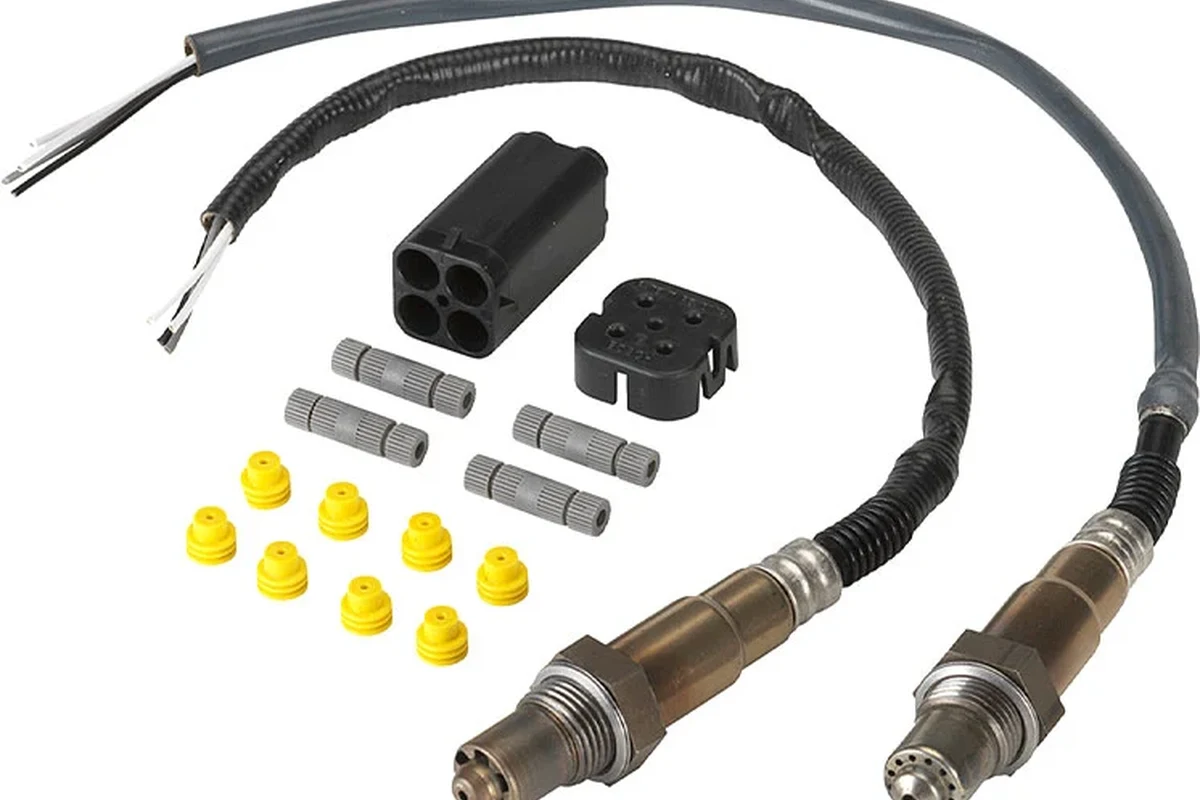
“Universal” usually means a sensor that can be spliced or adapted to fit more than one vehicle, not a part that works on every car out of the box. In practice, the wrong sensor can trigger a check engine light, poor fuel control, or a failed emissions test even if the connector seems close enough.
That is why many buyers do better with a direct-fit replacement when the exact vehicle application is known. Universal sensors can make sense in older vehicles, custom exhaust setups, or situations where the original connector is damaged and the correct repair path is clear.
How O2 Sensors Work and Why Fitment Matters
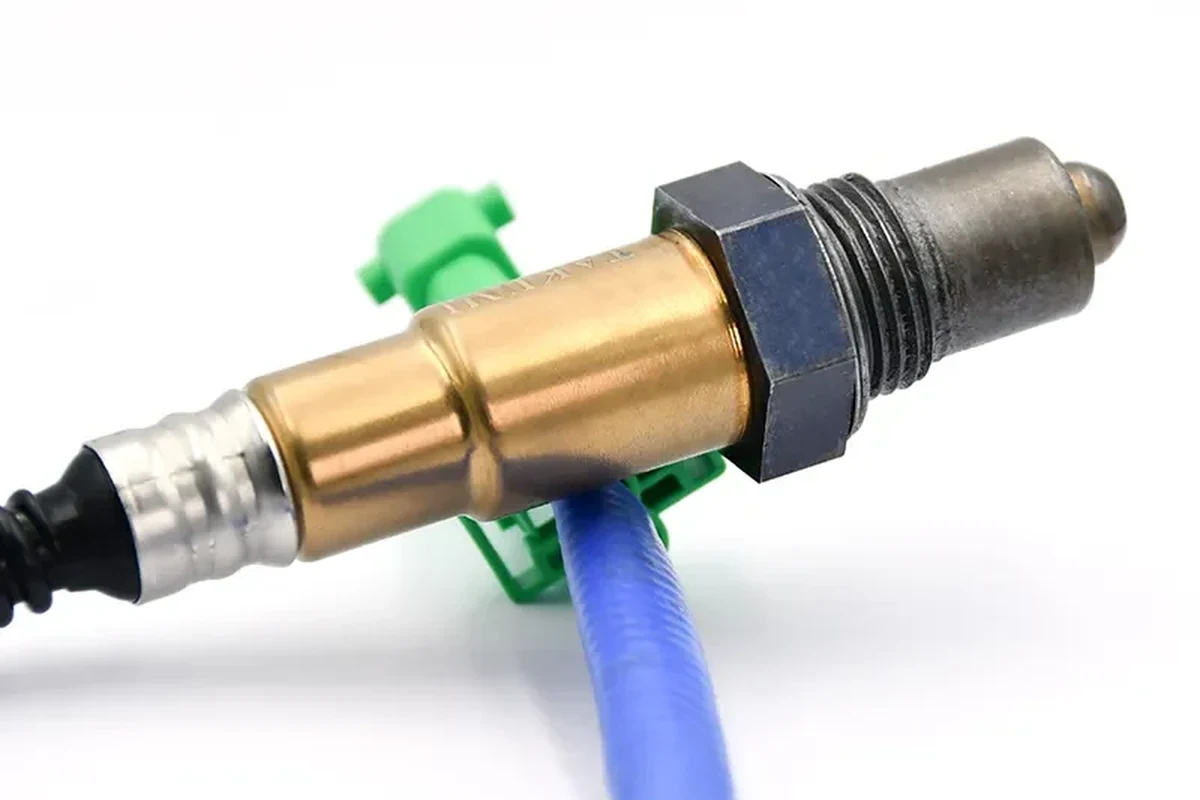
Oxygen sensors measure how much oxygen is left in the exhaust stream so the engine computer can adjust fuel delivery. The ECU expects a certain signal behavior from each sensor location, so a part that physically fits but sends the wrong signal can still cause drivability problems.
Sensor function, signal type, and what the ECU expects
Most oxygen sensors do more than “detect oxygen.” They help the engine computer maintain the air-fuel ratio, improve emissions control, and monitor catalyst performance. Some sensors switch voltage quickly, while others provide a wider-range signal that the ECU interprets differently.
Many modern vehicles use more than one oxygen sensor, and each one can have a different job even if they look similar from the outside.
If the signal type does not match what the ECU expects, the vehicle may run rich, run lean, or set fault codes. That is why compatibility is about electronics as much as it is about thread size or connector shape.
Upstream vs. downstream sensors and why they are not always interchangeable
Upstream sensors are usually placed before the catalytic converter and are often used for fuel-trim control. Downstream sensors are typically placed after the catalytic converter and are commonly used to monitor catalyst efficiency.
Those jobs are different, so the sensors are not always interchangeable even if the connector looks similar. Installing the wrong position sensor can lead to inaccurate readings and repeated fault codes.
Types of O2 Sensors: Heated, Unheated, Wideband, and Narrowband
O2 sensors come in several designs, and the type matters just as much as the fit. A replacement should match the original sensor category unless the vehicle manufacturer explicitly allows an approved substitute.
How each type affects compatibility, performance, and replacement choice
Unheated sensors are older and simpler, while heated sensors warm up faster and are common on many vehicles. Wideband sensors provide more detailed air-fuel information and are often used where precision matters, while narrowband sensors provide a more basic switching signal.
Some vehicle listings use terms like air-fuel ratio sensor, lambda sensor, or oxygen sensor interchangeably. The label alone is not enough—check the exact sensor type in the service manual or parts catalog.
Because the electrical behavior differs, a wideband sensor is not a drop-in replacement for a narrowband sensor. Heated and unheated sensors also differ in wiring and power requirements, so matching the original design is important for reliable operation.
What Makes an O2 Sensor Compatible With Your Vehicle?
Compatibility is a combination of physical fit and electronic match. Before buying, verify the vehicle application by VIN, engine code, emissions package, and sensor location rather than relying only on a universal-fit label.
Connector style, wire count, thread size, length, and mounting location
Common fitment factors include connector shape, number of wires, thread pitch, sensor body length, wire lead length, and whether the sensor mounts upstream or downstream. Even a small mismatch can make installation difficult or unsafe.
- Check compatibility, model number, connector style, wire count, thread size, and intended sensor location
- Confirm safety guidance, warranty terms, return policy, and whether the part is direct-fit or universal
Wire length matters because a lead that is too short may strain the harness, while one that is too long can hang near hot exhaust parts. Thread size and seat style matter because forcing the wrong sensor can damage the exhaust bung or create an exhaust leak.
Vehicle make, model, engine, emissions system, and model-year differences
Two vehicles from the same brand can use different oxygen sensors depending on engine size, emissions package, transmission, or model year. Mid-cycle changes also happen, so the safest approach is to confirm the exact application through the OEM parts catalog or service information.
If you are shopping online, compare the part number against the vehicle-specific listing and not just the general product title. When a listing says “universal,” treat that as a starting point, not a guarantee.
How to Choose the Right Replacement O2 Sensor in 2026
The best replacement depends on whether you want the simplest installation or the most flexible part number. In many cases, direct-fit sensors save time, while universal sensors can be useful when the original connector is obsolete or the harness needs repair.
OEM vs. universal sensors: value, convenience, and trade-offs
OEM or direct-fit sensors usually arrive with the correct connector and lead length for the vehicle, which reduces guesswork. Universal sensors may cost less or cover more applications, but they often require cutting, splicing, or transferring the connector carefully.
- Direct-fit parts are easier to install and less likely to need wiring changes
- Universal parts can help when the original connector is damaged or unavailable
- Universal parts require more verification and careful wiring work
- Wrong fitment can cause repeat codes or poor engine performance
Key buying criteria: response time, heater specs, durability, and warranty
When comparing options, look for response time, heater configuration, lead length, connector quality, and corrosion resistance. Warranty terms and return policies also matter because fitment mistakes are common with sensor replacements.
For value, the cheapest part is not always the best buy if it lacks the correct heater specs or uses a low-quality connector. A slightly higher-cost part with verified fitment is often the better long-term choice.
Common Installation Mistakes and Safe Replacement Practices
O2 sensor replacement is straightforward for many vehicles, but small mistakes can create bigger problems. The most common issues are using the wrong part, damaging the threads, or putting stress on the wiring harness.
Using the wrong sensor, forcing threads, and damaging wiring or connectors
Never force an oxygen sensor into the bung if the threads do not start smoothly. Cross-threading can damage the exhaust housing, and a mismatched sensor can still “fit” poorly enough to cause leaks or electrical faults.
Exhaust components can stay hot long after the engine is off. Let the system cool fully and follow the vehicle manufacturer’s service procedure before touching sensors or wiring.
Be careful not to twist the harness while tightening the sensor. If the connector is brittle, corroded, or heat-damaged, inspect it closely before installation rather than assuming the new sensor alone will fix the problem.
Heat safety, anti-seize cautions, torque basics, and inspection before install
Some replacement sensors come pretreated, while others may not. Follow the sensor manufacturer’s instructions on anti-seize, because adding the wrong compound to the sensing tip or threads can affect performance or create contamination issues.
Before installing a new sensor, inspect the bung threads, nearby heat shields, exhaust leaks, and harness routing. A clean mounting surface and correct routing help the new part last longer.
Torque matters too, but the correct value varies by vehicle and sensor design. Use the service manual or the sensor maker’s instructions rather than guessing.
Signs of a Bad O2 Sensor and Troubleshooting After Replacement
A faulty oxygen sensor can cause a check engine light, poor fuel economy, hesitation, rough idle, or failed emissions readiness. Still, those symptoms are not exclusive to the sensor, so it helps to read the codes and inspect the system before replacing more parts.
Check engine light codes, fuel economy issues, rough idle, and failed readiness
Common O2-related codes may point to heater circuit faults, slow response, or sensor performance problems. If fuel economy drops or idle quality worsens, the sensor may be involved, but the cause could also be elsewhere in the air-fuel system.
If the warning light returns after replacement, stop assuming the sensor is bad. Recheck the connector, harness, exhaust leaks, and scan data before replacing additional parts.
After replacement, some vehicles need a drive cycle before monitors set properly. If readiness does not complete, confirm that no other faults are present and that the correct sensor type was installed.
When the problem is wiring, exhaust leaks, or catalytic converter issues instead
Oxygen sensor codes can be caused by damaged wiring, moisture in connectors, exhaust leaks ahead of the sensor, or a failing catalytic converter. A sensor may be reading accurately while reporting a real exhaust or emissions issue elsewhere in the system.
That is why a scan tool and service information are valuable. They help separate a bad sensor from a problem the sensor is only detecting.
Final Verdict: When Universal O2 Sensors Make Sense and When to Avoid Them
Universal O2 sensors make sense when you have a clear match, the vehicle supports a compatible sensor type, and you are comfortable with careful wiring work. They are usually not the best choice when you want the fastest, lowest-risk repair or when the exact application is uncertain.
Best-fit users, limitations, value summary, and recommended next step
If you are repairing an older vehicle, dealing with a damaged connector, or working from a verified parts cross-reference, a universal sensor can be practical. If you are replacing a sensor on a modern vehicle with a specific wideband or heated design, a direct-fit part is usually the safer and simpler route.
Choose a universal O2 sensor only when fitment, signal type, and wiring requirements are clearly confirmed. If you want the most reliable installation with the least guesswork, a vehicle-specific direct-fit sensor is usually the better option.
For the best result, verify the exact part number in the official catalog or service manual before buying. That single step prevents most fitment mistakes and saves time during installation.
Frequently Asked Questions
No. Some sensors are sold as universal or adaptable, but they still have to match the vehicle’s sensor type, connector, wiring, thread size, and location.
A direct-fit sensor is built for a specific vehicle application and usually plugs in without modification. A universal sensor may require splicing or connector transfer to work correctly.
Usually no. Wideband and narrowband sensors send different signals, so they are not interchangeable unless the manufacturer specifically allows it.
Check the VIN, engine code, emissions package, model year, and sensor location in the official parts catalog or service manual. Do not rely only on the product title.
The vehicle may set a check engine light, run poorly, fail readiness tests, or show inaccurate fuel-trim behavior. In some cases, the real issue may be wiring or an exhaust leak instead.
OEM or direct-fit sensors are usually easier and safer to install when the correct application is known. Universal sensors can be useful in special cases, but they require more verification before purchase.