Can I Drive with Maf Sensor Unplugged
Yes, a car can sometimes drive with the MAF sensor unplugged, but only as a short emergency workaround. If it runs rough, stalls, or loses power, repair it before driving normally.
If your MAF sensor is unplugged, the car may still move, but it often runs poorly and can be risky to drive for anything beyond a short emergency. In many vehicles, the engine computer falls back to default fueling values, which can keep the car running but not necessarily running safely or efficiently.
- Short-term only: An unplugged MAF may let the engine run, but it is not a normal.
- Watch the symptoms: Rough idle, hesitation, stalling, and a flashing check-engine light are red flags.
- Backup fueling varies: Some vehicles use speed-density or limp mode better than others.
- Don’t guess the cause: Vacuum leaks, dirty filters, and wiring faults can mimic a bad MAF.
- Fix the root problem: Clean, inspect, and diagnose before replacing parts or clearing codes.
Can You Drive with the MAF Sensor Unplugged? Quick Answer for 2026
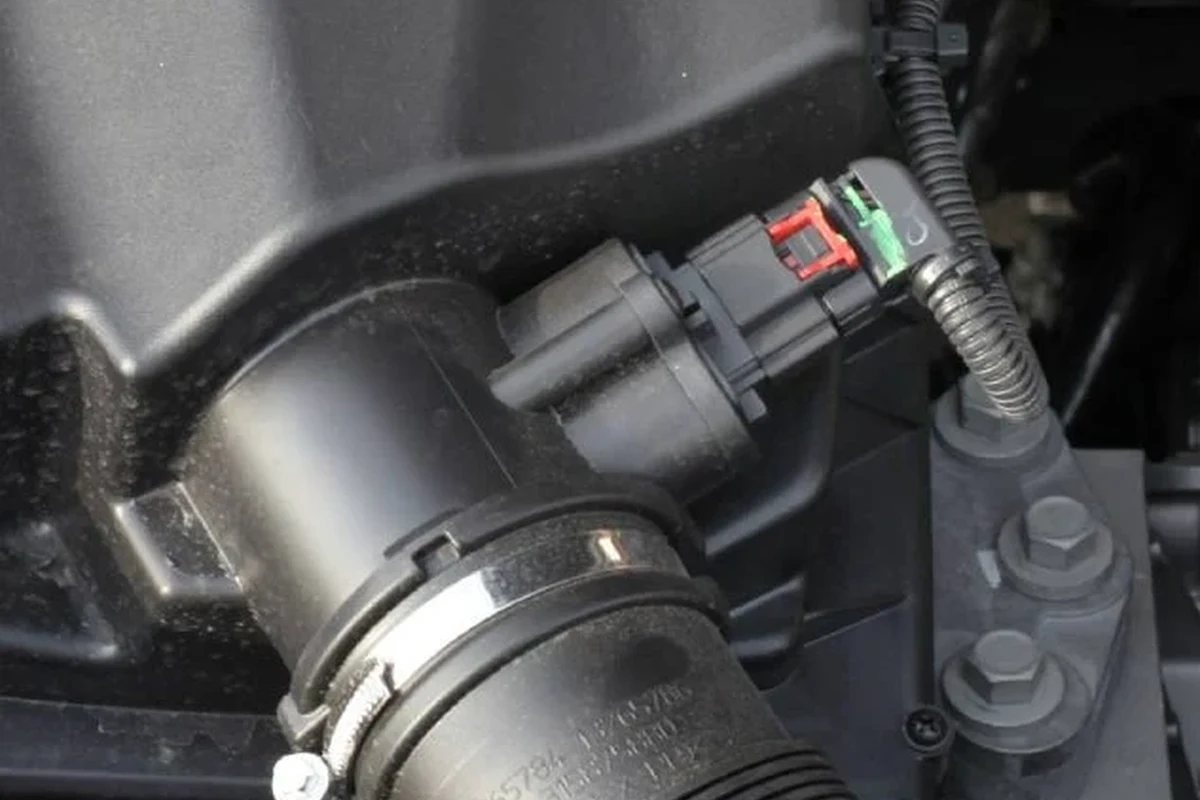
Usually, yes for a very short distance, but it depends on the vehicle and the reason the sensor is unplugged. Some engines will enter a limp strategy and keep going; others may stall, hesitate, or run so badly that driving becomes unsafe.
The right answer is less about whether the car can move and more about whether it can move predictably. If you are trying to get home, to a repair shop, or off a dangerous road, that is different from commuting normally with the sensor disconnected.
What the MAF Sensor Does and Why It Matters

The mass airflow sensor measures how much air is entering the engine. The engine control unit uses that information to calculate how much fuel to inject so the air-fuel mixture stays close to the target range.
How the engine uses airflow data
When the MAF signal is accurate, the computer can adjust fueling quickly as you accelerate, idle, climb hills, or cruise. That helps the engine start easily, respond smoothly, and keep emissions under control.
It also helps the vehicle adapt to changing conditions such as altitude, weather, and load. A healthy MAF signal is one of the inputs that keeps modern fuel-injected engines balanced.
What changes when the sensor signal is missing
When the MAF is unplugged, the computer loses a primary airflow input. Many vehicles then estimate airflow using other sensors and stored engine maps instead of real-time MAF data.
That fallback can be good enough to keep the engine running, but it is usually less precise. The result may be rough idle, weak acceleration, poor fuel economy, or a rich or lean running condition depending on the engine design.
What Happens When You Drive with the MAF Sensor Unplugged
Expect the vehicle to behave differently right away. Even if it starts and moves, the engine may feel less responsive and may not shift or accelerate normally under load.
- Pay attention to whether the engine idles smoothly or hunts up and down.
- Watch for hesitation when pulling into traffic or climbing a hill.
- If the car shakes, stalls, or loses power suddenly, stop driving as soon as it is safe.
Common symptoms you may notice immediately
Common signs include a check-engine light, rough idle, sluggish throttle response, hard starting, and reduced fuel economy. Some cars may also enter a limp mode that limits power to protect the engine or transmission.
You may smell unburned fuel or notice an unusual exhaust odor if the mixture is running too rich. In other cases, the engine may feel starved for fuel and bog down when you ask for more power.
Short-term drivability vs. long-term engine risk
A short trip with the MAF unplugged may not damage the engine by itself, but continued driving can create problems. Incorrect fueling can lead to carbon buildup, fouled spark plugs, catalyst stress, and poor combustion over time.
The bigger risk is not just wear. Unpredictable throttle response, reduced power, and stalling can create a safety issue in traffic, especially during merging, passing, or crossing intersections.
When It Might Still Move the Car and When It Should Not
Some vehicles can tolerate a disconnected MAF better than others because of how their engine management is designed. That does not mean the condition is normal or harmless.
Safe enough for a brief emergency limp-home situation
It may be acceptable to drive a short distance if the engine runs steadily, the road is low risk, and you are only trying to reach a nearby repair location. In that case, keep speed modest and avoid hard acceleration.
Use the shortest practical route and stay alert for changes in idle quality or power delivery. If the behavior worsens, stop and arrange towing instead of pushing the car further.
Situations where driving is a bad idea
Do not keep driving if the engine is misfiring, the check-engine light is flashing, the car stalls at stops, or you have to merge into fast traffic. Those are signs the vehicle is not managing combustion reliably.
It is also a poor idea if the car is heavily loaded, towing, climbing steep grades, or operating in harsh weather where losing power would be dangerous. In those cases, the safest choice is often to stop and get the fault diagnosed first.
How the Vehicle Decides Fueling Without MAF Input
When the MAF signal disappears, the ECU usually does not stop working. Instead, it switches to backup logic based on other sensors and preset calculations.
Fallback strategies: speed-density, default maps, and limp mode
Many engines can estimate airflow from manifold pressure, intake air temperature, engine speed, throttle position, and stored calibration data. This is often called a speed-density strategy, though the exact method varies by vehicle.
Some systems rely on a default fuel map that is broad enough to keep the engine alive but not optimized for every condition. Others enter limp mode, which may restrict power, alter transmission behavior, or set the idle strategy to a conservative setting.
How a vehicle reacts to an unplugged MAF depends on the engine, ECU software, and whether the car uses the MAF as a primary load sensor or as one input among several.
Why some cars run better than others with the plug removed
Engines with well-developed backup fueling logic may run surprisingly well, especially at light throttle. Older systems or vehicles that depend heavily on MAF input may run much worse because the computer has less reliable data to work with.
That is why one owner may report a car that still drives home, while another cannot keep the engine running at all. The difference is usually calibration and design, not luck.
Common Mistakes People Make After Unplugging the MAF
Disconnecting the MAF can be a useful diagnostic clue, but it is easy to misread the result. A car that seems better with the sensor unplugged does not automatically mean the sensor itself is the only problem.
Confusing MAF issues with vacuum leaks, dirty filters, or sensor contamination
Vacuum leaks can mimic a bad MAF because extra unmetered air enters the engine and throws off the fuel calculation. A dirty air filter, cracked intake tube, loose clamp, or oil contamination on the sensor element can also create similar symptoms.
That is why replacing the sensor immediately is not always the best first move. The intake tract and wiring should be checked before assuming the sensor has failed.
Resetting codes without fixing the root cause
Clearing the check-engine light may make the dashboard look better, but it does not solve the underlying issue. If the sensor, wiring, or intake leak is still present, the code usually returns.
Repeatedly clearing codes can also make diagnosis harder because it wipes useful clues and readiness data. A better approach is to identify why the ECU set the fault in the first place.
How to Diagnose a Bad MAF Sensor the Right Way
Good diagnosis starts with the simplest checks. Many apparent MAF failures are actually air leaks, contamination, bad connectors, or wiring problems.
If the intake hose is torn, the connector is loose, or the sensor housing is damaged, stop and repair those issues before assuming the MAF itself is bad.
Signs the sensor is failing versus the wiring or intake system
A failing MAF often causes unstable idle, hesitation, poor acceleration, and fuel trim values that do not make sense for the engine’s condition. But the same symptoms can come from a vacuum leak or damaged wiring harness.
If the problem changes when you wiggle the connector or inspect the harness, the issue may be electrical rather than the sensor element itself. If the engine runs better after sealing an intake leak, the MAF may have been reacting to bad air measurement rather than failing on its own.
Basic inspection steps, cleaning, and replacement decision criteria
Check the air filter box, intake tube, clamps, and any cracks or loose fittings between the filter and throttle body.
Look for corrosion, bent pins, broken insulation, or a plug that does not lock securely into place.
If the manufacturer allows it, use only a sensor-safe cleaner made for MAF elements. Do not touch the sensing wire or use harsh chemicals.
If cleaning, inspection, and wiring checks do not resolve the issue, replacement may be justified based on scan data and symptoms.
- Match the exact vehicle year, engine, and sensor connector style.
- Confirm whether the part is original-equipment, equivalent, or calibration-specific.
- Verify the manufacturer’s cleaning and installation instructions before handling the sensor.
- Check warranty terms and return policy in case the issue turns out to be elsewhere.
Final Recommendation: Should You Keep Driving or Repair It First?
For a daily driver or commuter, the best answer is usually to repair the cause first rather than keep driving with the MAF unplugged. Even if the car seems usable, the mix of poor drivability, higher emissions, and possible engine stress makes it a temporary workaround, not a real fix.
Best next step for daily drivers, commuters, and emergency situations
If the car still moves, use it only to reach a safe location or a repair shop when no better option exists. If the engine is stumbling, stalling, or losing power, stop driving and arrange towing or roadside help.
For an emergency, the goal is to minimize risk, not to prove the vehicle can keep going indefinitely. The sooner the intake system, wiring, and sensor data are checked properly, the better the outcome is likely to be.
Repair value, safety trade-offs, and when professional help is worth it
Professional diagnosis is worth it when the fault code returns, the symptoms are inconsistent, or the vehicle uses the MAF as a critical part of fueling strategy. That is especially true if you have already checked the filter, intake tube, and connector and still cannot isolate the cause.
In short, you can sometimes drive with the MAF sensor unplugged, but only as a short-term exception. For normal use, repairing the underlying issue is the safer and more cost-effective choice.
Frequently Asked Questions
Yes, many cars can still run because the ECU uses backup fueling logic. However, performance and drivability often get worse, and the exact behavior depends on the vehicle.
It may be acceptable only for a brief emergency trip if the engine runs smoothly. If the car stalls, misfires, or loses power, stop driving.
Common symptoms include rough idle, hesitation, weak acceleration, a check-engine light, and reduced fuel economy. Some vehicles may also enter limp mode.
A short emergency drive usually will not cause immediate damage, but long-term driving can create carbon buildup and other issues. Incorrect fueling can also stress the catalytic converter over time.
Check for intake leaks, dirty filters, loose connectors, damaged wiring, and contamination first. A scan tool and careful inspection help separate sensor failure from other airflow problems.
If the manufacturer allows cleaning, a sensor-safe cleaner may help when contamination is the issue. Replace it when inspection, cleaning, and wiring checks do not fix the fault or when the sensor is physically damaged.