Is the iPhone 18 Charger Out Yet What You Need to Know
Do not wait for a vague product label. The practical choice is a verified USB-C or wireless charging setup that matches Apple’s final specifications and your actual devices.
No single official “iPhone 18 charger” is usually the right way to think about it. Focus on a verified USB-C charger and cable that match the phone’s confirmed charging support.
If you’re asking, “is the iPhone 18 charger out yet,” the practical answer is: there is no universally defined standalone “iPhone 18 charger” to wait for. In most cases, you’re really looking for a compatible USB-C charging setup that matches Apple’s current charging standards and your own speed, portability, and safety needs.
- Answer first: The phrase usually means a compatible charger, not a special product name.
- Best baseline: A certified USB-C wall charger and quality cable fit most buyers.
- Speed matters: Fast charging depends on the phone, cable, and protocol support.
- Safety matters: Avoid damaged, counterfeit, or overheating charging gear.
- Buy smart: Verify official specs, warranty, and return policy before ordering.
Is the iPhone 18 Charger Out Yet? Quick Answer for 2026 Buyers
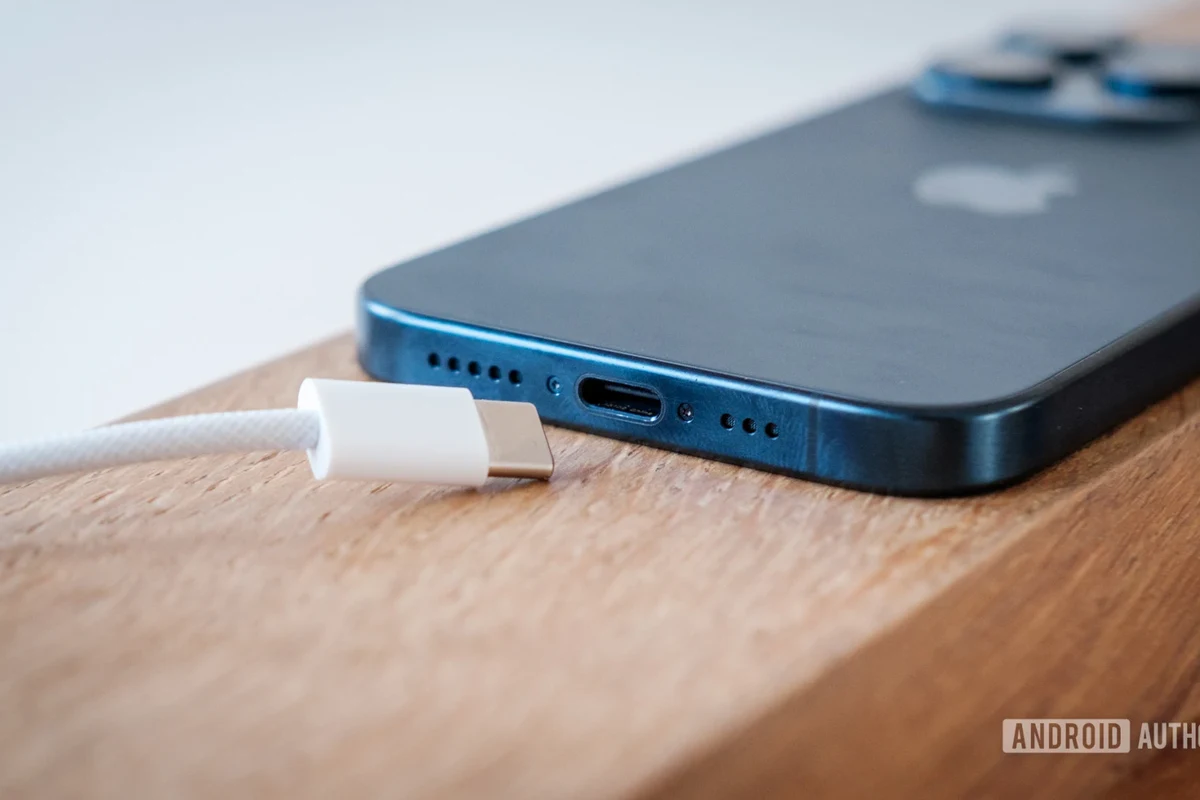
For 2026 shoppers, the phrase “iPhone 18 charger” usually refers to a charger that works well with the iPhone 18, not a special accessory Apple sells under that exact name. Availability depends on the phone’s final charging support, the retailer, and whether you want a wall adapter, cable, wireless pad, or car charger.
That means the real buying question is compatibility, not hype. If you already own a quality USB-C charger and cable from a reputable brand, there’s a good chance you may not need a new one at all—just confirm the power rating, connector type, and safety certifications before you buy anything else.
What “iPhone 18 Charger” Actually Means in 2026
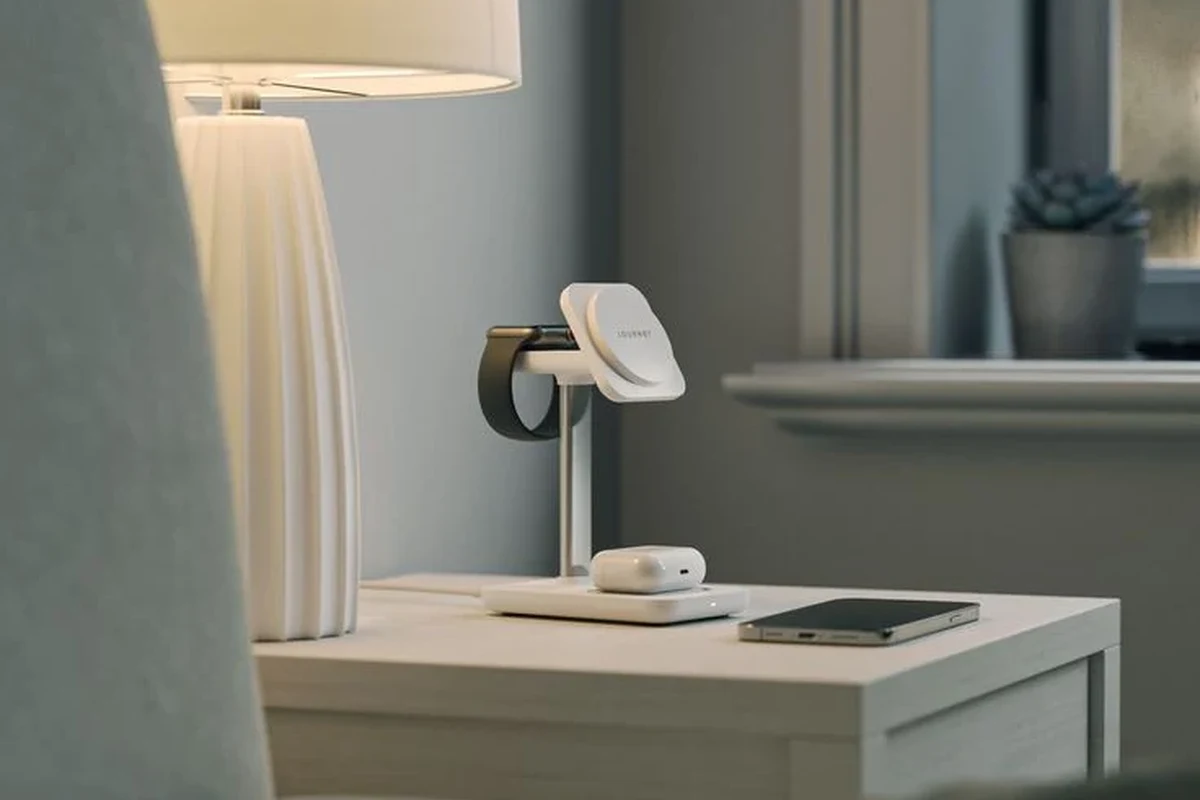
Searches for “iPhone 18 charger” can point to several different products, and that is where confusion starts. Some people mean the charger that comes in the box, while others mean a compatible accessory they can buy separately for home, work, travel, or a bedside setup.
Phone box charger vs. compatible charging accessory
Apple and many phone makers continue to separate the phone itself from the charging accessory market, so the box contents can vary by region and model. If you are trying to figure out what to buy, check the official product page and the included-accessories list rather than assuming a wall adapter is bundled.
Box contents can vary by country, carrier bundle, and retailer. Always confirm the exact listing for your region before ordering.
Wired charger, cable, MagSafe-style pad, and power bank options
A “charger” can mean a USB-C wall adapter, a USB-C cable, a wireless charging pad, a magnetic stand, or a portable power bank. Each option solves a different problem: wall chargers are best for speed, wireless pads are best for convenience, and power banks are best for commuting or travel.
Compatibility, Connector Type, and Power Delivery Basics
The most important compatibility question is whether the charger supports the same connector and charging protocol your phone expects. For modern iPhones, USB-C is the central connector to check, but the cable quality, adapter output, and protocol support matter just as much as the plug shape.
USB-C, charging protocol support, and why cable quality matters
USB-C alone does not guarantee fast charging. The adapter and cable must support the right power delivery behavior, and low-quality cables can limit speed, cause unreliable charging, or wear out faster under daily use.
Choose a cable from a reputable brand that is rated for the wattage you plan to use, and keep a spare in your bag or desk drawer for travel and backup use.
Expected wattage ranges and safe charging limits
Exact wattage support can vary by phone model and firmware, so it is best to verify the official specs before assuming a number. In practice, a higher-wattage charger is not automatically “too powerful”; the phone typically draws only what it can safely use, but the charger and cable still need to be properly rated and certified.
Do not use damaged cables, loose adapters, or accessories that run unusually hot. If a charger smells burnt, crackles, or disconnects randomly, stop using it and replace it.

A strong premium choice when you want one compact charger for a phone, tablet, and laptop. The extra wattage is valuable for multi-device use—not because one iPhone needs 160W.
Check Current Price on AmazonVerify the listing, seller, specifications, and final iPhone 18 requirements before buying.
How the Charger Works in Real Use
Real-world charging is shaped by heat, battery percentage, background activity, and the environment around the phone. A charger that looks fast on paper may slow down if the device is warm, the battery is nearly full, or the phone is being used heavily while plugged in.
Charging speed, heat management, and battery health trade-offs
Fast charging is convenient, especially for short top-ups before class, work, or a commute. The trade-off is heat, and heat is one of the main factors that can affect long-term battery wear, so the best setup is often the one that balances speed with moderate temperatures and good airflow.
Wireless charging usually creates more heat than wired charging, which is why placement, pad quality, and ventilation matter more than many buyers expect.
What to expect from wall chargers, car chargers, and wireless chargers
Wall chargers are usually the most flexible choice for home and office use because they can deliver stable power and work with a wide range of cables. Car chargers are useful for commuters and rideshare drivers, while wireless chargers are best for desks and nightstands where convenience matters more than speed.
- Wall chargers usually give the most consistent performance.
- Wireless pads reduce cable wear and are easy to place.
- Car chargers help keep devices topped up on the go.
- Wireless charging can be slower and warmer.
- Car chargers vary widely in quality and port layout.
- Cheap adapters may lack the build quality buyers expect.

This foldable station targets buyers who value phone, watch, and earbuds charging in one organized setup. It is a convenience upgrade, but final iPhone 18 wireless speed and Qi2.2 support must still be confirmed.
See Product Details on AmazonConfirm supported devices, included accessories, seller, price, and availability.
Who It Fits Best: Best Use Cases and Buyer Profiles
The right charger depends on how you actually use your phone. Someone who charges overnight at home has very different needs from a student who moves between classes, a gamer who keeps the phone plugged in during long sessions, or a traveler who wants one compact charger for multiple devices.
Everyday users, travelers, gamers, and heavy multitaskers
Everyday users usually benefit from a dependable mid-range USB-C wall charger and a durable cable. Travelers often need a compact multi-port charger or power bank, while gamers and heavy multitaskers may want a setup that can handle sustained use without excessive heat or cable strain.
A dependable USB-C wall charger with a certified cable is the safest all-around choice for most buyers, especially if you want simple, reliable charging at home or work.

A premium workstation option for households or offices charging several devices every day. Its price pays for total capacity, port selection, and desk organization—not faster charging for one iPhone.
View Today’s Amazon AvailabilityCheck current port-sharing rules, seller, price, and Apple’s final specifications.
Who should skip premium charging accessories
Not everyone needs a premium charger, magnetic stand, or multi-port travel kit. If you charge slowly overnight, use your phone lightly, and already have a working certified adapter, paying extra for advanced features may not add much value.
Key Specs and Buying Criteria to Check Before You Buy
Before buying anything labeled for the iPhone 18, compare the details that actually affect daily use. The box design may look similar across products, but the wattage, cable rating, port count, and certification status can change the experience a lot.
Rated wattage, cable durability, certification, and port count
Rated wattage tells you the charger’s potential output, but the phone still controls how much power it draws. Cable durability matters because frequent bending, travel, and desk use can wear out cheap cables faster, and certification helps reduce the risk of unsafe or poorly built accessories.
Dimensions, portability, and charging setup compatibility
Size matters if you are packing for a backpack, carry-on, or small desk. A compact charger may be easier to travel with, but a slightly larger model can offer extra ports, better thermal handling, or a more stable plug design depending on the product.
- Check the phone model, cable type, wattage, and port layout.
- Confirm whether you need wall, car, wireless, or portable charging.
- Review warranty terms, return policy, and safety certifications.
- Make sure the charger fits your outlet, bag, desk, or travel setup.
Safety, Maintenance, and Common Mistakes to Avoid
Charging accessories are simple on the surface, but they deserve the same care as any other power device. The biggest problems usually come from heat, wear, counterfeit accessories, and using the wrong cable or adapter for the situation.
Overheating, damaged cables, poor ventilation, and counterfeit risks
Keep chargers in open air rather than under blankets, inside tightly packed drawers, or buried behind other electronics. Avoid suspiciously cheap accessories with vague labeling, because counterfeit or poorly made chargers can fail early or create unnecessary safety risks.
Stop using damaged electronics, swollen batteries, frayed cables, overheating chargers, or unstable appliances and follow the manufacturer’s guidance.
Inspection, replacement guidance, and proper storage habits
Inspect your cable ends, adapter prongs, and charging ports regularly for bending, discoloration, or looseness. Store cables loosely coiled, not tightly wrapped around the adapter, and replace any accessory that shows repeated disconnects, physical damage, or unusual heat.
- Use one cable for travel and one for home so daily wear is spread out.
- Keep chargers away from water, pet chewing, and direct sun exposure.
- Check the manufacturer’s manual or support page if charging behavior changes after an update.
Premium Charger Comparison
| Product | Best For | Premium Value | Honest Limitation | Amazon |
|---|---|---|---|---|
| Anker Prime 160W | Compact multi-device use | Three USB-C ports and GaN portability | Overkill for one phone | Check price |
| Anker Prime 250W | Home office or shared desk | Six ports, total capacity, display | Large and premium-priced | View listing |
| Anker Prime Qi2.2 | Wireless Apple-device setup | Foldable three-device convenience | iPhone 18 support unconfirmed | See details |
Value, Alternatives, and Final Recommendation
The best value choice is usually not the newest accessory, but the one that matches your charging habits and has the right safety and compatibility basics. For most people, that means a reliable USB-C wall charger plus a certified cable, with wireless or car charging added only if those use cases matter to you.
When to buy now, when to wait, and what to choose instead
Buy now if you need a dependable charger today and can verify the specs, certification, and compatibility from the official listing. Wait if the product details are unclear, the phone’s final charging support is still being confirmed by the manufacturer, or you are tempted by an unverified accessory with vague claims.
Transparent verdict based on current evidence and availability
Based on current evidence, there is no special “iPhone 18 charger” you need to hunt down as a separate category. The smartest move is to choose a verified USB-C charging solution that fits your setup, confirm the latest official compatibility details, and avoid paying extra for features you will not use.
If you want the safest, most practical answer, focus on a certified USB-C charger and quality cable rather than waiting for a branded “iPhone 18 charger.” Check the official specs first, then choose the simplest setup that matches your home, travel, or desk routine.
Pick the 160W model for compact multi-device charging, the 250W station for a complete desk, or the Qi2.2 model for wireless convenience. A simpler certified USB-C PD charger remains better value for most phone-only users.
Verify final iPhone 18 support, the current Amazon seller, price, availability, and included accessories.
Frequently Asked Questions
There usually is not a single official product called an iPhone 18 charger. Most buyers should look for a compatible USB-C charger, cable, or wireless accessory that matches the phone’s verified charging support.
A USB-C wall charger with a quality USB-C cable is the most common starting point. If you want convenience, you can also consider a wireless pad, magnetic stand, car charger, or power bank.
Not always. The phone decides how much power to draw, so a higher-wattage charger only helps if the phone supports that charging behavior and the cable is properly rated.
Many USB-C cables will charge the phone, but quality and rating matter for speed, reliability, and safety. Check the cable’s build quality, power rating, and the manufacturer’s compatibility guidance.
Look for recognized safety certifications, a reputable brand, and clear specifications. Stop using any charger or cable that overheats, smells burnt, sparks, or has visible damage.
Buy now if you need a reliable charger and can verify the specs. Wait if the accessory details are unclear or if you want to confirm the phone’s official charging support first.

One Comment