When Will the iPhone 18 Charger Be Released in 2026
The iPhone 18 charger has not been officially announced, so the release date is still uncertain. If Apple follows its usual pattern, the accessory would most likely appear around the iPhone launch window, but buyers should verify the final specs before purchasing.
If you’re asking when the iPhone 18 charger will be released, the most honest answer is that Apple has not officially announced it yet. Based on Apple’s usual accessory timing, a charger or charging accessory tied to the iPhone 18 would most likely appear around the phone’s launch window, but the exact date can still shift.
- Release timing: Expect a launch-window rollout unless Apple announces otherwise.
- Meaning matters: “Charger” may mean a cable, adapter, or wireless accessory.
- Compatibility first: Check connector type, wattage, and charging standard before buying.
- Safety matters: Replace damaged chargers immediately and avoid overheating or frayed cables.
- Best value: Certified accessories with clear specs are safer than vague launch listings.
When Will the iPhone 18 Charger Be Released in 2026? The Short Answer
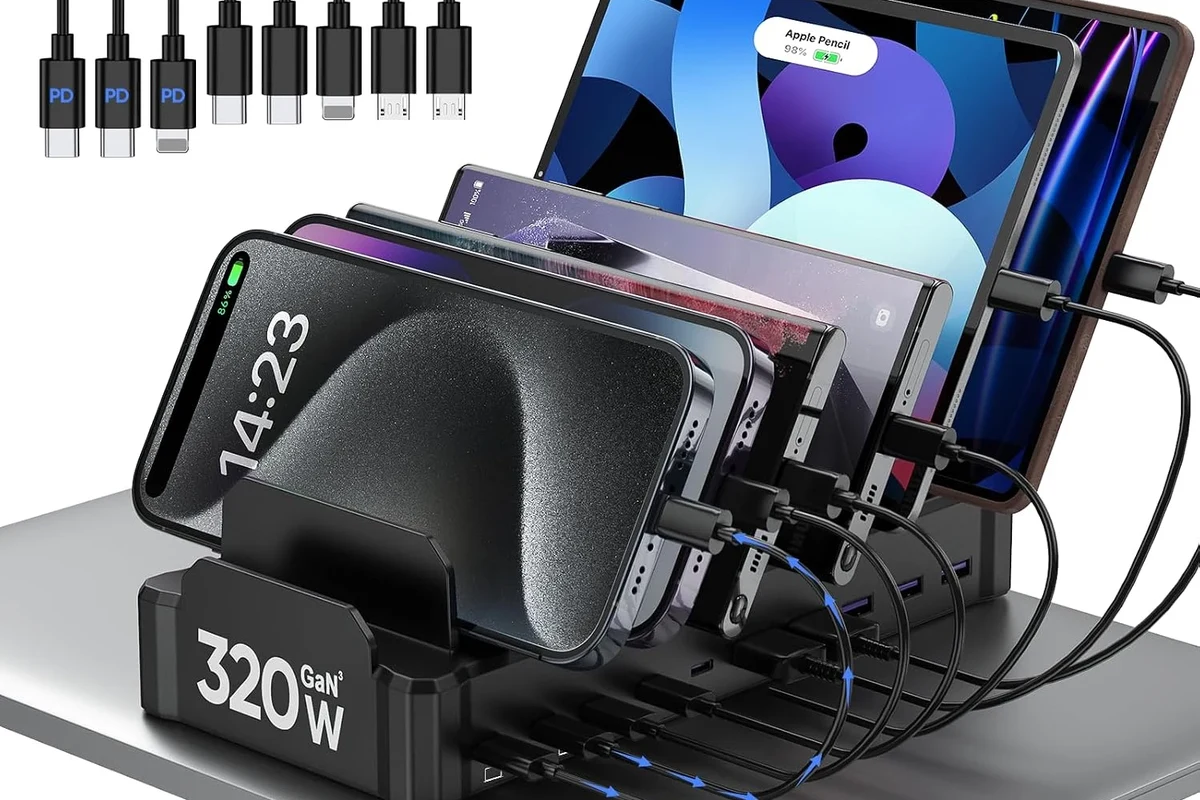
The short answer is: expect the iPhone 18 charger to arrive around Apple’s iPhone 18 announcement period, if Apple releases one as a distinct accessory. In practice, that usually means a fall launch window, though Apple can bundle charging accessories differently depending on the region, model, and charging standard.
If you are shopping early, the safest approach is to treat any “iPhone 18 charger” listing as provisional until Apple’s official product page, accessory compatibility notes, and retail release dates are published.
What “iPhone 18 Charger” Actually Means: Cable, Adapter, or MagSafe Accessory?
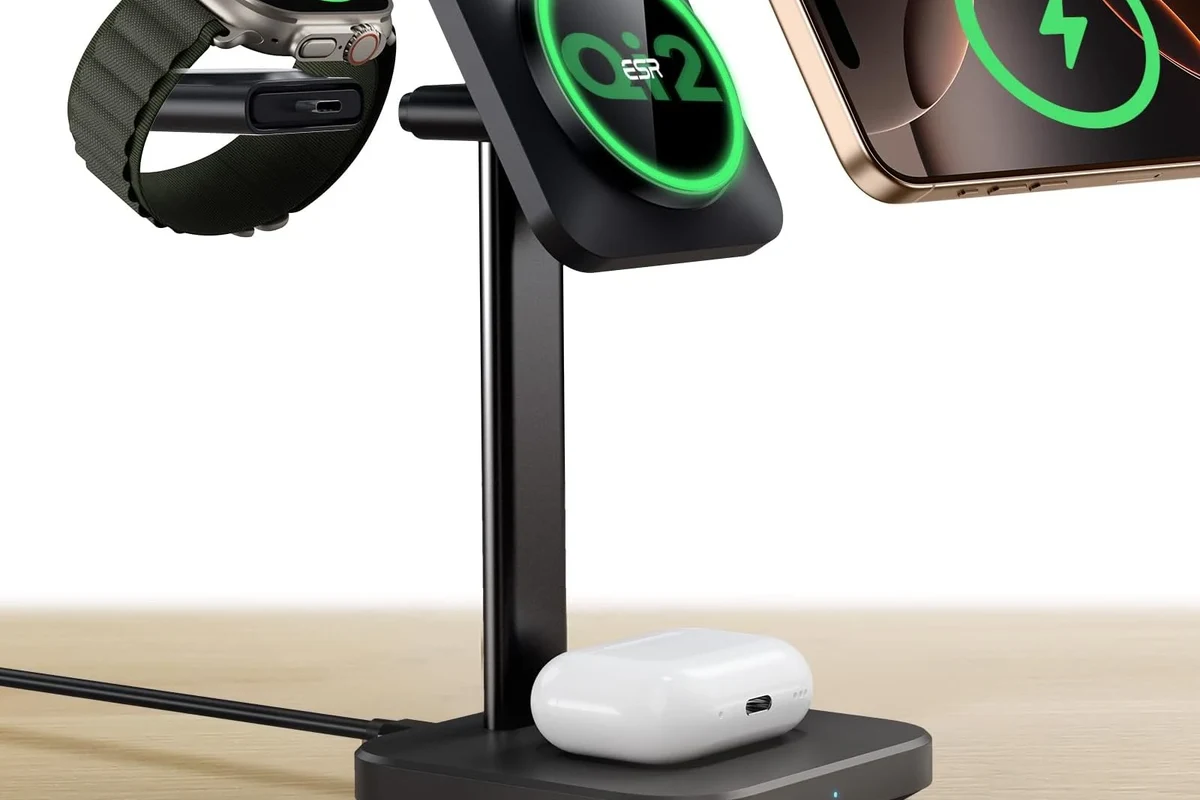
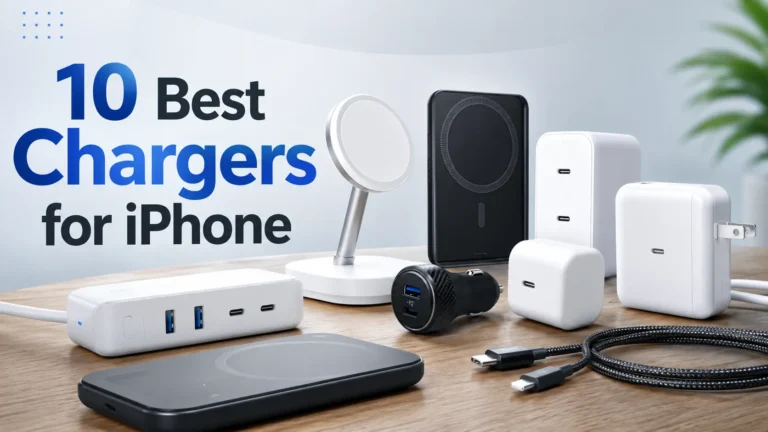
People often use “charger” to mean three different things: a wired USB-C cable, a wall adapter, or a wireless MagSafe-style charging puck. That distinction matters because release timing, compatibility, and what comes in the box can differ for each accessory.
Why the wording matters for buyers in 2026
If you only need a replacement cable, you may not need to wait for a new Apple-branded accessory at all. A certified USB-C cable or a compatible wireless charger may already work with your current phone and could also remain useful for the iPhone 18, depending on Apple’s final port and charging support.
How Apple accessory naming can affect compatibility
Apple sometimes markets accessories by generation, by use case, or by connector standard rather than by one specific phone model. That means a product labeled for iPhone 18 could be a marketing shorthand, while the real compatibility details may depend on USB-C, MagSafe alignment, wattage, or firmware support.
Until Apple publishes official specs, buyers should verify the exact model name, connector type, and supported charging standard before assuming any accessory is “made for iPhone 18.”
Expected Release Window in 2026: What Apple’s Past Launch Timing Suggests
Apple usually introduces major iPhone hardware in its fall product cycle, and related accessories often appear at the same time or shortly after. That historical pattern is the best clue available right now, but it is still a pattern, not a guarantee.
Typical Apple fall launch pattern and accessory rollout
When Apple refreshes the iPhone lineup, charging accessories that are officially tied to the new phones often show up during the launch event, in the online store refresh, or shortly after retail availability begins. Sometimes the accessory is available immediately; other times it ships a little later if supply, certification, or packaging changes are still being finalized.
What could shift the release date earlier or later
Several factors can move the timing. Regional certification, supply-chain delays, changes in charger wattage, or a last-minute decision to ship the phone without a bundled charger can all affect when a buyer can actually purchase the accessory they want.
Apple has often changed accessory packaging and included items over time, so “charger release” can mean a new accessory, a new cable, or simply a new compatibility note rather than a brand-new charging technology.
Compatibility and Fit: Which iPhone 18 Models Should the Charger Work With?
Compatibility depends less on the marketing name and more on the charging method. A wired charger, wireless pad, or MagSafe-style accessory may all work differently across the iPhone 18 lineup.
Wired charging compatibility and likely port standards
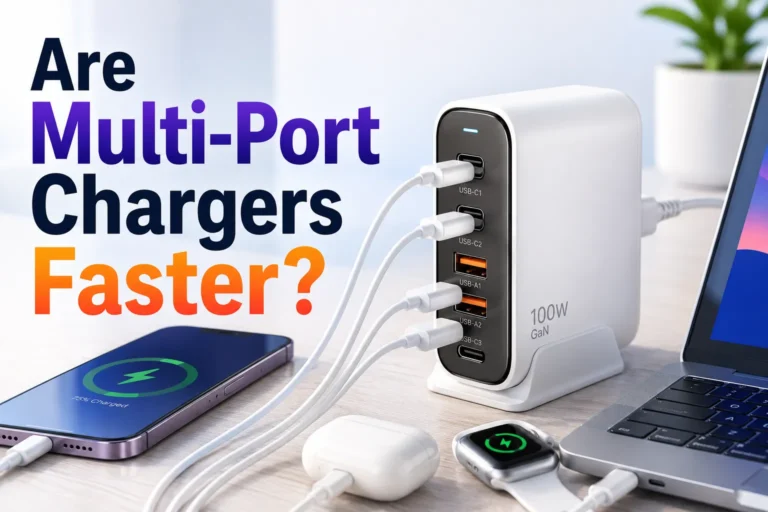
If the iPhone 18 continues using USB-C, most buyers should focus on cable quality, connector fit, and power delivery support rather than the phone name alone. A USB-C charger may work across multiple iPhone models, but the charging speed can still vary based on the phone’s internal charging limits and the adapter’s output.
Wireless and MagSafe-style charging compatibility
Wireless charging depends on coil alignment, supported wattage, case thickness, and whether the accessory follows Apple’s current magnetic charging approach. A MagSafe-style charger may be convenient for desks and nightstands, but it is usually slower than the best wired option and can be more sensitive to placement.
Who should check wattage, cable length, and connector type first
Check these details first if you are a heavy phone user, a traveler, a gamer, a remote worker, or someone who charges from awkward spots like a couch, car, or shared desk. Cable length and adapter size matter more than many buyers expect, especially if the charger needs to reach behind furniture or fit in a compact bag.
Key Specifications to Verify Before Buying a Charger for iPhone 18
Before you buy, verify the charger’s output, the cable standard, and the safety certifications listed by the manufacturer. Those details matter more than a product title that mentions the iPhone 18.
Rated wattage, fast-charging support, and power delivery limits
Look for the charger’s rated wattage and whether it supports USB Power Delivery or another recognized fast-charging standard. Higher wattage does not automatically mean faster charging for the phone, because the device decides how much power it will accept.
Cable quality, braided vs. standard, and durability considerations
Braided cables often hold up better to daily bending, bag storage, and frequent unplugging, but a standard cable can still be fine if it is well made and properly rated. The most important durability clues are reinforced strain relief, solid connector housing, and clear compatibility labeling.
Heat management, safety certifications, and inspection checklist
Heat is normal during charging, but a charger should not become uncomfortably hot, smell burnt, buzz loudly, or show discoloration. If a cable is frayed or a charger is cracked, stop using it and replace it rather than trying to “make it work.”
Do not use damaged cables, swollen batteries, overheated adapters, loose plugs, or chargers that spark, melt, or discolor. If a charger runs unusually hot, unplug it and follow the manufacturer’s guidance before using it again.
How the Charger Should Work in Real Use: Speed, Convenience, and Trade-Offs
The best charger is not always the highest-wattage option. Real-world value comes from a balance of speed, portability, cable management, and how often you actually need to top off the phone.
Charging speed expectations for everyday users
Most everyday users want a charger that can recover battery life quickly during short breaks, not necessarily the absolute fastest possible top-up. Wired charging is usually the better choice for speed, while wireless charging is often better for convenience and easy drop-in use.
Portability, desk use, travel use, and storage considerations
A compact wall adapter is easier for travel, but a longer cable may be more useful at a desk or bedside table. Wireless chargers can reduce cable clutter, yet they require stable placement and usually take up more flat space.
- Fast wired charging can be convenient for quick top-ups
- Wireless options reduce plug-and-unplug wear
- Certified accessories are easier to match with current devices
- Not every “iPhone 18 charger” listing will be officially compatible
- Wireless charging can be slower and more placement-sensitive
- Cheap accessories may overstate speed or safety claims
Practical benefits versus common limitations
The biggest benefit of an official or certified charger is predictability. The biggest limitation is that release timing, included accessories, and charging speed can still vary by model and region, so buyers should not assume every listing is equally reliable.
Safe Use, Care, and Replacement Guidance for iPhone Chargers
A charger lasts longer when it is stored carefully and used within its intended limits. Good habits also reduce the chance of heat buildup, connector wear, and avoidable failure.
Common mistakes that shorten charger life or create risk
Pulling a cable out by the cord, wrapping it too tightly, charging on soft surfaces that trap heat, and using unverified adapters are common mistakes. Another frequent issue is treating a loose or intermittent connection as normal when it may actually signal wear or damage.
Cleaning, cable storage, and heat-aware maintenance
Keep ports and connectors free of dust, lint, and debris, but avoid liquid cleaners unless the manufacturer explicitly allows them. Store cables loosely coiled, not sharply bent, and keep chargers away from direct sunlight, bedding, or other heat-trapping surfaces when in use.
- Check the exact connector type, wattage, and supported charging standard
- Confirm device compatibility, safety guidance, warranty terms, and return policy
- Inspect for frayed cables, cracked housings, bent pins, or overheating
When to replace a cable, adapter, or wireless charger
Replace the accessory if it no longer seats properly, charges inconsistently, shows visible wear, or runs hotter than expected. For wireless chargers, also replace the unit if the phone must be repeatedly repositioned to start charging, since that can point to alignment or hardware issues.
Stop using any charger that shows fraying, cracked plastic, bent contacts, scorch marks, swelling, or unstable charging behavior. When in doubt, consult the manufacturer’s support page or warranty process before plugging it in again.
Best Buying Advice for 2026: Value, Alternatives, and Final Recommendation
The best decision is to buy for verified compatibility, not for launch hype. That means comparing official Apple details with certified third-party options and waiting for the exact accessory specs before paying a premium.
How to judge value without overpaying for launch hype
Value comes from the right wattage, the right cable type, solid safety documentation, and a return policy that protects you if the accessory is not what you expected. If a listing is vague about standards or compatibility, that is a sign to slow down.
When to buy official Apple accessories versus certified third-party options
Choose official Apple accessories if you want the simplest compatibility path and clear support documentation. Choose certified third-party options if you want more cable lengths, more port combinations, or better travel-friendly designs, but only after confirming the certification and device support yourself.
Transparent recommendation based on current evidence and release uncertainty
At this stage, the most practical recommendation is to wait for official Apple accessory details if you want the most certain answer on release timing. If you need a charger sooner, buy a certified USB-C or MagSafe-style option that already matches your current phone and is likely to remain useful for the iPhone 18, rather than waiting on an unconfirmed product name.
- The iPhone 18 charger has not been officially announced, so release timing is still uncertain.
- Apple accessory timing usually tracks the iPhone launch window, but the exact date can shift.
- Compatibility depends on the connector, wattage, and charging standard more than the product title.
- Certified, well-documented chargers are the safest choice if you need one before launch details are confirmed.
Frequently Asked Questions
Apple has not officially confirmed the accessory details yet. In many cases, chargers or charging accessories are sold separately, but buyers should verify the final box contents and product listing.
It may, if the connector and charging standard are compatible. Always check the cable type, wattage, and Apple’s published compatibility notes before buying.
If you need a charger immediately, a certified USB-C or wireless accessory that fits your current phone is usually the safer choice. If you want the exact Apple accessory, wait for official release details.
Look for the wattage and charging standard the manufacturer lists, then confirm it matches the phone’s supported charging range. Higher wattage does not always mean faster charging for the device.
Check for clear compatibility information, safety documentation, and physical condition. Stop using chargers that are damaged, overheating, cracked, or charging inconsistently.
Verify the connector type, wattage, compatibility, warranty, return policy, and any safety certifications listed by the manufacturer. If the listing is vague, confirm details with the retailer or official support page before purchase.