How Much Will the iPhone 18 Charger Cost in 2026
The final price is not confirmed. A basic certified wired adapter should cost less, while Apple-branded, multi-port, and wireless options can cost considerably more. Choose by charging needs—not wattage alone.
The iPhone 18 charger will likely cost less for a basic certified wired adapter and more for Apple-branded or wireless options. Your final price depends on wattage, cable quality, port count, and whether a charger is included in the box.
If you are asking how much the iPhone 18 charger will cost, the safest answer is that it will probably range from about the price of a basic USB-C adapter to a higher cost for Apple-branded, multi-port, or wireless charging options. Exact pricing will depend on whether Apple includes a charger in the box, which model you buy, and whether you choose Apple, a certified third-party brand, or a MagSafe-style wireless option.
- Price range: Basic wired chargers are usually the cheapest, while wireless and Apple-branded options cost more.
- Box contents: Do not assume a wall adapter is included; verify the current retail listing first.
- Best value: A certified USB-C charger from a reputable brand is often the smartest buy for most users.
- Safety: Replace chargers or cables that overheat, fray, spark, or feel loose.
- Buying check: Match wattage, cable support, and port count to your actual charging needs.
How Much Will the iPhone 18 Charger Cost in 2026? The Short Answer
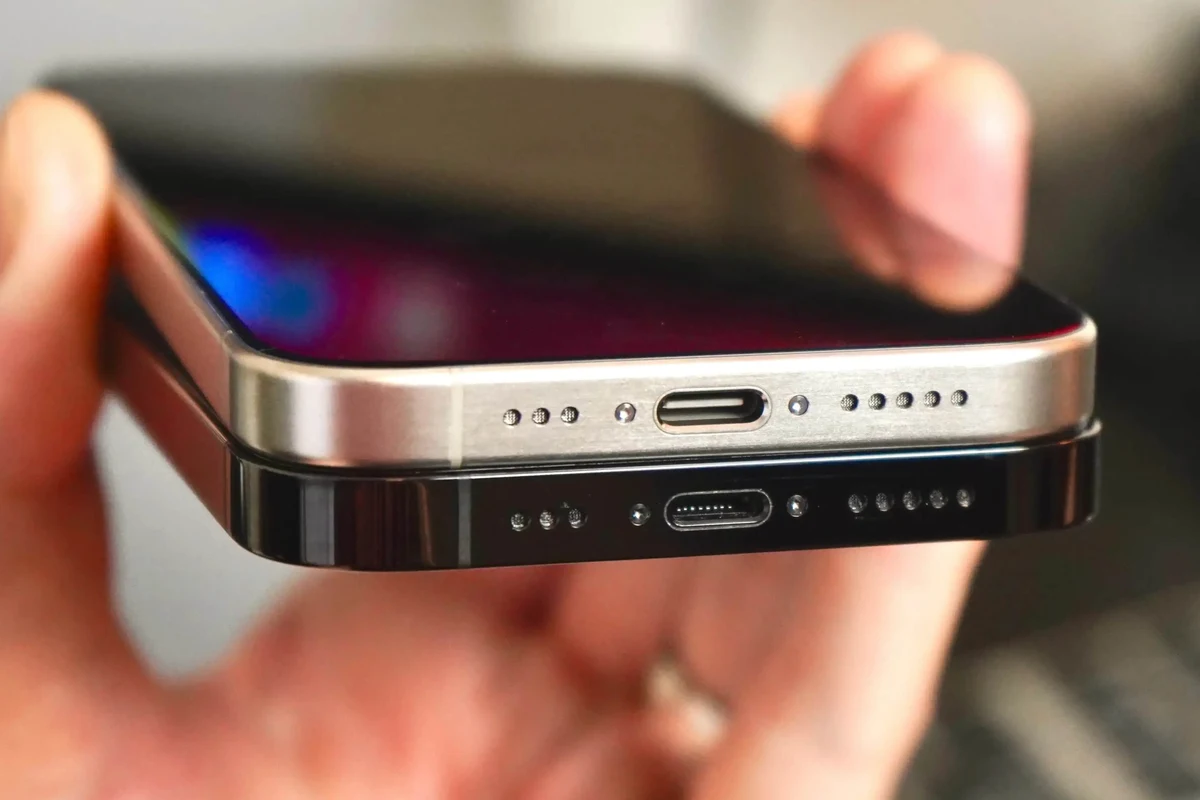
For most buyers, expect the charger itself to fall into a broad range rather than one fixed number. A simple certified wired charger is usually the lowest-cost option, while premium Apple-branded adapters and wireless charging gear cost more because of branding, materials, and added features.

Anker Prime 160W: One Compact Charger for Multiple Devices
This premium three-port GaN charger makes the most sense if you want one adapter for a phone, tablet, and USB-C laptop. Its value is multi-device convenience—not because an iPhone alone needs 160W.
- Three USB-C ports for a cleaner travel setup
- Up to 160W combined output for demanding devices
- Smart display and compact GaN design
Honest limitation: More power and expense than a phone-only user needs.
Check Current Price on AmazonSee product details →Verify the final iPhone 18 charging specifications before purchasing specifically for that device.
What Apple Is Likely to Include in the Box: Charger, Cable, or Neither?
Apple’s packaging strategy has shifted over time, and buyers should not assume a wall adapter will be included. The most realistic expectation is that the phone may come with a cable, while the charger itself may need to be purchased separately depending on the final product configuration and regional retail rules.
Why bundled chargers may stay excluded
Apple has historically emphasized smaller packaging and reduced accessory bundling, which lowers shipping size and cuts electronic waste. That approach also pushes buyers to use an existing charger or choose one that matches their charging habits instead of paying for a bundled accessory they may not need.
Box contents can vary by region, carrier bundle, and retail edition. Always confirm the current Apple product page or retailer listing before assuming a charger is included.
What that means for total cost in real-world buying
If the phone does not include a charger, the real purchase price is not just the phone price. You should budget for at least one compatible USB-C adapter and, in some cases, a better cable or a wireless pad if you want a cleaner desk setup or easier overnight charging.
Expected iPhone 18 Charger Price Range by Type
Because current official pricing for the iPhone 18 charger is not something you can safely assume in advance, the best approach is to think in categories. The final amount depends on wattage, brand, number of ports, cable quality, and whether the accessory is wired or wireless.
Apple-branded USB-C power adapter estimates
Apple-branded adapters usually sit at the premium end of the market. You are often paying for brand consistency, straightforward compatibility, and packaging that is easy to match with Apple’s own cable ecosystem, though not necessarily for the best price-to-performance value.
Third-party certified charger estimates
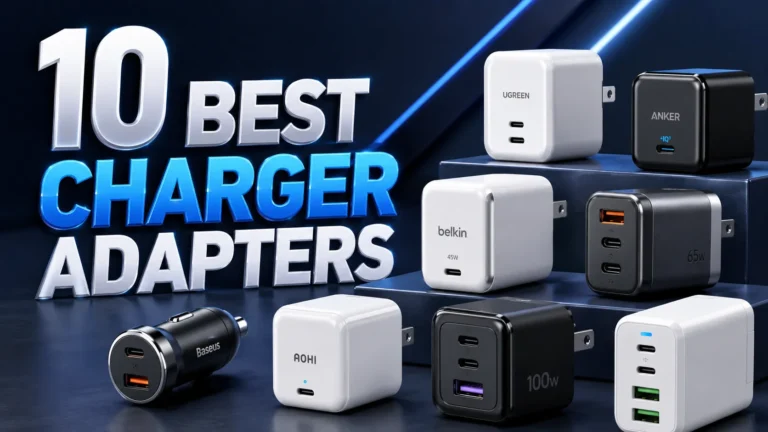
Certified third-party chargers often offer the best value for most people. A reputable USB-C adapter with proper safety certification can cost less than Apple’s version while still delivering reliable charging, especially if you only need one or two ports and do not care about brand matching.
Look for the charging standard and safety marks listed by the manufacturer, then verify them against the retailer page and the brand’s own documentation. If the listing is vague about wattage, cable support, or certification, choose a clearer option.
Wireless and MagSafe-style charging cost estimates
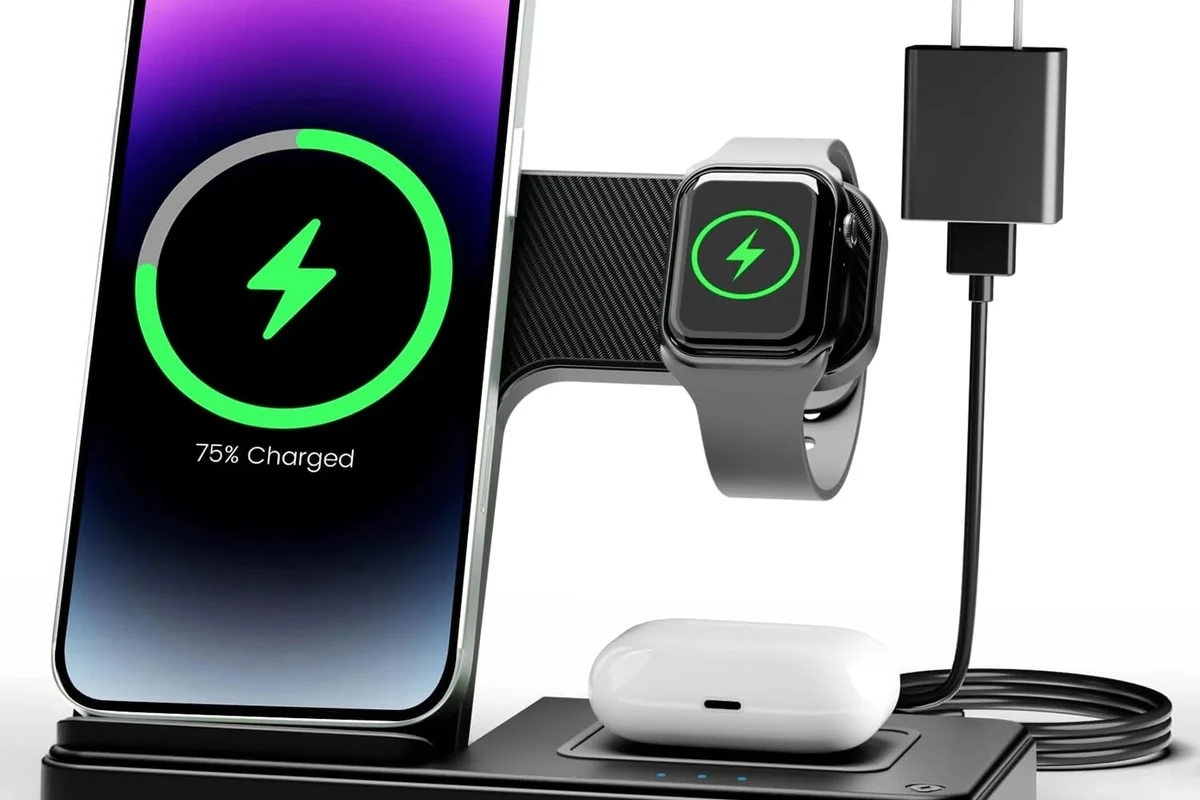
Wireless chargers usually cost more overall because you may need the pad or stand, a compatible power adapter, and sometimes a higher-wattage cable setup. They are convenient for desks and nightstands, but they are rarely the cheapest way to charge a phone.

Anker Prime Qi2.2 3-in-1: A Foldable Apple Charging Setup
This travel-ready station combines magnetic phone charging with dedicated charging positions for an Apple Watch and AirPods. It is a stronger fit for convenience-focused readers than for shoppers seeking the lowest charger cost.
- Qi2.2-certified magnetic charging design
- Charges three Apple-device categories in one place
- Foldable construction for travel and compact storage
Honest limitation: Final iPhone 18 wireless compatibility and maximum speed still need confirmation.
View Today’s Amazon AvailabilitySee product details →Confirm Apple’s final specifications and the current Amazon listing before buying for iPhone 18.
Key Specs That Affect the Price: Wattage, Cable Quality, and Safety
Charger pricing is strongly tied to what the accessory can actually do. Higher wattage, better thermal design, stronger cable construction, and multi-device support usually raise the price, but they can also improve convenience and long-term durability.
Recommended wattage ranges for fast and safe charging
The right wattage depends on how fast the iPhone 18 can accept power and whether you want headroom for other devices. A modest adapter may be enough for overnight charging, while a higher-wattage model can be useful for shared charging setups, tablets, or laptops if the charger supports them.
Phones only draw the power they need, so a higher-wattage charger is not automatically “too strong” as long as it is well made and compatible.
USB-C cable quality, power delivery support, and durability
The cable matters as much as the adapter. A low-quality USB-C cable can limit charging speed, wear out faster, or create a frustrating mismatch between the charger and the phone, especially if it does not properly support power delivery or the required current level.
Heat, inspection, and replacement guidance
Some warmth during charging is normal, but excessive heat is not. If a charger, cable, or plug shows discoloration, fraying, loose connections, buzzing, or repeated overheating, stop using it and replace it with a safer option from a reputable seller.
Do not keep using damaged charging gear, especially if it gets unusually hot, smells burnt, or sparks. Unplug it, let it cool, and follow the manufacturer’s replacement guidance.
Who the iPhone 18 Charger Is Best For
The best charger is not the most expensive one; it is the one that matches your routine. A student, remote worker, traveler, and gamer may all need different combinations of speed, portability, and port count.
Casual users, heavy users, travelers, and multi-device owners
Casual users often do fine with a simple single-port charger. Heavy users and multi-device households may prefer a higher-wattage adapter with multiple USB-C ports, while travelers usually benefit from compact designs and foldable plugs.
A certified mid-range USB-C charger is usually the best value for most iPhone buyers because it balances price, safety, and speed without paying extra for features they may not use.

Anker Prime 250W: Premium Power for a Complete Workspace
This six-port station is designed for households and workspaces that charge several devices every day. The premium price pays for total capacity, port selection, and desk organization—not extra charging speed for one iPhone.
- Six charging ports for a shared workspace
- Up to 250W total output for multi-device use
- LCD display for clearer power monitoring
Honest limitation: Too large and expensive for someone who only charges a phone.
Check Current Price on AmazonSee product details →The listing supports current Apple-device use; this is not a claim of confirmed iPhone 18 compatibility.
When a basic charger is enough and when to upgrade
A basic charger is enough if you charge mostly overnight, use one device at a time, and already own a compatible cable. Upgrade if you want faster top-ups, better travel convenience, or a charger that can also handle an iPad, earbuds, or another USB-C device.
Quick Comparison: Three Premium Charging Options
| Product | Best For | Setup | Premium Value | Amazon |
|---|---|---|---|---|
| Anker Prime 160W | Travel and mixed-device use | 3 USB-C ports | Compact power and smart display | Check price |
| Anker Prime 250W | Complete desk setup | 6-port station | Maximum multi-device capacity | Check price |
| Anker Prime Qi2.2 3-in-1 | Apple wireless setup | Phone, watch, earbuds | Foldable all-in-one convenience | Check price |
Amazon prices and availability change. Check the current listing before purchasing.
How to Choose the Right Charger in 2026
Choosing well means checking compatibility first and convenience second. The right accessory should fit your phone, your outlet setup, and your daily charging pattern without creating extra clutter or safety concerns.
Compatibility with iPhone 18 and older devices
Before buying, confirm that the charger and cable match the connector and charging standard your phone requires. If you also own older iPhones or other Apple devices, make sure the same charger can support them without forcing you to buy separate accessories.
Portability, charging speed, and number of ports
Compact chargers are easier to pack, but multi-port models are better for desks, bedside tables, and family charging stations. If you care about speed, compare the adapter’s output and the cable’s support rather than assuming every USB-C charger performs the same.
Value trade-offs between Apple, certified, and budget options
Apple-branded gear may cost more but can feel simpler to buy and match with the ecosystem. Certified third-party chargers often deliver the strongest value, while ultra-budget options can be tempting but are the most likely to cut corners on heat management, build quality, or clear labeling.
- Certified chargers can save money without sacrificing basic safety
- Multi-port models reduce clutter for homes and offices
- Wireless options add convenience for desks and nightstands
- Cheapest options may be unclear about certification or output
- Wireless charging usually costs more and can be slower
- Apple-branded accessories often cost more than necessary for many users
Common Mistakes Buyers Make When Shopping for an iPhone Charger
Most charger regrets come from rushing the purchase. A little checking up front can prevent slow charging, wasted money, or a setup that is inconvenient to use every day.
Choosing the wrong wattage or cable type
Some buyers pick an adapter that looks powerful but pair it with a cable that cannot fully support the setup. Others buy a charger that is more wattage than they need and then discover it does not include the right cable or the right number of ports.
Ignoring certification, heat output, and build quality
Certification and safety testing matter because chargers run on household power and can fail in ways that are more than just annoying. If a product has vague labeling, flimsy construction, or repeated heat issues, it is not a good bargain.
Overpaying for features you do not need
Fast charging, wireless pads, and premium materials are useful only if they fit your habits. If you mainly charge overnight at one outlet, you may not need a high-end multi-port dock or a costly magnetic stand.
- Check compatibility, model number, app requirements, dimensions, ports, wattage, and intended use
- Confirm safety guidance, warranty, return policy, privacy settings, and update support
Safe Use, Care, and Final Buying Recommendation
Once you buy a charger, safe use matters just as much as the purchase price. Good habits can extend the life of the adapter and cable while reducing heat, wear, and the chance of damage.
How to use and store the charger safely
Keep chargers away from water, direct sunlight, and cramped spaces that trap heat. Coil cables loosely, avoid sharp bends near the connector ends, and unplug the adapter by the plug rather than yanking the cable.
- Use a surge-protected outlet if your home setup is prone to power fluctuations
- Keep charging gear off soft surfaces that can trap heat
- Label family chargers if you own several similar USB-C adapters
When to replace it and what signs to watch for
Replace the charger if it becomes unusually hot, the cable cuts in and out, the plug feels loose, or the outer jacket cracks. If you are unsure whether a replacement is needed, check the manufacturer’s support page or warranty guidance before continuing to use it.
Stop using damaged electronics, swollen batteries, frayed cables, overheating chargers, or unstable appliances and follow the manufacturer’s guidance.
Transparent verdict on what to expect to pay in 2026
In practical terms, the iPhone 18 charger cost is likely to be modest for a basic certified wired option, higher for Apple-branded gear, and highest for wireless or multi-device setups. The best buy for most people is usually a reputable certified USB-C charger with the wattage and cable support that match their daily routine, rather than the cheapest listing or the fanciest accessory on the shelf.
Expect the iPhone 18 charger to range from budget-friendly wired options to premium-priced wireless or Apple-branded choices. If you want the safest balance of price and performance, choose a certified charger from a reputable brand and verify the current specs before you buy.
Choose by Setup, Not by the Highest Wattage
Pick the 160W model for compact multi-device charging, the 250W station for a complete desk, or the Qi2.2 model for a foldable wireless setup. For phone-only charging, a simpler certified USB-C adapter may offer better value.
Verify final iPhone 18 charging requirements, seller, price, and availability on Amazon.
Frequently Asked Questions
It may not include a wall adapter, since Apple has often sold iPhones with limited accessories. Check the official product page or retailer listing for the exact box contents before buying.
A basic certified USB-C charger is usually the lowest-cost option, while Apple-branded and wireless chargers cost more. The final price depends on wattage, port count, and brand.
Choose a wattage that matches the phone’s supported charging speed and your other devices. A higher-wattage charger is fine if it is certified and compatible, but the phone will only draw what it needs.
Use a quality USB-C cable that supports the charger’s output and the phone’s charging standard. A weak cable can slow charging or wear out faster than the adapter.
Look for clear wattage labeling, reputable certification, and solid build quality. Stop using any charger that overheats, smells burnt, sparks, or has frayed cables.
Wireless charging is convenient for desks and nightstands, but it usually costs more and may charge more slowly than wired options. It is best for convenience-focused users rather than shoppers trying to spend the least.