6 Best USB C Power Meter for Charging Picks for GadgetMakersBlog
Affiliate disclosure: As an Amazon Associate, Gadget Makers Blog may earn from qualifying purchases. This does not change the price you pay.
If you want a clearer view of how a USB-C charger, cable, phone, or power bank is behaving, a USB C power meter can make the setup much easier to understand. The challenge is choosing one that fits your charging gear, your budget, and the level of detail you actually need.
This GadgetMakersBlog guide compares six options for shoppers looking for the best USB C power meter for charging, with a focus on consumer electronics, accessories, and everyday charging workflows. Since no verified first-hand testing evidence is available here, the recommendations below are based on the supplied product details, ratings, review counts, and feature sets only.
If you want the most balanced pick, start with the USB C Tester Power Meter, 4-30V 0-6.5A model for its lower price, solid feature set, and broad charging-use coverage. If you need more headroom, the YOJOCK 360W 12A meter is a stronger alternative, while the YOJOCK USB C Tester 2-in-1 stands out for buyers who want the largest review base and broader device compatibility.
Quick Product Comparison
| Product | Image | Best For | Check Price |
|---|---|---|---|
| 1. USB C Tester Meter | 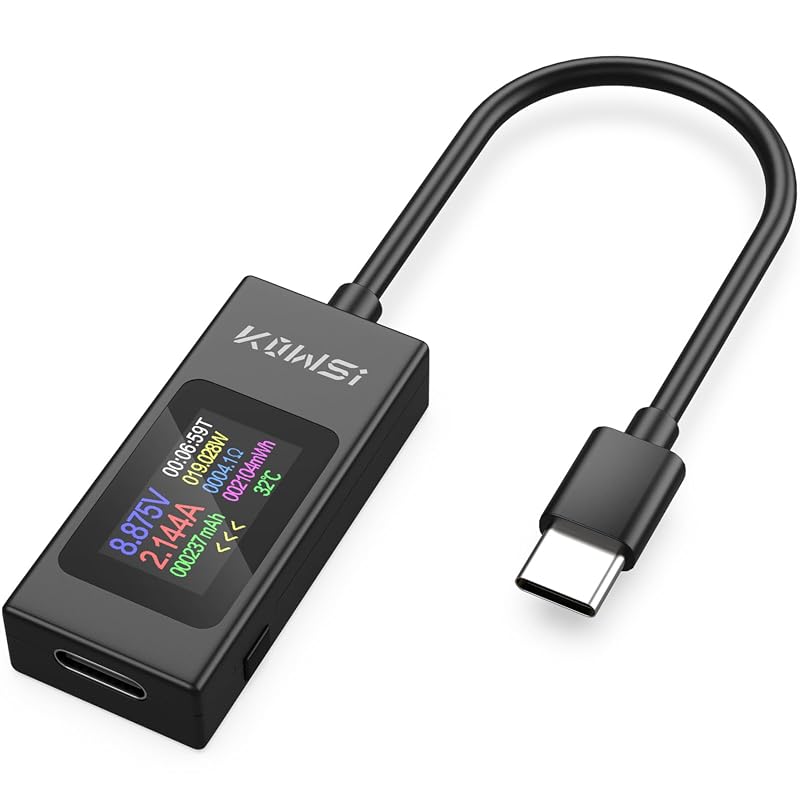 | Budget-friendly everyday charging checks | Check Price |
| 2. YOJOCK KWS-2303C Tester |  | Higher-current charging setups | Check Price |
| 3. YOJOCK USB C Tester | 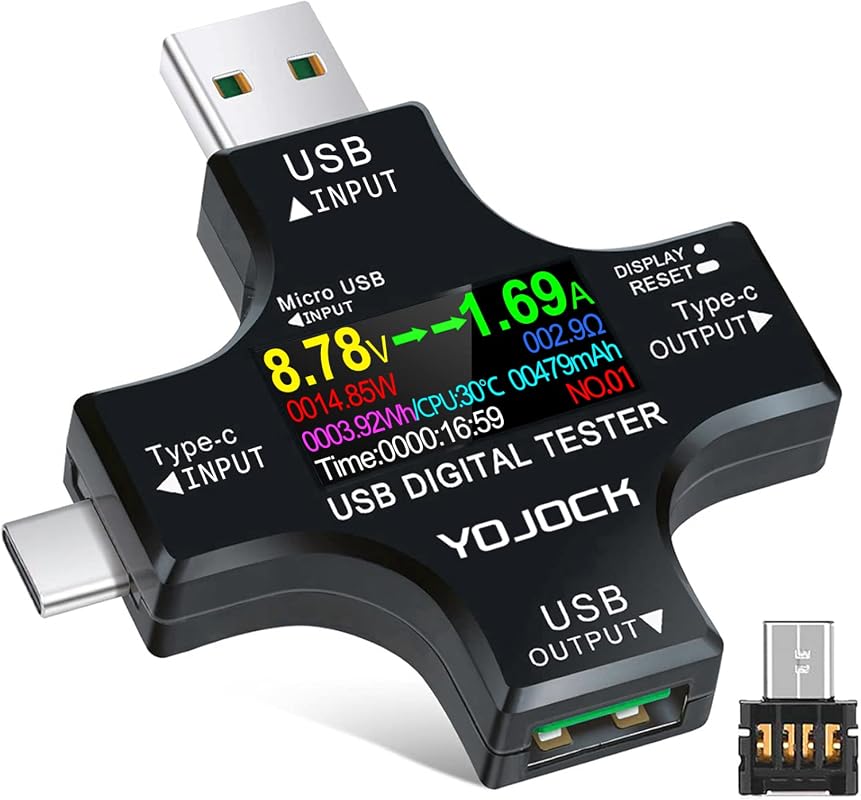 | Broad compatibility and power-bank checks | Check Price |
| 4. Eversame Type C USB Tester |  | Users who want a simple color-screen meter | Check Price |
| 5. KWS-2303C USB C Tester | 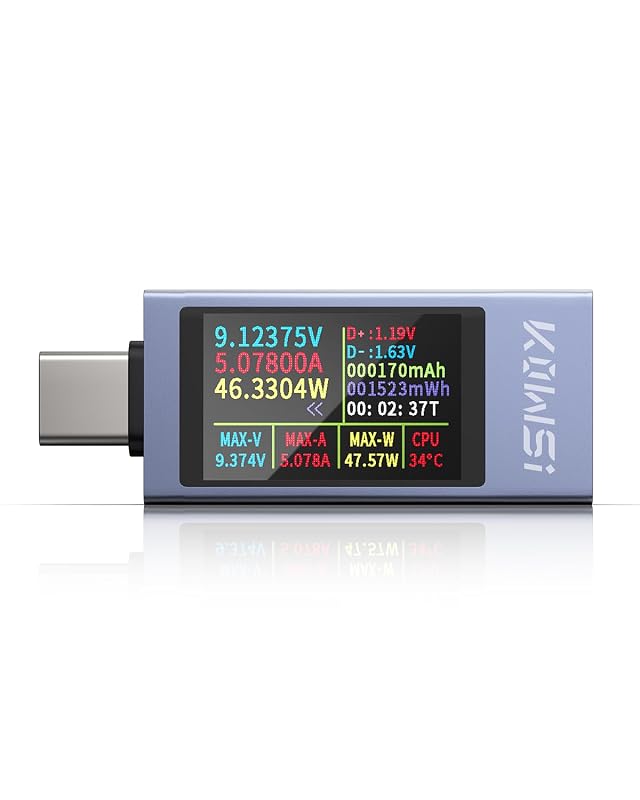 | Feature-rich monitoring and curve tracking | Check Price |
| 6. UGREEN USB C Cable | 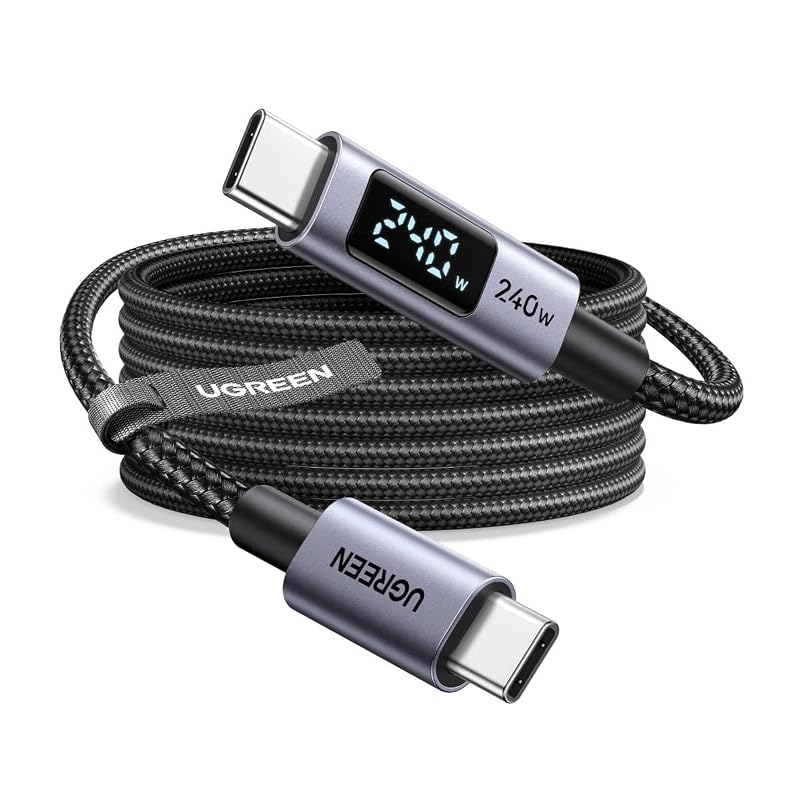 | Charging visibility in a cable form factor | Check Price |
What to Look for in best USB C power meter for charging
Measurement range and current headroom
Check the voltage and current range first, because that determines which chargers and devices the meter can actually handle. If you plan to monitor higher-current charging, look for the 12A options rather than the 6.5A or 8A models.
Display clarity and data fields
A readable screen matters when you are checking voltage, current, capacity, time, or temperature at a glance. If you want more detail, prioritize models that show multiple fields and let you switch screens easily.
Fast-charging protocol support
Support for common protocols such as PD and QC can help when you are checking modern USB-C chargers and cables. If your devices use a specific charging standard, verify the listing and manual before buying.
Compatibility with your devices
Match the meter to your actual setup, including USB-C phones, tablets, laptops, power banks, or car chargers. If you use an iPhone, MacBook, Galaxy, Chromebook, or other USB-C device, confirm the product listing names it as supported.
Safety and data retention features
Useful protection features include over-voltage, over-current, under-voltage, and low-energy safeguards. Power-off storage can also help if you want to review capacity or energy data later.
Practical form factor and workflow
Think about whether you want a compact plug-in meter, a larger display, or a cable with built-in readout. The easiest option is usually the one that fits naturally into your desk, travel, or troubleshooting routine.
- Use a known-good USB-C cable and a charger with an appropriate output rating before judging the meter’s readings.
- If the display stays blank, check whether the product requires an adapter or a specific trigger step in the manual.
- For power-bank checks, follow the seller’s stated discharge instructions instead of guessing at the math.
Our Top 6 Best Usb C Power Meter For Charging Picks and Reviews
1. USB C Tester Power Meter, 4-30V 0-6.5A, Voltage Current Capacity Temperature Detector
This is the most approachable all-around pick in the group if you want a lower-cost USB-C meter with a broad feature set. It focuses on charging diagnostics, screen readability, and protocol support without moving into the higher-current tier.
Key Features That Stand Out
- Measures 4V-30V and 0-6.5A, which suits many common USB-C charging setups.
- Supports PD2.0/3.0, QC2.0/3.0, FCP, SCP, AFC, PE, DASH VOOC, and Super VOOC.
- LED color display shows voltage, current, power, capacity, energy, time, current direction, CPU temperature, and D+/D- voltage.
- Button controls let you switch screens, rotate displayed content, and clear stored capacity or timing data.
- Listed accuracy is ±(1%+5), which is useful when you want more confidence in charge readings.
Why It Stands Out
The combination of a low price, broad protocol support, and a clear display makes this a strong starting point for everyday charging checks. It is especially appealing if you want a meter for phones, tablets, chargers, and power banks without paying for extra current headroom you may not need.
Best For
Pros and Cons
- Low entry price for a feature-rich meter.
- Wide protocol support for modern charging gear.
- Clear multi-data display for quick checks.
- Lower current ceiling than the 12A options.
- Shoppers needing advanced logging should verify whether the screen modes meet their needs.
2. YOJOCK 360W USB C Tester Power Meter, 4-30V 0-12A Type-C PD Digital Multimeter
This model is a better fit if you want more current headroom and a more advanced monitoring layout. The curve function gives it a more diagnostic feel for shoppers who like to watch charging behavior over time.
Key Features That Stand Out
- Measures 4V-30V and 0-12A with a high-current terminal for more stable use.
- Records max watt, current, and voltage during charging.
- Upgraded curve function can show real-time voltage and current with selectable time windows.
- Supports PD2.0/3.0, QC2.0/3.0, FCP, SCP, AFC, PE, DASH VOOC, and Super VOOC.
- Power-off storage helps preserve capacity and energy data after shutdown.
Why It Stands Out
The 12A ceiling and curve page make this a smart step up from entry-level meters. If you regularly compare chargers or want more visibility into how a device behaves while charging, this one offers more room to grow.
Best For
Pros and Cons
- Higher 12A current range than the lower-cost model.
- Curve view adds more useful charging detail.
- Power-off storage supports later review.
- Higher price than the entry-level options.
- Potential buyers should confirm the display layout suits their workflow.
3. YOJOCK USB C Tester 2-in-1 Digital Multimeter, 3.6-32V 0-8A Voltage Current Detector
This one offers the broadest review base in the roundup, plus a strong mix of display modes, protection features, and compatibility notes. It is a compelling middle-ground choice for shoppers who want more than the cheapest meter but do not need the very highest current ceiling.
Key Features That Stand Out
- Measures 3.6V-32V and 0-8A for a wider voltage span than some rivals.
- Detects voltage, current, capacity, electric quantity, power, temperature, resistance, charging time, and more.
- IPS color display offers 8 main screen interfaces with larger-font viewing on one mode.
- Includes an OTG adapter and supports USB-A or USB-C port use.
- Safety features include over-voltage, over-current, under-voltage, and low-energy protection.
Why It Stands Out
The combination of broad compatibility, a large review base, and practical safety functions makes this a strong value play. It is especially useful if you want one meter that can cover phones, chargers, cables, and power-bank capacity checks in a single tool.
Best For
Pros and Cons
- Wide voltage range and useful protection features.
- Large review count compared with the rest of the field.
- Multiple screen modes help with different use cases.
- 8A ceiling is lower than the 12A models.
- Power-bank capacity math and discharge steps should be checked carefully in the listing.
4. Eversame 2-in-1 Type C USB Tester, Color Screen LCD Voltage Current Detector
The Eversame meter is aimed at shoppers who want a straightforward color-screen tester with familiar charging diagnostics. It also includes safety features and a note about triggering PD mode, which may matter if you are setting it up for the first time.
Key Features That Stand Out
- Supports QC3.0, QC2.0, and BC1.2.
- Displays voltage, current, capacity, electric quantity, power, load impedance, D+/D- voltage, and other USB data.
- Offers 8 LCD main color screen display interfaces.
- Includes over-voltage, over-current, under-voltage, and low-energy protection plus alarm system.
- Can be used to test charger performance and power-bank energy.
Why It Stands Out
This is a sensible pick for buyers who prefer a simpler, familiar layout and a long-standing product with a large review count. It is less about maximum current and more about practical charging visibility in a compact tool.
Best For
Pros and Cons
- Clear LCD interface with multiple display modes.
- Safety and alarm features add peace of mind.
- Useful for charger and power-bank checks.
- Protocol list is narrower than some newer options.
- Shoppers should confirm the side-adapter setup if PD detection matters to them.
5. USB C Tester Power Meter, 4-30V 0-12A Type-C PD Digital Multimeter
If you want a 12A meter with a more information-dense display, this model is worth a close look. It is built for people who like to monitor more than just voltage and current, including peaks and direction.
Key Features That Stand Out
- Measures 4V-30V and 0-12A with a 12A high-current terminal.
- Supports PD2.0/3.0, QC2.0/3.0, FCP, SCP, AFC, PE, DASH VOOC, and Super VOOC.
- Upgraded curve function can show real-time voltage and current over selectable time windows.
- 1.06-inch ISP color display shows voltage, current, power, capacity, energy, time, maximum voltage, maximum current, maximum power, current direction, and CPU temperature.
- Accuracy is listed as ±(1%+5).
Why It Stands Out
This is one of the more feature-rich meters in the list, especially if you want to keep an eye on maximum values and live charging behavior. It suits users who prefer deeper visibility rather than a basic pass-fail readout.
Best For
Pros and Cons
- Strong 12A range for broader charging scenarios.
- Detailed display with max-value readouts.
- Curve function adds monitoring flexibility.
- Small display may feel busy for some shoppers.
- As with any meter, current and protocol support should be matched to the charger and cable used.
6. UGREEN 240W USB C Cable with Digital Display, PD 100W Fast Charging, 10ft
This option is different from the others because it is a cable with a built-in display rather than a standalone meter. It is a convenient choice if you want charging visibility without adding another separate accessory to your bag or desk.
Key Features That Stand Out
- Supports PD 100W protocol and 48V/5A high-power output.
- LED screen cycles through power, current, and voltage every 3 seconds.
- Built-in E-Marker chip for high-power, safe, and stable operation.
- 480Mbps data transfer support for file and video transfers.
- 10,000-cycle bend testing claim and a braided cable design for durability.
Why It Stands Out
This is the most travel-friendly option if you mainly want charging feedback built into the cable itself. It is less of a diagnostic meter and more of a convenient charging accessory with live readout.
Best For
Pros and Cons
- Built-in display keeps the setup simple.
- Long 10ft cable can help with flexible placement.
- Useful for users who want cable and monitor in one item.
- It is not a standalone meter, so advanced diagnostics are limited.
- Buyers should verify device compatibility and the needed charging profile on the current listing.
Always match the meter’s current range to your charger and cable, and use a cable rated for the power level you expect. If you are checking higher-output chargers, keep the setup ventilated and follow the product manual so you do not overload the meter or the connected device.
Complete Roundup for Best Usb C Power Meter For Charging
Best for simple USB-C checks and basic charging visibility, usually with lower current limits and fewer advanced screen features.
Best for most shoppers who want stronger compatibility, clearer displays, and more data fields without moving into specialty tools.
Best for users who want higher current headroom, curve tracking, or a cable-based display with more convenience.
Compatibility and intended use
For phones, tablets, laptops, and power banks, the safest approach is to match the meter to the exact port type and charging standard your gear uses. If you own an iPhone, Galaxy phone, MacBook, Chromebook, or other USB-C device, verify the listing’s support notes and the current product manual before you buy.
If you plan to use the meter with a car charger, wall charger, or power bank, confirm the voltage and current range first. If you want a cable-style solution instead of a standalone meter, the UGREEN cable is the only item here that builds the display into the cable itself.
Dos and Don’ts
- Choose a meter whose voltage and current range matches your charger and device.
- Use the meter with a known-good USB-C cable and follow the manual for reset or screen-switch steps.
- Check whether you need protocol support for PD, QC, or another charging standard.
- Do not assume every USB-C meter supports every fast-charging protocol.
- Do not exceed the device’s stated current range or ignore heat buildup.
- Do not rely on a cable display if you need deeper diagnostic data such as capacity or resistance.
Practical tips
- Keep one meter near your desk and one in your travel bag if you frequently compare chargers in different places.
- If you are checking power banks, follow the manufacturer’s discharge instructions and data-clearing steps closely.
- For the most readable setup, pick a display style that fits your eyesight and how far you sit from the screen.
Before ordering, confirm three things: your device uses USB-C or the supported adapter path, the meter’s current range covers your charger, and the charging protocol listed on the product page matches your gear.
- USB C Tester Meter: best low-cost all-rounder for everyday charging checks.
- YOJOCK KWS-2303C Tester: best if you want more current headroom and curve tracking.
- YOJOCK USB C Tester: best value for broad compatibility and a large review base.
- Eversame Type C USB Tester: best for buyers who want a simple color-screen meter.
- KWS-2303C USB C Tester: best for detailed monitoring and max-value readouts.
- UGREEN USB C Cable: best if you want charging visibility built into the cable.
- Always verify current range, protocol support, and device compatibility before buying.
- Use a rated cable and keep higher-output charging setups within the product’s stated limits.
Frequently Asked Questions About Best Usb C Power Meter For Charging
It can show charging data such as voltage, current, power, and sometimes capacity or temperature. That helps you see whether a charger, cable, or power bank is behaving the way you expect.
Not always. A lower-current meter can be enough for basic phone and tablet checks, but 12A models give you more headroom for stronger chargers and broader troubleshooting.
Yes, especially if you use modern fast chargers. If your devices rely on PD or QC, verify the listing says it supports the protocol you need.
Several of the listed meters support power-bank checks, but the exact process can vary. Follow the product instructions for charging, discharge, and data clearing before measuring capacity.
Check the meter’s voltage and current range, then confirm the laptop charger and cable fall within that range. Also make sure the meter supports the charging protocol used by your laptop setup.
They are useful for quick visibility, but they usually offer less diagnostic detail. If you want deeper charging analysis, a standalone meter is the better fit.
For most shoppers, the best USB C power meter for charging is the one that matches your current range, screen preferences, and charging ecosystem. If you want a simple entry point, the first pick is easy to recommend; if you want more diagnostic room, the 12A models are the better long-term choice.
If you only need a cleaner readout during everyday charging, the UGREEN cable is a convenient alternative. For buyers who want the most balanced standalone meter, the top and value picks in this guide are the safest places to start.
This roundup is based only on the supplied product records: titles, feature bullets, ratings, review counts, prices, and affiliate links. Because no verified first-hand testing evidence is available, the recommendations use evidence-based editorial judgment rather than claims of personal use, measurement, or benchmark results. We prioritized current range, protocol support, display usefulness, safety features, compatibility notes, and value for common charging workflows.