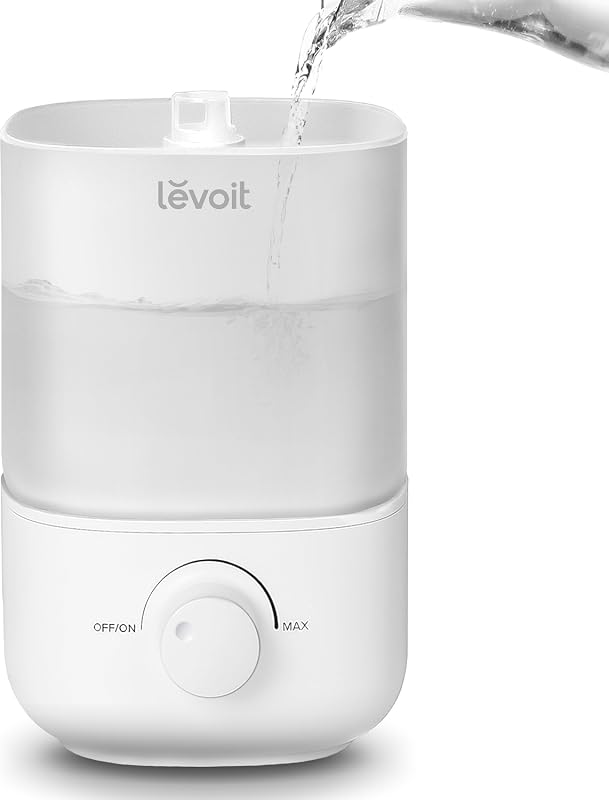
Advantages of Warm Mist Humidifier
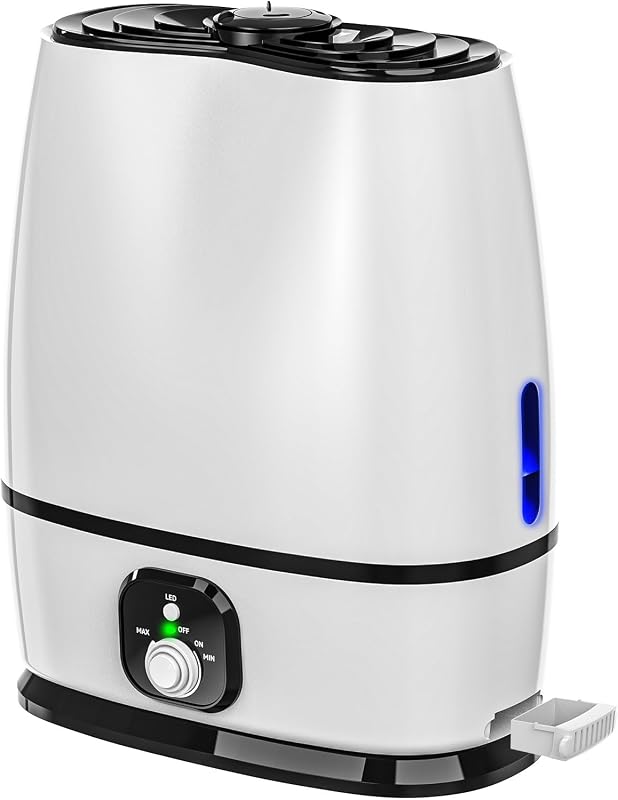
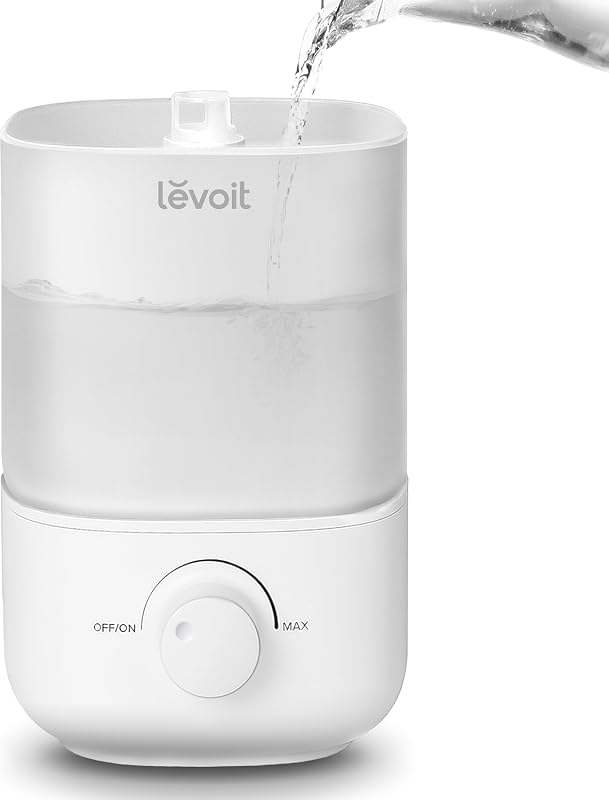
A warm mist humidifier can make dry indoor air feel easier to live with by adding moisture and a gentle sense of warmth to a room. The biggest advantages of warm mist humidifier models are comfort, simpler vapor output, and a fit for bedrooms, offices, and winter spaces where dry air is the main problem.
- Comfort boost: Warm mist can ease the dry, scratchy feeling caused by low indoor humidity.
- Winter-friendly: The heated output may make cool bedrooms and offices feel cozier.
- Safety matters: Heated water creates burn risk, so placement and supervision are important.
- Buy smart: Compare tank size, runtime, wattage, noise, and cleaning access before choosing.
Advantages of Warm Mist Humidifier: What It Does and Who It Helps

Quick answer: the main benefits in plain terms
Warm mist humidifiers add moisture to the air by heating water and releasing it as steam. That can help reduce the dry, tight feeling many people notice in the nose, throat, lips, and skin during heating season or in naturally dry climates.
They are often a good match for people who want a quieter, simpler humidifier experience and do not mind a unit that uses heat. In the right room, the added warmth can make the space feel more comfortable without changing your thermostat much.
How warm mist humidifiers improve comfort in dry indoor air
When indoor humidity drops too low, the air can feel scratchy and uncomfortable. Warm mist humidifiers help restore some moisture, which may make breathing feel less harsh and reduce that “dry room” sensation that often shows up overnight.
They can also be useful in homes with forced-air heating, since furnaces and space heaters often make air feel drier. If you are comparing options, it helps to think about the room’s climate, how often you need to refill the tank, and whether you want the slight warming effect that warm mist adds.
How a Warm Mist Humidifier Works
Heating element, steam production, and moisture output
A warm mist humidifier uses a heating element to warm water inside the tank or reservoir until it becomes steam or warm vapor. That vapor is then released into the room, where it adds humidity as it cools and mixes with the air.
Compared with ultrasonic models, warm mist units usually rely less on high-frequency vibration and more on heat-based vapor production. That means the design is often straightforward, but the exact output, noise, and energy use vary by model.
Typical tank capacity, runtime, and power use to check before buying
There is no single standard tank size or runtime for warm mist humidifiers, so the manufacturer’s specifications matter. A larger tank may reduce refill frequency, while a smaller unit may be easier to place on a nightstand or desk.
Power use also varies. Because warm mist models heat water, they generally draw more electricity than passive humidifiers, so it is smart to verify wattage, runtime estimates, and room coverage before you buy. If you want a broader comparison of moisture-related appliance care, our guide on how to get water out of an iPhone charging port shows why water and electronics always deserve careful handling.
Key Advantages for Everyday Use
Relieving dryness in the nose, throat, and skin
One of the most practical benefits is comfort. In dry air, the nose and throat can feel irritated, and skin may feel tight or flaky. Adding moisture can make a room feel less harsh, especially overnight or during long stretches of indoor heating.
People with frequent dry-air discomfort often notice the difference most in the morning, when the room has been closed up for hours. A warm mist unit will not solve every cause of irritation, but it can reduce one common environmental trigger.
Helping bedrooms feel warmer and more comfortable in winter
Warm mist humidifiers can make a room feel cozier because the output is heated. That extra warmth is usually modest, but it may help a bedroom, basement office, or cold guest room feel less chilly without raising the thermostat much.
This can be especially appealing in winter homes where the air feels dry and cool at the same time. The comfort benefit is subtle, but for some users that combination matters more than saving a small amount of energy or minimizing heat output.
Potential support for congestion and nighttime breathing comfort
Moist air may help some people feel less congested at night, especially when dry air is making nasal passages feel irritated. It is not a medical treatment, but it can support a more comfortable sleep environment when dryness is part of the problem.
For readers dealing with nighttime dryness, it is worth pairing humidifier use with good room habits: keep the tank clean, avoid over-humidifying, and follow the manufacturer’s guidance. If symptoms persist or worsen, a healthcare professional can help sort out whether the issue is environmental or medical.
- Use a hygrometer if you want to avoid guessing about room humidity.
- Keep doors and windows closed when running the humidifier in a small room.
- Match the model to the room size instead of assuming “bigger is better.”
Who a Warm Mist Humidifier Fits Best
Best use cases for families, allergy-sensitive users, and cold-climate homes
Warm mist humidifiers often fit best in homes where dry air is a seasonal problem, such as apartments with strong heating systems or houses in colder climates. They can also work well for adults who want a simple bedside or office humidifier and prefer the warmer feel of steam-based moisture.
Allergy-sensitive users may like the straightforward design, but results depend on cleaning habits and room conditions. Humidifiers do not replace air filtration, and too much humidity can create new problems if you are not monitoring the space.
When warm mist is a better fit than cool mist
Warm mist can be the better choice when the room already feels cold, when you want a quieter steam-style output, or when you prefer a unit that does not blow a cool stream of air. It can also feel more comfortable in winter bedrooms where a slight warming effect is welcome.
Some people simply prefer the sensory experience of warm vapor over cooler moisture output. That preference matters, especially if the humidifier will run for long periods in a sleeping space or home office.
When it may not be the right choice for children, pets, or very hot rooms
Warm mist is not always the safest or most practical option in homes with small children or curious pets, because the heated water and steam can create burn risk. If the unit will sit within reach, a cool mist model may be a safer fit.
It may also be a poor choice for already warm rooms, since the added heat can make the space feel stuffy. In those cases, a cooler-output humidifier may deliver the moisture benefit without making the room less comfortable.
What to Compare Before You Buy
Tank size, room coverage, runtime, and refill frequency
Start with the room you want to humidify. A bedroom, office, or nursery-sized space may only need a compact model, while a larger living area usually needs higher coverage and a tank that can run long enough to be useful.
Refill frequency is just as important as tank size. A unit that sounds good on paper can become annoying if it needs constant refilling, so compare the manufacturer’s runtime estimate against your daily routine.
Noise level, auto shutoff, adjustable output, and cleaning access
Warm mist humidifiers are often quieter than you might expect, but noise still varies by fan design, boil system, and housing. If you are sensitive to sound at night, look for a model with a low-noise reputation in the official specs or manual.
Auto shutoff is a valuable safety feature, and adjustable output helps you avoid making a room too damp. Cleaning access matters too: a humidifier that is hard to open or descale is more likely to be neglected, which can reduce performance over time.
Wattage, cord quality, safety features, and warranty details to verify
Because these devices heat water, wattage matters more than many buyers expect. Check the rated power, cord length, plug type, and any listed safety protections before you assume a model will fit your outlet setup or power habits.
Also verify the warranty terms, what parts are covered, and whether replacement tanks, filters, or accessories are available. If the manufacturer offers an app or smart controls, confirm whether they are required or optional, since features can vary by model and firmware version.
- Check room size, tank capacity, runtime, and refill frequency.
- Confirm wattage, cord length, auto shutoff, and cleaning access.
- Verify warranty terms, replacement parts, and the official manual.
Limitations, Risks, and Common Mistakes
Burn risk, overheating concerns, and safe placement
The biggest drawback of warm mist humidifiers is heat. Any appliance that boils or heats water deserves careful placement, especially around children, pets, bedding, curtains, and cluttered surfaces.
Use a stable, level surface and keep the unit where it cannot be knocked over easily. If a cord is frayed, the tank is cracked, or the unit shows signs of overheating, stop using it and follow the manufacturer’s guidance.
Mineral buildup, white dust, and water quality issues
Warm mist models can still develop mineral buildup if you use hard water. Over time, that buildup may affect performance and make cleaning more important.
Depending on the design and water quality, residue can also appear in or around the tank. Regular descaling and the right water type for your model can help reduce maintenance headaches.
Over-humidifying a room and ignoring humidity targets
More humidity is not always better. If a room becomes too damp, you may notice condensation on windows, a heavier feeling in the air, or general discomfort.
That is why it helps to monitor humidity instead of running the humidifier on the highest setting all the time. A simple hygrometer can make a big difference in keeping the room comfortable rather than muggy.
Safe Setup, Use, and Maintenance
Where to place it, how far to keep it from walls and bedding
Place the humidifier on a flat, stable surface with enough open space around it for steam to disperse safely. Keep it away from walls, curtains, bedding, and electronics so moisture does not collect where it should not.
For bedrooms, avoid putting it right next to the pillow or directly beside fabrics that can trap heat. The safest layout is usually a little farther away, with the steam path pointed into open air.
Daily refilling, descaling, filter or wick checks, and inspection habits
Refill the tank as directed by the manual, and do not overfill it. Empty standing water regularly, since stagnant water can create odor and cleaning issues even in a warm mist design.
If your model uses a filter, wick, or other replaceable part, check it on the schedule the manufacturer recommends. A quick inspection for cracks, mineral deposits, loose parts, or unusual smell is one of the easiest ways to keep the unit working well.
Storage, cleaning frequency, and replacement guidance for worn parts
Before storage, empty the tank, clean it according to the manual, and let all parts dry fully. Storing a humidifier while damp can encourage odor and residue buildup.
Cleaning frequency depends on water quality and usage, but regular maintenance is essential. Replace worn parts when the manufacturer says to do so, and do not assume that a part will last indefinitely just because the main unit still powers on.
Final Verdict: Is a Warm Mist Humidifier Worth It in 2026?
Value summary, ideal buyer, and transparent recommendation
For the right user, the advantages of warm mist humidifier models are clear: they add moisture, can make a room feel cozier, and often suit dry winter spaces very well. They are especially appealing if you want a simple comfort upgrade for a bedroom, office, or other small-to-medium room.
The main tradeoff is heat and maintenance. If you need a family-safe option for a shared space, or if your room already runs warm, a different type may fit better. The best choice is the one that matches your room size, safety needs, and cleaning habits—not just the one with the strongest steam output.
Practical alternatives if warm mist is not the best match
If burn safety is a concern, a cool mist humidifier may be the better option. If your main goal is whole-home humidity control, a furnace-mounted or whole-room solution may be more appropriate, though those also need proper maintenance and verification against the home’s setup.
For many buyers, the smartest next step is simple: compare room size, safety, wattage, and cleaning effort before choosing. That makes it much easier to pick a humidifier you will actually use consistently.
Frequently Asked Questions
It adds moisture to dry indoor air and can make a room feel a little warmer and more comfortable. Many people like it for bedrooms and winter use.
It can be, especially if you want a cozy feel in a cold room. Cool mist is often the safer pick when children or pets are nearby.
They can be used safely with careful placement, but heated water and steam can cause burns. If the unit will be within reach, a cool mist model is usually safer.
Follow the manufacturer’s cleaning schedule, since frequency varies by model and water quality. Regular descaling and cleaning help prevent buildup and odor.
Check tank size, runtime, room coverage, wattage, auto shutoff, and cleaning access. Also verify warranty terms and replacement part availability.
Yes, especially in smaller rooms or if it runs too long. A hygrometer helps you keep humidity in a comfortable range.