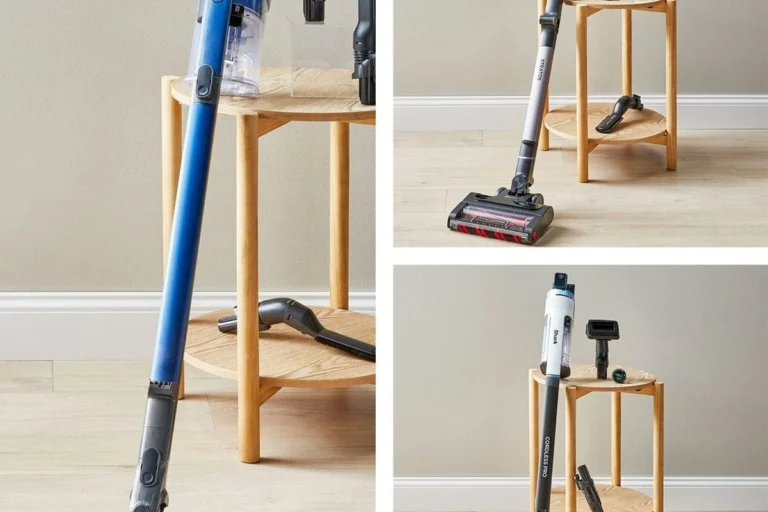
Best Handheld Vacuum and Blower for Easy Cleanup
The best handheld vacuum and blower is a lightweight cordless model with solid runtime, useful nozzles, and easy filter maintenance for fast dry messes. It is most worth buying for cars, desks, kitchens, stairs, and other small cleanup jobs where a full-size vacuum feels like overkill.
A handheld vacuum and blower is one of the most practical small cleaning gadgets for fast messes. The best option for most people is a lightweight cordless model with usable suction, a narrow crevice tool, washable filter access, and enough runtime for cars, desks, stairs, and quick spot cleaning without pretending to replace a full-size vacuum or yard blower.
- Best use: Ideal for quick dry messes in cars, desks, kitchens, and entryways.
- Top priority: Compare runtime, weight, filter type, and included attachments before power claims.
- Main limit: It will not replace a full-size vacuum, shop vac, or leaf blower.
- Safety check: Avoid liquids, hot ash, damaged chargers, and overheating batteries.
- Value tip: Replacement filters and clear warranty support matter more than flashy marketing.
Best Handheld Vacuum and Blower for Easy Cleanup: Quick Answer and Who Should Buy One
If you want one compact gadget for crumbs, dust, pet hair, keyboard debris, and light outdoor messes, a 2-in-1 handheld vacuum and blower makes sense. It saves storage space, reduces the need for separate tools, and handles the kind of short cleanup jobs that feel too small for dragging out a larger machine.
What this 2-in-1 gadget does best in 2026
In 2026, the main appeal is convenience rather than raw power. Good models switch quickly between suction and airflow, charge over common cables or included adapters, and come with small nozzles that help reach cup holders, sofa seams, vents, and desk corners.
That makes them especially useful for “micro-cleaning” tasks: cleaning dry crumbs after breakfast, blowing dust out of a window track, vacuuming around a gaming setup, or clearing light debris from a workbench. If that sounds like your routine, this category is worth considering.
Who it fits: apartments, cars, desks, workshops, and pet owners
This type of cleaner fits people with limited storage, shared living spaces, and lots of small messes. Apartment dwellers often like the small footprint. Drivers benefit from quick car cleanups without a cord. Remote workers and gamers can use blower mode for dust in desk areas, while vacuum mode helps with crumbs and lint.
Pet owners may also find it helpful for fur on cushions, cat litter around a box, or dry debris near food bowls, though results vary widely by nozzle design and filter quality. For larger fur loads, a stronger stick vacuum may still be the better tool. If you are comparing larger options, GadgetMakersBlog also has a guide to which cordless vacuum is best for pet hair.
How a Handheld Vacuum and Blower Works

Vacuum mode vs blower mode
In vacuum mode, the motor spins a fan that creates negative pressure, pulling air and debris into the dust bin through a filter. In blower mode, the same motor redirects air outward through a nozzle. Some models switch modes with a button, while others require moving the nozzle or attachment to a different port.
Vacuum mode is better for collecting dirt you want contained. Blower mode is better for shifting dust out of crevices, clearing dry leaves from a doorstep, or pushing debris out of tight keyboard gaps before vacuuming it up. For many users, the real value is having both options in one device rather than buying two separate compact tools.
Motor power, airflow, suction, and battery basics
Specs can be confusing because brands may advertise wattage, airspeed, airflow, or suction pressure, and those numbers are not interchangeable. Higher motor wattage does not automatically mean better cleaning if the airflow path, seal quality, and attachments are poor.
For practical buying, look at the full picture: how much air the unit moves, how well it maintains suction as the bin fills, and how long it runs before power drops. Battery size matters too. A handheld cleaner that feels powerful for two minutes but fades quickly may be less useful than a slightly weaker model with steadier output.
If battery longevity is a major concern, prioritize models with replaceable packs or clearly listed replacement parts. Readers comparing cordless cleaning tools more broadly may also want to see our guide to a cordless vacuum with a replaceable battery.
Battery runtime, suction, and charge speed can vary by power mode, filter condition, attachment used, ambient temperature, and firmware or charging behavior on some models. Always confirm the official specifications for the exact version sold in your region.
Why attachments and nozzle design matter for real cleanup
Attachments often matter more than buyers expect. A crevice tool helps in seat rails and baseboards. A brush nozzle can loosen dust on vents and fabric. A wider opening may work better for crumbs, while a narrow blower tip improves airflow concentration for corners and electronics.
Nozzle shape also affects whether debris gets lifted or simply pushed around. That is why two handheld units with similar advertised power can perform very differently in real homes and cars. If the included accessories are weak, expensive to replace, or difficult to store, daily convenience drops fast.
How to Choose the Best Handheld Vacuum and Blower
Key specs to compare: dimensions, weight, bin size, airflow, suction, runtime, and charge time
Start with size and weight. A compact unit is easier to keep in a car door pocket, kitchen drawer, or closet shelf, but very small designs can have tiny bins and shorter runtimes. If you expect to clean stairs or a car interior often, weight matters more than it does for desk use.
Then compare dust bin size, runtime, and charge time. A small bin is fine for occasional crumbs but frustrating for pet hair or workshop debris. Runtime should match your actual cleaning pattern. For many buyers, 8 to 20 minutes of usable output is enough for spot cleaning, but only if the unit maintains performance during that period.
Battery type, rated wattage, charger quality, cable durability, and safe heat levels
Look for clear battery information and charging instructions in the manual. A reputable brand should explain the battery type, expected charging method, and safe operating limits. If the charger or cable feels like an afterthought, that is a warning sign for long-term reliability.
For USB-charged models, verify whether a cable is included and whether the manufacturer recommends specific adapter output ranges. Heat matters during both charging and heavy use. A device that becomes unusually hot, smells odd, or charges inconsistently should be unplugged and checked against the manufacturer’s safety guidance.
Use only the charger, cable, and adapter type recommended by the manufacturer. Stop using the device if the battery swells, the housing cracks, the cable frays, or the unit overheats during charging or normal dry cleanup.
Noise, filter type, consumables, and replacement part availability
Compact motors can be surprisingly loud, especially in blower mode. If you live in a small apartment or expect to clean around children, pets, or shared workspaces, noise is worth checking before you buy.
Filter design matters just as much. Washable filters can reduce ongoing costs, but only if replacements are easy to find when the original wears out. If the device uses proprietary consumables, verify availability first. This is one of the easiest ways to avoid buying a gadget that becomes disposable too soon.
Warranty, return policy, and app or smart features to verify before buying
Most handheld vacuum and blower models do not need smart features, but some may include battery indicators, dock alerts, or companion app support in broader ecosystems. If a product mentions connected features, confirm app compatibility, account requirements, and update support before purchasing.
Warranty and return terms are especially important for battery-powered gadgets. Read the official policy for coverage length, battery exclusions, accessory exclusions, and who pays shipping on a claim. If you are evaluating cordless options across categories, our cordless vacuum blower guide can help frame the trade-offs.
Best Use Cases: Where a Handheld Vacuum and Blower Delivers the Most Value
Car interiors, child seats, and trunk messes
Cars are one of the strongest use cases. A handheld unit is easier to maneuver around pedals, seat tracks, cup holders, and door pockets than a full-size vacuum. Blower mode can push dust from trim edges and vents before vacuum mode collects it.
For child seats and trunk liners, a crevice tool and brush are especially helpful. Dry crumbs, sand, lint, and light dirt are realistic targets. Wet spills, sticky residue, and deeply embedded carpet debris are not.
Keyboard dust, home office setups, and electronics-safe cleaning habits
Desk setups benefit from the blower side, but care matters. Short, controlled bursts can move dust out of corners, ports, and key gaps. Vacuum mode can then pick up the debris from the desk surface.
Avoid pressing hard attachments directly against delicate screens, exposed connectors, or spinning fan openings. For electronics, the goal is gentle dust removal, not aggressive force.
- Use the lowest effective power around keyboards, routers, speakers, and console vents.
- Blow dust away from the device first, then vacuum the surrounding surface.
- Remove larger paper clips, screws, and sharp debris by hand instead of pulling them through the motor path.
Kitchen crumbs, sofa gaps, stairs, and entryway debris
These are classic handheld jobs. Crumbs under a toaster, cereal around a high chair, lint in sofa seams, and dry dirt on stairs all suit a compact vacuum and blower well. You save time because the tool is easy to grab, use, empty, and put away.
Entryway cleanup is another strong fit, especially for dry leaves, grit, and dust near thresholds. Just keep expectations realistic: larger gravel, wet mud, and thick debris loads will overwhelm many compact units.
Garage benches, small DIY messes, and light outdoor cleanup
In a garage or hobby area, these devices work best for sawdust-light debris, bench dust, packaging scraps, and dry shavings in small amounts. Blower mode can clear corners and tool drawers, while vacuum mode helps collect the loosened mess.
For bigger workshop cleanup, heavy dust loads, or larger outdoor areas, step up to a more capable machine. If your needs go beyond quick spot cleaning, a commercial cordless vacuum or a dedicated blower may be more appropriate.
Limitations and Practical Trade-Offs to Know Before You Buy
What these compact cleaners cannot replace
A handheld vacuum and blower is not a replacement for a full stick vacuum, shop vac, or leaf blower. It is a convenience tool. That difference matters because many disappointing purchases happen when buyers expect deep carpet cleaning, large-room coverage, or heavy outdoor debris removal from a palm-sized device.
Runtime limits, noise, dust capacity, and performance loss on heavy debris
Most trade-offs come down to battery size and airflow. Small bodies limit battery capacity, dust storage, and motor cooling. That can mean short sessions, louder operation, and reduced performance once the filter starts clogging or the bin fills.
Heavy sand, dense pet hair, damp debris, and larger particles can also reduce effectiveness quickly. The smaller the air path, the easier it is for performance to drop if the wrong material goes through it.
When a dedicated vacuum or leaf blower is the better choice
If you regularly clean rugs, large upholstery surfaces, garages, or outdoor patios, a dedicated vacuum or blower is the better investment. Separate tools usually offer better ergonomics, longer runtime, larger collection capacity, and stronger sustained performance.
That does not make the 2-in-1 concept bad. It just means it works best as a secondary cleaner for fast, frequent messes rather than your only cleaning machine.
Setup, Safe Use, and Common Mistakes to Avoid
Initial setup, charging, filter check, and attachment installation
Before first use, inspect the box contents, remove any shipping inserts, charge the battery as directed, and confirm the filter is seated correctly. Then attach the right nozzle for the job rather than using the default opening for everything.
- Check the official manual for charging method, runtime claims, filter care, and dry-use limits.
- Confirm attachment fit, replacement filter availability, warranty coverage, and return terms.
- Verify the exact model number because included nozzles and chargers can vary by seller or region.
Safe use limits: liquids, hot ash, fine powders, and overheating risks
Most handheld vacuum and blower models are designed for dry debris only unless the manufacturer clearly states otherwise. Liquids, hot ash, fireplace residue, and ultra-fine powders can damage filters, coat internal parts, or create heat and airflow issues.
Do not run the unit continuously beyond the recommended limit. If airflow drops sharply or the body becomes unusually hot, stop, empty the bin, inspect the filter, and let the device cool.
Battery inspection, charger replacement guidance, and signs of cable damage
Check the charging cable and port regularly for bent connectors, loose fit, cracking, or exposed wire. Charger replacements should match the official specifications for voltage, connector type, and output guidance. If the manufacturer sells approved replacements, that is usually the safest route.
Stop using damaged electronics, swollen batteries, frayed cables, overheating chargers, or unstable appliances and follow the manufacturer’s guidance.
Common mistakes that reduce suction, airflow, and battery life
The biggest mistakes are simple: not emptying the bin soon enough, reinstalling a damp filter, blocking vents with your hand, charging with the wrong adapter, and trying to vacuum materials the device was never meant to handle.
Another common mistake is storing the device fully discharged for long periods. For battery health, follow the official storage guidance and recharge before the battery sits empty for too long.
Maintenance, Cleaning, and Storage for Long-Term Performance
How often to empty the dust bin and clean or replace filters
Empty the bin after each noticeable cleanup session or sooner if debris reaches the marked fill line. Filters should be cleaned or replaced on the schedule in the manual, and more often if you frequently pick up lint, pet hair, or fine dust.
If the filter is washable, let it dry completely before reinstalling. A damp filter can reduce airflow and may create odor or motor strain.
Inspecting seals, vents, battery contacts, and moving parts
Periodically inspect the dust bin seal, intake opening, exhaust vents, nozzle connections, and battery contacts if the battery is removable. Small cracks, loose seals, or packed dust around vents can noticeably reduce performance.
Also check for hair wraps or debris around any moving brush attachment. A small blockage can make a compact cleaner feel much weaker than it really is.
Best storage practices for small homes, cars, and garages
Store the unit in a cool, dry place away from direct sun, heaters, and damp floors. In a car, avoid leaving it in extreme heat for long periods unless the manufacturer specifically allows that storage condition. In garages, keep it off the ground and away from water exposure and heavy dust when charging.
Final Buying Verdict: Which Handheld Vacuum and Blower Is Worth It for Your Needs
Best for quick daily cleanup vs occasional deep spot cleaning
If your goal is quick daily cleanup, prioritize light weight, easy charging, a narrow nozzle, and fast emptying. If your goal is occasional heavier spot cleaning, place more emphasis on bin size, filter quality, replacement parts, and sustained runtime rather than the smallest possible design.
How to judge value without overpaying for weak specs or gimmicks
The best value usually comes from a model with honest basics: clear battery info, useful attachments, replaceable filters, safe charging guidance, and realistic runtime claims. Fancy marketing terms matter less than whether the device fits your actual messes and can be maintained over time.
Transparent recommendation and evidence limits to keep in mind
For most buyers, the best handheld vacuum and blower is a cordless, dry-use model that stays light in the hand, includes a crevice tool and blower nozzle, and has easy-to-find filter and charger support. Skip ultra-cheap options with vague specs, unclear warranty language, or no replacement parts path, and verify official details before buying because performance and included accessories vary widely by model.
A handheld vacuum and blower is worth it if you want fast cleanup in cars, desks, kitchens, and tight spaces without storing multiple tools. It is a smart secondary cleaner, but shoppers who need longer runtime, deeper carpet pickup, or stronger outdoor airflow should choose a dedicated vacuum or blower instead.
Frequently Asked Questions
It is best for people who deal with frequent small messes in cars, apartments, desks, stairs, and workshops. It works especially well as a secondary cleaner rather than a replacement for a full-size vacuum.
Focus on weight, runtime, charge time, dust bin size, filter type, and included attachments. Also verify whether replacement filters, batteries, and chargers are easy to get.
Yes, it is one of the best use cases for this gadget. It works well for dry crumbs, dust, lint, and light dirt in cup holders, seat rails, door pockets, and trunks.
Empty the bin after each meaningful cleanup session or when it reaches the fill line. Clean or replace the filter based on the manual, and sooner if airflow drops or you vacuum lots of lint or fine dust.
Usually no, unless the manufacturer clearly states wet-use support. Avoid liquids, hot ash, fireplace debris, and very fine powders because they can damage filters, airflow paths, or the motor.
Check the official manual, warranty terms, return policy, charging method, and replacement part availability. Also confirm the exact model number because accessories and battery details can vary by seller or region.