Best Handheld Vacuum Bags for Cleaner Homes
The best handheld vacuum bags are the ones that match your exact model, seal well, and filter fine dust without hurting airflow. For most homes, multi-layer synthetic bags or OEM replacements offer the best balance of cleanliness, fit, and value.
Handheld vacuum bags are worth buying when they fit your exact vacuum model, seal tightly, and use multi-layer filtration that traps fine dust without choking airflow. For most homes, the best choice is a bag that balances clean disposal, decent capacity, and easy-to-verify compatibility rather than the cheapest pack on the shelf.
- Fit first: Exact model compatibility matters more than brand claims or low price.
- Filtration matters: Multi-layer synthetic bags are usually better for fine dust and allergy control.
- Capacity affects suction: Overfilled bags can reduce airflow and make cleanup messier.
- OEM is safest: Manufacturer bags reduce fit and warranty concerns on picky models.
- Use limits apply: Most handheld vacuum bags are for dry debris only, not ash or wet messes.
Best Handheld Vacuum Bags for Cleaner Homes: Quick Answer and Top Picks for 2026

If you want the shortest path to a cleaner, lower-mess cleanup routine, focus on four bag types: high-filtration bags for allergy control, tougher bags for pet hair and frequent crumbs, budget multipacks for routine use, and original manufacturer bags when fit or warranty concerns matter most. The right pick depends less on branding and more on how well the bag matches your vacuum’s intake collar, chamber size, and filtration design.
| Option | Best For | Key Consideration |
|---|---|---|
| Multi-layer synthetic filtration bags | Fine dust and allergy-sensitive homes | Check airflow resistance and exact model fit |
| Reinforced everyday bags | Pet hair and frequent spot cleaning | Look for strong seams and good fill capacity |
| Budget multipacks | Regular kitchen, car, and sofa cleanup | Verify seal quality before buying in bulk |
| OEM replacement bags | Warranty-safe compatibility | Usually cost more but reduce fit guesswork |
What makes a handheld vacuum bag worth buying
A good handheld vacuum bag does three jobs at once: it holds debris securely, filters dust before it reaches the motor area, and preserves enough airflow for useful suction. The best options usually use layered paper or synthetic fabric, a sturdy cardboard or plastic collar, and seams that do not split when the bag starts to fill.
It also helps when the bag installs without force. If you have to bend the collar, stretch the opening, or jam the bag into the chamber, that is usually a warning sign that compatibility is off even if the listing claims it fits.
Who should choose disposable bags over bagless dust bins
Disposable bags make the most sense for allergy-prone households, dorm rooms, apartments, and anyone who wants less contact with dust during emptying. They are also practical for quick messes in cars, stairs, upholstery, and workspaces where a small handheld vacuum gets used often but not for long deep-clean sessions.
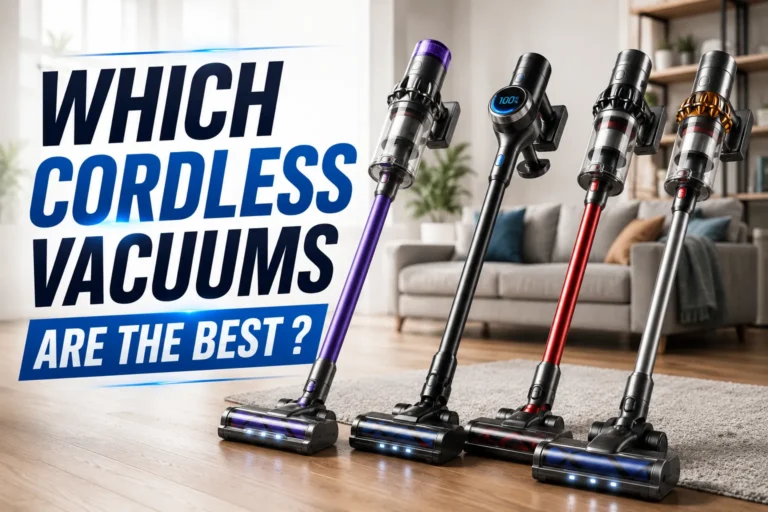
Bagless handhelds can still be a better fit if you strongly prefer lower ongoing consumable costs. If you are still deciding between handheld styles, it may help to compare how other cordless vacuum formats prioritize maintenance, such as this guide to cordless vacuums for pet hair.
How Handheld Vacuum Bags Work and Why They Matter for Dust, Allergens, and Everyday Cleanup

Handheld vacuum bags are not just storage pouches. They are part of the vacuum’s airflow system, and the wrong bag can reduce suction, leak dust, or strain the machine.
Bag design, filtration layers, and airflow basics
As air enters the vacuum, larger debris drops into the bag while finer particles get trapped in the bag material itself. Some bags rely on basic paper construction, while others use layered synthetic media designed to catch smaller particles with less clogging over time.
In plain English, better filtration usually means finer dust stays inside the bag instead of recirculating into the room or coating the vacuum’s inner chamber. That matters most when cleaning flour, lint, dry dirt, tracked-in debris, or pet dander.
Many handheld vacuums with bags still rely on a secondary filter behind the bag, so replacing the bag alone may not restore full airflow if that backup filter is dusty or clogged.
How bag capacity affects suction, mess control, and replacement frequency
Small bags fill quickly, especially when picking up pet hair, crumbs, sand, or carpet fuzz. Once a bag gets too full, air has less room to move through it, which can make the vacuum feel weaker even if the motor is still working normally.
Larger-capacity bags are more forgiving, but they can also make a compact handheld feel bulkier. For most users, the sweet spot is a bag that supports several short cleanups before replacement without overstuffing the chamber.
Mess control improves when the bag has enough room to collect debris without packing tightly against the intake path. That means fewer dust puffs during removal and less chance of debris falling back out.
How to Choose the Right Handheld Vacuum Bags for Your Vacuum Model and Home Size
Compatibility is the first filter. Before comparing materials or value packs, confirm the bag is designed for your exact model name or manufacturer part number.
Fit and sizing guide: model compatibility, collar shape, and seal design
Start with the vacuum manual or the official replacement-parts page. Look for the approved bag code, then compare that with retailer listings. Pay close attention to collar shape, hole diameter, locking tabs, and whether the seal uses cardboard, plastic, rubber, or a self-closing flap.
Even small differences matter. A bag can look nearly identical in photos and still leak around the intake tube or fail to sit flush in the compartment.
Decision criteria: dimensions, material strength, filtration grade, and pack count
After fit, compare the bag material. Synthetic multi-layer bags usually resist tearing better than thin paper and often handle fine dust more effectively. For pet owners, seam strength matters because hair and coarse debris can create pressure points inside a small bag.
Pack count affects convenience, but buying in bulk only makes sense if the fit is already proven. A large bargain pack is not a value if half the bags leak or reduce suction.
Consumables and long-term cost per bag
It is smart to think beyond the first purchase. A handheld vacuum that uses uncommon bags may cost more to keep running over time, especially if replacements are sold only through one retailer or in small packs.
For frequent users, calculate the practical cost based on how often you clean, how fast the bag fills, and whether your household deals with pet hair, litter, workshop dust, or car debris. If you are comparing broader vacuum ownership costs, our article on a cordless vacuum with a replaceable battery covers another important long-term consumable to think about.
Best Handheld Vacuum Bags to Consider in 2026: Comparison by Filtration, Fit, and Value
Because compatibility varies widely by brand and model, the most useful way to compare handheld vacuum bags is by performance category rather than by unsupported one-size-fits-all rankings.
Best for allergy control and fine dust
Look for synthetic multi-layer bags marketed for fine dust capture and cleaner disposal. These are usually the strongest fit for homes dealing with dander, lint, dry dirt, or frequent upholstery cleanup where dust clouds during emptying would be especially annoying.
The trade-off is that high-filtration material can feel restrictive if the vacuum motor is already modest. In those cases, replacing the bag earlier often helps preserve suction.
Allergy-sensitive households should prioritize exact-fit multi-layer bags from either the original manufacturer or a reputable replacement brand with clearly listed compatibility and seal details.
Best for pet hair and frequent spot cleaning
For pet owners, reinforced everyday bags with durable seams are often the better choice. Pet hair is bulky, and it can fill a small bag faster than expected even when the debris does not weigh much.
If your main messes are fur on stairs, couch cushions, cat litter scatter, or entryway crumbs, choose a bag that emphasizes durability and practical capacity over ultra-fine filtration claims alone. Readers considering a larger secondary vacuum for fur-heavy rooms may also want to see this guide on the VacLife cordless vacuum cleaner.
Best budget multipacks for everyday use
Budget multipacks can be excellent for routine cleanup in apartments, dorms, and family homes where the handheld vacuum handles dry crumbs, dust bunnies, and quick car touch-ups. The key is not just low price but consistency in collar fit and seam quality.
Before stocking up, confirm that the listing shows the exact model family and not just a vague “fits most” statement. If the brand page or manual disagrees with the retailer description, trust the manufacturer documentation first.
Best OEM bags for warranty-safe compatibility
Original manufacturer bags are usually the safest option when your vacuum has a picky bag chamber, a self-sealing dock, or warranty language that recommends approved consumables. They may cost more, but they reduce the risk of poor fit, airflow issues, and return hassles.
This option makes the most sense for newer vacuums, harder-to-find models, or households that want the least guesswork.
Setup and Use Guide: Installing Handheld Vacuum Bags Correctly for Stronger Suction and Less Mess
Even the best bag performs poorly if it is installed crooked, pinched, or not fully seated on the intake collar.
Step-by-step bag installation and seal check
Disconnect charging power if applicable and open the dust compartment according to the manual. Remove the old bag carefully to avoid shaking dust loose.
Line up the new bag’s opening, tabs, or rails with the vacuum’s holder. Do not force it if the shape does not align naturally.
Make sure the bag body is unfolded enough to collect debris freely and is not trapped under the lid or pressed against the intake path.
Shut the compartment fully, then check for gaps, pinched edges, or a lid that resists closing. A proper fit should feel secure, not strained.
Common setup mistakes that reduce airflow or cause leaks
The most common problems are using a nearly-correct bag, overfilling the chamber, folding the bag accidentally, or forgetting to clean the secondary filter and intake path. Another easy mistake is installing the collar backward on vacuums with a keyed holder.
If suction drops immediately after a bag change, remove the bag and recheck alignment before assuming the motor is failing.
When switching to a third-party replacement bag for the first time, buy a small pack first. It is the easiest way to confirm real-world fit before committing to a bulk order.
App, smart features, and connectivity details to verify if your vacuum includes them
Most handheld vacuums with bags do not include app features, but some hybrid cleaning devices and premium cordless systems may track maintenance reminders or filter status through a companion app. If your vacuum has connected features, confirm app availability, supported phone versions, firmware update support, and whether notifications cover bag replacement or only battery and fault alerts.
These details vary by model and software version, so check the official app store listing and current manual before relying on any smart maintenance feature.
Real-World Benefits, Limitations, and Practical Trade-Offs of Using Handheld Vacuum Bags
Bagged handheld systems solve some cleanup problems very well, but they are not automatically better for every home.
Cleaner disposal, better odor control, and easier maintenance
The biggest benefit is cleaner emptying. Instead of dumping a dusty bin into the trash and hoping debris does not puff back into the air, you remove and discard the bag as one unit. That is especially helpful for people sensitive to dust or anyone cleaning dry messes in small indoor spaces.
Bags can also help with odor control because debris stays more contained. In many designs, the vacuum’s inner chamber stays cleaner too, which can reduce the frequency of wiping out packed dust.
Limits of bagged handheld systems: capacity, recurring costs, and availability
The downsides are straightforward: bags fill up, cost money, and are not always easy to find years later. Small handhelds also have less room for bag capacity than full-size vacuums, so heavy users may go through replacements faster than expected.
Availability matters more than many buyers realize. If the bag is proprietary and the model is discontinued, long-term upkeep can become inconvenient.
When reusable filters or bagless handheld vacuums may be the better alternative
Bagless handhelds make more sense when you clean often, do not mind emptying debris manually, and want to avoid recurring bag purchases. They can also be better for larger debris loads where tiny bag capacity becomes frustrating.
If your priority is broader floor coverage instead of quick spot cleaning, a stick vacuum or compact cordless upright may be the more practical tool. For example, our overview of the Simplicity cordless vacuum looks at a different cleaning format with its own maintenance trade-offs.
Maintenance, Storage, and Safe Use: Getting More Life from Your Handheld Vacuum and Its Bags
Good bag performance depends on routine care. A fresh bag cannot compensate for clogged air paths, dirty secondary filters, or poor storage habits.
How often to replace bags, inspect seals, and check for clogs
Replace the bag before it is packed tight. In practice, that usually means changing it when suction starts to dip, the bag appears visibly full, or the manufacturer’s fill guideline is reached.
Also inspect the bag collar, chamber gasket, hose opening, and any pre-motor filter every few uses. Fine dust buildup around the seal area is often an early sign of mismatch or wear.
Safe use limits: fine ash, damp debris, sharp objects, heat exposure, and overloaded bags
Most handheld vacuum bags are meant for dry household debris only. Fine ash, damp material, glass shards, hot debris, and sticky messes can damage the bag, clog filters, or create sanitation and motor problems.
Do not vacuum warm fireplace ash, wet spills, sharp metal fragments, or anything the manufacturer excludes. Stop using the vacuum if you notice burning smells, unusual heat, torn bags, or debris bypassing the bag chamber.
Storage tips, consumable shelf life, and warranty details to verify before buying
Store replacement bags in a dry, cool place away from moisture and crushing weight. Paper-based bags can deform if compressed, while synthetic bags can lose shape if bent sharply around the collar area.
Before buying a large supply, verify return policy terms, current bag availability, and whether the manufacturer recommends only approved consumables for warranty support. Warranty language, replacement part numbers, and support coverage can vary by region and retailer.
- Check the exact vacuum model number, bag part number, collar shape, and chamber design.
- Confirm whether the bag is paper or synthetic and whether it is intended for fine dust, pet debris, or general dry pickup.
- Inspect secondary filters, seals, and intake paths so a new bag is not blamed for an existing clog.
- Review the official manual, warranty terms, and current replacement-part availability before stocking up.
Final Verdict: Which Handheld Vacuum Bags Offer the Best Value for Cleaner Homes
The best value usually comes from exact-fit synthetic or multi-layer handheld vacuum bags that balance filtration, seam strength, and reasonable replacement frequency. For allergy-sensitive homes, prioritize cleaner sealing and fine-dust control; for pet-heavy homes, emphasize tougher construction and practical capacity; and for newer or finicky vacuums, OEM bags are often the safest buy even at a higher per-bag cost.
Best choice by household type and cleaning needs
Choose high-filtration bags if dust control matters most, reinforced everyday bags if pet hair and frequent crumbs are the main mess, and budget multipacks only after confirming a proven fit. If your vacuum uses an uncommon bag shape or the manual is strict about approved parts, stick with the manufacturer’s replacement line.
Transparent recommendation and evidence limits to keep in mind
This guide is based on compatibility rules, bag design principles, manufacturer guidance, and common ownership considerations rather than verified first-hand testing by GadgetMakersBlog. Before buying, confirm current model compatibility, warranty language, and replacement availability through the official manual or manufacturer support page.
Frequently Asked Questions
Handheld vacuum bags are best for people who want cleaner disposal and less contact with dust during emptying. They are especially useful in allergy-sensitive homes, apartments, dorms, and for quick upholstery or car cleanup.
Check the exact vacuum model number and the replacement bag part number listed in the official manual or manufacturer parts page. Also compare the collar shape, opening size, seal style, and locking tabs before ordering.
Multi-layer synthetic bags are usually the best place to start because they can trap finer dust than basic paper bags. A tight seal and a clean secondary filter also matter, since both affect how much dust stays contained.
Replace the bag before it becomes tightly packed or when suction starts to drop. The exact timing depends on bag size, debris type, and how often the vacuum is used.
OEM bags can be worth it when your vacuum has a picky chamber design, a self-sealing system, or warranty guidance that recommends approved consumables. They usually reduce fit issues, but third-party bags can still be a good value if compatibility is clearly verified.
Most handheld vacuum bags are meant for dry household debris only. Avoid warm ash, damp messes, sharp objects, sticky material, and anything the manufacturer specifically excludes.