8 Best Motion Sensors for Alexa for Smart Home Security
Affiliate disclosure: As an Amazon Associate, Gadget Makers Blog may earn from qualifying purchases. This does not change the price you pay.
Choosing the best motion sensor for Alexa can be confusing because the right pick depends on how you want to use it. Some shoppers want simple motion-triggered lighting, while others need app alerts, hub-based automation, or a device that can fit into a broader smart home security setup.
This guide compares eight Alexa-compatible motion sensors and sensor-based smart devices for 2026. It focuses on the supplied product details only, so you can compare setup style, compatibility, price, and intended use before you buy.
The best motion sensor for Alexa for most shoppers is the Amazon Basics Dual Smart Plug with Motion Sensor and Night Light because it combines Alexa control, motion-triggered automation, and no-hub setup in one budget-friendly device.
Quick Product Comparison
| Product | Image | Best For | Check Price |
|---|---|---|---|
| 1. Amazon Basics Smart Plug | 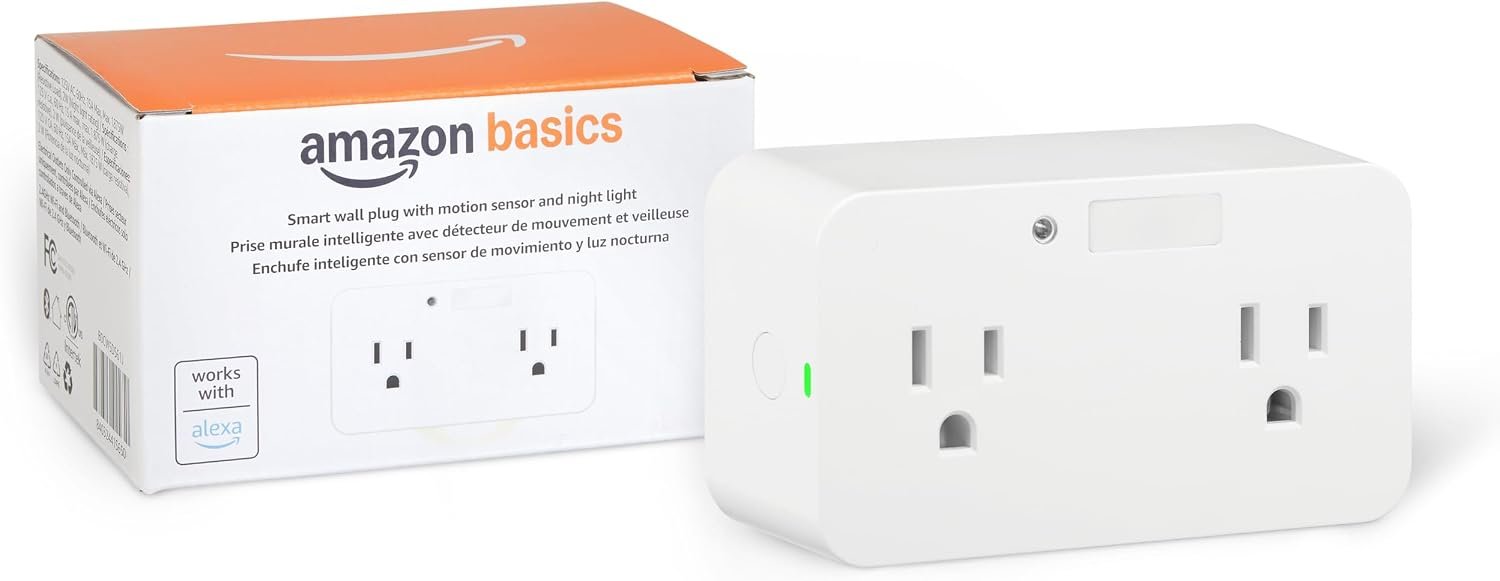 | Alexa-friendly motion automation with a night light | Check Price |
| 2. WiFi Motion Sensor | 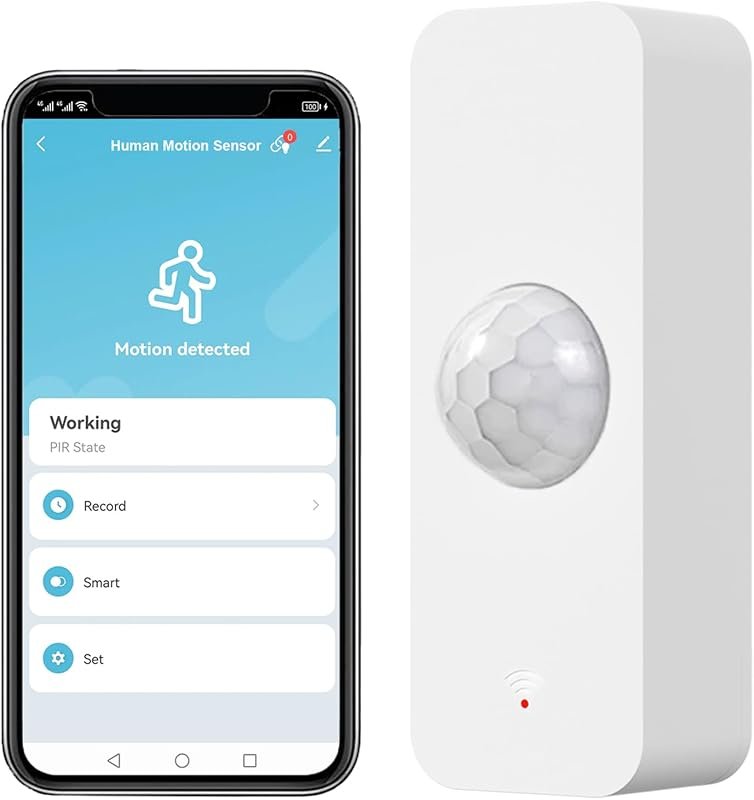 | Budget-friendly app alerts and Alexa routines | Check Price |
| 3. THIRDREALITY Zigbee Motion Sensor | 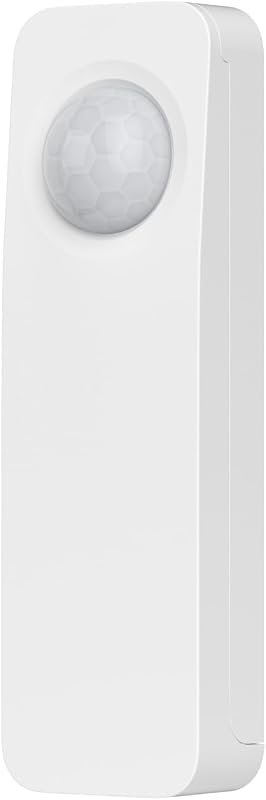 | Best value for Zigbee-based Alexa homes | Check Price |
| 4. WiFi Motion Sensor | 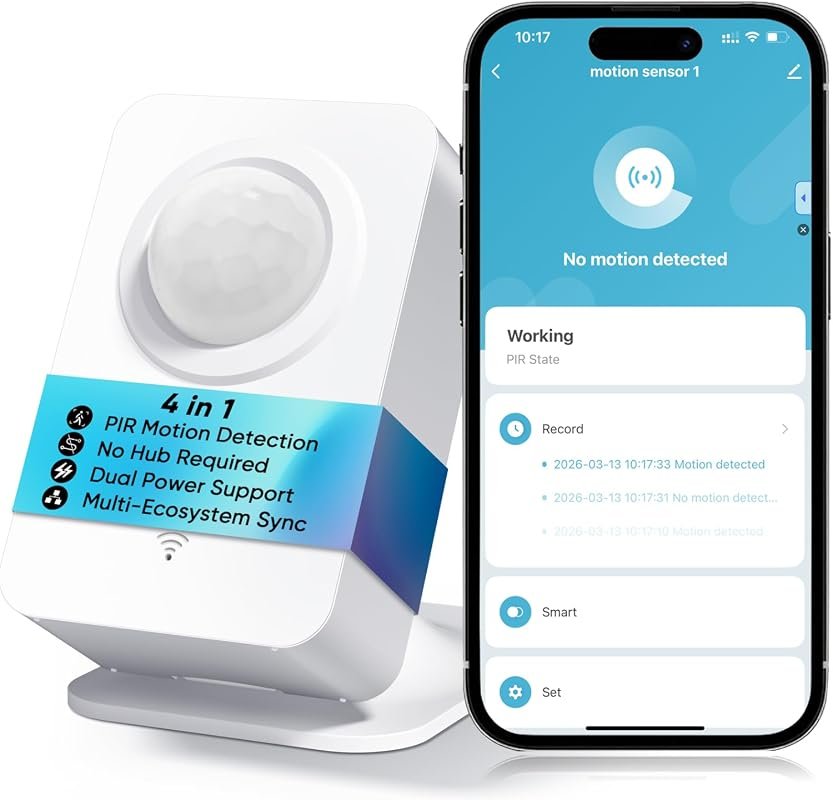 | Flexible no-hub monitoring and dual power use | Check Price |
| 5. Kasa KS200MP2 Motion Switch | 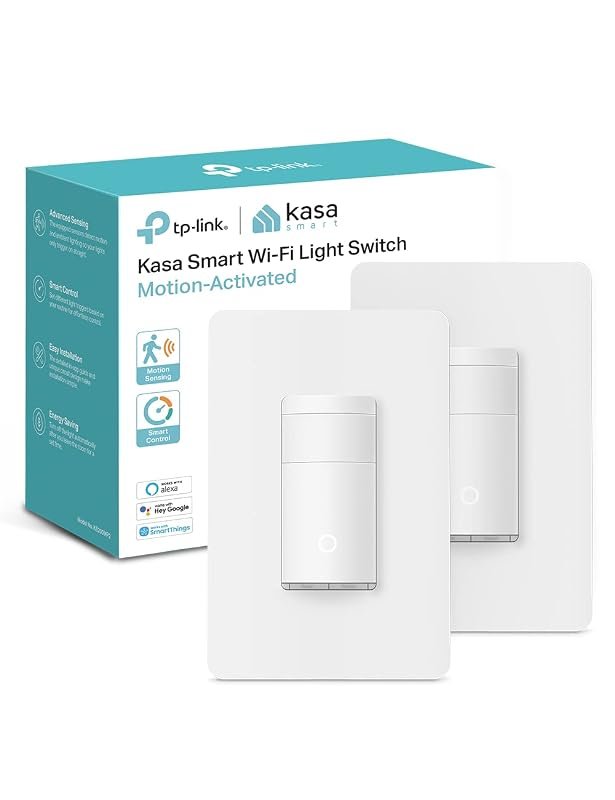 | Hands-free lighting control in fixed rooms | Check Price |
| 6. TP-Link Tapo T100 Motion Sensor | 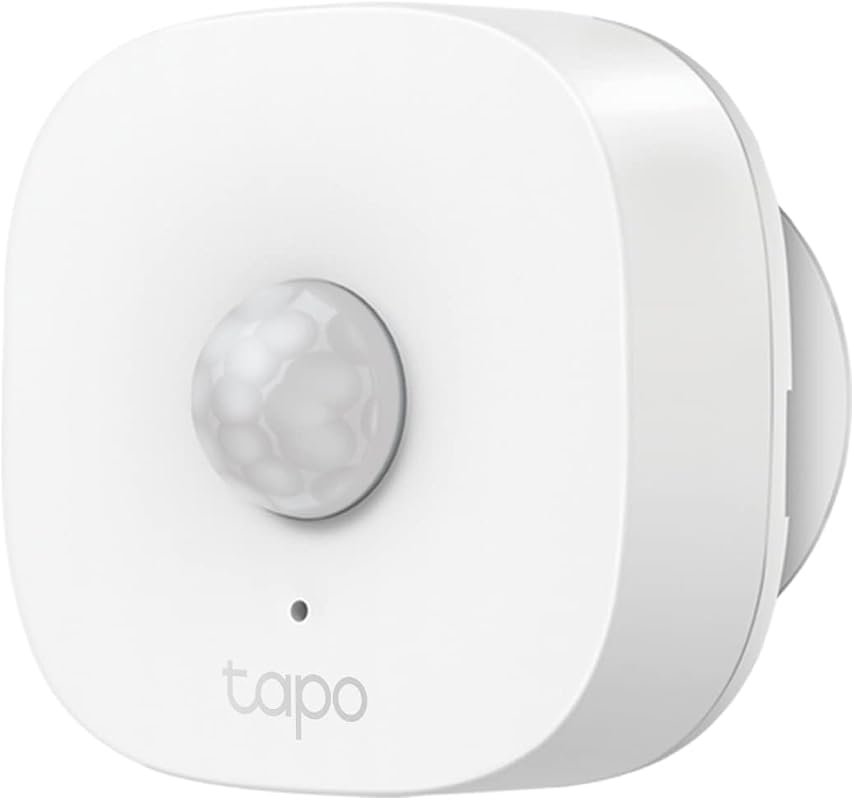 | Hub-based smart actions and wide detection | Check Price |
| 7. THIRDREALITY Zigbee Motion Sensor R1 | 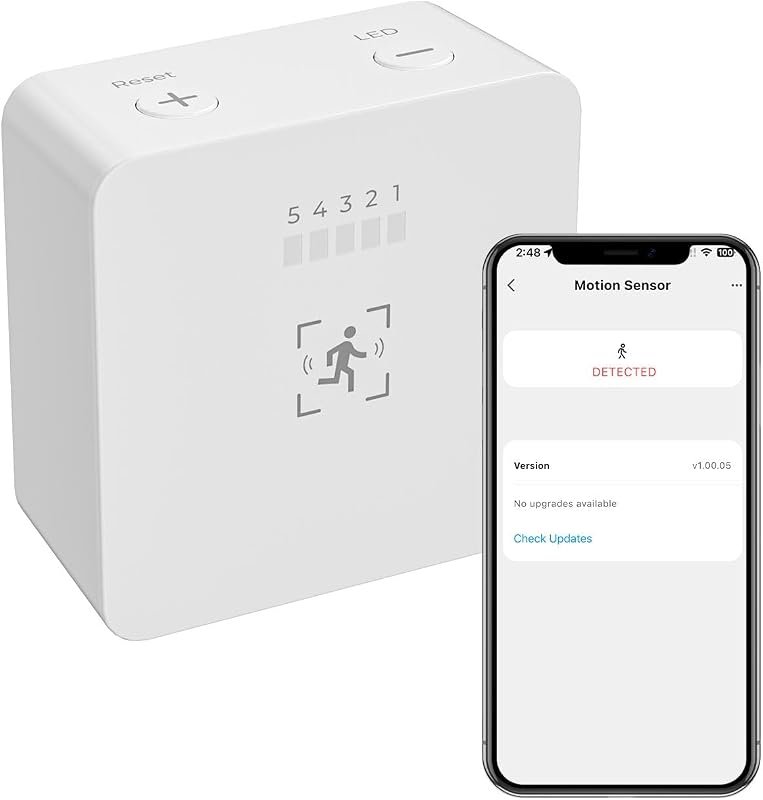 | Adjustable sensitivity for tailored automations | Check Price |
| 8. WiFi Motion Sensor 2-Pack | 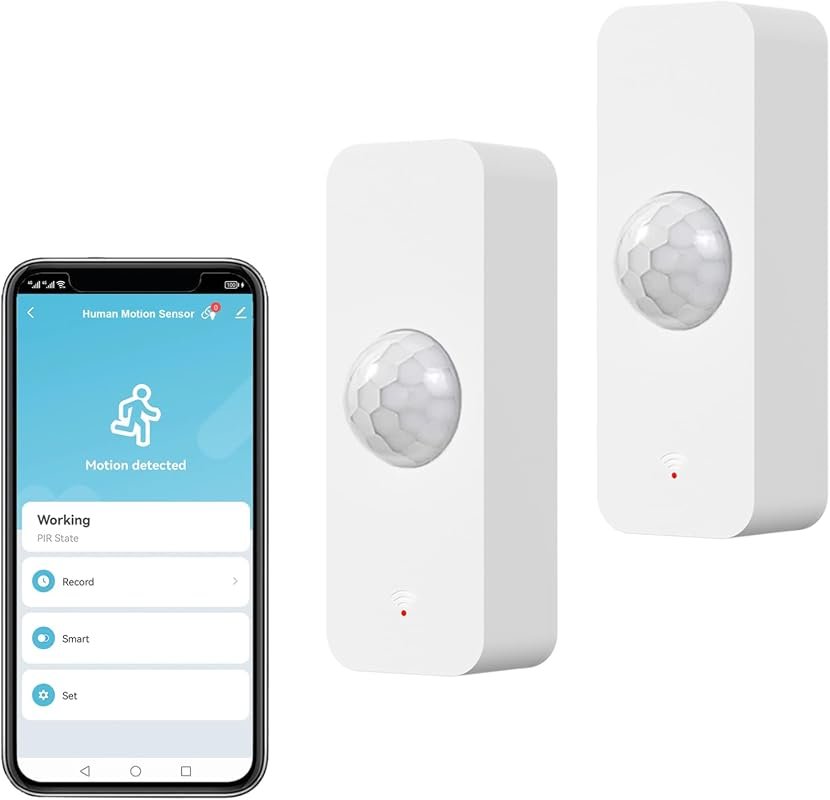 | Two-room coverage on a tighter budget | Check Price |
What to Look for in Best Motion Sensor for Alexa
Alexa setup and routine support
Look for motion sensors that clearly support Alexa routines, voice-triggered automations, or direct Alexa app control. If the listing mentions routines, that is usually the clearest sign it will fit an Alexa-first smart home.
Hubless vs hub-required designs
Some motion sensors connect directly over Wi-Fi, while others need a Zigbee hub or a companion hub. Hubless models are simpler to start with, but hub-based options can suit larger smart home setups better.
Alerts, lighting, and security use
Decide whether you want a sensor for lighting automation, motion alerts, or both. Security-minded shoppers should prioritize app notifications and clear detection range information on the current listing.
Coverage range and placement flexibility
Detection angle, distance, and mounting options affect where a sensor can work well. For hallways, entries, and rooms with odd layouts, wider coverage and flexible placement can make setup easier.
Power source and maintenance
Battery-powered sensors are easier to place, while plug-in or USB-powered options may suit continuous monitoring. Check the listing for battery type, included batteries, and any power requirements before buying.
App ecosystem and compatibility
Many of these products rely on Smart Life, Tuya, Tapo, Kasa, or Alexa app workflows. Verify the app, Wi-Fi band, hub requirement, and device compatibility on the current Amazon page or manufacturer support page.
- Before buying, confirm whether the sensor works directly with Alexa or needs a hub, because that changes setup time and total cost.
- Match the sensor to the room: use wider coverage for open spaces and simpler motion triggers for hallways, closets, and entry points.
- Check whether the device supports app alerts if you want security-style notifications, not just light automation.
Our Top 8 Best Motion Sensor For Alexa Picks and Reviews
1. Amazon Basics Dual Smart Plug with Motion Sensor and Night Light, Alexa Control, Wi-Fi, No Hub
This Amazon Basics option stands out because it combines two smart outlets, a motion sensor, and a built-in night light in one Alexa-focused device. It is a practical pick for shoppers who want simple automation without adding a separate hub.
Key Features That Stand Out
- Simple Alexa setup with multiple setup options, including zero-touch linking at checkout.
- Two individually controlled smart outlets for broader room automation.
- Motion-activated night light that turns off after inactivity to conserve energy.
- Control from anywhere through the Alexa app with routine scheduling.
- No third-party apps or hubs required, and it is only compatible with Alexa.
Why It Stands Out
It is more than a motion sensor. For Alexa households, that combination of motion-triggered behavior, outlet control, and night-light functionality creates a versatile entry point for smart home security and everyday convenience.
Best For
Pros and Cons
- No hub or third-party app required.
- Combines motion sensing, outlet control, and a night light.
- Works directly in the Alexa ecosystem.
- Alexa-only compatibility limits cross-platform flexibility.
- Shoppers should verify outlet placement and load needs on the current listing.
2. WiFi Motion Sensor with App Alerts and Alexa Voice Control for Home Security
This Wi-Fi motion sensor is aimed at shoppers who want app alerts first and Alexa routines second. The listing emphasizes real-time monitoring, push notifications, and routine-based voice messages, which makes it useful for basic home security automation.
Key Features That Stand Out
- Works with Smart Life and Tuya Smart apps for remote monitoring.
- Push alerts when motion is detected.
- 128° detection range and 6-meter detection distance.
- Alexa routines can trigger custom messages like “Welcome Home.”
- Can help automate lights and smart plugs through supported app routines.
Why It Stands Out
Compared with simpler motion triggers, this model leans into security-style notifications. That makes it appealing if your priority is knowing when movement happens, not just turning on a light.
Best For
Pros and Cons
- App alerts add a security-focused layer.
- Alexa routine support is clearly stated.
- Low price makes it easy to start with.
- Compatibility depends on Smart Life or Tuya app setup.
- Detection and automation details should be verified on the current listing.
3. THIRDREALITY Zigbee Motion Sensor, Pet-Friendly, Home Assistant and Alexa Compatible
This Zigbee motion sensor is a strong value pick for Alexa homes that already use a compatible Zigbee hub or Echo device. It offers broad hub compatibility, routine support, and a long battery claim in the supplied listing.
Key Features That Stand Out
- Requires a Zigbee hub and works with many Echo devices that include built-in Zigbee support.
- Alexa routines can trigger custom messages and automations.
- Motion detection reaches up to 20 feet according to the listing.
- Two AAA batteries are said to last up to 2 years in typical use.
- Indoor-only design with quick discovery through Alexa.
Why It Stands Out
For users who already have a Zigbee ecosystem, this sensor can be a cleaner fit than a Wi-Fi device. It is built around routine automation and broad hub compatibility rather than extra app complexity.
Best For
Pros and Cons
- Works with many Zigbee hubs and Echo devices.
- Good fit for routine-based smart lighting.
- Indoor setup is described as quick and simple.
- Requires a compatible Zigbee hub.
- Only for indoor use, so placement is limited.
4. WiFi Motion Sensor with Instant App Alerts for Smart Home Security
This model is a flexible no-hub option for shoppers who want instant app alerts and multiple power choices. It is also positioned as a motion trigger for Alexa, Google, and SmartThings, which broadens its appeal beyond Alexa-only homes.
Key Features That Stand Out
- Direct 2.4GHz Wi-Fi connection with Bluetooth-assisted pairing.
- Dual power modes: battery or DC 5V USB.
- Smart Life or Tuya app alerts for motion detection.
- 128° wide-angle lens and 26-foot range with a rotating base.
- Acts as a motion trigger for Alexa, Google, and SmartThings.
Why It Stands Out
The dual power setup is a useful differentiator. Buyers who want a wireless placement today but may want continuous monitoring later have more flexibility here than with a battery-only design.
Best For
Pros and Cons
- No hub is required.
- Battery or USB power adds placement flexibility.
- Works with multiple smart home ecosystems.
- Home Assistant support is explicitly not included.
- App-based setup is required before automation use.
5. Kasa Smart Wi-Fi Motion Sensor Switch KS200MP2, Single-Pole Control
This Kasa motion sensor switch is better understood as a lighting-control upgrade than a standalone sensor. It is designed for single-pole installation and brings motion-based light automation into rooms where hands-free switching is useful.
Key Features That Stand Out
- Automatic motion-based lighting control with preset shutoff timing.
- Daylight detection prevents lights from turning on during the day.
- Smart Mode and Away Mode support different routines.
- Works with Alexa, Google Assistant, and Samsung SmartThings.
- Supports a range of bulb types within the listed wattage limits.
Why It Stands Out
Because it replaces a wall switch rather than acting as a separate sensor, this model is a strong fit for fixed rooms where you want motion-triggered lighting built into the switch itself.
Best For
Pros and Cons
- Built-in motion control for connected lights.
- Daylight detection helps avoid unnecessary activation.
- Works with Alexa and other major platforms.
- Single-pole installation may not suit every home.
- Shoppers should verify bulb and wiring compatibility first.
6. TP-Link Tapo Motion Sensor T100 with Hub, Long Battery Life, Wide Detection
The Tapo T100 is a hub-based motion sensor built around smart actions and wide coverage. It is a good fit for buyers who want a more structured Tapo ecosystem with local-style responsiveness through the hub.
Key Features That Stand Out
- Requires the Tapo Hub H100 and a secured 2.4GHz Wi-Fi network.
- Detects motion within a 120-degree angle and up to 23 feet.
- Adjustable body and customizable detection range options.
- Smart Actions can control lighting and other Tapo devices.
- Single CR2450 battery is listed for up to 2 years of use.
Why It Stands Out
The hub requirement is a tradeoff, but it also unlocks broader Tapo automation. That makes this sensor appealing if you want a dedicated motion trigger inside a Tapo-centered smart home.
Best For
Pros and Cons
- Wide detection range for room coverage.
- Long battery claim in the supplied listing.
- Works with Tapo Smart Actions for automations.
- Requires a separate Tapo hub.
- Best suited to users already invested in Tapo devices.
7. THIRDREALITY Zigbee Motion Sensor R1 with Adjustable Sensitivity and Real-Time Alerts
The R1 version is aimed at buyers who want more control over sensitivity and detection range. It keeps the Zigbee hub requirement, but adds manual tuning that can be useful in rooms with different movement patterns.
Key Features That Stand Out
- Requires a Zigbee hub and supports many Echo, Home Assistant, and smart home hubs.
- Real-time motion detection is described as accurate and not affected by heat or sunlight.
- Sensitivity can be adjusted with button controls, not only through an app.
- Motion range can be manually adjusted between 1.5 and 9.5 meters.
- Powered by three AA batteries with up to 1 year of typical use.
Why It Stands Out
This model is a better fit than basic motion sensors if you want to fine-tune how easily it triggers. That can matter in busier rooms, larger spaces, or areas where you want fewer false triggers.
Best For
Pros and Cons
- Adjustable sensitivity gives more control.
- Supports many major Zigbee ecosystems.
- Battery-powered placement is flexible.
- Requires a Zigbee hub.
- Battery life is based on typical use, so real-world results may vary.
8. WiFi Motion Sensor with App Alerts and Alexa Voice Control, 2-Pack
This two-pack is a practical option for shoppers who want to cover more than one room without jumping to a more expensive system. It mirrors the app-alert and Alexa routine approach of the single-sensor model, but with added coverage out of the box.
Key Features That Stand Out
- Compatible with Smart Life and Tuya Smart apps for remote monitoring.
- Push alerts when motion is detected.
- 128° detection range and 6-meter detection distance.
- Alexa and Google Assistant compatibility through the Alexa app routine workflow.
- Sold as a 2-pack for multi-room use.
Why It Stands Out
The main advantage here is coverage. If you need motion alerts in two spaces, this package can be easier to justify than buying two separate single units.
Best For
Pros and Cons
- Two sensors help cover multiple rooms.
- App alerts support security-minded use.
- Alexa routine support is included in the listing.
- Very low review count compared with some other picks.
- Shoppers should verify app and setup requirements before buying.
If you choose a hub-based sensor or a switch replacement, confirm the hub model, Wi-Fi band, wiring, and room placement before purchase. For wired products, follow the manufacturer’s installation instructions and local electrical code, and use a qualified electrician if you are not comfortable with the installation.
Complete Roundup for Best Motion Sensor For Alexa
Good for first-time Alexa setups, these options emphasize simple motion triggers, app alerts, and lower upfront cost.
Best for buyers wanting stronger compatibility, hub support, or extra automation features without moving into a larger system.
Suited to users who want broader smart home control, such as motion switches or multi-function devices with more built-in convenience.
- Match the sensor type to your setup: Wi-Fi for simplicity, Zigbee for hub-based homes, and switches for fixed lighting zones.
- Check whether Alexa routines, app alerts, and hub requirements are clearly listed before buying.
- Verify room coverage, battery type, and mounting style so the sensor fits the space you want to monitor.
- Don’t assume every Alexa-compatible sensor works without a hub.
- Don’t buy a wired motion switch unless you know your circuit and bulb compatibility.
- Don’t rely on marketing claims alone when the current listing leaves app, power, or compatibility details unclear.
- For entry doors and hallways, prioritize easy routine triggers and app alerts.
- For multi-room coverage, two-pack kits can be more cost-effective than buying single sensors separately.
- If you already use Echo devices with built-in Zigbee support, a Zigbee sensor may be easier to organize in the long run.
Before checkout, confirm your Alexa setup, hub type if required, Wi-Fi band, and whether the device needs a companion app such as Smart Life, Tuya, Kasa, or Tapo.
- Amazon Basics Smart Plug: best all-in-one Alexa motion option for simple automation.
- WiFi Motion Sensor B0CLY75LMK: best low-cost pick for app alerts and Alexa routines.
- THIRDREALITY Zigbee Motion Sensor: best value if you already use a Zigbee hub.
- WiFi Motion Sensor B0GD6ND4C7: best flexible no-hub choice with battery or USB power.
- Kasa KS200MP2: best motion switch for fixed-room lighting control.
- TP-Link Tapo T100: best hub-based pick for Tapo smart actions.
- THIRDREALITY Zigbee Motion Sensor R1: best for adjustable sensitivity and tailored automations.
- WiFi Motion Sensor 2-Pack: best for covering two rooms with one purchase.
- Remember to verify hub, app, and power requirements before ordering.
- For wired or switch-style products, check installation fit before you buy.
Frequently Asked Questions About Best Motion Sensor For Alexa
No. Some models connect directly over Wi-Fi, while others require a Zigbee hub or a brand-specific hub like Tapo. Always check the product listing before buying.
Wi-Fi models with direct Alexa app support are usually the simplest. The Amazon Basics smart plug is also appealing because it avoids third-party apps or hubs.
Yes, several listings support app push notifications and motion-triggered routines. Check the app ecosystem and alert features if security monitoring is your main goal.
The Kasa motion switch is a strong fit for built-in lighting control, while the Amazon Basics smart plug can also trigger connected devices and a night light.
It matters a lot for room coverage and placement. Wider angles and longer range can help in larger spaces, but smaller rooms may not need as much coverage.
Choose Wi-Fi if you want simpler setup and no hub. Choose Zigbee if you already have a compatible hub or Echo device and want to build around that ecosystem.
If you want the simplest Alexa motion automation, start with the Amazon Basics option. If you care more about alerts, hub-based smart home control, or multi-room coverage, one of the other picks may fit better.
The best choice depends on your room layout, app preferences, and whether you already own a compatible hub. Verify compatibility details on the current Amazon listing before you order, especially for Zigbee, Tapo, or wired switch models.
This roundup is based on the supplied product titles, feature bullets, ratings, review counts, price text, and compatibility details only. Because no verified first-hand testing evidence is available, the recommendations use evidence-based editorial comparison focused on Alexa compatibility, hub requirements, alert features, setup style, and intended use. When technical details were missing or unclear, shoppers were advised to confirm them on the current Amazon listing, manufacturer page, app listing, or product manual.